

French Portrait Painting
When buying a french portrait painting, you acquire centuries of character, social history and skilled brushwork preserved on canvas, wood panel or porcelain.
French Portrait Painting
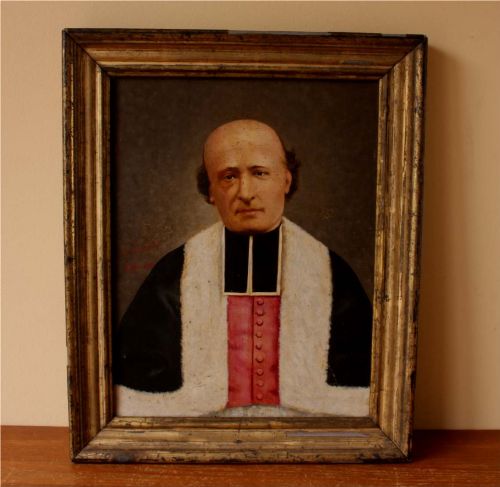
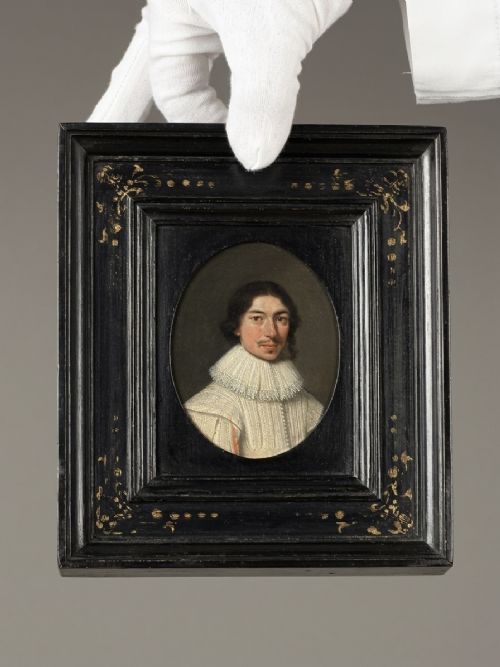
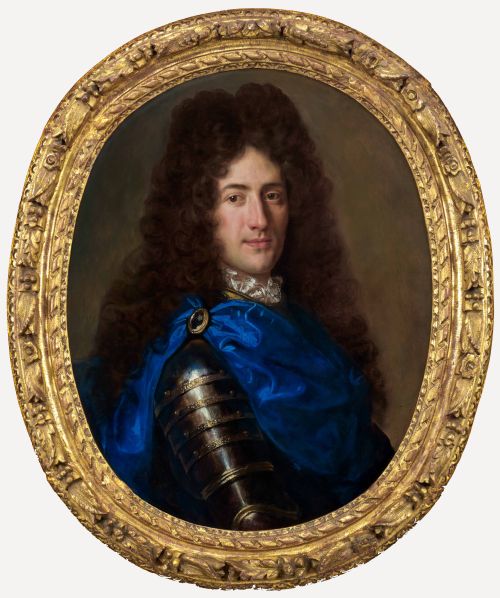
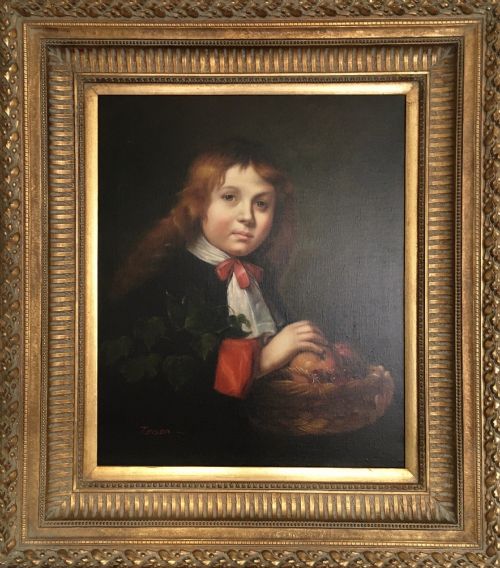
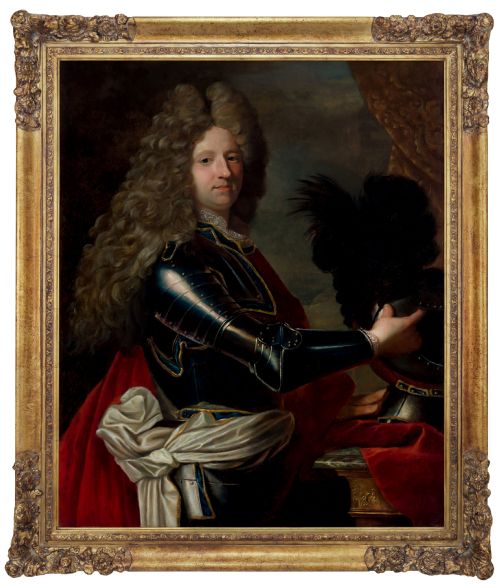
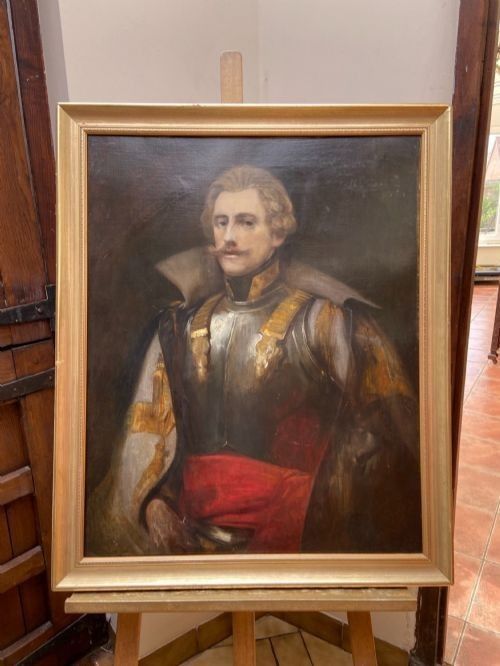
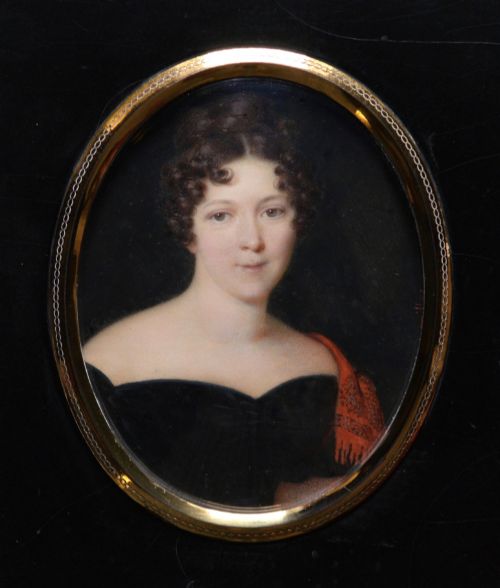
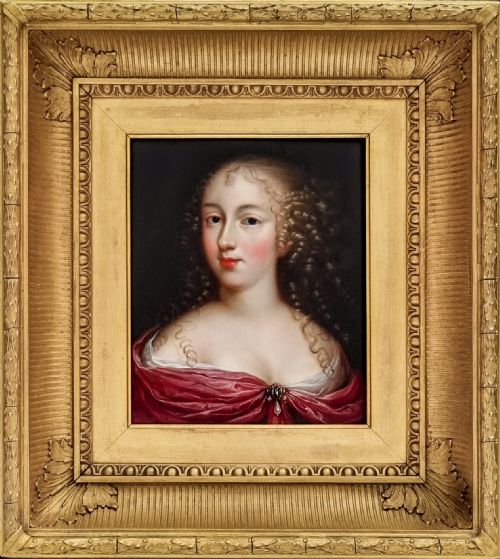
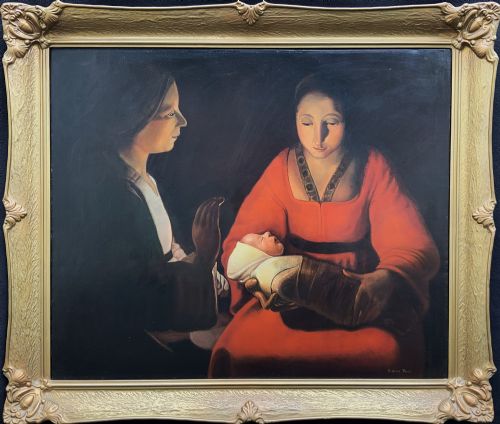
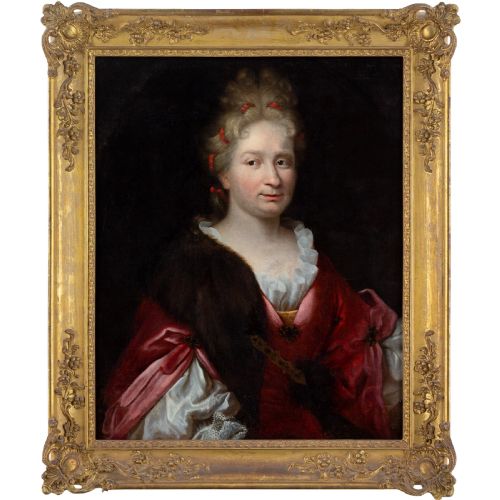
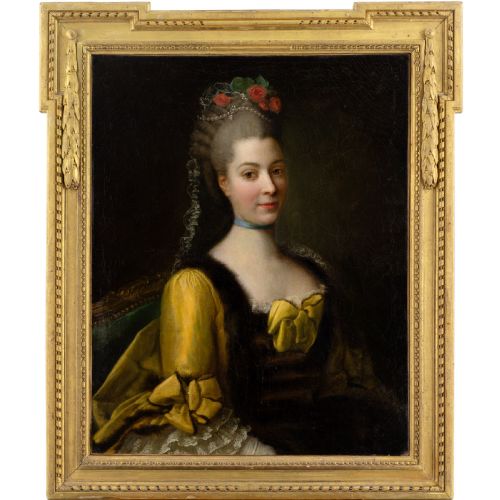
When you search for a french portrait painting, you encounter works ranging from austere seventeenth-century aristocrats to nineteenth-century military officers, children and fashionable ladies. The selection spans anonymous provincial canvases from regional French schools alongside documented oils by named continental portraitists.
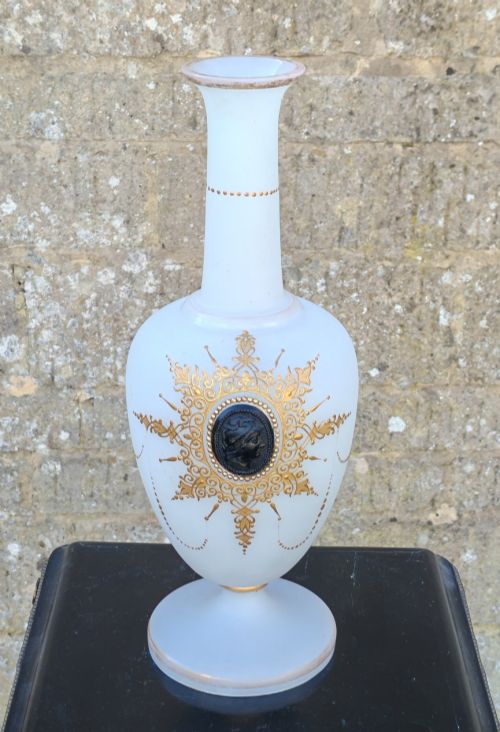
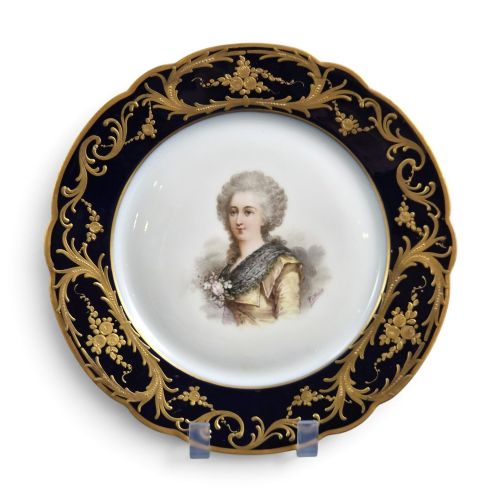
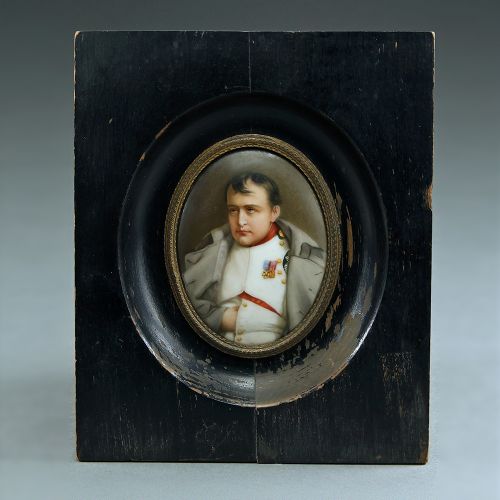
Most pieces you meet on this page date from the eighteenth and nineteenth centuries, executed either as oil on canvas or oil on panel. You will also find porcelain cabinet plates and decorative objects incorporating hand-painted portrait miniatures.
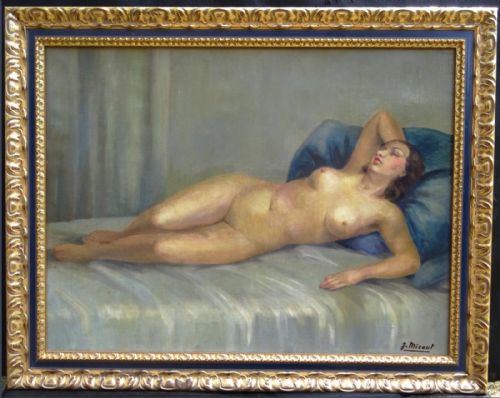
Subjects encompass military figures, nobility, clergy and everyday sitters, often reflecting shifting aesthetic movements from Baroque solemnity through Rococo lightness to nineteenth-century realism and early twentieth-century decorative styles.
How They Were Made
Makers built these works primarily using oil paint applied to prepared canvas or wooden panels, though watercolours, gouache and enamels also appear. Frames were commonly constructed from carved timber, often gilded with gold leaf to produce ornate giltwood surrounds.
Portraits on porcelain required delicate hand-painting techniques fired in kilns, frequently complemented by hand-applied gilt detailing on cobalt or bleu céleste backgrounds. Panel paintings utilised seasoned timber supports prepared with gesso grounds before pigment application.
French Portrait Painting Retail Price Guide 2026
Typical asking prices for french portrait painting among the pieces listed under this phrase on Sellingantiques today, from the lower quarter to the upper quarter. They describe what is for sale here now, not the wider market.
Several sitters share the walls with unexpected companions, including vigilant pet dogs, resting apprentice cooks and an antique painted tambourine.
What Varies in Quality
The standard of a french portrait painting rests primarily upon the anatomical precision of the hands and face, the depth of shadow modelling, and the psychological presence conveyed by the sitter. Master works capture lifelike texture in textiles, lace and hair, whereas simpler folk or provincial pieces rely on stylised formulas.
Original framing and untouched surface condition heavily influence desirability, particularly when canvases retain their early stretchers and original giltwood frames without heavy overpainting.
Pierre Mignard·Charles-Antoine Coypel·Edouard Pingret·Joseph Vivien·Adelaïde Salles-Wagner
The French Portrait Painting Glossary
- Oil on Canvas
- A traditional painting medium where oil-based pigments are applied to a woven fabric stretched across a wooden frame. This combination allows for rich blending of skin tones and garments.
- Oil on Panel
- A painting created on a wooden board rather than canvas, frequently utilised in earlier centuries to achieve a smooth, enamel-like surface finish.
- Giltwood
- Timber carved into decorative moulding and coated with thin gold leaf or gilt powder. It provides a luminous border designed to reflect light onto the painted canvas.
- French School
- A term used by dealers to describe unsigned works executed by artists trained within the French academic tradition. It links regional pieces to a shared national stylistic heritage.
- Portrait Miniature
- A small-scale likeness painted with extreme precision, often set into porcelain boxes, frames or ceramic plates. These items required miniature brushes and magnifying lenses to render fine facial details.
French Portrait Painting: Frequently Asked Questions
How do I date a french portrait painting?
Dating relies heavily upon the sitter's costume, hairstyles, collar shapes and the construction methods of the wooden stretcher or panel behind the canvas. Clues such as wig styles in the eighteenth century or gigot sleeves in the nineteenth provide reliable chronological markers.
Signatures, inscriptions on the reverse, and stylistic attribution to specific regional schools further narrow down the decade of creation.
Where should I hang a french portrait painting?
These works suit traditional reception rooms, studies and hallways where subdued natural lighting protects the pigments from fading. Pairing an oil painting with period furnishings enhances the historical atmosphere of the interior.
Ensure the piece is positioned away from direct sunlight and excessive humidity fluctuations to preserve the stability of the canvas and wooden frame.
What is the difference between school works and signed pieces?
Signed paintings bear the distinct hand or monogram of a recorded artist, often allowing researchers to trace exhibition history and biography. Works attributed to a French school are anonymous creations attributed by style, period and technique to a particular artistic community.
Both categories display considerable technical skill, but signed pieces by documented portraitists generally carry greater archival documentation.
How do I care for antique oil portraits?
Maintenance involves gentle dusting with a soft, dry brush and avoiding chemical cleaning solutions on the delicate paint surface. Stable room temperatures prevent the canvas from sagging and protect wooden panels from warping.
Professional conservation should be sought if tears, flaking paint or heavy varnish discolouration occur over time.