


Neoclassical Portrait Art
Neoclassical portrait art captures the austere elegance and classical restraint of past centuries through oil paintings, delicate prints, and carved reliefs.
Neoclassical Portrait Art
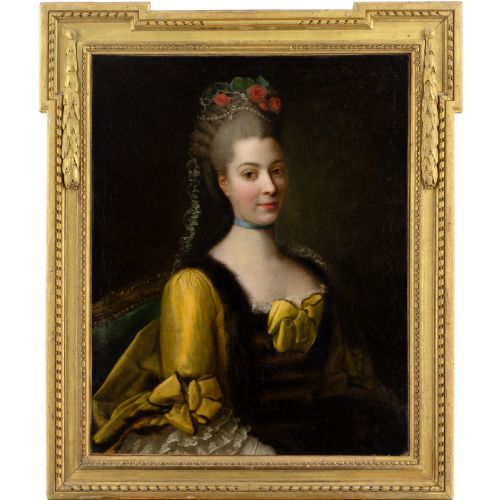
Neoclassical portrait art encompasses painted oils, detailed engravings, marble reliefs, and porcelain plaques that reflect the classical revival of past centuries. Buyers examining this category encounter works ranging from 17th-century Italian drawings to 19th-century French school oils.
The most common formats on this page include oil paintings on canvas or board, framed print engravings, and portrait miniatures. French and Italian schools heavily populate the selections, often depicting elegant women, gentlemen, and historical figures.
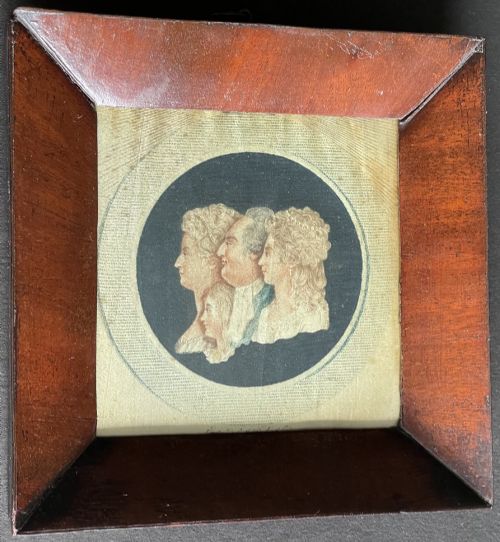
Subjects frequently align with Grand Tour aesthetics, featuring profile plaques of literary figures like Virgil and Dante alongside classical depictions of nobility. Pieces span Georgian, Regency, and Victorian interpretations of the neoclassical style.
Materials and methods
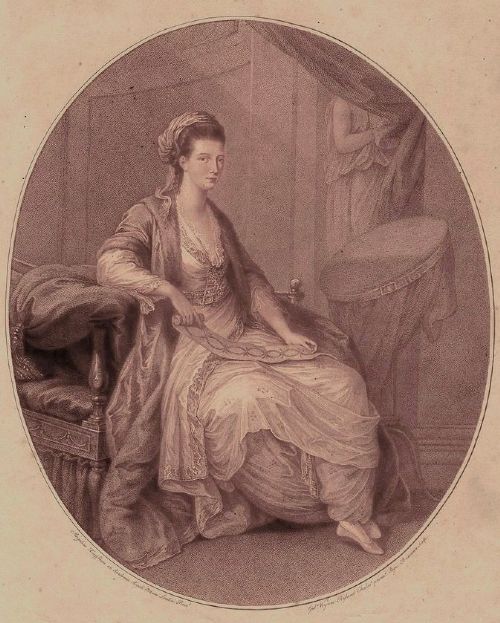
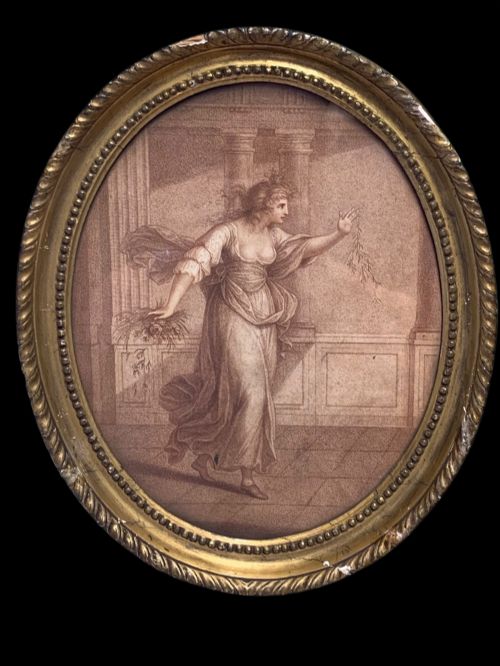
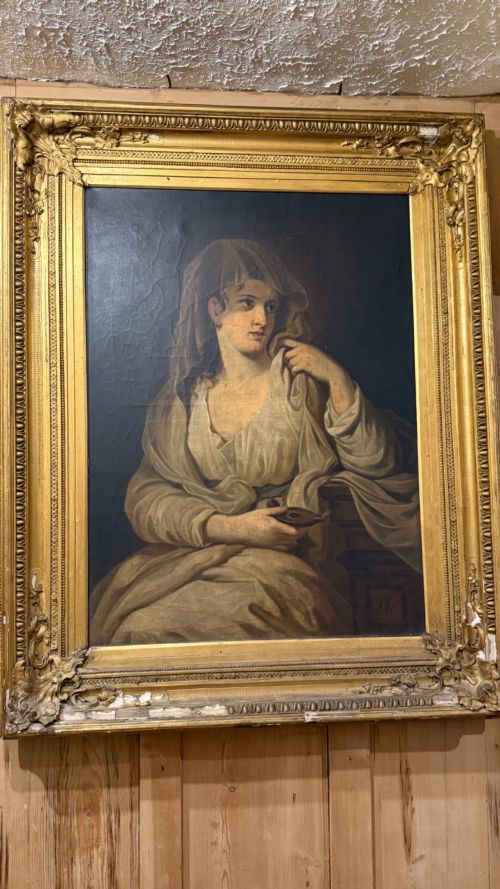
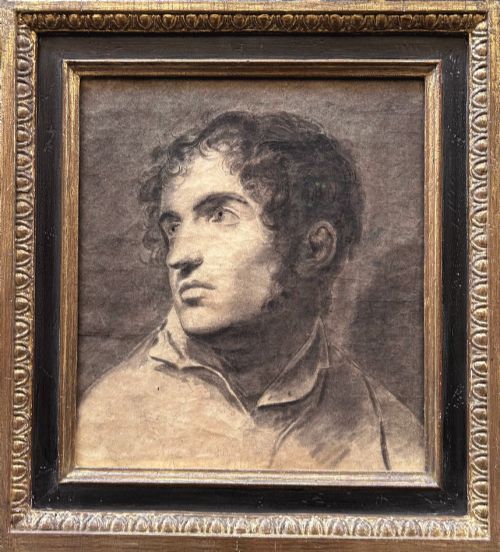
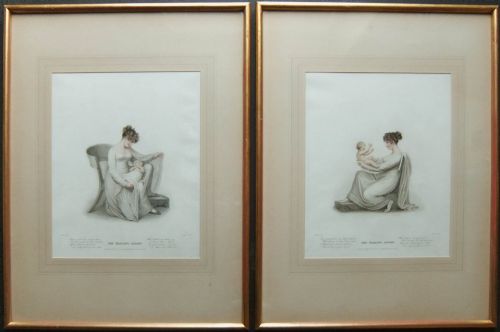
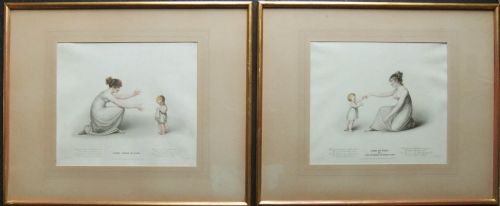
Makers utilised traditional mediums, applying oil paints to canvas and board or working with ink and graphite on paper. Printmakers produced stipple engravings and prints on silk, capturing fine linear detail.
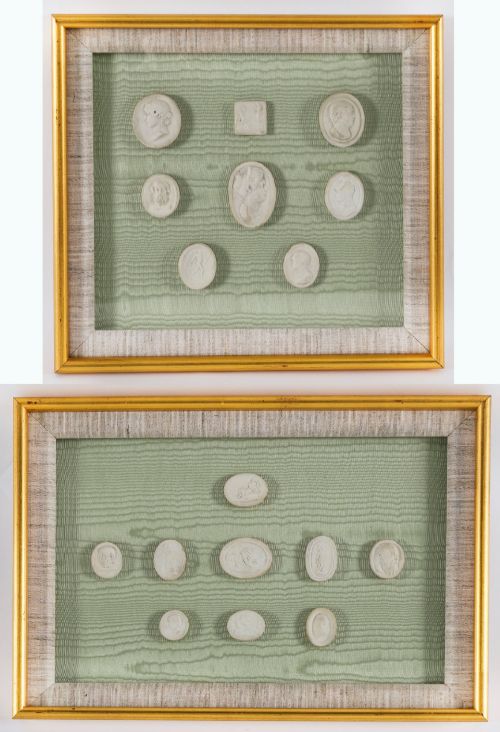
Sculptural works rely on carved marble, plaster intaglios, and KPM porcelain plaques. Giltwood frames frequently house these paintings and prints, providing a polished period presentation.
Listings span the 17th to 19th centuries, featuring oil on canvas, carved marble, giltwood, and stipple engravings.
Assessing quality
The choice of housing matters significantly, as original giltwood frames and period glass elevate the integrity of prints and paintings. Surviving attribution or signature from established historical artists further distinguishes superior examples.
Adam Buck·John Barry·John Russell·Francis Alleyne·Guiseppe Mazzolini
The Neoclassical Portrait Art Glossary
- Intaglio
- A design engraved into a material so that the impression sinks below the surface. Plaster intaglios were popular souvenirs from the Grand Tour.
- Stipple engraving
- A printmaking technique using dots of varying density to create tonal graduation and lifelike flesh textures. This method was widely used for portraiture in the 18th century.
- Bandeau
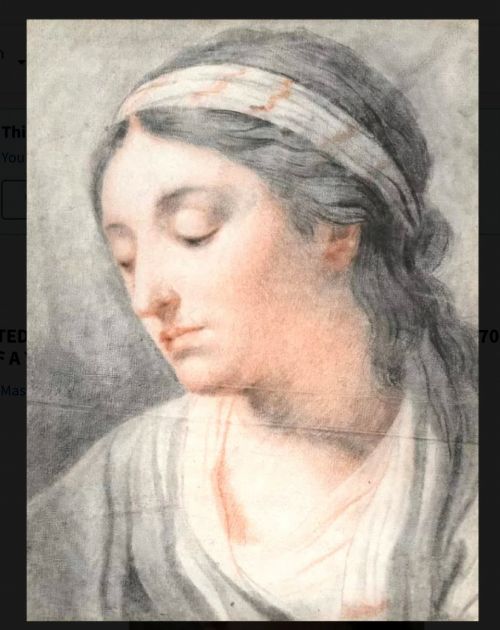
- A narrow headband worn across the hair, frequently seen in female portraits of the neoclassical period. It mimics ancient Greek and Roman hair adornments.
- Grand Tour
- A traditional trip through Europe undertaken by upper-class young men and women for education and pleasure. It resulted in the acquisition of art, classical antiquities, and profile plaques.
- Porcelain plaque
- A flat sheet of fired porcelain used as a painting surface. KPM workshops were particularly noted for producing finely painted portraits on these plaques.
Neoclassical Portrait Art: Frequently Asked Questions
What defines neoclassical portrait art?
Neoclassical portrait art draws inspiration from classical antiquity, emphasising clean lines, balanced composition, and restrained emotion. The subjects often wear classical attire or hairstyles reminiscent of ancient Greece and Rome.
These pieces reflect the cultural revival that swept Europe during the 18th and 19th centuries, capturing both historical figures and everyday sitters with idealised dignity.
How do I care for framed paper prints?
Framed paper prints and engravings require protection from direct sunlight to prevent the ink and paper from fading over time. Maintaining a stable indoor environment away from excessive humidity preserves the paper stock and prevents foxing.
When cleaning the surrounding glass, spray the cloth rather than the frame to ensure moisture does not seep inside the mount.
How can I distinguish 18th-century prints?
Eighteenth-century prints often feature handmade laid paper with visible chain lines when held to the light. The printing ink should sit slightly depressed into the paper surface where the plate mark pressed down during production.
Examinations under magnification can also reveal the distinct dot patterns of stipple engravings or the fine cross-hatching typical of period copperplate work.