




French Pier Cabinet
A french pier cabinet brings symmetry and refined display space to a room, utilising narrow wall sections between windows.
French Pier Cabinet
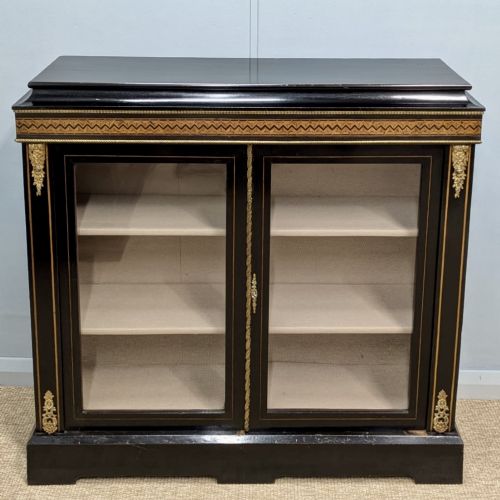
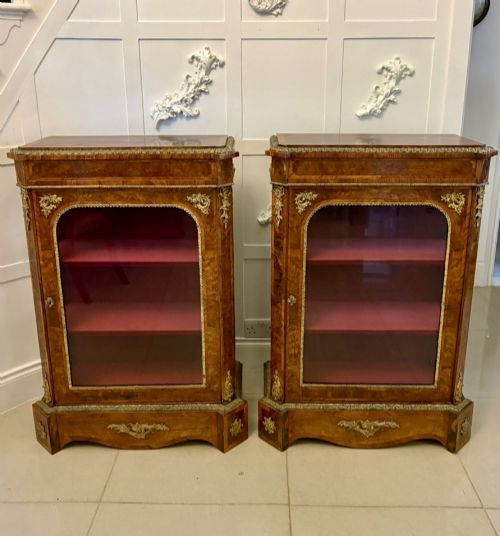
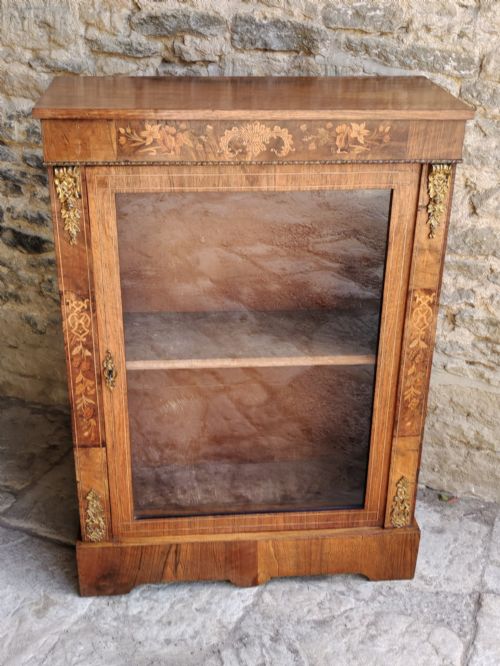
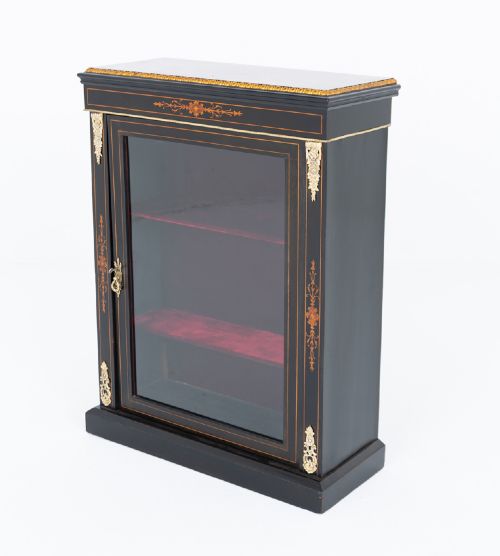
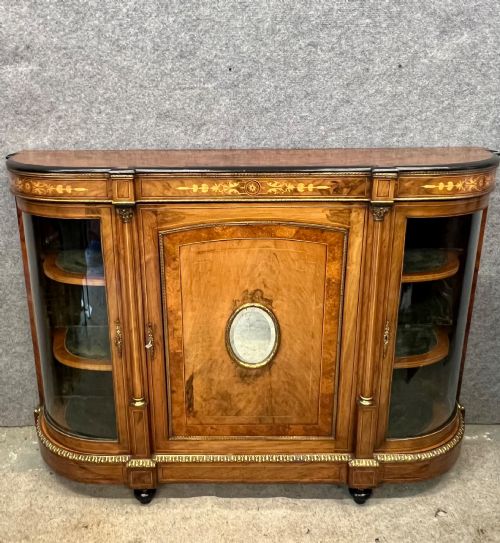
A french pier cabinet is a slim display piece designed to sit against narrow wall spaces, frequently appearing alongside matching console tables or paired cabinets. The forms span from nineteenth-century ebonised woods to burr walnut and rosewood variations.
Makers and cabinetmakers constructed these display units to exhibit porcelain plaques, books, or decorative objects behind glazed doors. Walnut, satinwood, and ebonised timbers dominate the available configurations.
How They Were Made
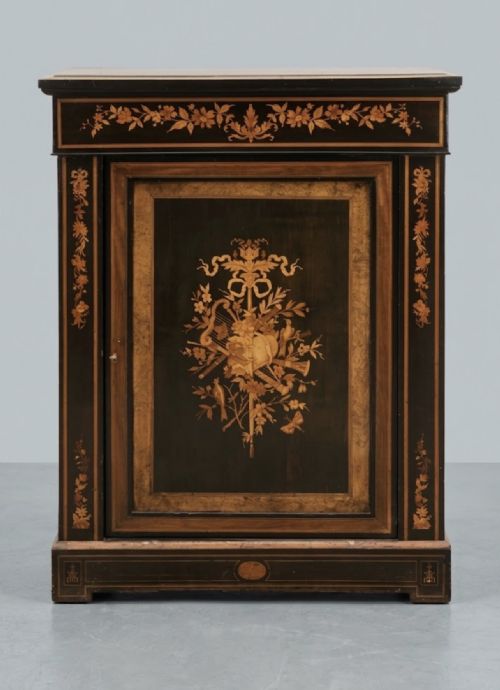
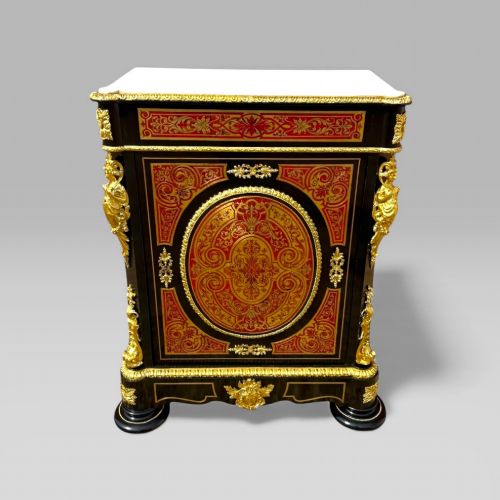
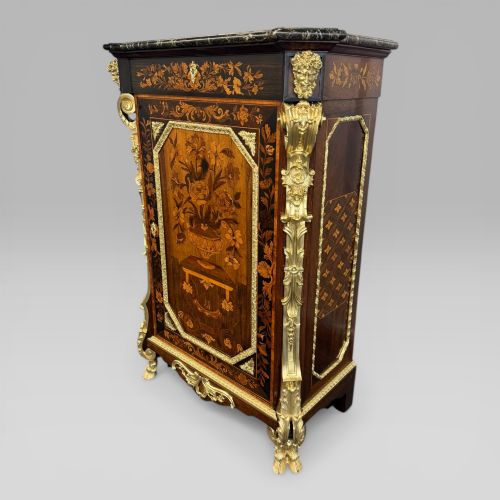
Cabinetmakers utilised dense timbers including walnut, rosewood, and ebonised wood as foundations for marquetry, brass inlay, and tortoiseshell work. Ormolu mounts and gilt-metal details provide structural enrichment and corner protection.
Marble tops, often fossil or white varieties, cap the upper surfaces while inset Sevres style porcelain plaques decorate the door panels and friezes. Boulle technique combines brass and tortoiseshell across the ebonised surfaces.
French Pier Cabinet Retail Price Guide 2026
Typical asking prices for french pier cabinet among the pieces listed under this phrase on Sellingantiques today, from the lower quarter to the upper quarter. They describe what is for sale here now, not the wider market.
One archive piece carries later sign-writing in French advertising champagne.
What Varies in Quality
The precision of the marquetry inlay and the crispness of the cast ormolu mounts separate standard production from superior examples. Finely chased gilt-metal details and choice burr veneers indicate higher workshop standards.
The integration of hand-painted porcelain plaques and genuine marble tops influences the standing of individual pieces. Selection of exotic timbers like kingwood and goncalo alves denotes elevated craftsmanship.
Edward Holmes Baldock
The French Pier Cabinet Glossary
- Ormolu
- Gilded bronze mounts used extensively for decorative trim and corner accents on nineteenth-century furniture. This technique requires mercury gilding or modern electroplating over cast brass or bronze.
- Boulle
- A marquetry process using brass and tortoiseshell arranged in contrasting patterns. Named after the royal cabinetmaker Andre-Charles Boulle, it defines Napoleon III period pieces.
- Marquetry
- The art of applying thin veneers of wood, metal, or shell into decorative patterns on a wooden carcase. Artisans cut these elements precisely to fit geometric or floral designs.
- Sevres
- Porcelain plaques produced by the French national factory, frequently mounted onto cabinet doors. These panels display hand-painted scenes or portraits within gilt borders.
- Pier
- The solid masonry wall between windows or architectural openings. Furniture built specifically for these narrow spaces takes its name from this architectural feature.
French Pier Cabinet: Frequently Asked Questions
Where should I place a pier cabinet?
These narrow display units fit naturally against flat wall spaces between windows or doorways where bulkier furniture would block light or passage. Their slender proportions make them suitable for hallways, drawing rooms, or alcoves.
Pairs often flank a fireplace or console table to create balanced symmetry within a formal interior arrangement.
What is the difference between walnut and ebonised finishes?
Walnut versions display natural grain patterns, burr figures, and warm brown tones through clear French polish. These typically align with Victorian or nineteenth-century English and French cabinetmaking.
Ebonised finishes involve staining and polishing timber to imitate black ebony. This treatment creates a dramatic contrast with gilt-metal mounts and tortoiseshell Boulle work.
Are these cabinets meant for storage or display?
The primary purpose is display, indicated by glazed doors and fitted interior shelving designed for porcelain and small valuables. Lower wooden cupboards provide concealed storage space in select configurations.
Bookcase variants accommodate volumes while maintaining the characteristic narrow depth of pier furniture.