
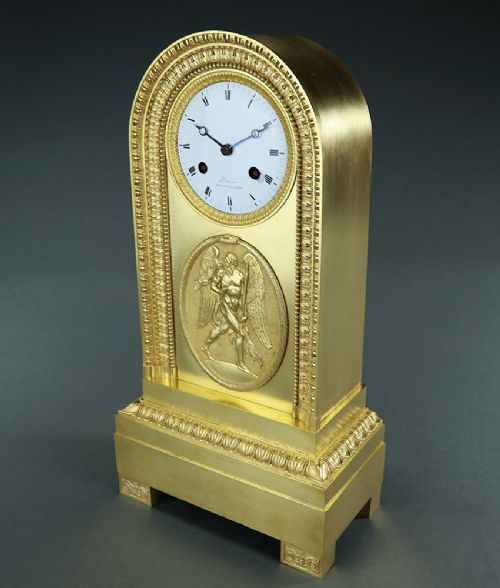


French Pendulum Table Clock
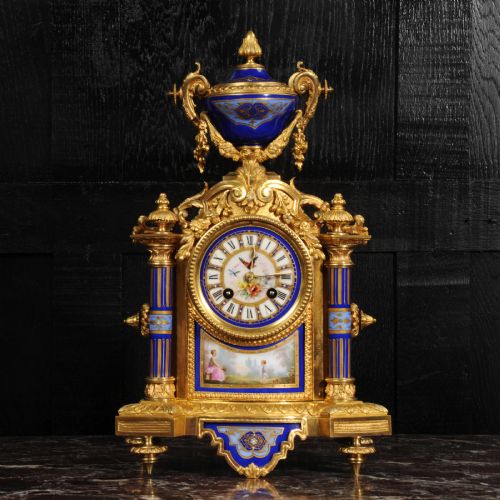
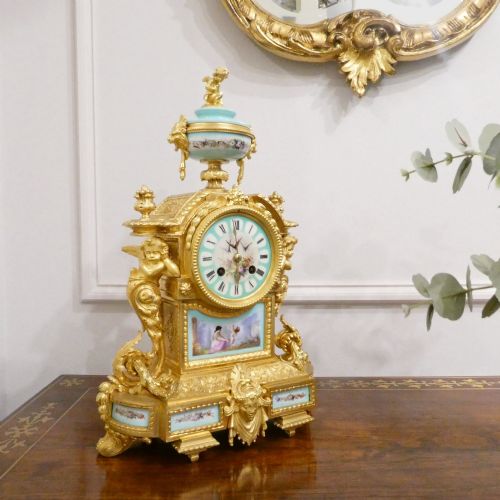
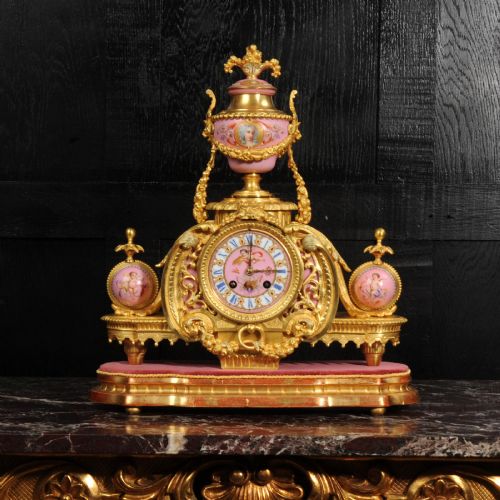
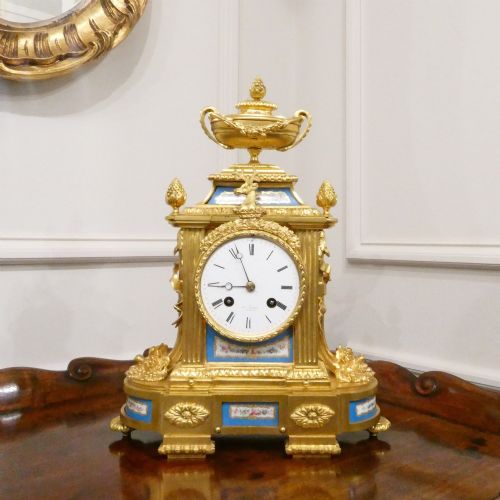
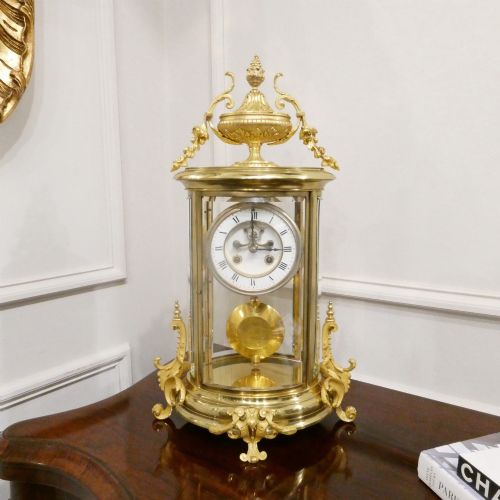
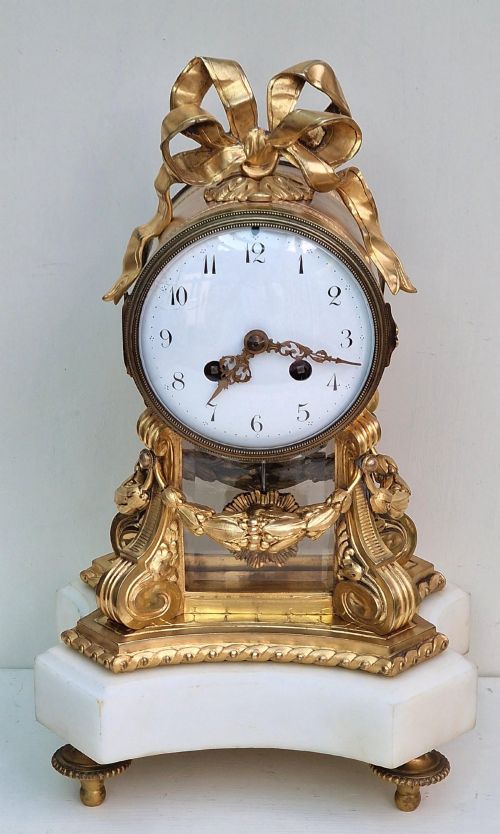
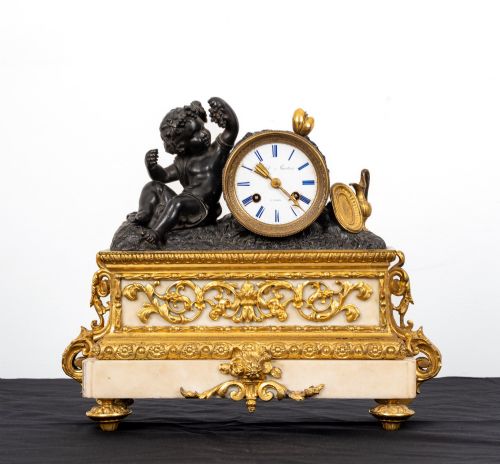
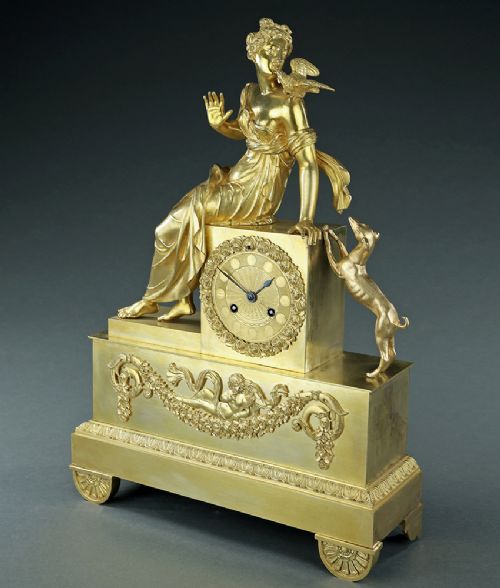
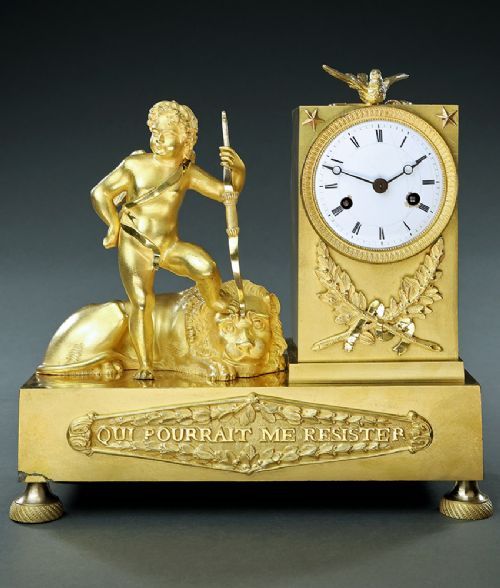
These pieces comprise a french pendulum table clock, combining fine metalwork and intricate dials to anchor a room.
French Pendulum Table Clock
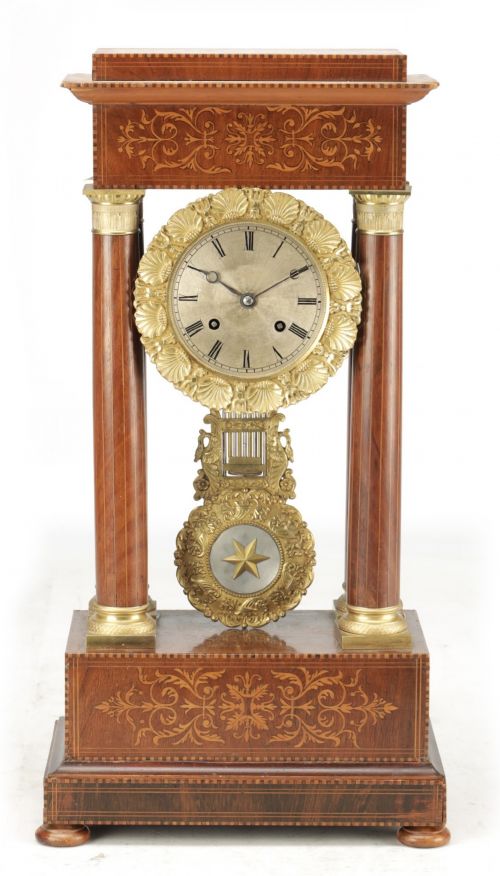
A french pendulum table clock stands as a decorative centrepiece, frequently taking the form of a mantel clock or portico timepiece designed for domestic interiors.
The selections span the nineteenth century, including specific decades such as eighteen eighty and eighteen seventy, alongside Victorian and Edwardian iterations.
Makers and houses like Japy Frères, Samuel Marti, and Henry Marc appear across the entries, often rendered in revival idioms including Louis XVI and French Rococo.
How they were made
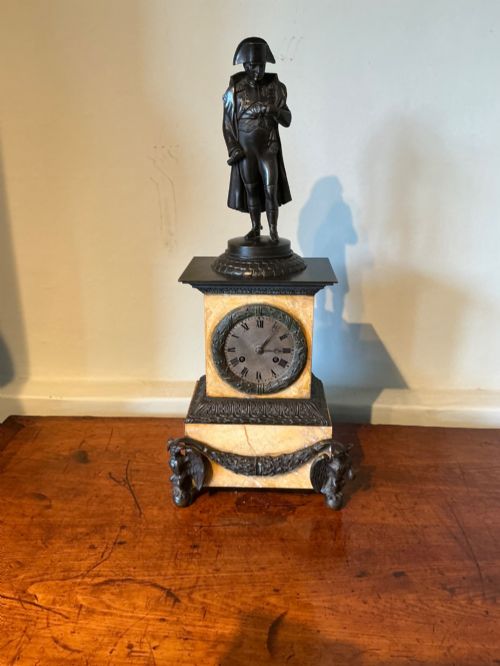
Craftsmen utilised cast metals such as ormolu, gilt bronze, brass, and patinated bronze to build the structural cases and sculptural figures.
Enamel, porcelain panels from Sèvres, and inset marbles including white and block varieties form the decorative faces and body elements.
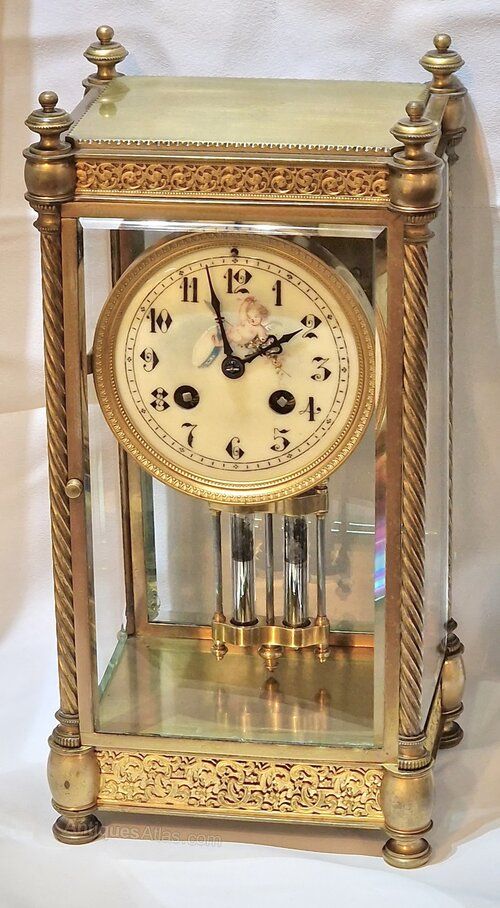
Glazed panels feature heavily in four glass models, allowing internal movements and pendulums to remain visible from multiple angles.
Recorded styles span French Empire, Louis XVI Revival, Napoleon III, and Second Empire aesthetics.
What varies in quality
The refinement of the cast bronze and ormolu details separates standard production from exceptional work, visible in the depth of chased ornamentation.
Painted ceramic components, such as Sèvres porcelain inserts and signed enamel dials, show distinct tiers of artistic execution and preservation.
The complexity of the case architecture, from simple portico frames to elaborate figural allegories like the Triumph of Love, dictates the standing of the object.
Achille Brocot·Henry Marc·Samuel Marti·Japy Frères·Tiffany
The French Pendulum Table Clock Glossary
- Ormolu
- Gilt bronze produced by applying a finely ground high-carat gold mercury amalgam to a bronze base. This technique creates a distinctive warm lustre characteristic of nineteenth-century decorative arts.
- Four glass clock
- A mantel timepiece encased in bevelled glass panels held within a brass or gilt frame. This layout exposes the pendulum and escapement mechanism to light from all sides.
- Portico timepiece
- A clock built within a architectural frame supported by columns. The pendulum typically swings visibly between these upright pillars.
- Garniture
- A set comprising a central clock flanked by matching decorative objects such as vases or candelabra. These matched assemblies created a balanced display on a mantelpiece.
- Sèvres
- Porcelain produced by the French national manufactory, known for hand-painted panels inset into clock cases. These ceramic plaques often depict pastoral scenes or floral motifs.
French Pendulum Table Clock: Frequently Asked Questions
How do I wind the clock?
A key fits into winding squares on the dial face to tension the mainspring barrels.
Care is required not to overwind the mechanism during this process.
What is a garniture set?
A garniture groups a central timepiece with matching side ornaments, such as urns or vases, designed to match the case materials.
Such sets provided a balanced visual arrangement for large nineteenth-century fireplaces.
How do four glass clocks work?
Four glass models use a suspended mercury or brass pendulum housed within a transparent glazed brass cage.
This construction exposes the entire movement to view.
How do I identify the period?
Stylistic indicators such as Rococo scrolls, Empire military bronzes, and Victorian marble blocks point toward specific decades.
Signatures on dials or movements provide further attribution to known makers.