




French Patinated Bronze Sculpture
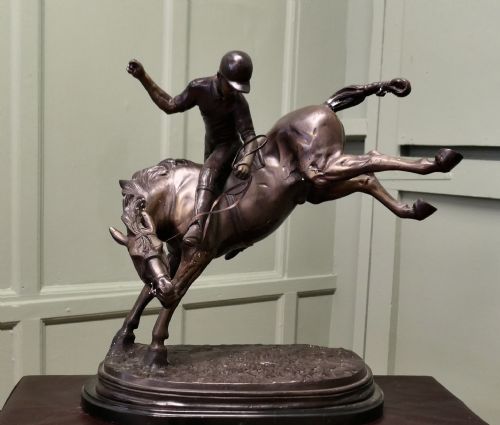
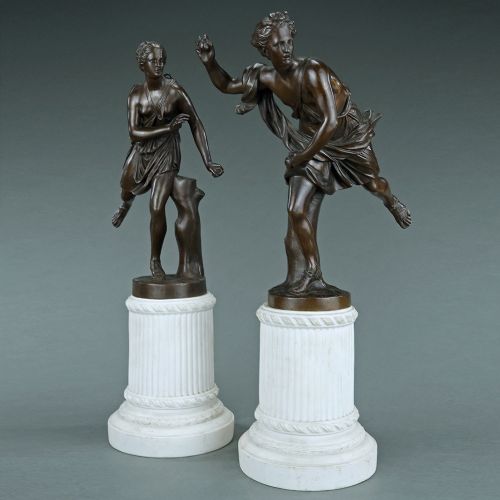
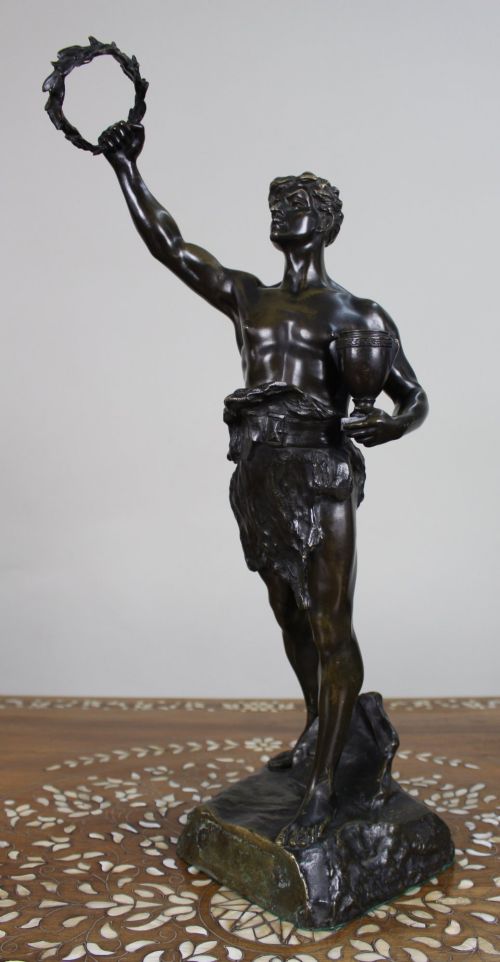
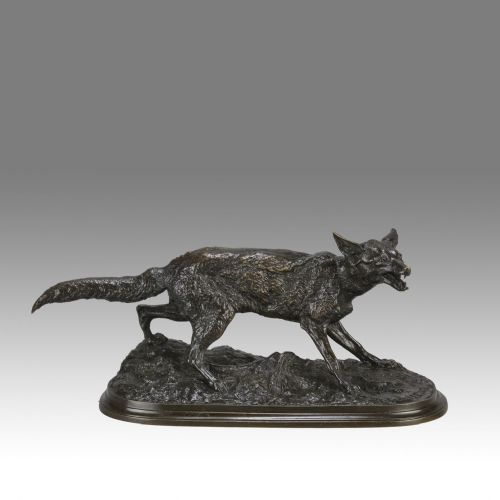
These french patinated bronze sculpture pieces capture classical figures, animalier subjects and elegant human forms cast in rich metallic tones.
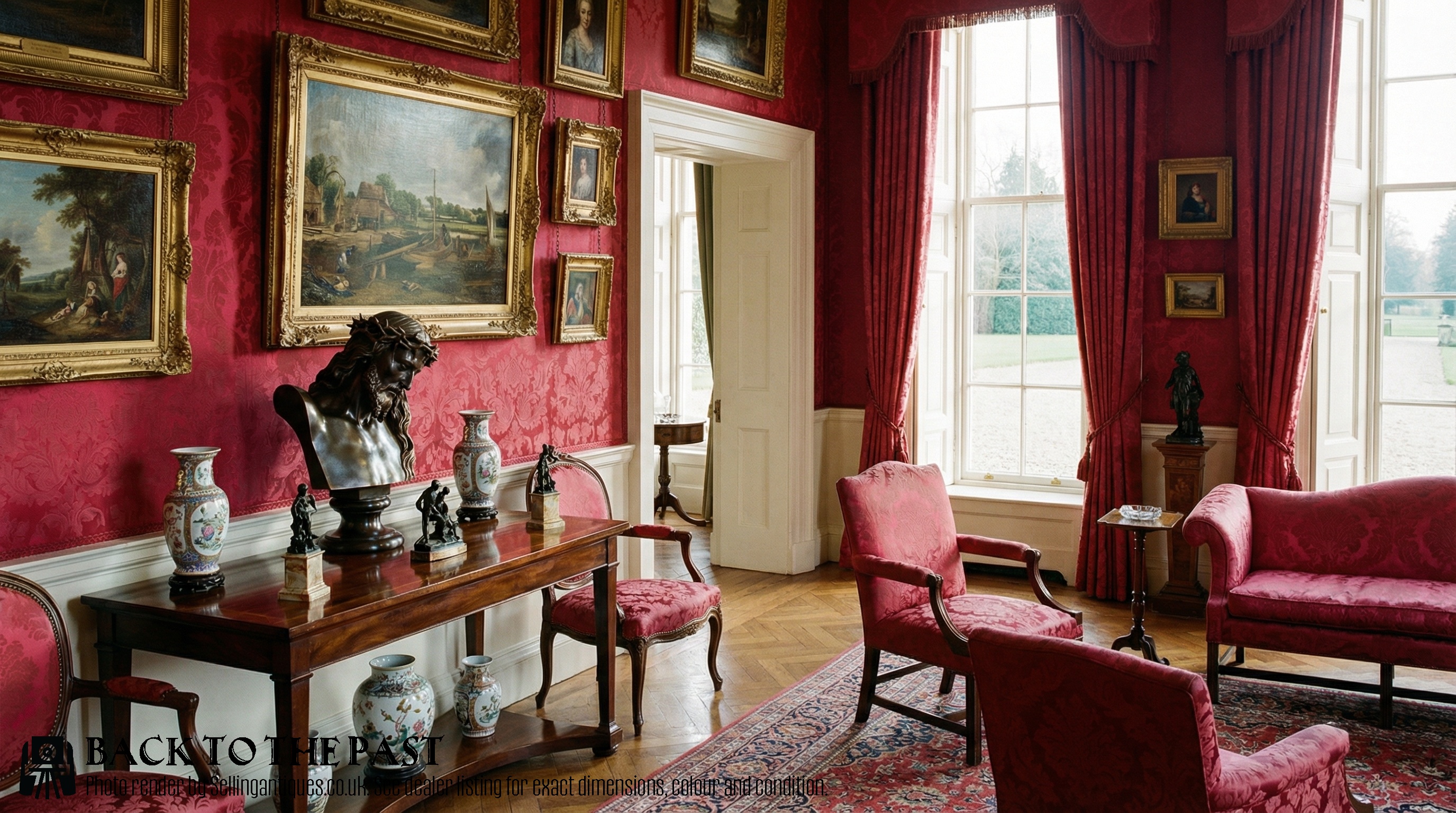
French Patinated Bronze Sculpture
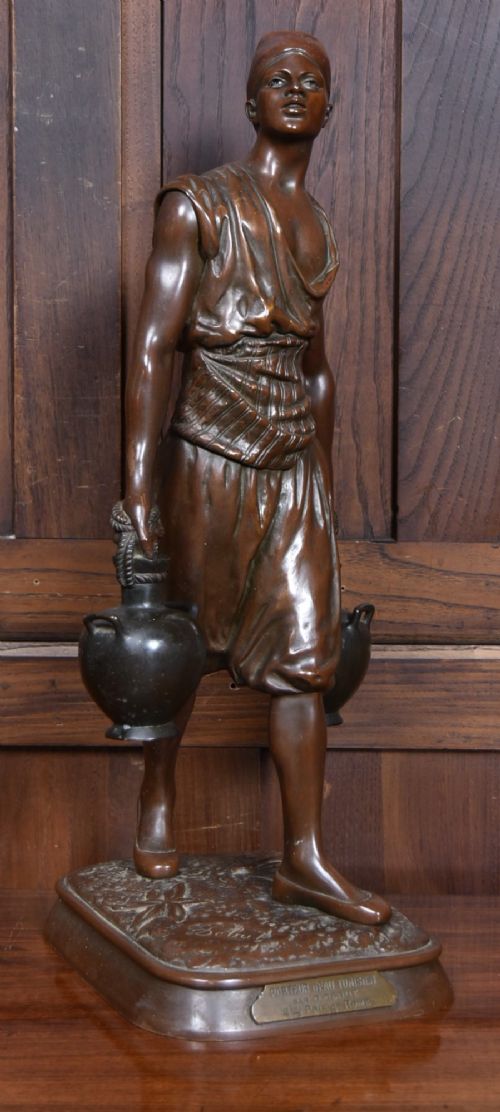
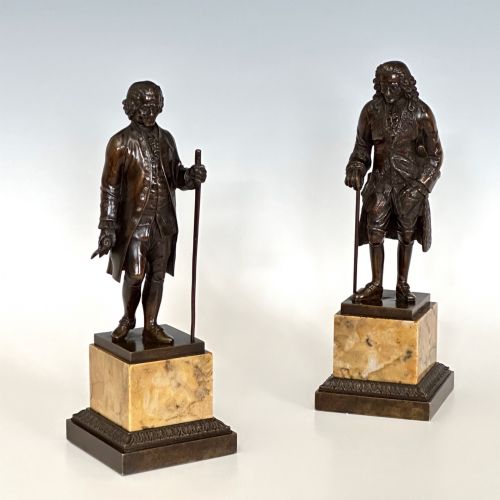
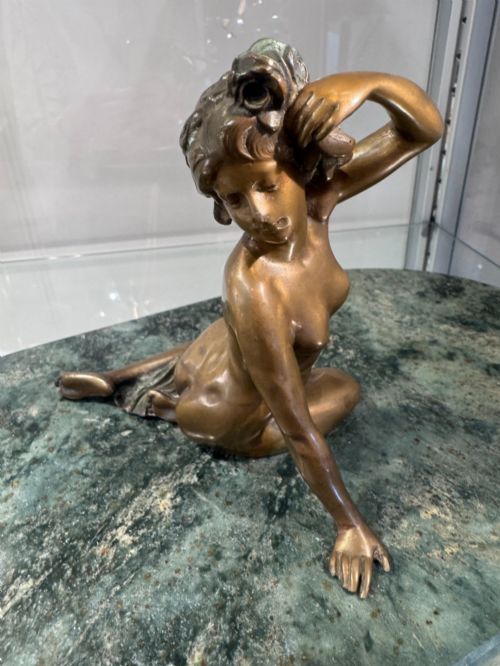
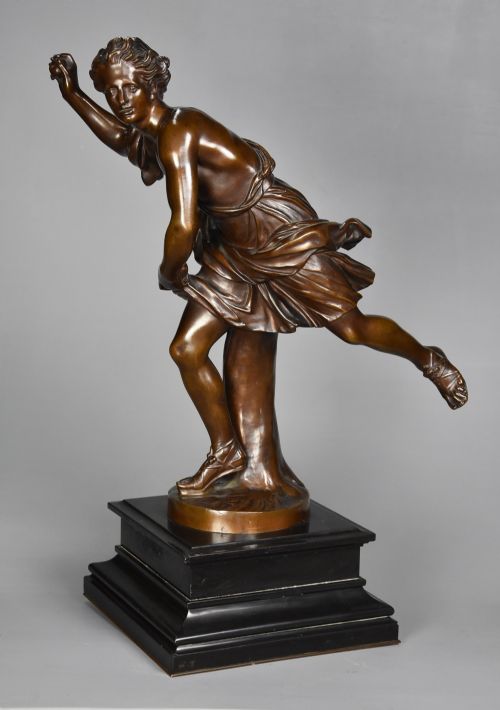
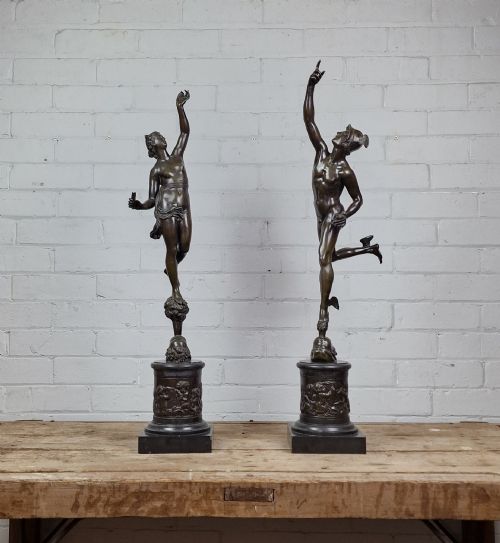
A french patinated bronze sculpture represents a tradition of foundry work spanning the nineteenth and early twentieth centuries, encompassing human figures, mythological subjects, and wildlife. Buyers seeking french patinated bronze sculpture often encounter classical deities, allegorical maidens, and dynamic animalier studies mounted on stone bases.
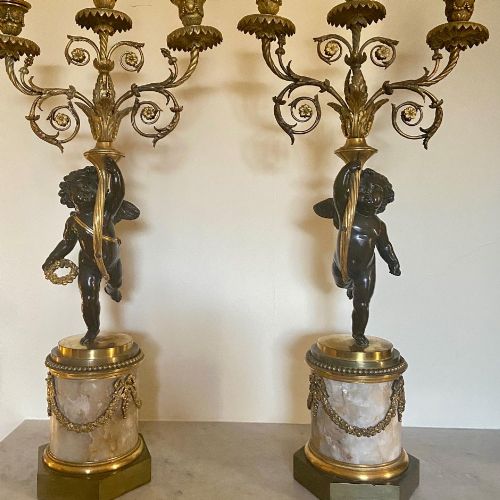
The objects take many forms, including standalone statuettes, mantel clock garnitures, candelabra, and figurative busts. Nineteenth-century examples dominate the field, alongside later Art Nouveau and Art Deco interpretations.
Materials and Casting Techniques
Foundries utilised bronze alloys cast from modelled figures, followed by careful chasing to sharpen details in hair, drapery, and musculature. Artisans applied chemical patination treatments to achieve dark brown, golden, or greenish surface tones.
Many works incorporate supporting plinths of marble, onyx, or ebonised wood, sometimes pairing the cast metal with ormolu mounts or fluorspar sections for contrast.
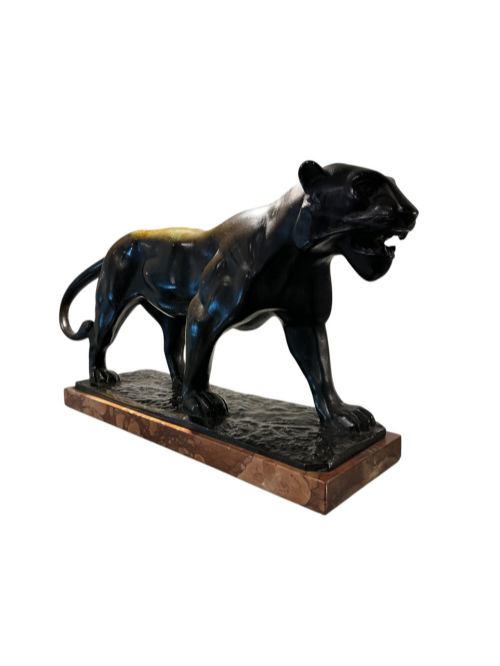
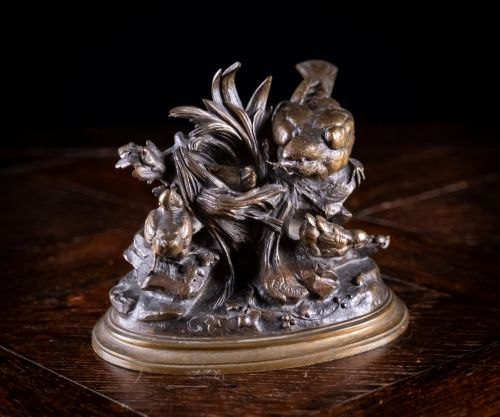
Among the menagerie of patinated hounds and panthers, a watchful bronze frog quietly holds court beneath the ferns.
Distinguishing Quality in Cast Bronze
The choice of base material and the fidelity of the signature or foundry stamp further distinguish standard production pieces from master foundry outputs.
Ferdinand Barbedienne·P J Mêne·Émile Louis Picault·Emmanuel Villanis·Antoine Louis Barye
The French Patinated Bronze Sculpture Glossary
- Patination
- The chemical treatment applied to the metal surface to create colour and tone. This process protects the bronze while giving depth to the sculpture.
- Animalier
- A nineteenth-century artistic genre focusing on realistic depictions of animals. Sculptors in this tradition observed wildlife closely to capture movement and anatomy.
- Chasing
- The hand-tooling of a cast metal surface using hammers and punches. This finishing step removes casting flaws and sharpens fine details.
- Ormolu
- Gilded bronze ornamentation applied to furniture, clocks, and sculptural bases. The technique involves coating metal in a mercury-gold amalgam.
- Spelter
- A zinc alloy frequently used as a substitute for bronze. It appears in historical lamp and figure productions with a bronze-coloured finish.
French Patinated Bronze Sculpture: Frequently Asked Questions
Are marble bases original to these sculptures?
Many nineteenth and twentieth-century figures were cast with integrated metal plinths and later mounted onto shaped marble or onyx bases. These stone additions provide stability and enhance the visual weight of the composition.
Examine the mounting pins underneath to see how the bronze connects to the stone. Variations in mounting style reflect the period preferences of different workshops and foundries.
What does animalier mean in sculpture?
Animalier refers to sculptures depicting animals in naturalistic poses, a style that gained immense popularity in nineteenth-century France. Artists focused on horses, big cats, and hounds caught in motion or repose.
Foundries such as those run by P.J. Mêne and Antoine Louis Barye specialised in these dynamic wildlife studies. Collectors prize them for their anatomical accuracy and expressive energy.
How can I tell bronze from spelter?
Bronze feels heavier and cooler to the touch than spelter, displaying a dense metallic grain if a base scratch reveals the raw metal. Spelter is a softer zinc alloy that often shows lighter grey metal beneath worn areas of patination.
Sculptures cast in spelter generally feature less crisp detail in the chasing compared to quality bronze works. Many nineteenth-century lamp figures and decorative ornaments utilised spelter as an economical alternative.