




French Pastoral Scene Art
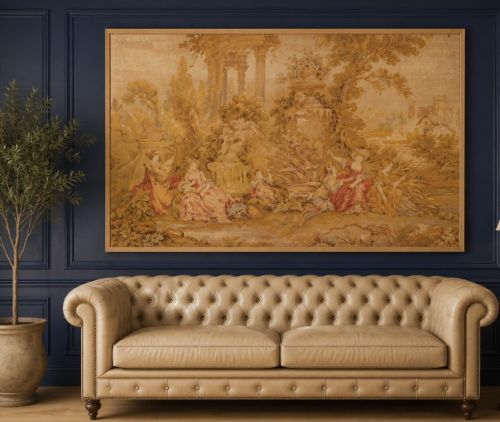
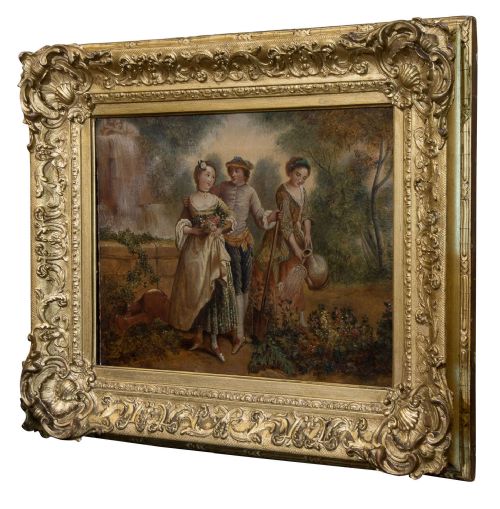
French pastoral scene art captures idyllic rural life through oil paintings and tapestries that bring rustic charm to interiors.
French Pastoral Scene Art
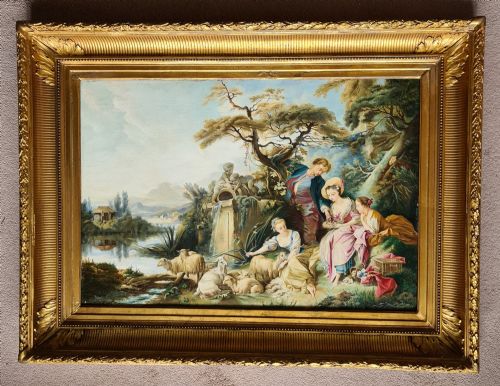
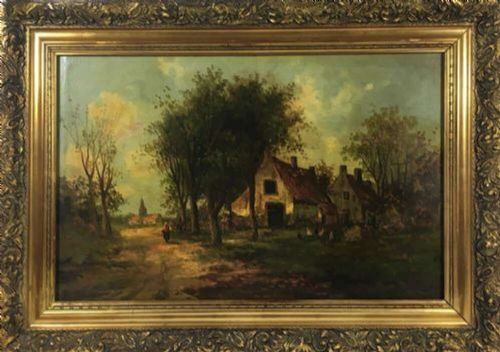
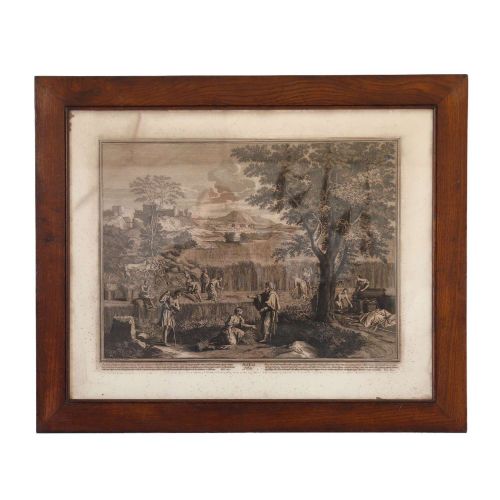
French pastoral scene art represents country life, rural landscapes, agricultural labour, and courtly interpretations of shepherd themes. These works typically depict figures resting by streams, tending cattle, or gathering hay in rolling countryside settings.
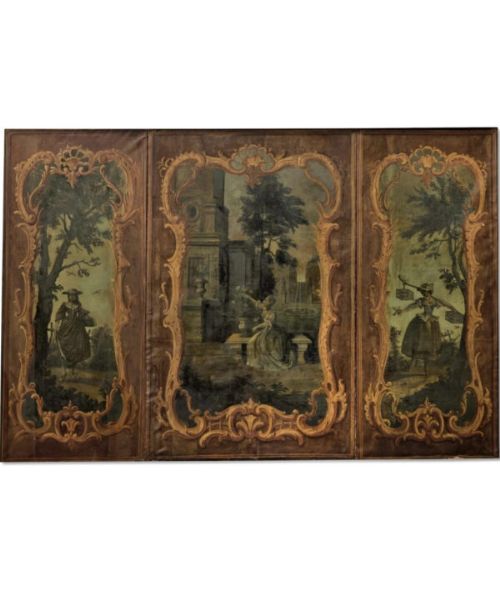
The most common formats on this page include oil on canvas paintings and large wall tapestries originating from France. Pieces range from small miniature paintings to grand triptychs and room-sized Aubusson weaves.
The objects span multiple centuries, with significant representation from the eighteenth and nineteenth centuries. Stylistic influences include French Rococo, the Barbizon School, and Baroque Classicism.
Assessing Quality and Execution
Quality rests upon the handling of light, shadow, and atmospheric depth within the landscape. Superior works demonstrate accomplished brushwork in oil or precise tension and colour blending in woven textiles.
Provenance and attribution elevate certain pieces, particularly those referencing established artists or schools like Boucher or the Barbizon painters. The preservation of original canvas grounds, pigments, and weave integrity also dictates standing.
Goats and cattle frequently interrupt romantic conversations in these pastoral fields.
Francois Boucher·Charles Zacharie Landelle·Jean-baptiste Joseph Pater·Eugene Battaille·Henri Joseph Harpignies
The French Pastoral Scene Art Glossary
- Verdure tapestry
- A wall hanging featuring a predominant lush green landscape design of foliage, trees, and often animals. These textiles frequently served as decorative wall insulation in period interiors.
- Barbizon School
- A nineteenth-century French art movement dedicated to naturalistic landscape painting. Artists painted directly from nature, focusing on rural farmyards and forests.
- Aubusson
- A town in France renowned for producing hand-woven tapestries and carpets. Pieces from this origin utilise specific weaving techniques established over centuries.
- Rococo
- An ornate artistic style characterised by lightness, curves, and decorative scrollwork. In pastoral scenes, it translates to playful, romantic depictions of courtly shepherds.
French Pastoral Scene Art: Frequently Asked Questions
What is French pastoral scene art?
French pastoral scene art encompasses paintings and tapestries depicting rural landscapes, agricultural life, and idealized country scenes created by French artists and workshops.
These works range from intimate miniature paintings to large-scale oil canvases and woven wall panels designed to evoke the tranquility of the countryside.
Where were these tapestries hung?
Large tapestries and wall panels hung in chateaux, country houses, and formal reception rooms to provide both decoration and insulation against cold stone walls.
Smaller panels and framed paintings adorned intimate salons, private studies, and drawing rooms during the eighteenth and nineteenth centuries.
How do I date an oil painting?
Dating relies on stylistic clues, canvas preparation, stretcher frame construction, and signatures or historical attribution records associated with the artist.
Nineteenth-century works often show distinct Barbizon or academic influences, whereas earlier eighteenth-century pieces reflect Rococo sensibilities and classical pastoral themes.
How do I care for a tapestry?
Tapestries require protection from direct sunlight to prevent fading of the wool and silk fibres over time.
Regular, gentle dusting with a soft brush helps maintain the textile without damaging the historic weave.