
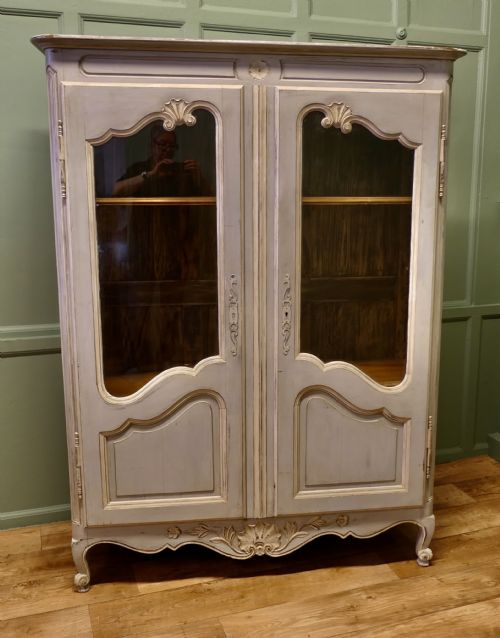
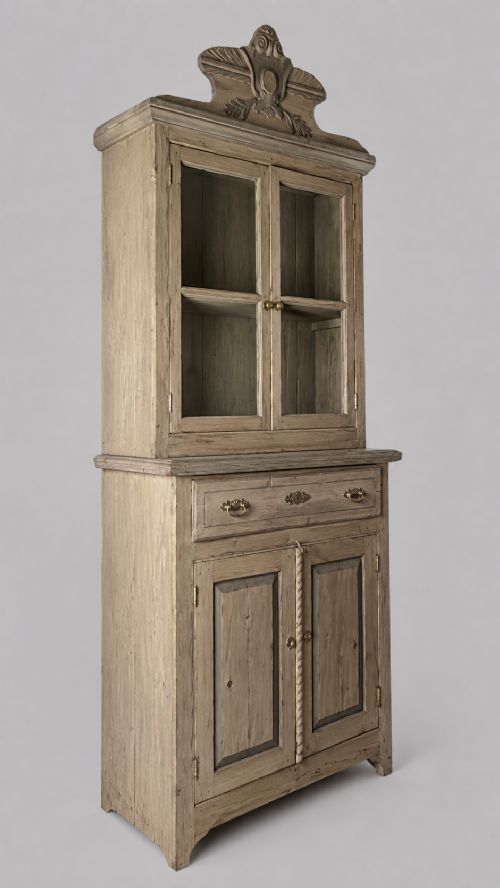
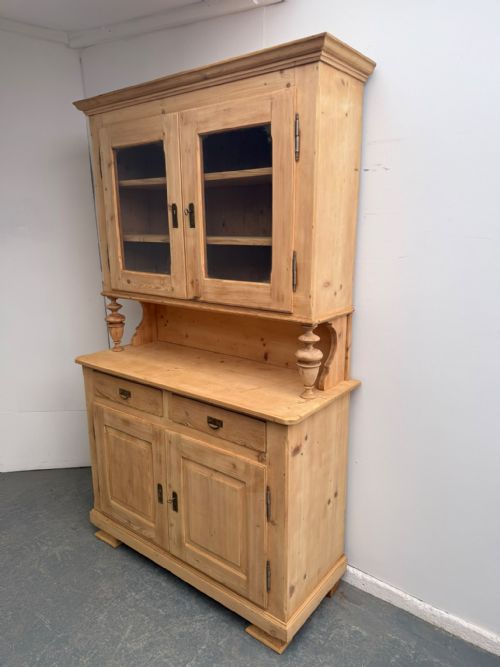
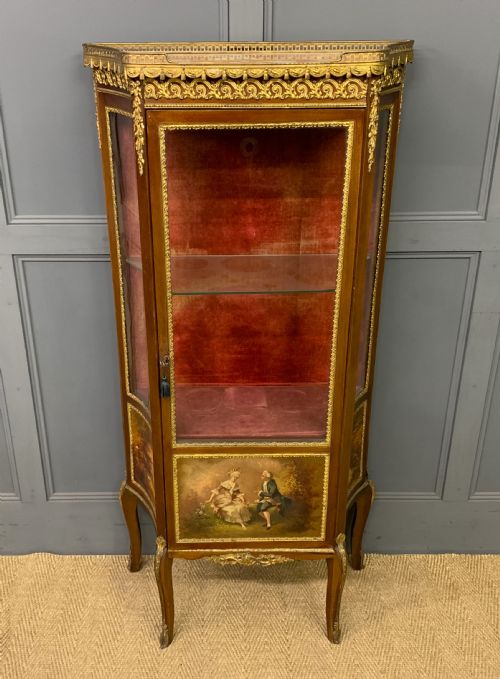


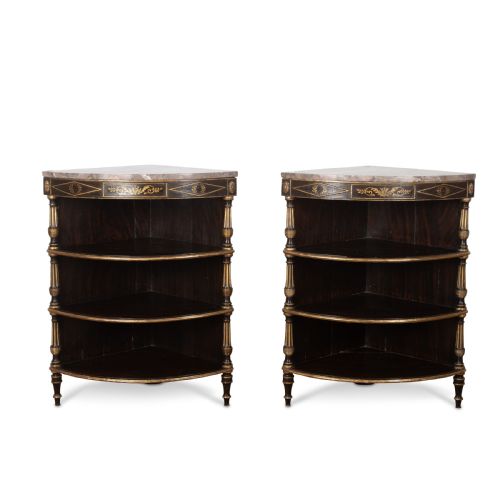

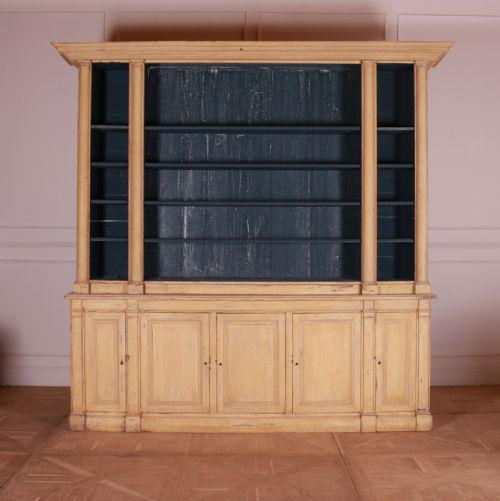

French Painted Display Cupboard
These French painted display cupboard pieces bring glazed storage and regional character to a room, offering a practical way to showcase collections.
French Painted Display Cupboard
A French painted display cupboard serves as a glazed cabinet for showing glassware, books, or ceramics while keeping dust away behind glass panels. When you search for a French painted display cupboard, you encounter various formats ranging from tall vitrines and bookcases to wall-hanging cabinets and corner units.
The pieces on this page span the nineteenth century, the Victorian era, the Edwardian period, and the early twentieth century, including styles such as French Provincial, Louis XV revival, and country house pieces.
Most examples rely on painted wood finishes, incorporating pine, mahogany, or rosewood, alongside decorative details like brass mounts and glazed doors.
Materials and construction
Wood construction forms the structural core of these cabinets, utilising solid timbers like pine and mahogany, sometimes paired with decorative elements such as satinwood inlay or ormolu mounts.
Painted surfaces define the aesthetic, featuring distressed finishes, original paintwork, or vernis martin panels, while glass panels and occasional velvet linings complete the interior display areas.
Object types seen across the inventory include glazed cupboards, kitchen dressers, corner cabinets, and breakfront side cabinets.
Distinctions in quality
Quality in a French painted display cupboard rests on the integrity of the timber framing and the skill of the original or decorative paint application, separating standard utility pieces from finer salon cabinets.
Hardware execution, such as cast ormolu mounts and functional brass door furniture, marks the difference between basic regional workshop items and high-status revival furniture.
The French Painted Display Cupboard Glossary
- Vitrine
- A glass-fronted cabinet designed specifically for displaying fine objects or porcelain. These pieces often feature glazed sides as well as doors to maximise ambient light.
- Vernis Martin
- A type of simulated Japanese varnish developed by the Martin brothers in eighteenth-century France, later imitated on nineteenth-century furniture. It involves layered translucent varnishes over painted scenes.
- Ormolu
- Gilded bronze mounts applied to furniture for decorative effect. This technique was widely utilised during the eighteenth century and revived in later nineteenth-century pieces.
- Breakfront
- A cabinet design where the central section projects forward from the flanking sections. This architectural arrangement adds depth and visual rhythm to larger sideboards and bookcases.
- Dresser
- A piece of furniture incorporating shelving or cupboards for storing and displaying kitchenware or provisions. In regional pieces, the upper glazed section sits above a base cabinet or surface.
French Painted Display Cupboard: Frequently Asked Questions
Where should I place a display cupboard?
These cabinets work well in dining rooms, living spaces, or hallways where glassware and decorative items benefit from protection and visibility.
Ensure the floor is level and keep the timber away from direct heat sources to protect the painted surfaces and joinery.
How do I clean the glass and painted wood?
Dust the painted exterior gently with a dry, soft cloth, avoiding abrasive cleaning agents that could damage the finish.
Use a mild glass cleaner applied to a cloth rather than sprayed directly onto the glass, preventing moisture from reaching the wood frame.
Can these cabinets support heavy books?
Shelving capacity depends on the internal construction and whether the piece was designed as a bookcase or a lighter vitrine for porcelain.
Check the thickness of the internal wooden shelves and distribute weight evenly to prevent sagging over time.
How do I identify nineteenth-century styles?
Look at the decorative vocabulary, such as Louis XV revival curves, vernis martin panels, or simpler country pine construction.
Construction methods like hand-cut joints and older fixings help differentiate period pieces from later reproductions.