



Painted Wood Display Bookcase
A painted wood display bookcase combines open or glazed shelving with decorative surface finishes, offering a practical way to store volumes while displaying treasured objects.
Painted Wood Display Bookcase
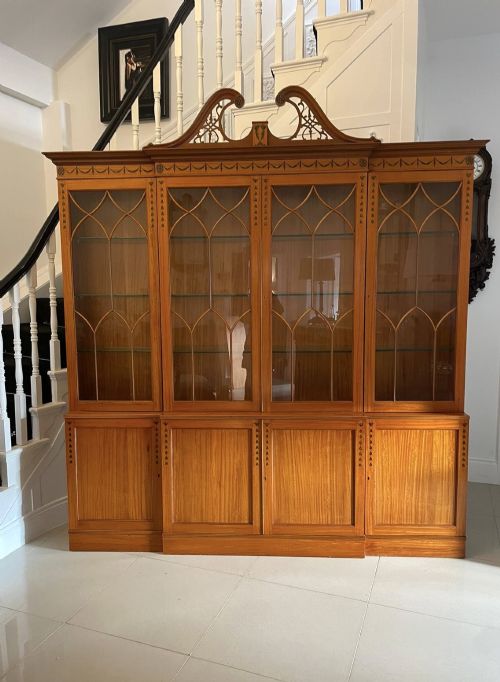
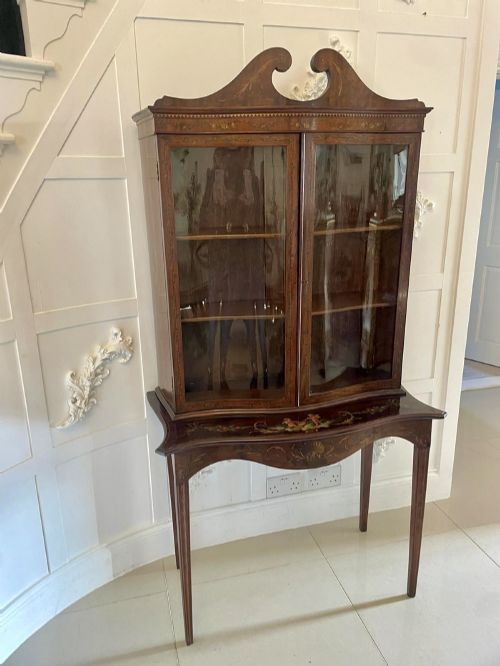
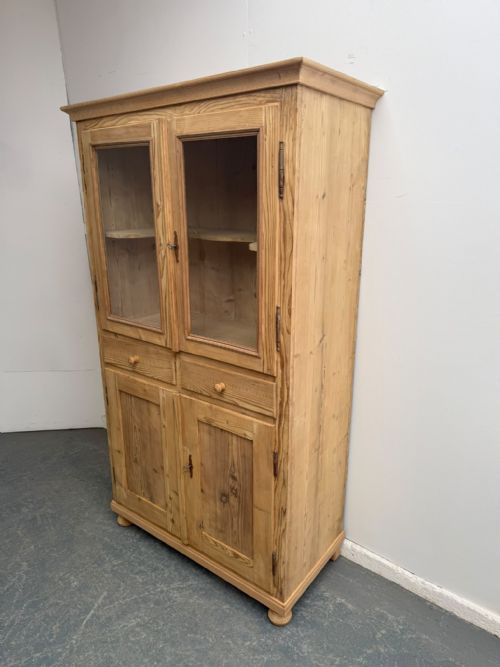
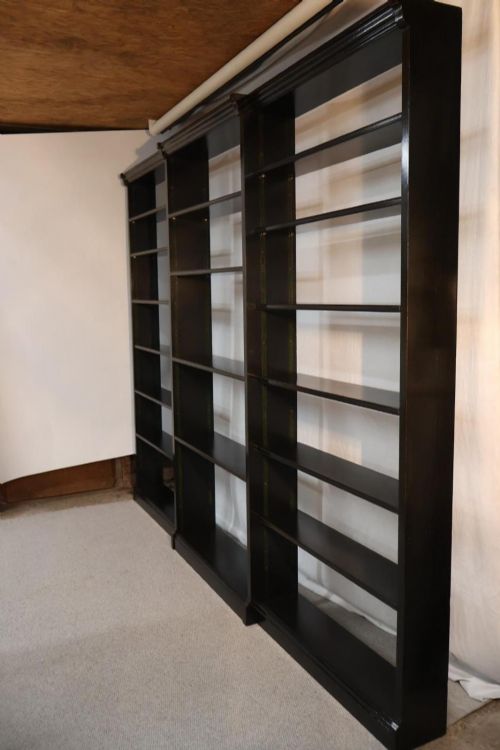
A painted wood display bookcase is a hybrid piece of furniture designed for both holding literature and exhibiting ornamental objects behind glass or upon open shelves. The selections here range from expansive breakfront library cases to compact corner cabinets and wall-mounted shelves.
The materials and styles span multiple periods, featuring Victorian and Edwardian examples alongside Regency, Georgian, and eighteenth-century origins. Woods such as mahogany, satinwood, pine, and rosewood serve as the foundational structures beneath various painted, grained, and decorated finishes.
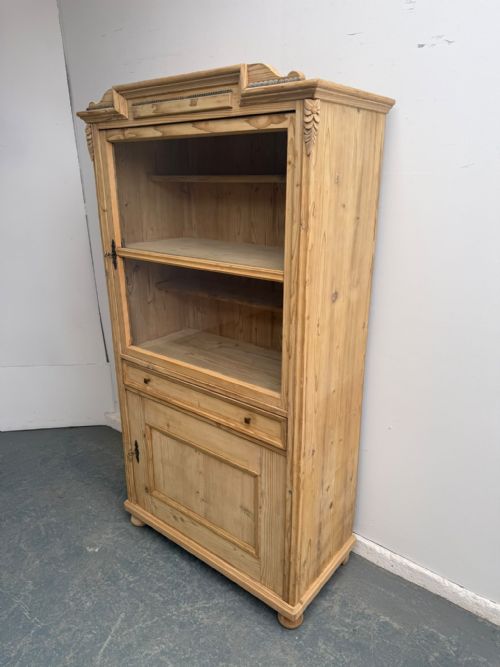
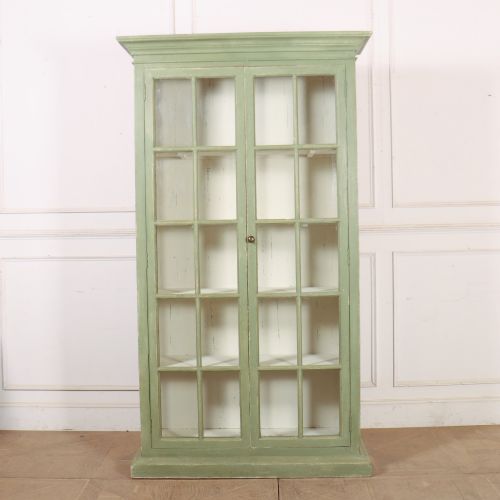
Formats include glazed double-door cabinets, open bookshelves, and side cabinets with painted decoration. Many pieces originate from English and French workshops, utilising regional cabinet-making traditions from the nineteenth century and earlier.
How they were made
Construction relies upon traditional timber framing in woods like mahogany, satinwood, pine, and rosewood. Joinery supports the weight of heavy book collections and glass doors, while backboards stabilise the vertical structures.
Surfaces receive specific treatments ranging from plain paint and black or cream finishes to simulated rosewood graining and parcel gilt details. Glazing is integrated via timber bars to protect the contents while maintaining visibility.
School libraries and French provincial workshops both contributed to the variety of painted timber and glass cabinets found here.
What varies in quality
The refinement of the painted decoration distinguishes simpler utility furniture from elaborate architectural pieces. Original decorative schemes, whether floral motifs or simulated wood graining, carry more distinction than later overpainting.
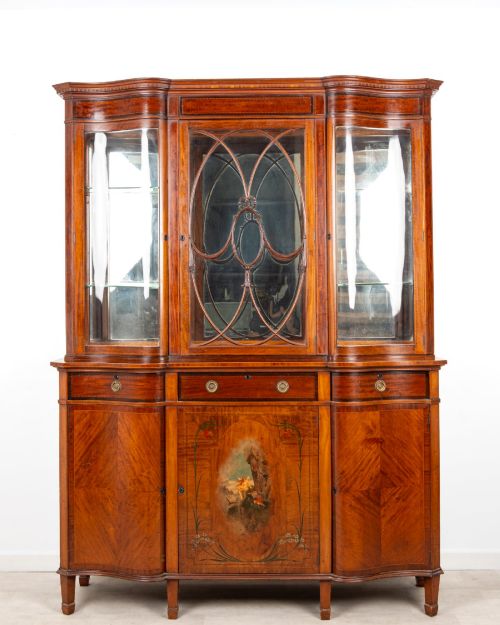
Cabinetwork complexity alters the character of the piece, as seen in breakfront facades, serpentine fronts, and fine satinwood inlay. The integration of curved glass or intricate astragal glazing bars further separates standard workshop output from finer craftsmanship.
The Painted Wood Display Bookcase Glossary
- Astral glazing
- Glass panes divided into small sections by thin wooden bars within a cabinet door. This method provides structural stability and a decorative grid pattern.
- Breakfront
- A cabinet design where the central section projects forward from the flanking wings. This layout creates depth and architectural presence in larger bookcases.
- Vitrine
- A glass-fronted display cabinet intended for showing porcelain, curiosities, or fine bindings. These pieces frequently feature glazed sides to maximise light exposure.
- Simulated paint
- A decorative surface treatment mimicking expensive timbers like rosewood or mahogany through specialised brushwork. This technique achieved an opulent appearance using more accessible woods.
- Parcel gilt
- A surface decoration technique where specific carved or raised details are highlighted with gold leaf. It contrasts against a painted or dark wood ground.
Painted Wood Display Bookcase: Frequently Asked Questions
What is a painted wood display bookcase used for?
These cabinets serve a dual purpose by storing volumes on shelves while exhibiting decorative objects behind glass doors. They keep collections dust-free while remaining visible within a room.
Larger breakfront examples anchor a principal reception room, whereas smaller corner cabinets and wall shelves fit into compact spaces.
How do I care for painted and glazed furniture?
Painted surfaces require dusting with a soft, dry cloth and protection from direct sunlight to prevent fading. Moisture should be avoided to preserve the integrity of the finish.
Glass panels benefit from standard glass cleaner applied to a cloth rather than sprayed directly onto the timber or painted frame.
How can I tell the period of a bookcase?
Dating relies upon stylistic markers such as Victorian proportions, Edwardian satinwood inlay, or Regency graining. Construction methods and timber choices also indicate the era of manufacture.
Comparing the hardware, glass type, and decorative motifs against documented historical examples confirms the likely period.
Are these bookcases suitable for modern homes?
The variety of sizes, from floor-standing library units to slim corner cabinets, allows these pieces to integrate into contemporary domestic layouts. Neutral painted finishes and natural wood tones complement diverse interior colour schemes.
Adjustable shelving found in certain period pieces accommodates modern book sizes and display items easily.