
French Ormolu Desk Clock
A french ormolu desk clock brings gilt bronze splendour and precise timekeeping to a study or bureau.
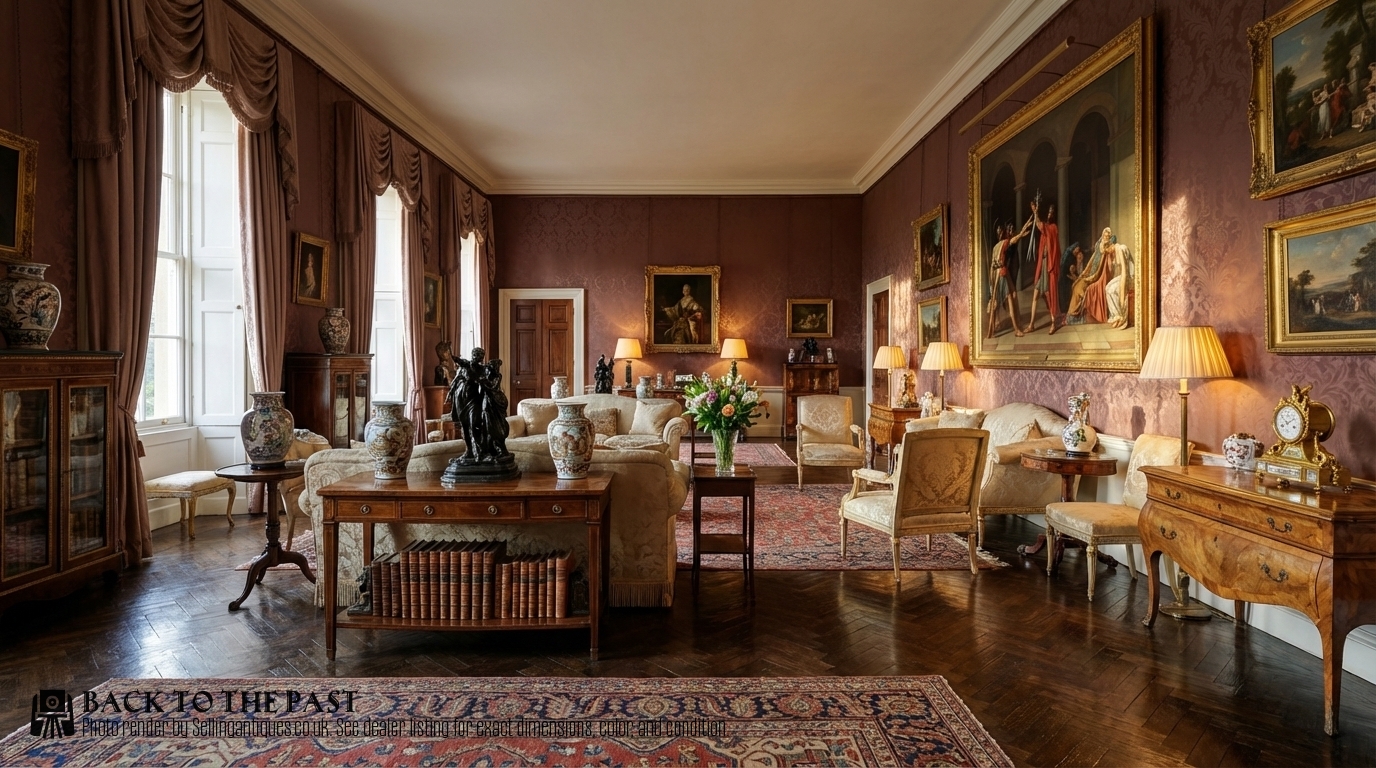
French Ormolu Desk Clock
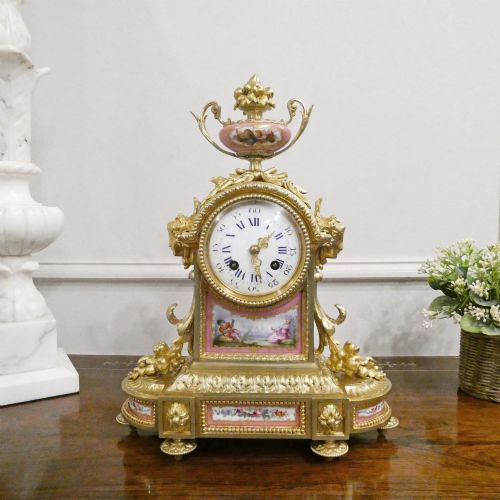
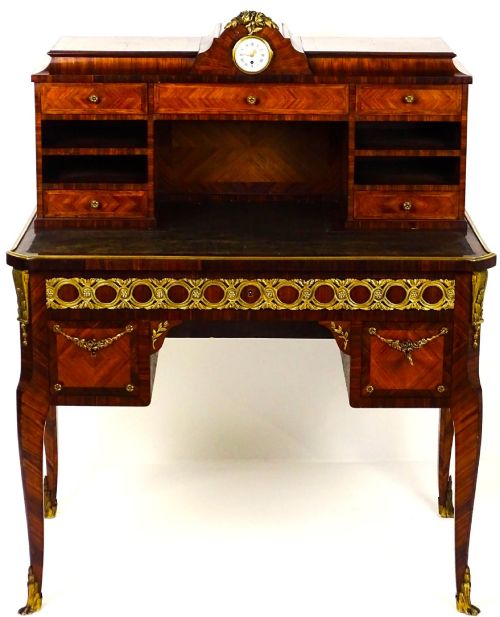
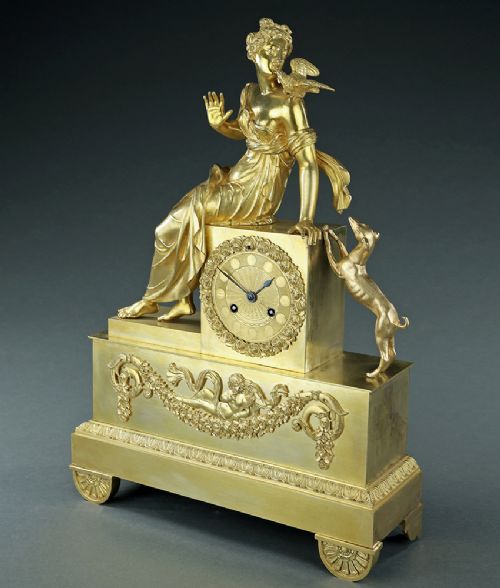
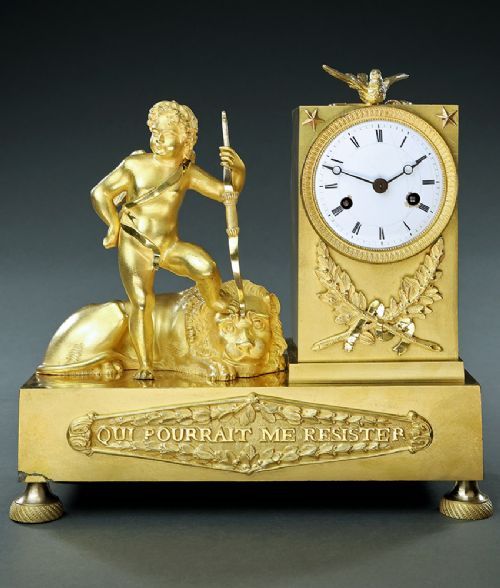
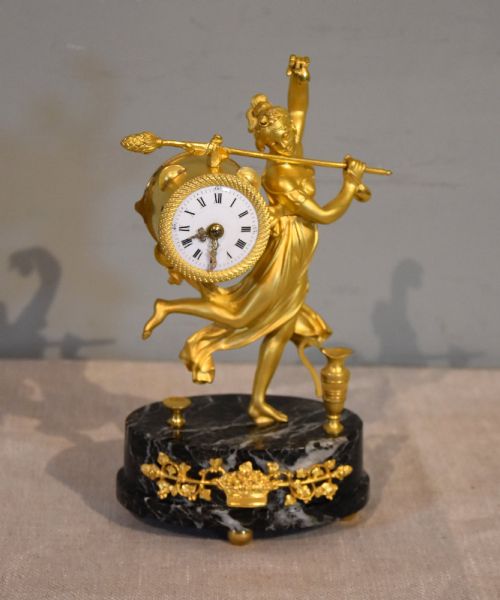
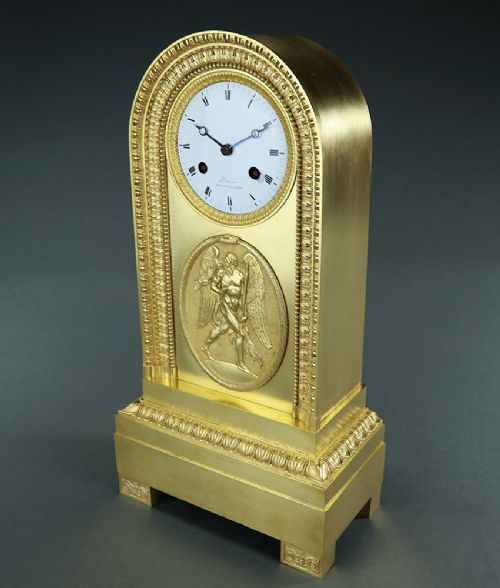
A french ormolu desk clock combines cast bronze mounts with gilded finishes to create decorative timepieces designed for surfaces in a study or drawing room. Buyers search for this phrase to find intricate works originating from nineteenth century workshops across France.
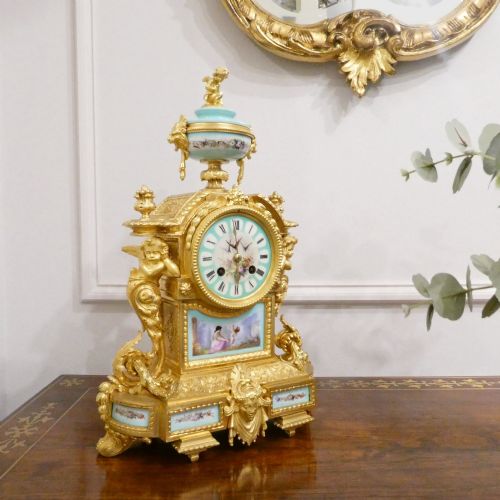
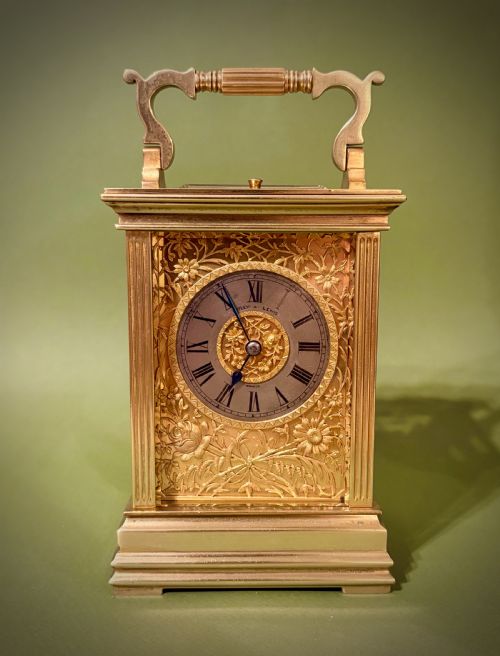
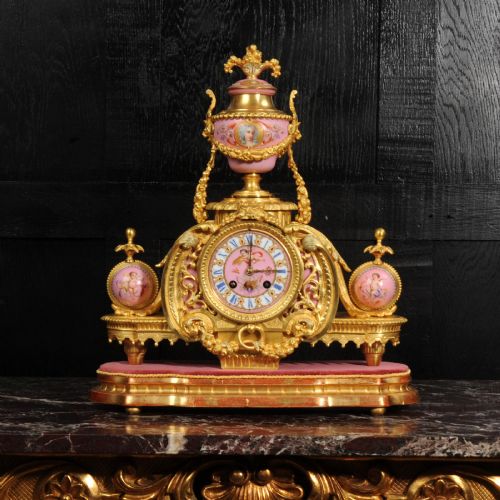
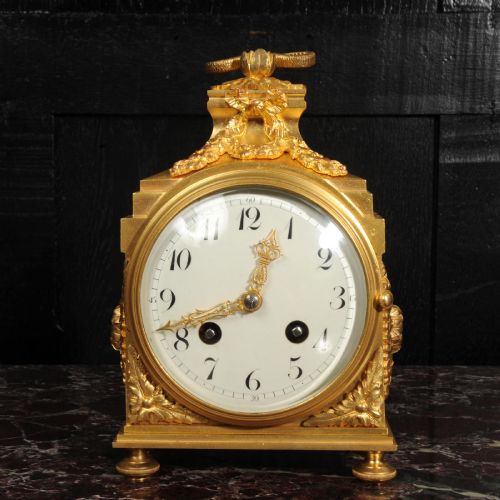
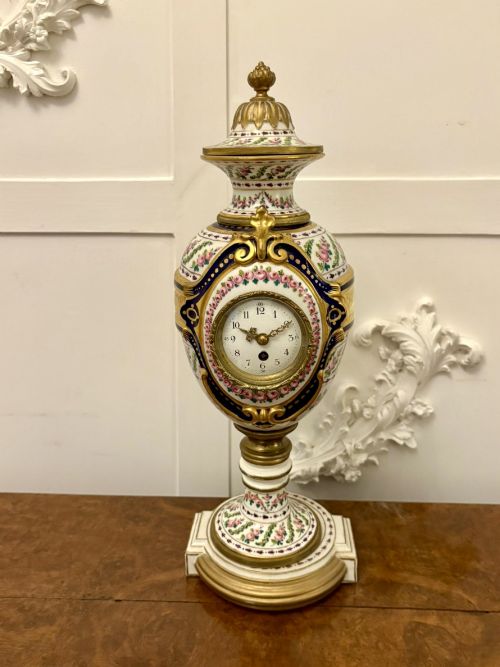
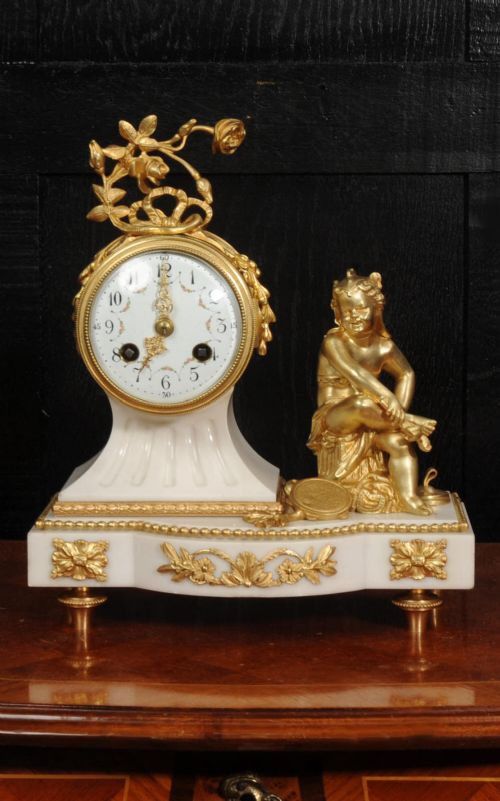
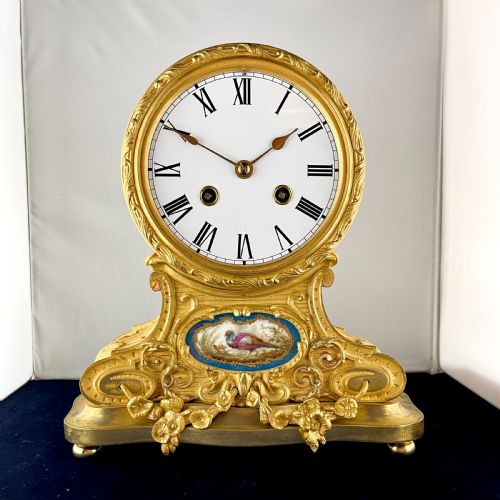
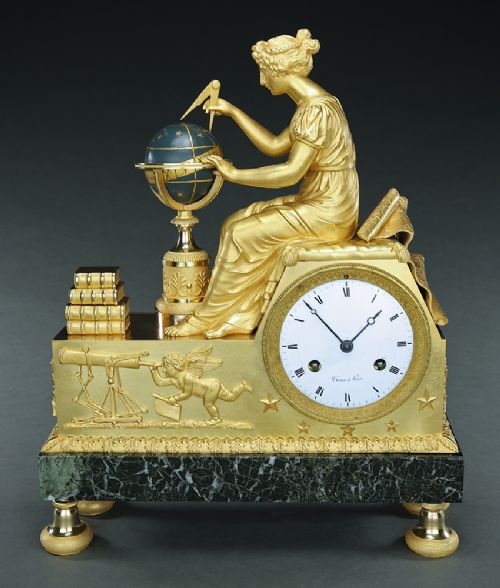
The pieces appearing on this page span several decades, notably drawing from Victorian, Regency, and earlier nineteenth century periods. Forms range from classical mantel models and drumhead designs to urn shaped timepieces and figural compositions.
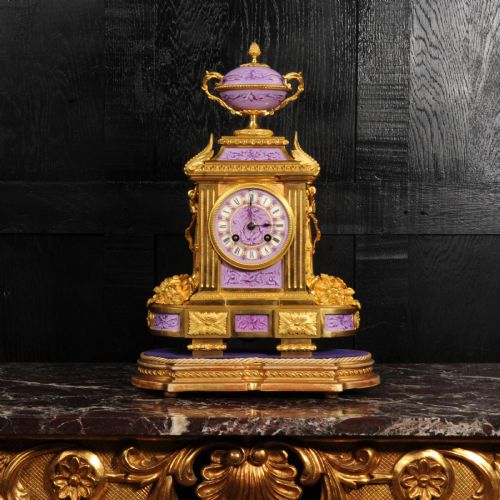
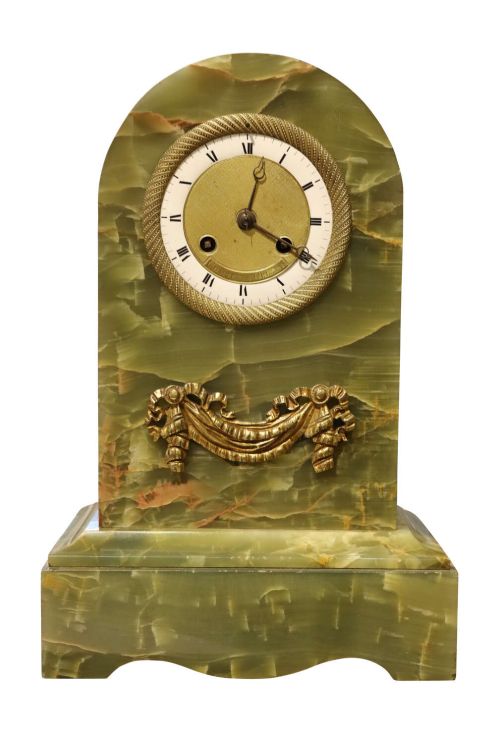
Makers integrated various materials alongside the characteristic gilt metal, incorporating marble, porcelain, glass, and enamel into the bodies of the clocks. These varied designs reflect historical revivals, including Louis XVI and Rococo styles.
How they were made
Craftsmen produced these timepieces by casting bronze or brass before applying a fine layer of gold amalgam through traditional fire gilding techniques or subsequent electroplating. This created the distinctive ormolu surface that defined high quality decorative metalwork.
Clockmakers housed mechanical movements within cases constructed from marble, mahogany, kingwood, or tortoiseshell, often embellishing the assemblies with hand painted porcelain plaques and champlevé enamel details.
A bronze elephant bears the weight of time on its back, doubling as an exotic nineteenth century mantel clock.
What varies in quality
The precision and crispness of the bronze casting determine the initial visual merit of a piece, separating sharp, hand chased detailing from softer, mass produced contours. Superior examples retain the depth and definition intended by the original designers.
The integration of the movement within the housing and the reputation of the horologist significantly influence the standing of a clock. Signed dials and movements from established makers demonstrate a higher grade of mechanical execution.
Achille Brocot·Japy Freres·Charles à Orléans·Paul Sormani·Reiche·Canaillor of Paris·Le Roy Paris·Louis Goret·Viner London
The French Ormolu Desk Clock Glossary
- Ormolu
- Gilded bronze achieved by applying a mercury and gold mixture to a cast bronze base, then heating to vaporise the mercury. This technique produced the rich golden finish seen on nineteenth century French clock cases.
- Champlevé
- An enamelling technique where troughs are dug into the surface of a metal object and filled with vitreous enamel powder before firing. The resulting coloured patterns decorate the bezels and mounts of sophisticated clocks.
- Pendule d'Officier
- A portable military style French mantel or desk clock usually fitted with a platform escapement. These compact timepieces were originally designed for travelling officers.
- Garantie
- A stamp or mark found on nineteenth century French clock movements indicating production standards. It frequently appears alongside maker signatures on the backplate.
French Ormolu Desk Clock: Frequently Asked Questions
How do I wind an antique French clock?
Most mechanical French timepieces require a key inserted into the dial arbours to tension the spring barrels. Turn the key gently until resistance is felt, avoiding overwinding to protect the internal components.
Ensure you follow the specific rotation direction required for either the time train or the strike train. Regular winding maintains steady tension and keeps the movement running accurately.
Why does my clock run fast or slow?
Mechanical clocks are sensitive to temperature changes, surface levelness, and the condition of their suspension springs. Adjusting the small regulating square on the dial or pendulum helps correct minor timing deviations.
If a clock loses significant time consistently, the escapement may require professional adjustment or cleaning. Old lubricants thicken over time and restrict the smooth oscillation of the pendulum or balance wheel.
How should I clean ormolu mounts?
Ormolu surfaces require gentle dusting with a soft, dry brush to prevent the accumulation of dirt within the chased crevices. Avoid using abrasive metal polishes or chemical cleaners that can strip the delicate gold layer.
Persistent grime can be addressed using a slightly damp cloth with mild soap, followed by immediate drying. Preserving the original gilding protects both the appearance and the historical integrity of the piece.
Where should I place a desk clock?
Position these timepieces on stable, level surfaces away from direct sunlight, radiators, and draughty windows. Wood expansion caused by temperature fluctuations can destabilise both the wooden cases and internal movements.
Desks, mantelpieces, and side tables provide ideal settings where the decorative bronze and porcelain elements remain visible. Stability is essential because vibrations from heavy foot traffic can disrupt the beat of the pendulum.