






French Officer Clock
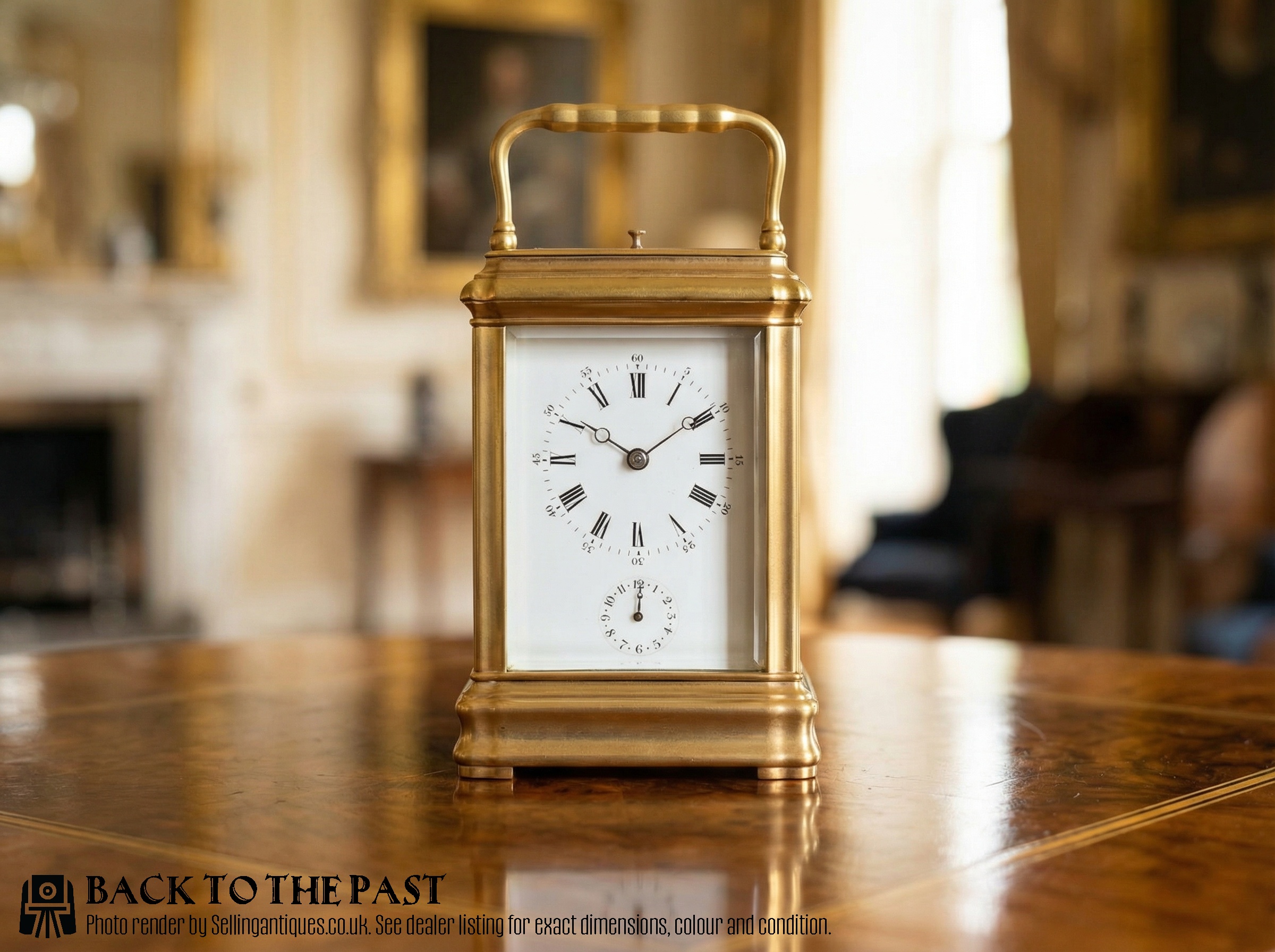
A french officer clock is a portable timepiece born for travel, combining precision mechanics with robust metal and glass cases.
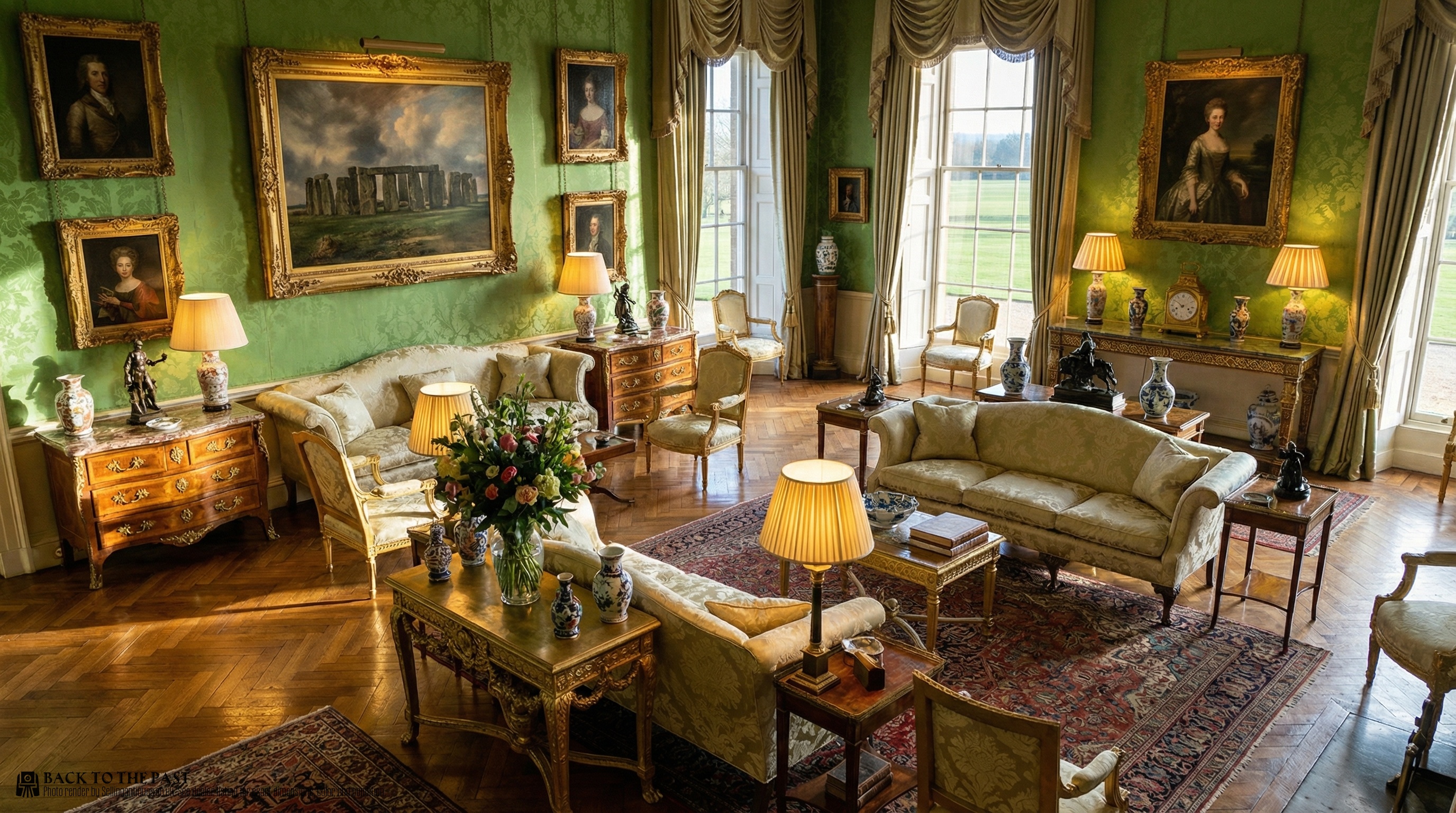
French Officer Clock
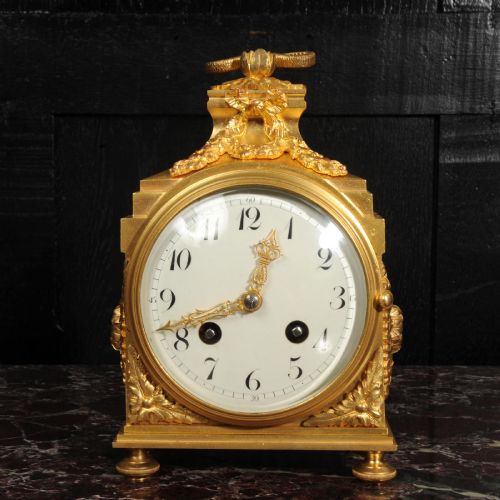
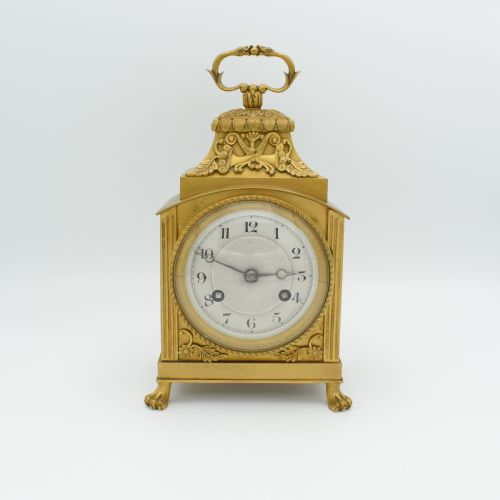
A french officer clock encompasses robust portable timepieces designed for travel, originating in the nineteenth century and spanning periods from eighteen hundred onwards. Buyers seeking a french officer clock commonly encounter carriage clocks and mantel clocks featuring distinct architectural or gorge cases.
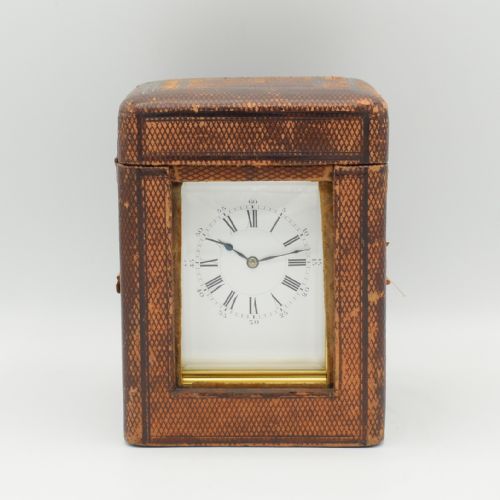
Makers such as Henri Jacot, Drocourt, and Paul Garnier shaped the category, producing pieces that combine striking mechanisms with glass panels. These objects merge military utility with refined domestic horology, frequently accompanied by original travel cases.
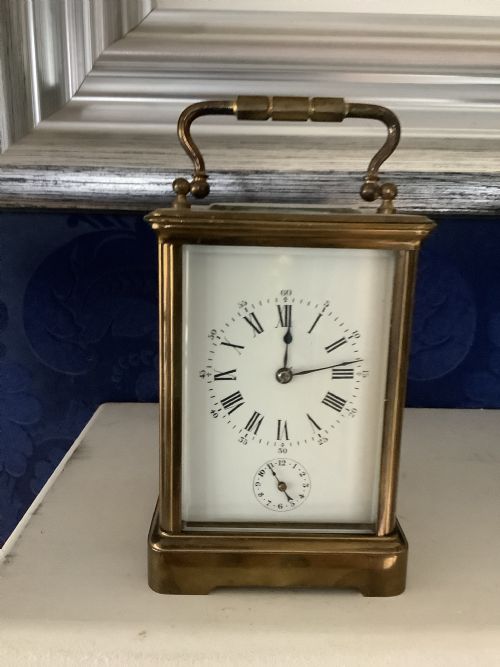
The selection ranges from simple brass timepieces to complex grande sonnerie models with alarms and calendars. Pieces span multiple decades of French manufacture, reflecting changing aesthetic preferences from the empire period through the late nineteenth century.
Evaluating quality and execution
The sophistication of the movement dictates the standing of the piece, moving from simple time-only mechanisms to complex grande sonnerie and alarm complications. Maker attribution to notable Parisian workshops like Drocourt or Henri Jacot elevates the horological interest.
The execution of the gilt brass or ormolu case and the crispness of dial enamel reveal the hand of the maker. Complete survival of matching leather travel cases alongside the clock adds considerable weight to the piece.
French Officer Clock Retail Price Guide 2026
Typical asking prices for french officer clock among the pieces listed under this phrase on Sellingantiques today, from the lower quarter to the upper quarter. They describe what is for sale here now, not the wider market.
Listings feature movements dating from eighteen hundred through nineteen hundred, executed in brass, ormolu, and gilt bronze.
Henri Jacot·C. Detouche Paris·J. F. Bautte Et Cie·Leroy Paris·Le Roy et Fils à Paris·Bourdin Paris·Drocourt·E.J.Dent·Paul Garnier·J.W.BENSON·Joseph Soldano
The French Officer Clock Glossary
- Gorge case
- A stepped brass or gilt carriage clock case style featuring concave mouldings. It represents a standard housing for finer nineteenth-century French examples.
- Grande sonnerie
- A striking mechanism that chimes both the hours and the quarters automatically on every quarter hour. It is a complex complication found in higher-grade timepieces.
- Pendule d'officier
- A military-style mantel or carriage clock traditionally associated with campaign use. These pieces often feature swinging handles and robust protective top mouldings.
- Escapement
- The mechanism within the clock that controls the release of power from the gear train to the balance wheel. Visible escapements through glass panels are sought after by collectors.
- Repeating mechanism
- A complication activated by a button or cord that repeats the last struck hour and quarters on demand. This allows the time to be checked in darkness.
French Officer Clock: Frequently Asked Questions
What is a french officer clock?
A french officer clock is a portable mechanical timepiece enclosed in brass and glass, originally built for travel during the nineteenth century.
These pieces combine robust construction with precise movements, often featuring handles for transport and protective leather outer cases.
How do I tell different periods apart?
Earlier nineteenth-century examples often display classical proportions and simpler gilt brass frames, while later Victorian pieces frequently incorporate elaborate gorge cases and complications.
Maker signatures and registration numbers stamped on the backplate help anchor the manufacturing decade more precisely.
How were these clocks used?
Officers and travellers carried these timepieces on campaigns and journeys to maintain reliable schedules away from stationary furniture.
They sat in tents or temporary quarters, secured in fitted leather cases designed to absorb the shocks of travel.
How do I care for my clock?
Keep the movement away from direct sunlight and extreme temperature fluctuations that affect brass and oil viscosity. Regular professional servicing ensures the gear trains and escapements function smoothly.
Handle the piece using the fixed handle rather than the glass sides, and wind the spring gently without forcing.