
French Oak Drawers
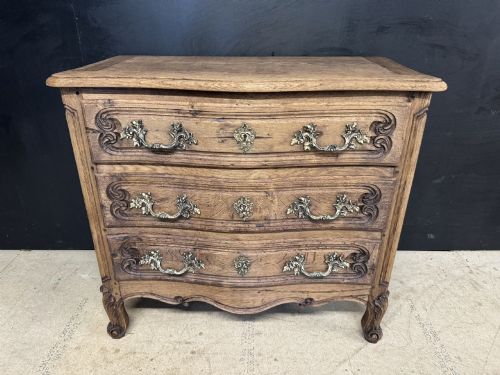
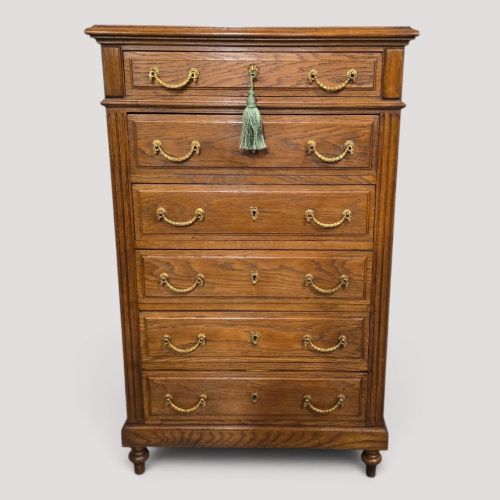
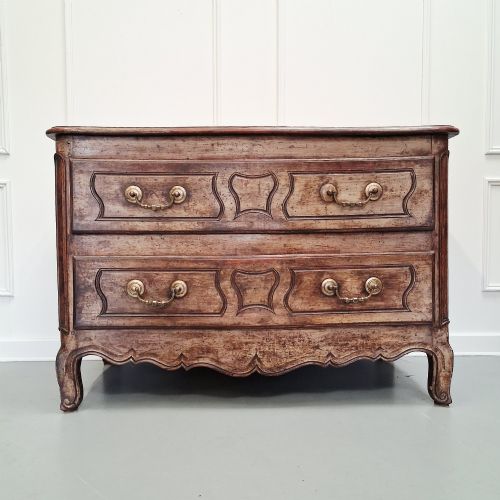
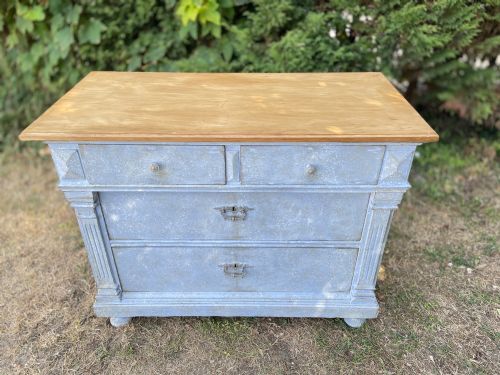
When hunting for french oak drawers, you are looking at sturdy continental storage pieces ranging from provincial country chests to refined commodes.
French Oak Drawers
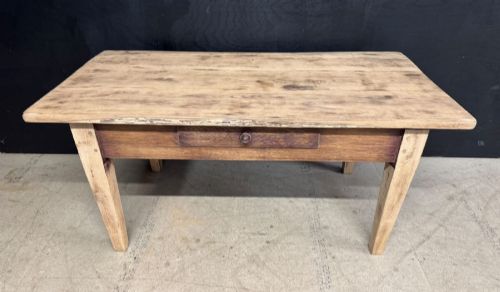
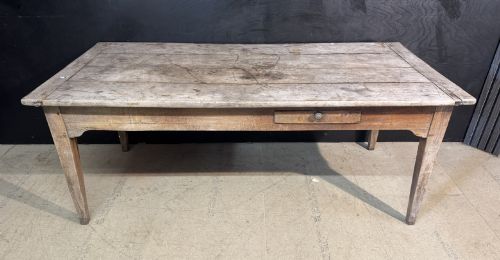
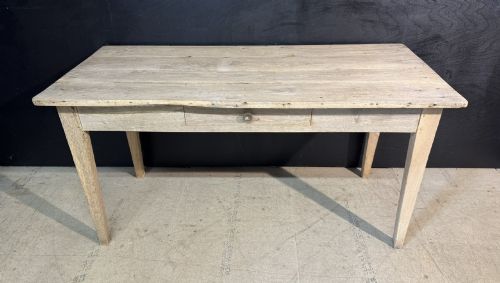
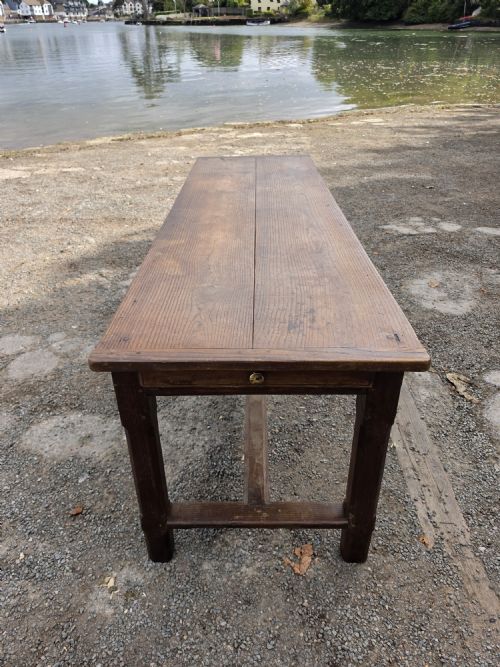
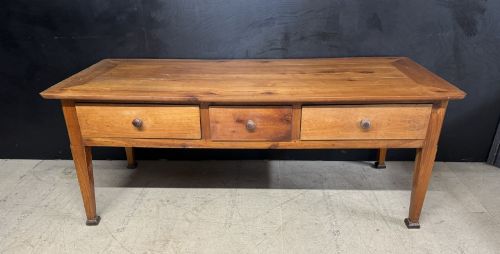
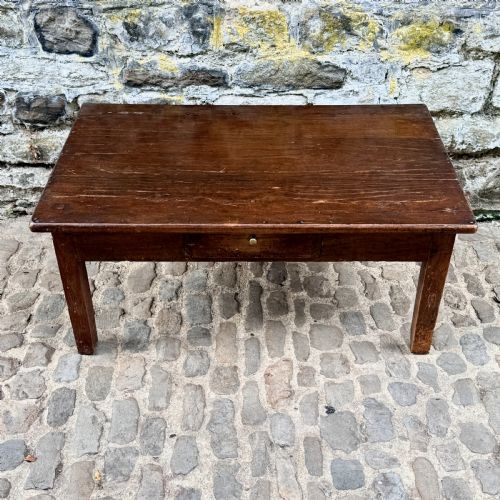
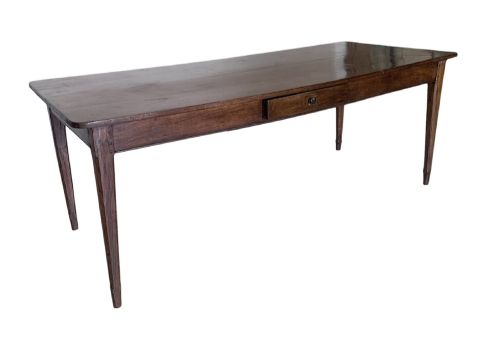
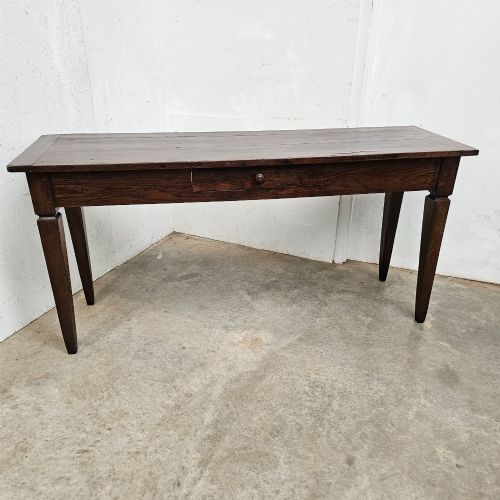
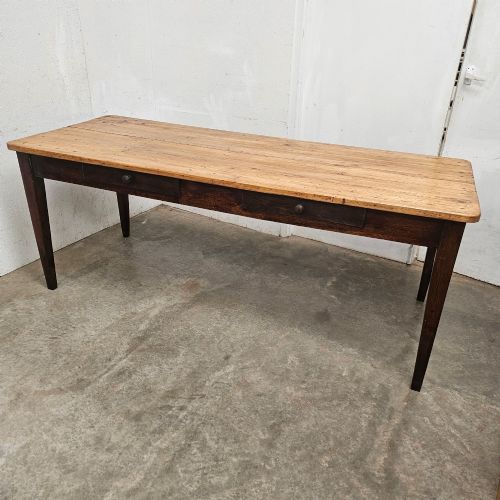
The pieces on this page draw from distinct eras, stretching from eighteenth-century examples up to twentieth-century iterations. Alongside dedicated chests, the inventory includes dining tables and farmhouse tables equipped with functional storage drawers.
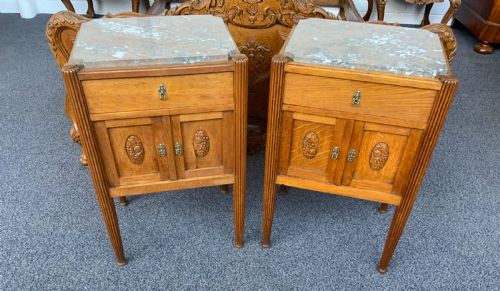
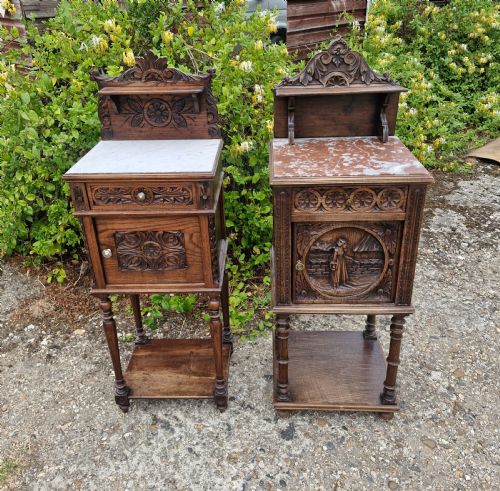
Regional styles dictate much of the variety, showing influences from rustic farmhouse traditions to Louis XV, Gustavian, and Art Deco designs. Buyers frequently discover items featuring marble tops, carved details, or integrated writing slides.
What varies in quality
The standard of craftsmanship separates standard utility furniture from finer artistic examples. Superior pieces display intricate hand-carved ornamentation, elegant serpentine or bombe contours, and sophisticated parquetry work.
Materials also influence the perceived grade of an item, particularly the inclusion of fitted marble slabs on top surfaces or substantial brass hardware. Original patination and the survival of period finishes contribute significantly to the overall standing of a piece.
Some provincial tables hide drawers in unexpected aprons, ready to catch stray cutlery.
The French Oak Drawers Glossary
- Commode
- A low French chest of drawers or cabinet designed for domestic storage. These pieces often feature decorative hardware and shaped fronts.
- Bombe
- A swelling, convex shape characteristic of certain eighteenth-century furniture forms. This curved profile requires advanced woodworking skill to execute properly.
- Serpentine
- A furniture front featuring a concave centre flanked by convex ends, creating a flowing wave effect. It represents a refined regional design choice.
- Parquetry
- Geometric wood inlay work forming patterned surfaces on tabletops or drawer fronts. Artisans utilise contrasting timber tones to create visual depth.
- Wellington chest
- A tall, narrow chest of drawers secured by a hinged locking side flap. This form provides secure storage with a compact footprint.
French Oak Drawers: Frequently Asked Questions
How do I date a french oak chest?
Dating relies heavily on construction methods, hardware types, and prevailing regional styles. Earlier eighteenth-century pieces often display hand-cut joinery and organic curves, whereas later nineteenth and twentieth-century items incorporate standardised elements.
Examining the drawer linings, backboards, and fastener types offers further clues regarding the manufacturing era. Comparing the decorative motifs to documented regional periods helps narrow down the decade of creation.
What is a commode compared to a chest of drawers?
In historical terms, a commode refers specifically to a low, elegant French cabinet with drawers intended for formal rooms. Standard chests of drawers often denote taller, more utilitarian storage units.
Many antique examples blur these distinctions through elaborate carvings, marble tops, and serpentine shaping. Both terms appear frequently when describing continental oak storage furniture.
Are marble tops original to these chests?
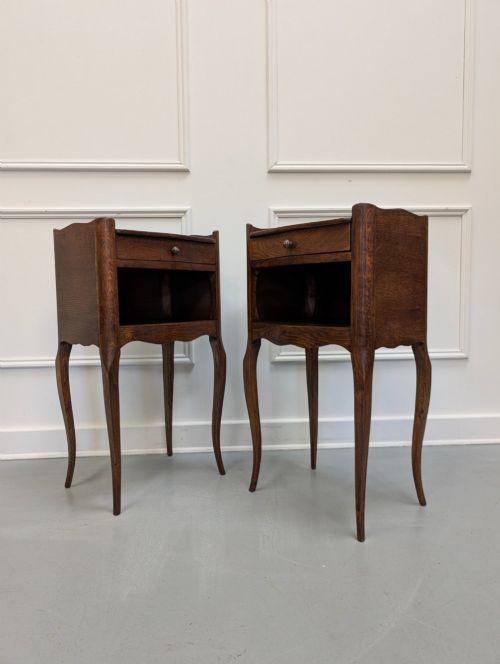
Many nineteenth and twentieth-century French commodes and bedside cabinets feature fitted marble tops as a standard luxury finish. These stone slabs provided a durable, wipe-clean surface for washing accessories or daily items.
Assessing the fit against the wooden frame helps determine if the marble belongs to the piece historically. Various colours of marble appear across different eras and regional workshops.
How do I care for antique oak furniture?
Maintaining antique oak requires consistent indoor humidity levels to prevent the solid timber from splitting or warping. Gentle dusting with a dry cloth preserves the historical finish without stripping natural oils.
Avoiding direct sunlight and placement near heat sources protects both the wood and any applied wax or bleached treatments. Occasional application of suitable wax nourishes the grain over time.