


French Neoclassical Plant Stand
A french neoclassical plant stand brings classical proportion and refined display to a room, uniting marble, mahogany and gilt bronze in functional sculpture.
French Neoclassical Plant Stand
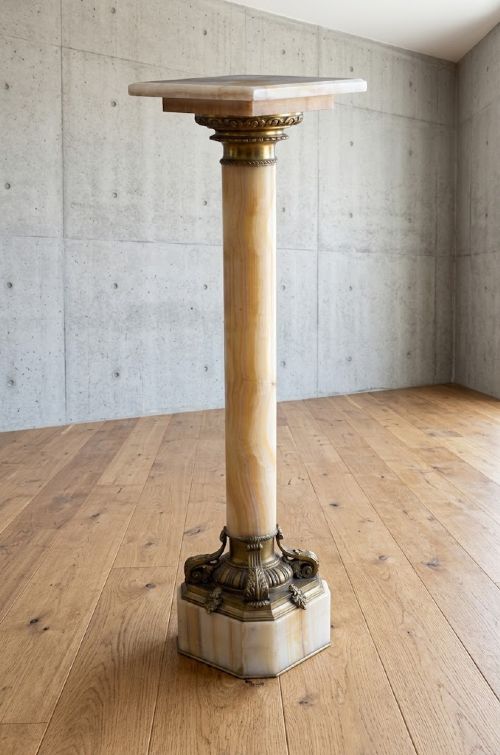
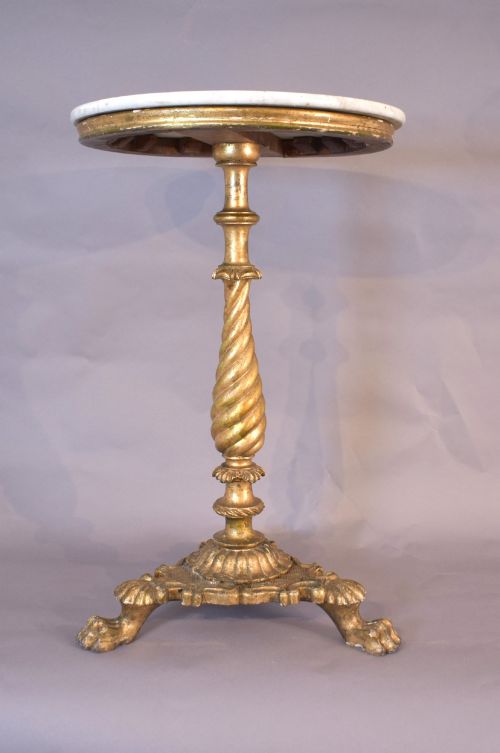
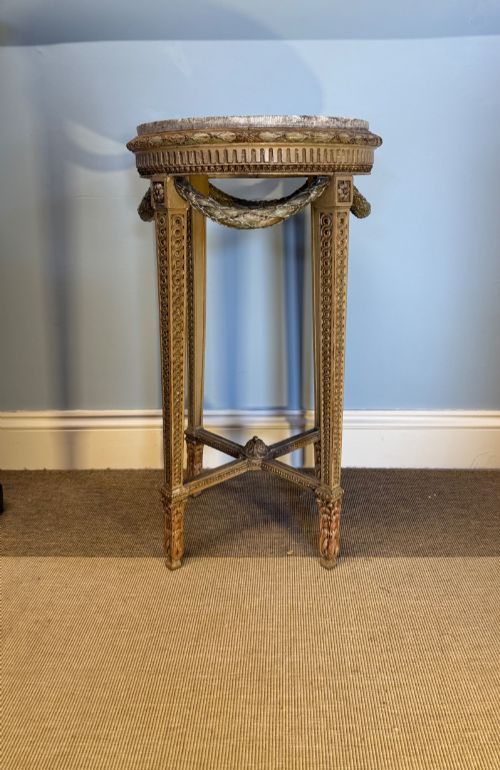
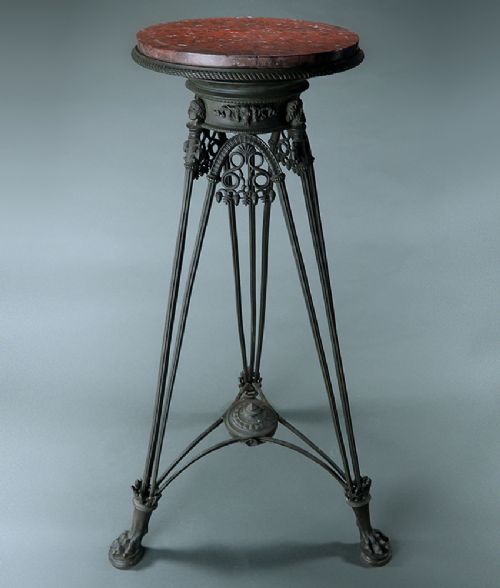
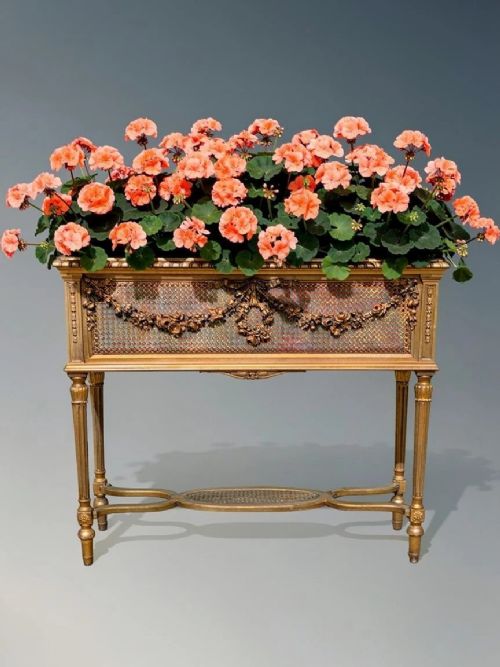
When you search for a french neoclassical plant stand, you encounter tall columns, circular gueridons and tiered jardiniere stands designed for elevated display. The pieces on this page span the nineteenth and early twentieth centuries, drawing heavily on Louis XVI and French Empire vocabulary.
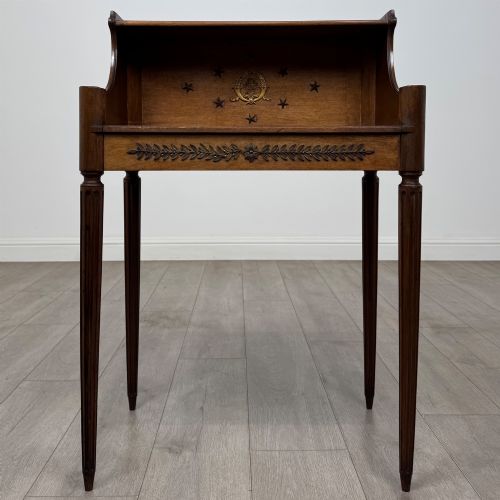
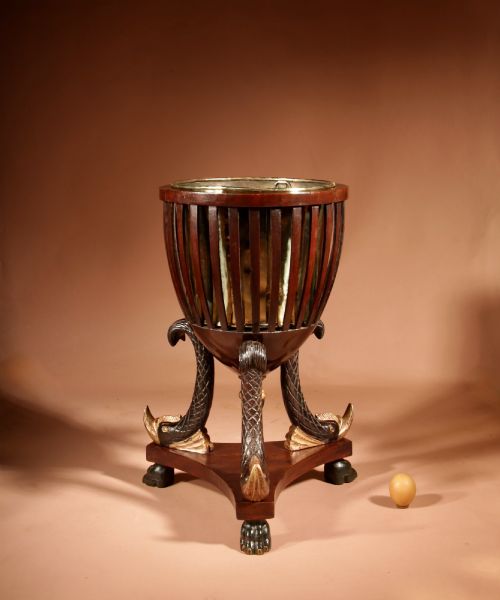
Most examples function as pedestals, torchieres or plant tables, supporting urns, flowers or decorative objects on marble or timber tops. They appear in varied formats, from slender onyx columns with ormolu collars to mahogany side tables and caned planters.
Originating in historical French design idioms, these stands employ formal symmetry, classical orders and restrained ornamentation. They serve as vertical accents in interiors, lifting plants and decorative arts into the line of sight.
Materials and Construction
Maker construction relies on dense hardwoods such as mahogany and satin walnut, often shaped into sturdy columns and tripod bases. Timber elements are frequently paired with contrasting surface veneers and moulded details.
Decorative impact stems from applied cast metal, including brass, ormolu and gilt bronze mounts that articulate classical motifs. Marble and onyx provide smooth, cool surfaces for tops and column shafts, supported by gesso and painted finishes on carved giltwood.
Several stands double as wine bottle holders, proving that nineteenth-century plants and vintage wine shared identical domestic priorities.
Distinctions in Execution
Quality separates in the crispness of the carving, the weight of the cast metal mounts and the selection of the stone. Superior pieces display finely chased ormolu collars, unblemished marble or onyx tops, and tightly joined structural frames.
Lesser examples rely on simplified surface decoration and lighter timber scantlings that lack the architectural presence of the best workshop output. The integration of materials - how stone meets metal and wood - dictates the enduring strength of the piece.
Weisweiler
The French Neoclassical Plant Stand Glossary
- Ormolu
- Gilded bronze mounted onto furniture or architectural elements. This technique creates rich metallic highlights against dark woods and stone.
- Gueridon
- A small circular table on a central pillar or tripod legs. Originating in seventeenth-century France, it frequently serves as a plant stand or display surface.
- Torchere
- A tall stand designed to hold a light source or decorative object. In neoclassical interiors, these take the form of slender columns or pedestals.
- Jardiniere
- A decorative container or stand intended for holding plants and flowers. These often feature liners and tiered plant arrangements.
- Serpentine
- A curved line or surface undulating in a gentle convex and concave pattern. This contour appears frequently on marble tabletops and column bases.
French Neoclassical Plant Stand: Frequently Asked Questions
What is a french neoclassical plant stand used for?
These pieces hold potted plants, jardiniere liners, or decorative urns, raising botanical displays to eye level. They function as architectural accents in hallways, reception rooms, and drawing rooms.
Beyond holding plants, many serve as occasional tables, wine stands, or torcheres for displaying sculptures and lamps. Their compact footprints allow them to occupy corners and tight spaces effectively.
How do I identify french empire style?
French Empire style draws heavily on classical antiquity, featuring strong symmetrical lines, columns, and rich mahogany timbers. Look for architectural proportions and restrained classical dignity.
Ormolu mounts depicting wreaths, classical motifs, and foliate scrolls provide strong visual contrast against dark woods and marble tops.
Are marble tops original to these stands?
Many nineteenth-century pedestals and gueridons were constructed specifically to carry heavy inset marble or onyx slabs. These stone tops provided a durable, water-resistant surface ideal for plant displays and wet pots.
Examining the rebate and surrounding timber helps confirm whether the stone rests securely in its original seating.
Where should I place a pedestal in a room?
Columns and torcheres work well in empty corners, framing doorways, or anchoring symmetrical furniture arrangements. Their verticality draws the eye upward, adding architectural weight to a domestic interior.
Pairing a tall stand with a trailing plant or a bronze sculpture creates a focal point that breaks up plain wall expanses.
What is the difference between a gueridon and a torchaire?
A gueridon is a small circular table intended for general surface use or display, typically supported by a central pillar or tripod. A torchaire is specifically designed as a tall, slender stand for elevation.
While both share neoclassical roots and circular tops, torchaires prioritize height and vertical display over table surface utility.