

French Neoclassical Mantel Clock
These french neoclassical mantel clock pieces bring architectural dignity and precision timekeeping into a room, shaped by centuries of European craftsmanship.
French Neoclassical Mantel Clock
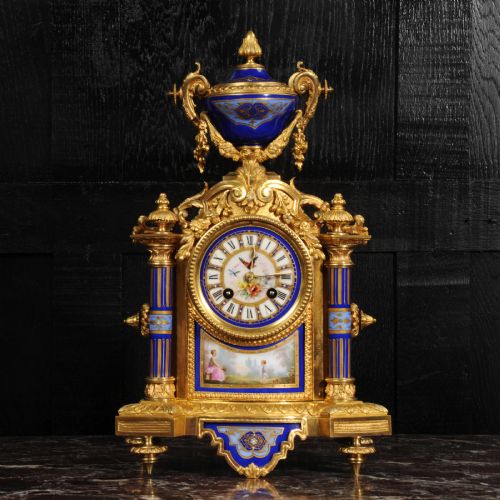
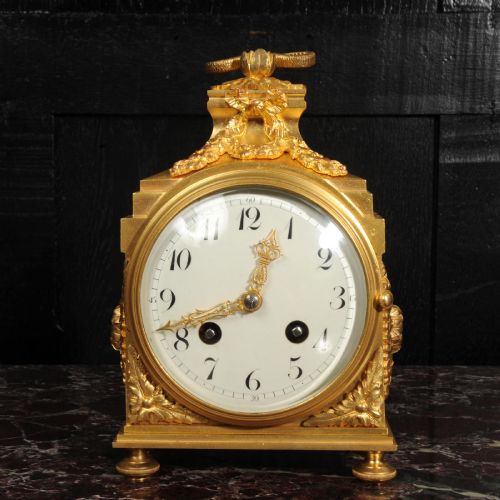
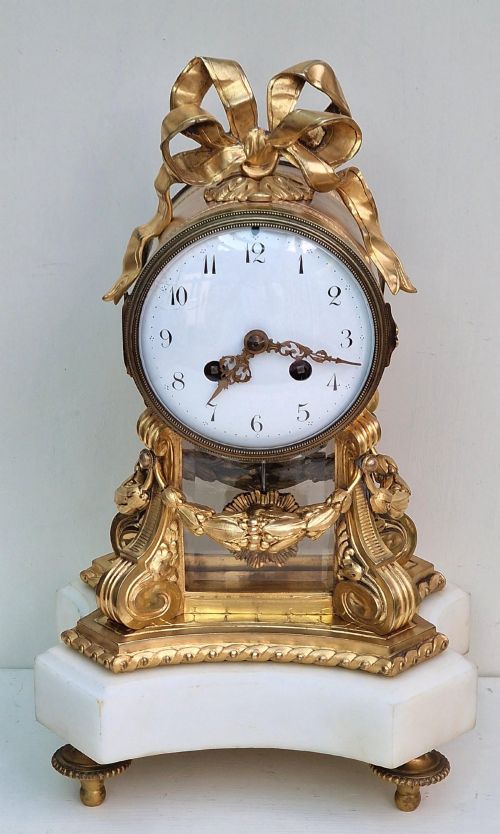
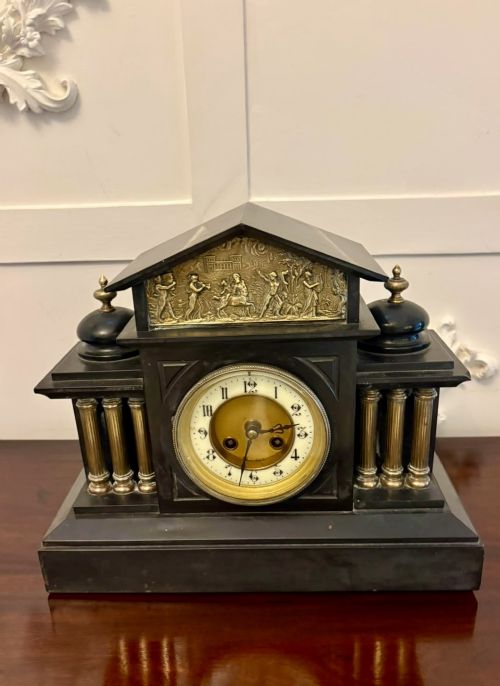
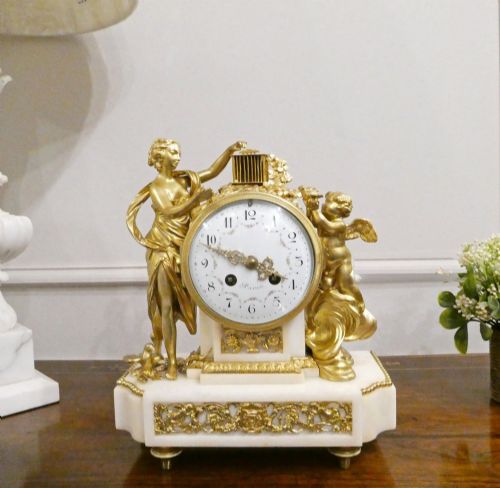
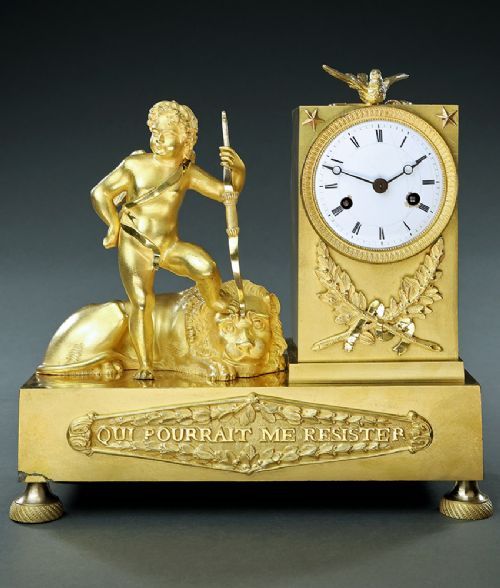
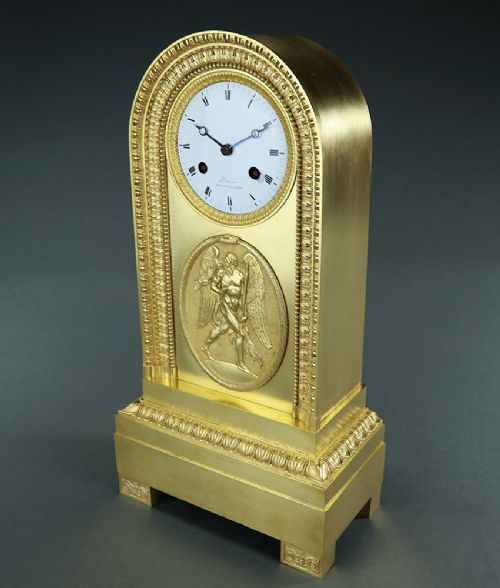
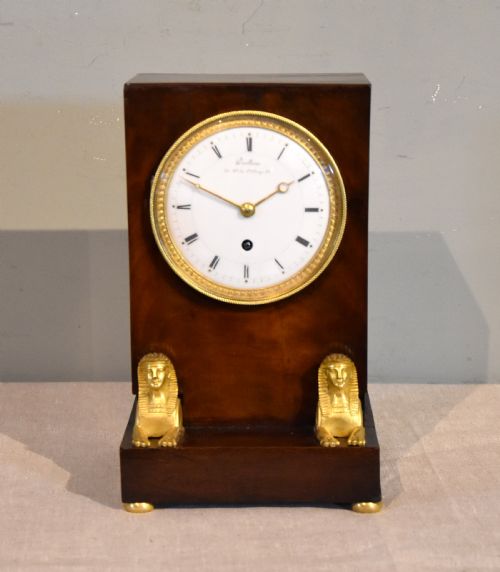
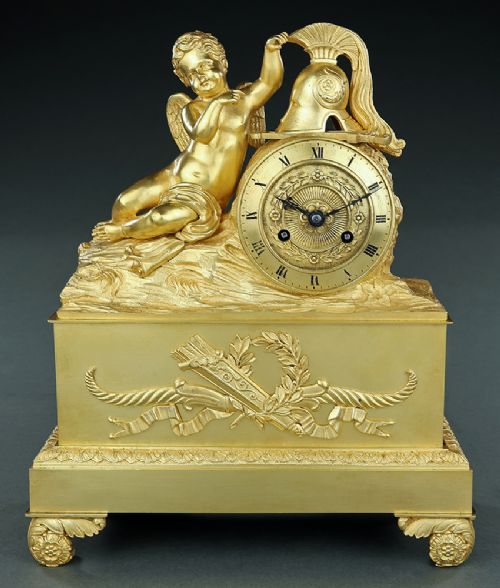
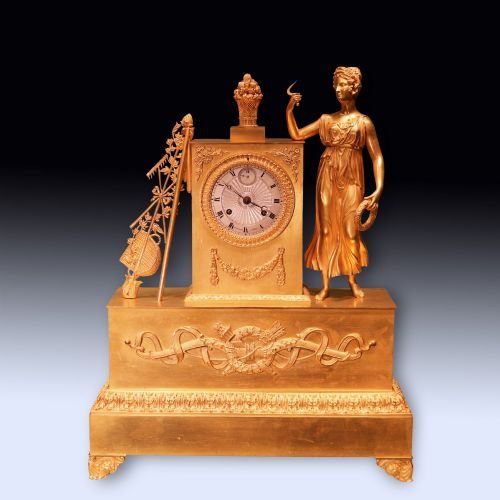
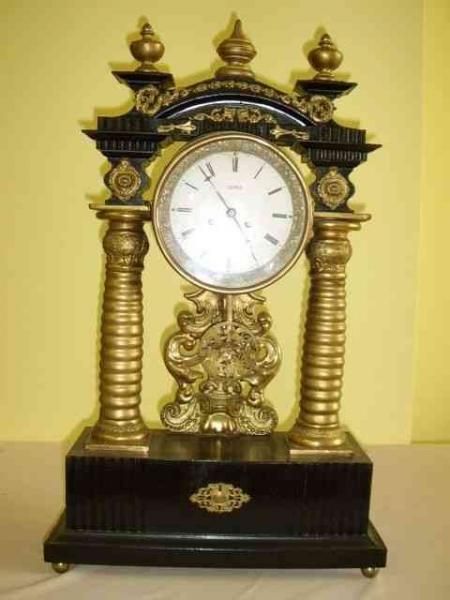
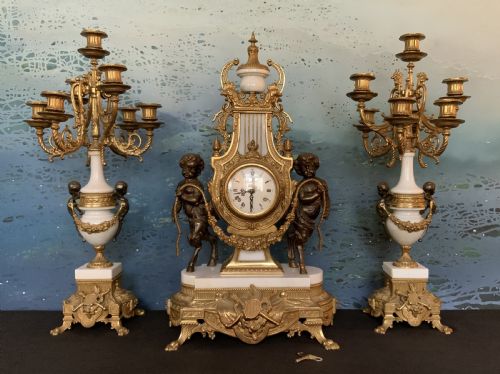
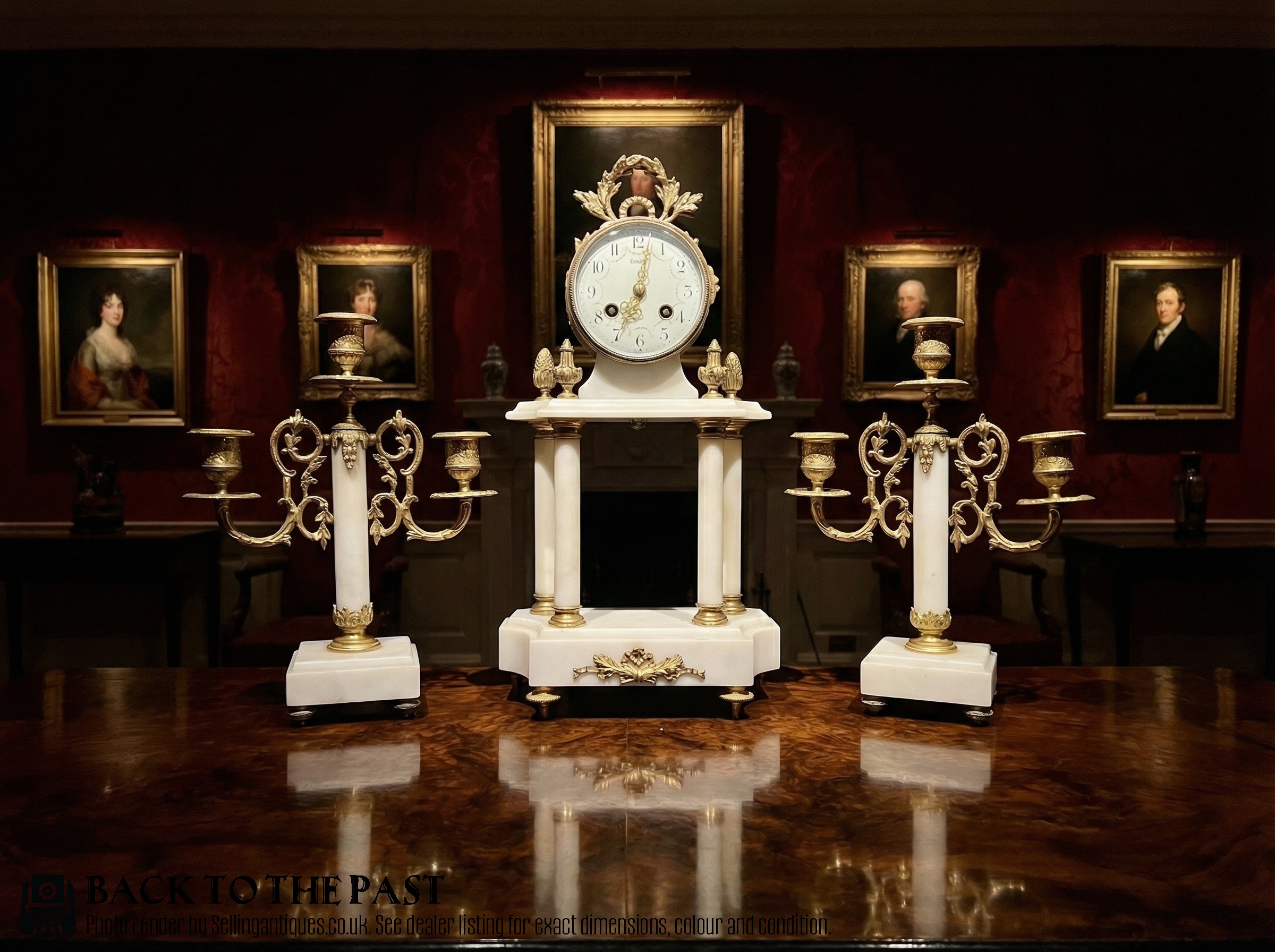
A french neoclassical mantel clock combines functional timekeeping with sculptural bronze, marble, and porcelain forms derived from classical antiquity. You will encounter mantel clocks, portico clocks, and matching garniture sets spanning periods from the eighteenth century through the Victorian era and into the twentieth.
The aesthetic draws heavily from Louis XVI, Empire, and Directoire design vocabularies, often featuring mythological figures, urns, and architectural columns. Pieces range from modest brass desk clocks to large architectural marbles mounted with gilt bronze and ormolu.
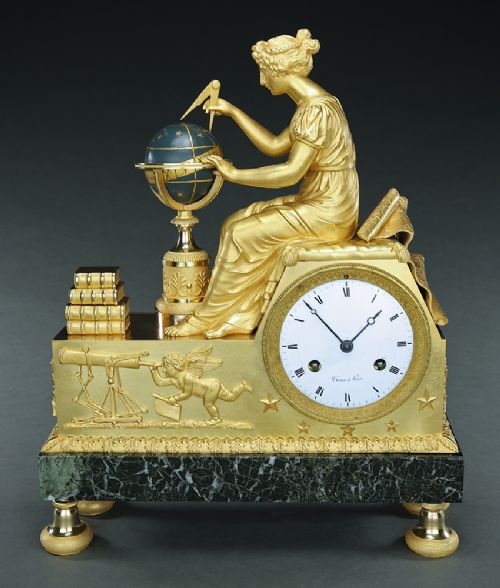
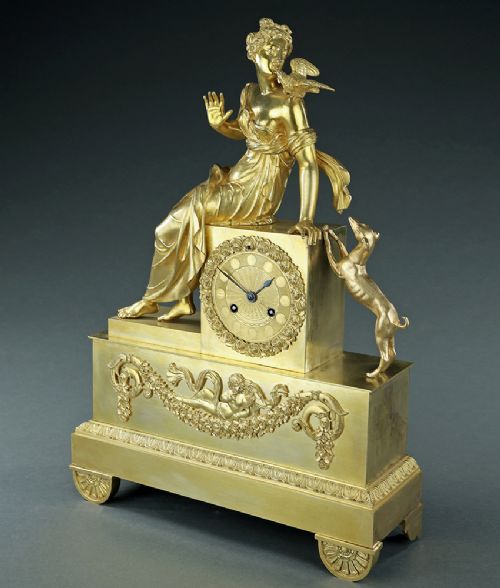
Makers and horologists stamped their movements or dials, connecting surviving examples directly to Parisian workshops. Collectors find both restrained white marble timepieces and elaborate figural allegories bearing themes of love, fidelity, and celestial movement.
How They Were Made
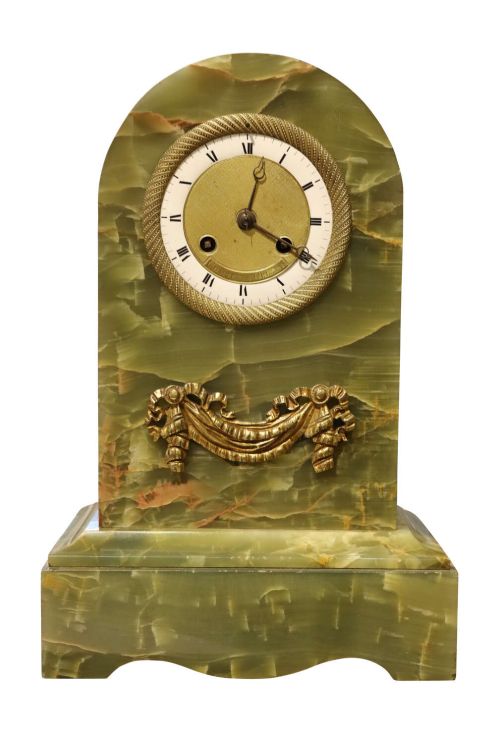
Foundries cast bronze and brass into intricate mounts, which were then mercury gilded to produce the characteristic ormolu finish seen on classical figures and bezels. Stonemasons shaped white marble, black marble, green onyx, sienna marble, and grey marble into columns, plinths, and portico frames.
Clockmakers fitted mechanical movements into these stone and metal housings, frequently incorporating enamel dials and glass panels. Skilled artisans combined casting, stone-cutting, and delicate escapement assembly to produce heavy eight-day mantel clocks and delicate timepieces.
The selection includes architectural portico clocks, calendar clocks, and large garniture sets complete with matching candelabra.
What Varies in Quality
The distinction between tiers rests on the crispness of the bronze chasing and the harmony of the marble housing. Finer examples display deeply chiseled ormolu mounts with distinct facial expressions on figures and cleanly fitted stone joints without awkward gaps.
Movement execution also dictates standing, where signed Parisian backplates and complex astronomical or musical functions separate standard production from masterwork horology. The weight and selection of materials, such as solid bronze versus plated brass, define the structural integrity of the piece.
Japy Freres·Charles a Orleans·Canaillor of Paris·Le Roy·Berger·Louis Goret·Sacre
The French Neoclassical Mantel Clock Glossary
- Ormolu
- Gilded bronze produced by applying a mercury and gold amalgam to cast metal and heating it until the mercury vaporised. This technique creates a rich, matte gold surface characteristic of eighteenth and nineteenth-century luxury objects.
- Garniture
- A set consisting of a central clock flanked by matching decorative objects such as candelabra or urns. These matched sets were designed to sit harmoniously on a mantelpiece.
- Portico Clock
- A clock featuring a distinct architectural frame supported by four or more vertical columns resembling a classical portico. The pendulum often swings visibly within the open central space.
- Enamel
- Vitrified glass fused to a metal dial surface under high heat, providing a smooth white background for painted numerals. These dials require careful firing to prevent cracking around the winding holes.
- Directoire
- A transitional French design style bridging Louis XVI and Empire periods, characterised by restrained classical geometry. Pieces from this era lean towards republican simplicity and archaeological motifs.
French Neoclassical Mantel Clock: Frequently Asked Questions
How do I wind a french neoclassical mantel clock?
Most of these mechanical clocks use a key inserted into specific winding squares on the enamel dial to tension the springs. Care must be taken not to overwind the movement.
Consulting the specific escapement type ensures the pendulum is set to beat evenly once the power is restored to the gear train.
What maintenance do marble and ormolu cases need?
Marble surfaces benefit from gentle dusting with a dry microfiber cloth to prevent grit accumulation in natural fissures. Water and chemical cleaners should be avoided to protect the stone and the underlying gilding.
Ormolu mounts require similarly light care, as abrasive polishes strip the historic gold surface from the bronze substrate entirely.
How can I tell a portico clock from a standard mantel clock?
Portico clocks are defined by their open architectural construction, featuring vertical marble or wooden pillars supporting a lintel. The pendulum typically swings openly between these columns rather than being hidden behind a solid wooden or stone case back.
Standard mantel clocks present a more solid box, urn, or architectural facade enclosing the entire movement.
Were clock garnitures meant to tell time?
The side pieces in a garniture set, such as candelabra or decorative urns, served purely as symmetrical visual ornaments flanking the central timepiece. Only the main clock housing contained a mechanical movement and dial.
Together they formed a unified decorative scheme designed for grand interior mantels.
What is the difference between Empire and Louis XVI styles?
Louis XVI style focuses on delicate neoclassical symmetry, lighter proportions, and refined floral or classical motifs. Empire style, emerging later, employs heavier, more monumental forms inspired by Roman imperial power and military triumph.
Both draw on antiquity, but Empire pieces carry a much grander and more imposing physical presence.