




French Neoclassical Column Stands
French neoclassical column stands bring classical architectural presence into a room, supporting art and lighting with structured height.
French Neoclassical Column Stands
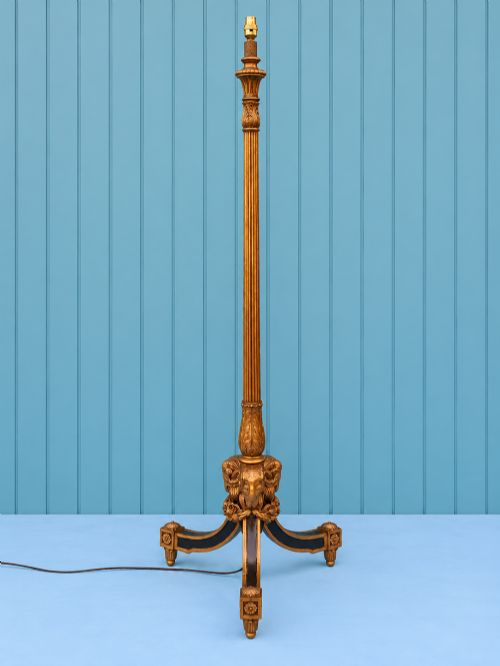
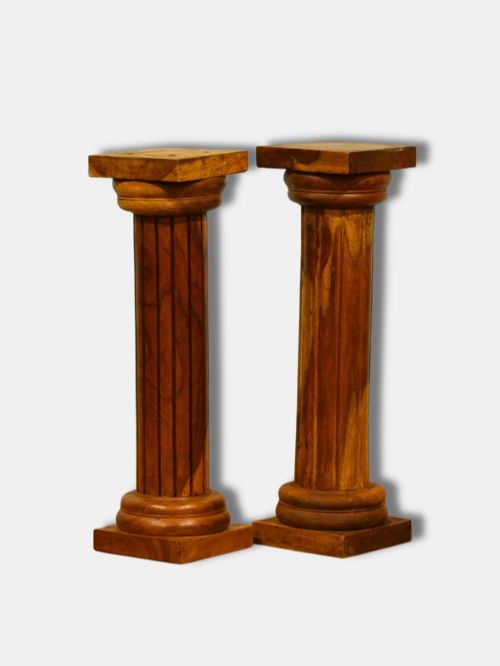
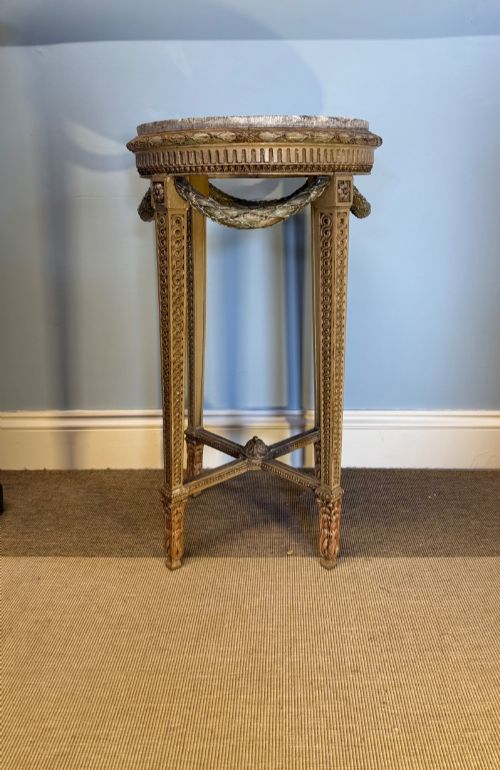
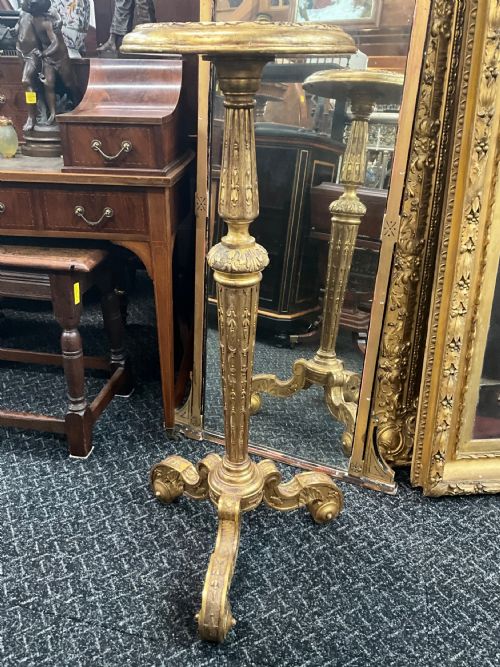
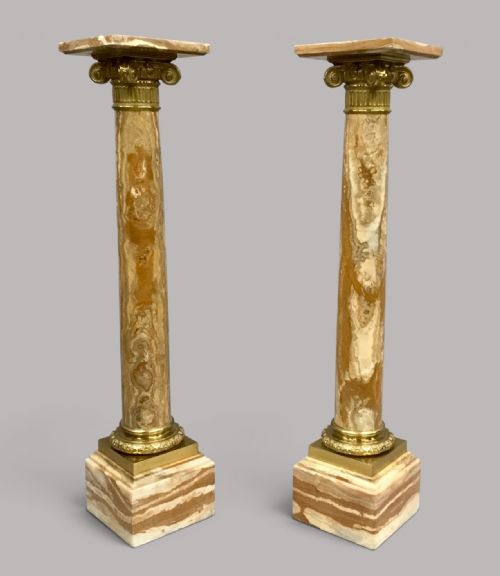
French neoclassical column stands take the form of pedestals, urn stands, and torchères designed to elevate sculptures, lights, and decorative objects. These pieces draw on classical orders, translating architectural columns into sturdy interior display furniture.
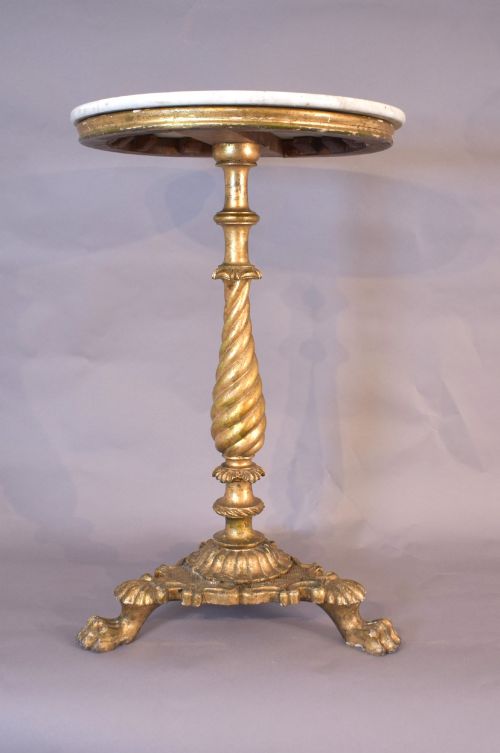
The selections here span from the eighteenth century through the Edwardian period, capturing revivals in the Louis XVI and Empire styles. Visitors encounter marble columns, giltwood torchères, and hardwood shafts built for display.
Most examples rely on vertical proportions and restrained ornamentation, though variations include rotating tops and bronze mounts. They serve as focal points in a hallway or drawing room, functioning primarily to lift objects into the line of sight.
Materials and construction
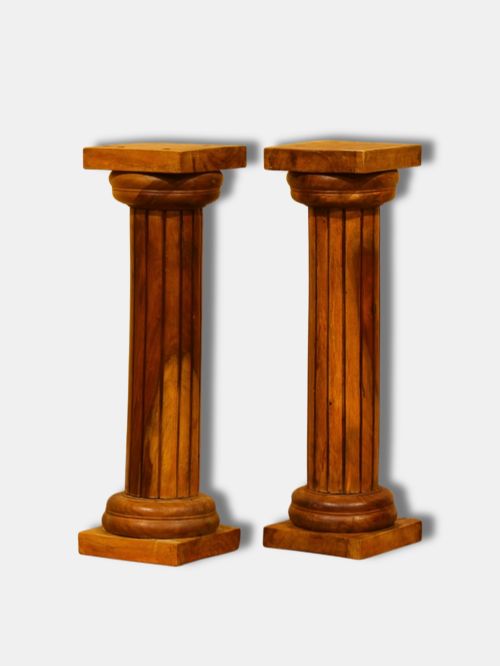
Carpenters and carvers shaped these pieces using native hardwoods such as mahogany and elm, alongside softwoods treated with gesso and giltwood finishes. Structural integrity required solid joints to support heavy stone tops without shifting.
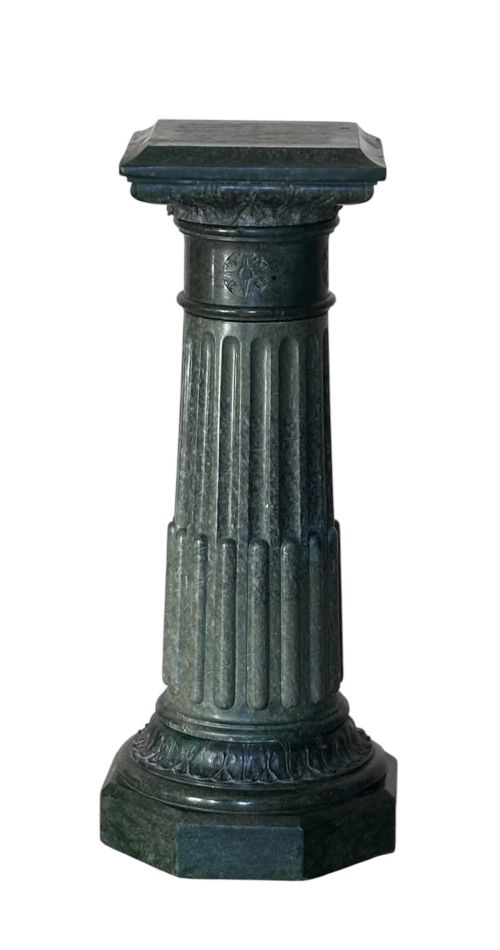
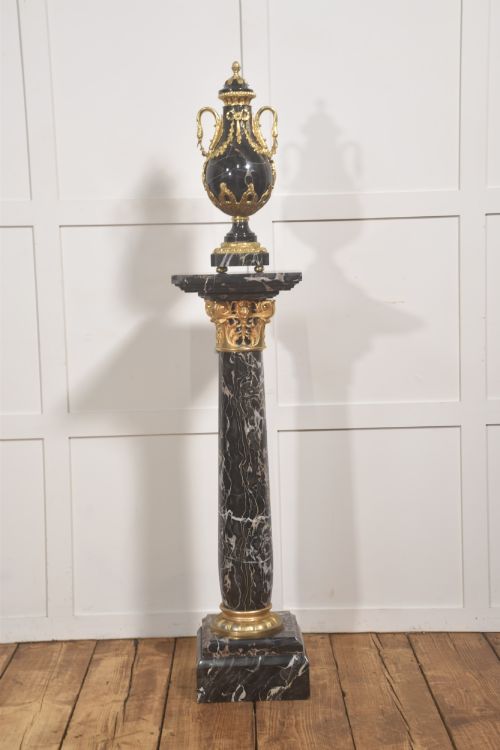
Masonry formed an essential component, utilising marbles like green serpentine and black varieties turned on lathes into smooth shafts. Metalwork added decorative detail, incorporating brass and gilt bronze ormolu mounts to secure capitals and bases.
French Neoclassical Column Stands Retail Price Guide 2026
Typical asking prices for french neoclassical column stands among the pieces listed under this phrase on Sellingantiques today, from the lower quarter to the upper quarter. They describe what is for sale here now, not the wider market.
Several columns include rotating tops, originally designed so visitors could inspect every angle of a bronze bust without walking in circles.
Distinctions in craftsmanship
Quality rests in the precision of the turning and the crispness of carved mouldings, where sharp acanthus leaves and fluting distinguish superior pieces. Workshops that employed skilled bronze-chasers produced mounts with clear definition and secure seating.
Material selection separates standard items from finer works, particularly the weight and figuring of the marble or the depth of the gilding on gesso surfaces. A stable, heavy base ensures the column holds significant weight safely.
The French Neoclassical Column Stands Glossary
- Torchère
- A tall ornamental stand designed to hold a light or a small sculpture. These pieces often feature slender shafts supported by tripod or weighted bases.
- Ormolu
- Gilded bronze applied as mounts on furniture and decorative stands. This technique originated in France and provided metallic highlights to wood and stone.
- Plinth
- The flat slab at the base or top of a column stand. It provides a stable foundation on the floor and a level surface for display.
- Caryatid
- A sculpted female figure serving as an architectural support in place of a column. They appear on specific pedestal designs derived from classical architecture.
French Neoclassical Column Stands: Frequently Asked Questions
Where should I place a column stand?
These pieces suit corners, entryways, or flanking a fireplace where vertical height breaks up low furniture arrangements.
Position them away from heavy foot traffic to protect delicate marble or gilt surfaces from accidental knocks.
Can these stands support heavy items?
Marble and hardwood versions handle substantial bronze busts, heavy urns, and large lamps with ease.
Check that the top surface sits level and the base rests firmly on the floor before placing weight upon it.
How do I identify the style period?
Louis XVI and Empire styles display strict symmetry, fluted columns, and classical bronze mounts reflecting ancient Greek and Roman motifs.
Later nineteenth and twentieth-century revivals often soften these lines or utilise painted plaster alongside traditional timber and stone.
Are the tops usually fixed?
Most column stands feature fixed tops secured directly to the central shaft for maximum stability.
Certain larger examples incorporate rotating mechanisms to allow displayed sculptures or urns to be turned safely.