


French Neoclassical Bronze Putti
French neoclassical bronze putti are sculptural figures of winged infants cast in metal, sought for their classical charm and decorative presence.
French Neoclassical Bronze Putti
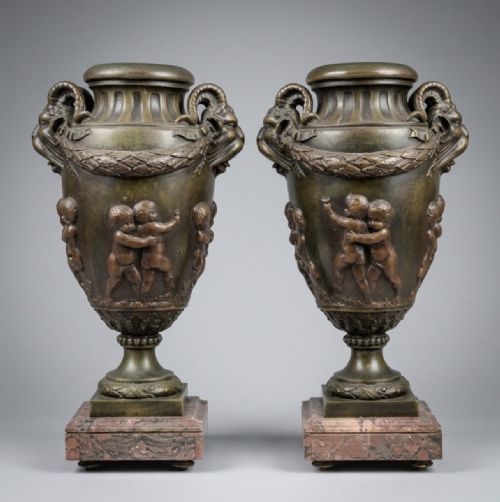
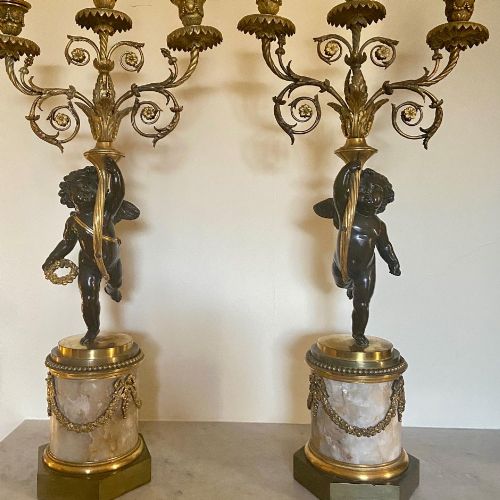
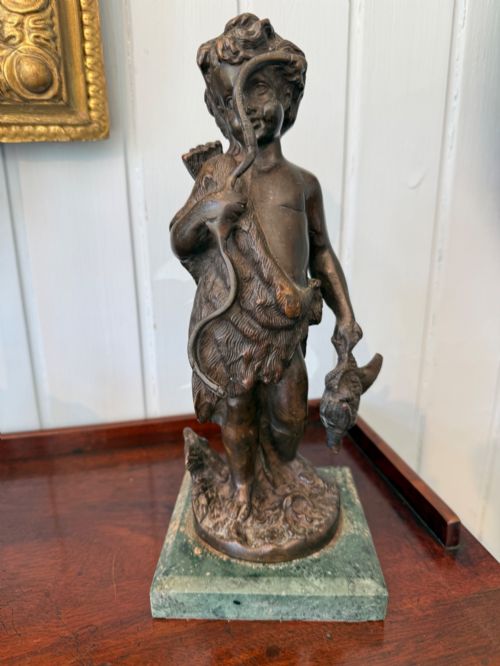
French neoclassical bronze putti represent classical child figures cast in metal, appearing in forms such as candelabra, candlesticks, mantel clocks, and standalone sculptures. These pieces embody the neoclassical style and the aesthetic of the Louis XVI, French Empire, and French Restoration periods.
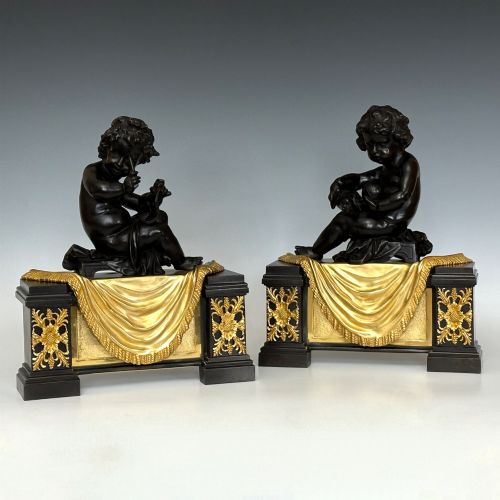
Buyers encountering these items will see works spanning the eighteenth and nineteenth centuries, including Victorian interpretations and Grand Tour souvenirs. The figures frequently interact with objects like bows, wheat sheaves, or rocks, integrated into larger decorative schemes.
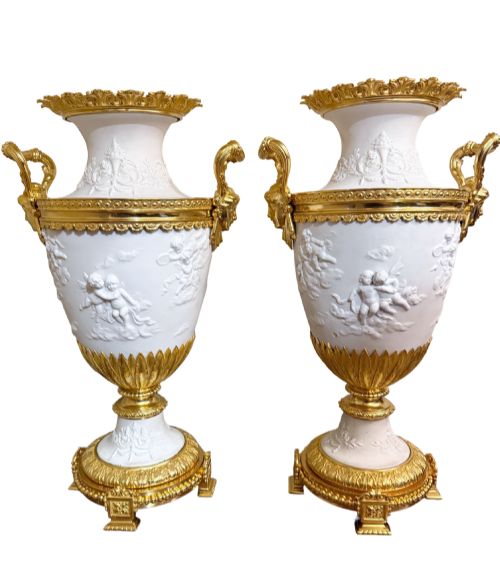
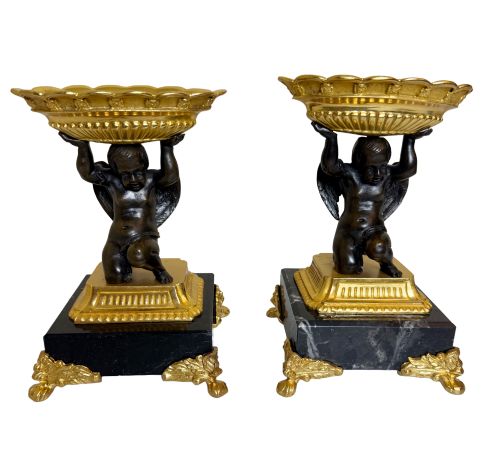
Objects carrying this description often combine bronze with marble bases, ormolu mounts, and occasionally porcelain components. The integration of patinated bronze and gilt elements reflects the classical design vocabulary popularised during the revival periods.
Materials and Construction Methods
The fabrication of these items relies on casting bronze, patinated bronze, and ormolu, frequently mounted upon specimen marble bases. Craftspeople also utilised porcelain, enamel, and occasionally wood to complement the metalwork.
Makers employed lost-wax and sand casting techniques to render the detailed musculature and feather texture of the putti figures. Gilt bronze details were chemically or fire gilded, contrasting with darker patinated surfaces to create visual depth.
Listings feature 19th-century and 18th-century pieces utilising bronze, marble, ormolu, porcelain, and enamel across styles including Neoclassical and Louis XVI.
Assessing Quality and Execution
Quality in these pieces depends on the crispness of the chase work and the refinement of the bronze casting. Finer examples display subtle facial expressions and carefully articulated hair and wings, whereas simpler works exhibit softer surface detail.
The integration of materials also dictates the standard of the piece, particularly the density and polish of the marble bases and the durability of the ormolu. Superior items maintain a balanced composition between the central bronze figures and their supporting mounts.
Francois Redmond·Le Roy, Paris·Claude Clodion
The French Neoclassical Bronze Putti Glossary
- Putto
- A plump, naked child figure, frequently winged, derived from classical art. In these listings, they appear singly or in pairs supporting lighting fixtures.
- Ormolu
- Gilt bronze created by applying a mercury and gold amalgam to a bronze base. This technique produces a durable golden finish common on neoclassical furniture and clocks.
- Candelabra
- Branched lighting fixtures designed to hold multiple candles. Examples here frequently incorporate bronze putti holding the candle sockets.
- Clock Garniture
- A set comprising a central mantel clock matched with a pair of side pieces, such as urns or candelabra. These sets often share marble and bronze construction.
- Patination
- The surface coloration of bronze achieved through age or chemical treatment. Dark patination provides a contrast to brighter gilt bronze elements.
French Neoclassical Bronze Putti: Frequently Asked Questions
What are French neoclassical bronze putti?
They are cast metal figures of winged infants created in the classical style. These sculptures often form part of functional objects such as lamps, clocks, and candelabra.
The design draws on ancient Greek and Roman motifs, reinterpreted by French makers during the eighteenth and nineteenth centuries.
How were these bronze figures used?
Many served as decorative lighting supports on mantelpieces and tables. Others functioned as sculptural ornaments or clock components within wealthy interiors.
Their placement was intended to display classical learning and refined taste during the nineteenth century.
How do I care for bronze and ormolu?
Dust the surfaces gently with a dry, soft cloth to prevent particulate buildup. Avoid harsh chemical cleaners that can strip the patination or the gold leaf.
Keep the items away from direct sunlight and damp environments to preserve the condition of the metal and marble.
How are different periods identified?
Stylistic details and construction methods help distinguish eighteenth-century items from nineteenth-century revivals. Later pieces often utilise mechanical casting marks and specific marble types characteristic of the Victorian era.
Signatures or foundry marks stamped into the bronze also provide clues to the origin and date of manufacture.