

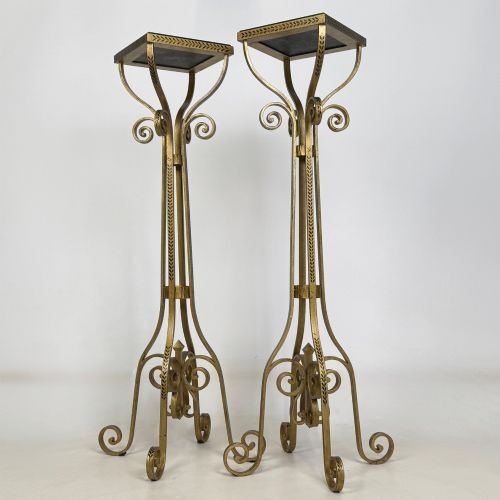
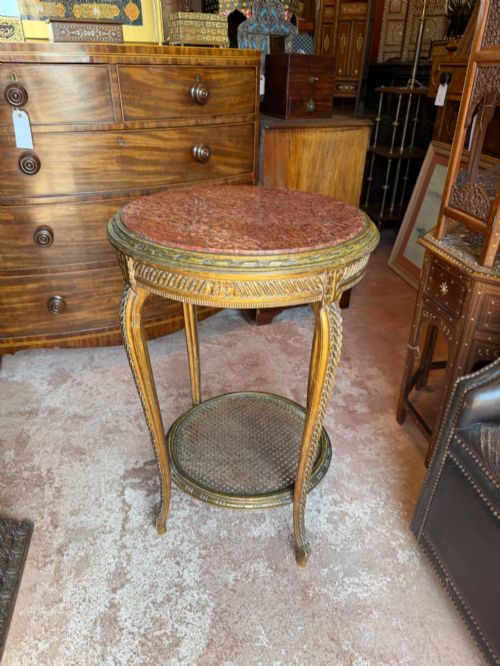
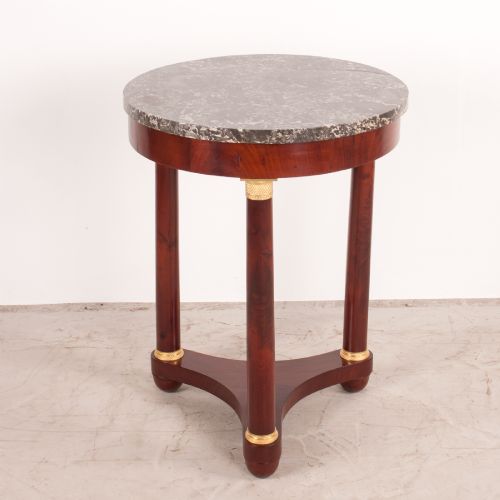
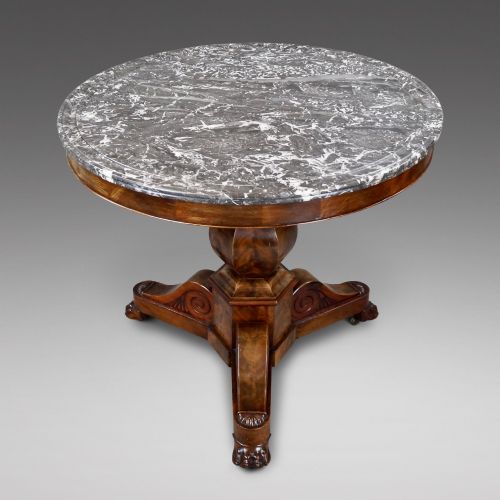
French Marble Gueridon
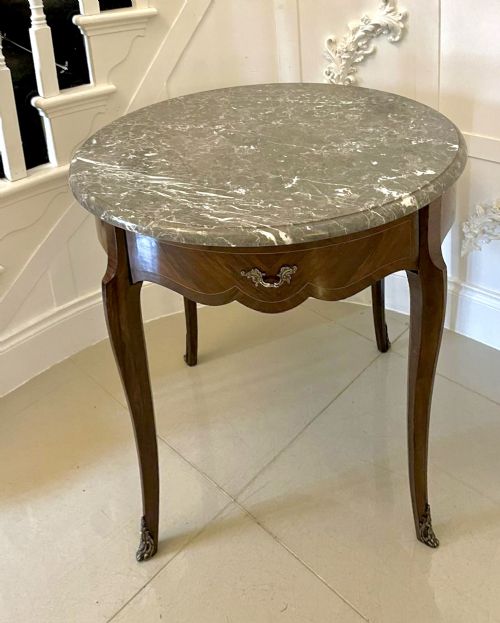
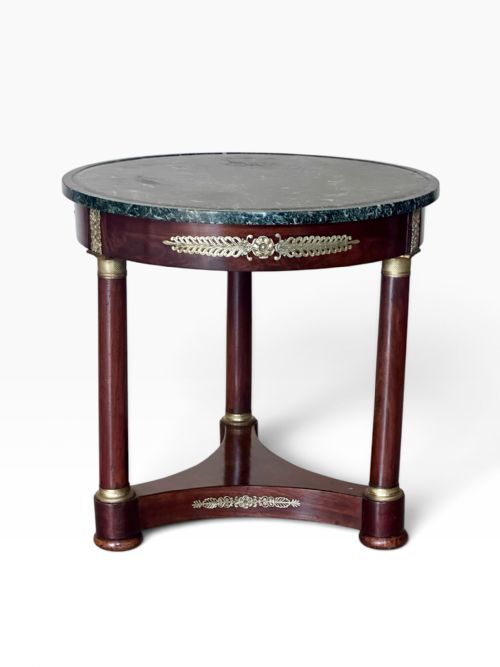
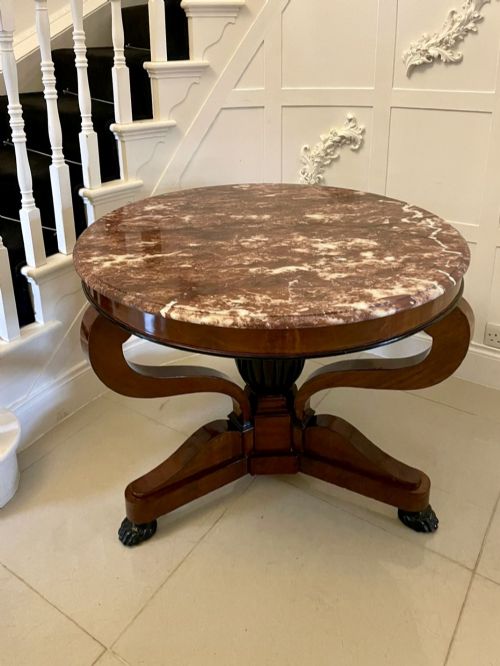
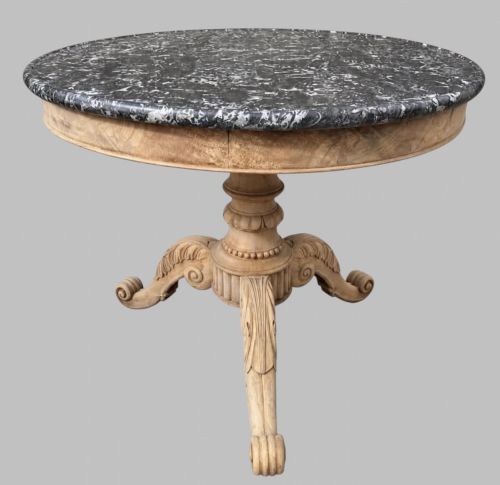
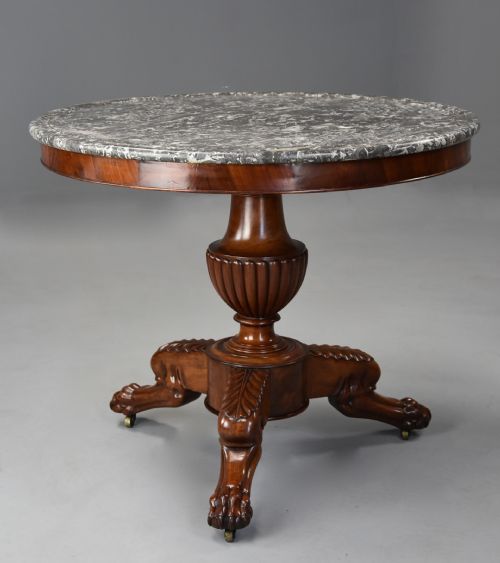
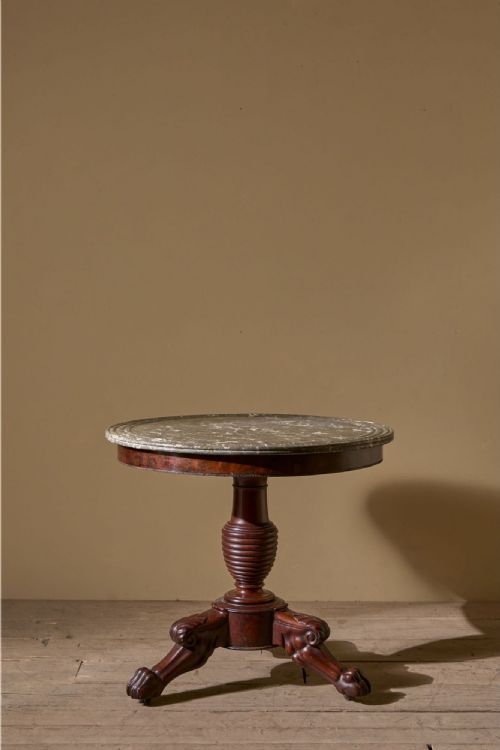
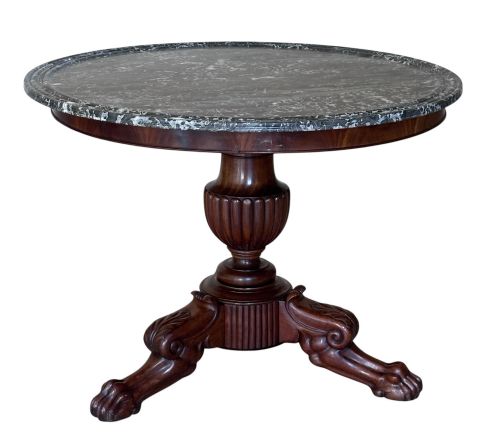
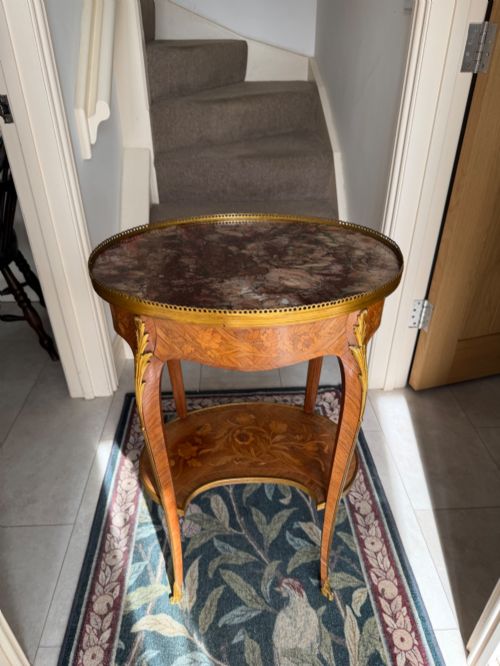
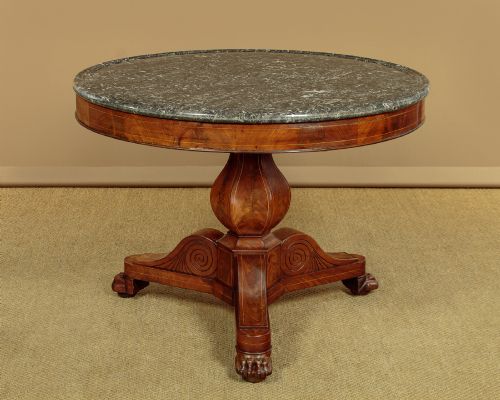
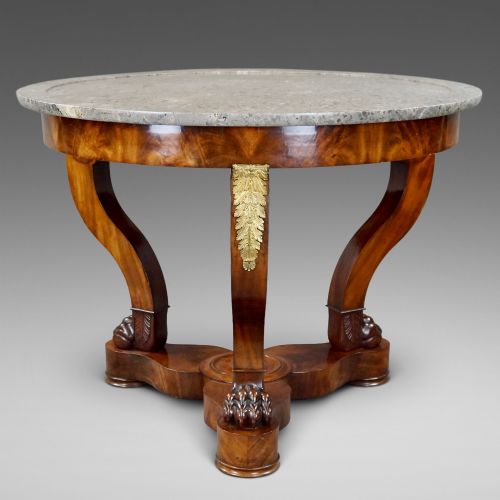
A french marble gueridon provides a compact round surface supported by a central column or tripod base, topped with polished stone.
French Marble Gueridon
A french marble gueridon is a round table designed for occasional use, centre placement, or lamp display within a room.
Most examples found in these records date from the nineteenth century, spanning periods from the Empire and Louis Philippe eras to later Revival styles.
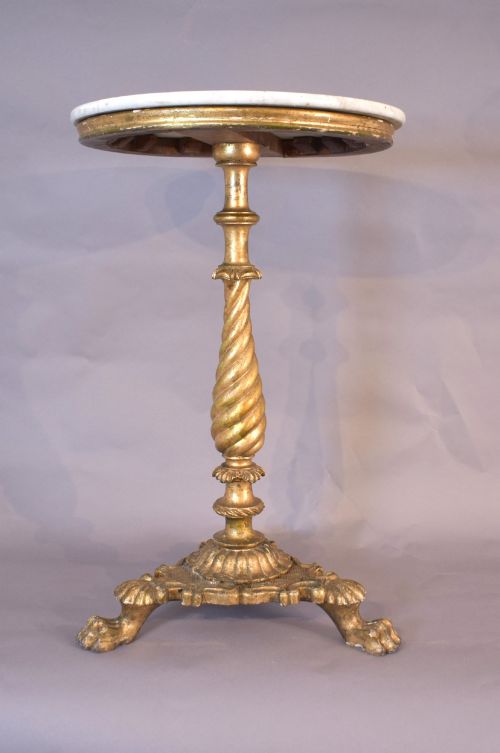
Formats range from modest plant stands and wine tables to large centre tables and bistro pieces featuring inset marble slabs.
Materials and Construction
Cabinetmakers utilised timber frames of mahogany, walnut, kingwood, or giltwood to support heavy stone tops.
Table tops incorporate various marbles, including white, grey, red, fossil, and breccia varieties, often edged with brass or ormolu mounts.
Listings feature mahogany, walnut, and kingwood timbers paired with diverse marble types including fossil, breccia, and rouge.
Assessing Quality and Execution
Superior pieces display finely figured timbers such as flame mahogany or burr elm paired with heavy, carefully polished marble slabs.
The precision of cast brass, ormolu, or chiseled bronze mounts and the stability of the central pedestal or tripod base separate standard tables from finer workshop productions.
François Linke·L.Martin of Paris·Adam Weisweiler
The French Marble Gueridon Glossary
- Gueridon
- A small circular table on a central pillar or tripod base, originating in seventeenth-century France. These tables frequently serve as lamp stands or centrepieces.
- Ormolu
- Gilt bronze mounted onto furniture as decorative enrichment. This technique involves applying a gold amalgam to bronze.
- Breccia marble
- A composite stone made of broken fragments cemented together by a fine-grained matrix. It displays a rich, mottled pattern across the table surface.
- Tripod base
- A three-legged support system providing stability for small round tables. This construction allows the table to stand evenly on uneven floors.
French Marble Gueridon: Frequently Asked Questions
What is a French marble gueridon used for?
These tables function as versatile surfaces in living spaces, traditionally holding lamps, plants, or decorative objects. Their circular tops and compact footprints allow them to fit easily beside seating or in hallways.
Historically, they also served as wine tables or small centre tables for intimate rooms. Their sturdy stone surfaces make them practical for daily use while adding a decorative focal point.
How do I identify a 19th-century gueridon?
Nineteenth-century examples typically feature traditional joinery methods, solid timber carcases, and hand-polished stone tops. Examining the underside reveals the construction of the pedestal and how the marble slab is secured.
Stylistic cues such as Empire columns, gilt bronze mounts, or flame mahogany veneers point directly to nineteenth-century French cabinetmaking traditions.
Are the marble tops original to the tables?
Many tables retain their original veined, breccia, or black marble tops, fitted precisely into the timber frame. The edge profiles and the fit against the wood provide clear indications of originality.
Matching the age of the stone's surface wear to the timber base helps confirm that the components belong together historically.
How do I care for a marble top table?
Marble requires gentle cleaning with a soft cloth and neutral soap to preserve the polished finish. Acidic liquids can etch the stone surface, so coasters protect the material during everyday use.
Periodic application of appropriate stone wax helps maintain the lustre of the marble without damaging the antique finish.