

French Mantel Timepiece
A French mantel timepiece sits comfortably on a shelf, bringing mechanical precision and decorative weight to a room.

French Mantel Timepiece
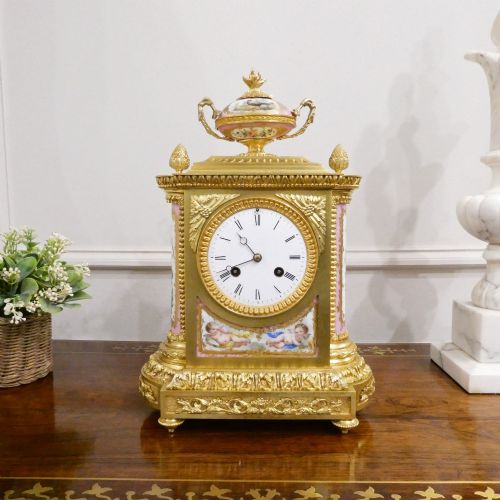
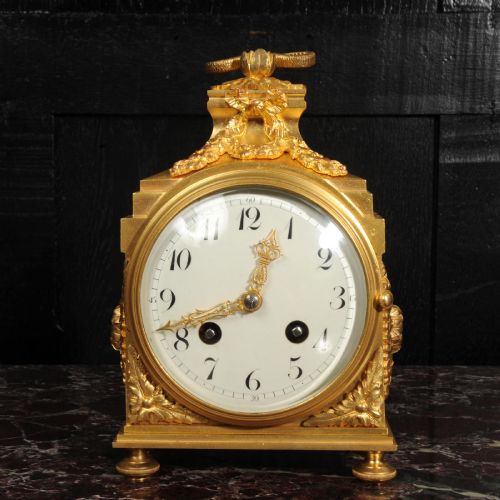
A french mantel timepiece is a freestanding domestic clock designed for placement on a fireplace mantel or shelf, recording hours without striking the hour. These items appear primarily in nineteenth-century interpretations, drawing upon French Empire, Rococo Revival, and Art Deco design aesthetics.
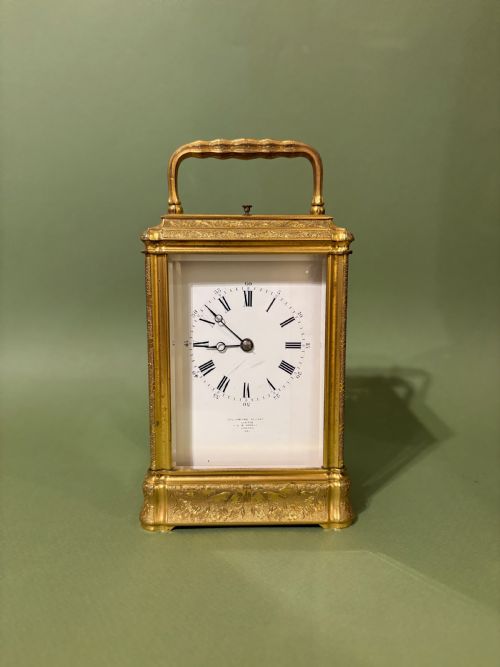
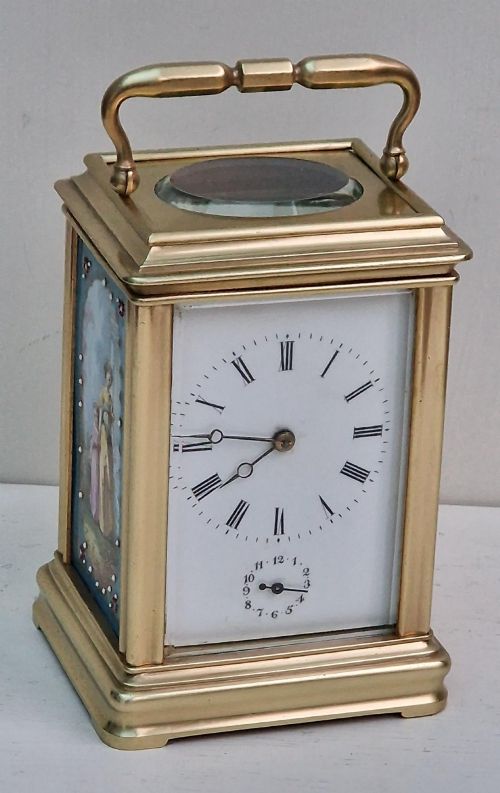
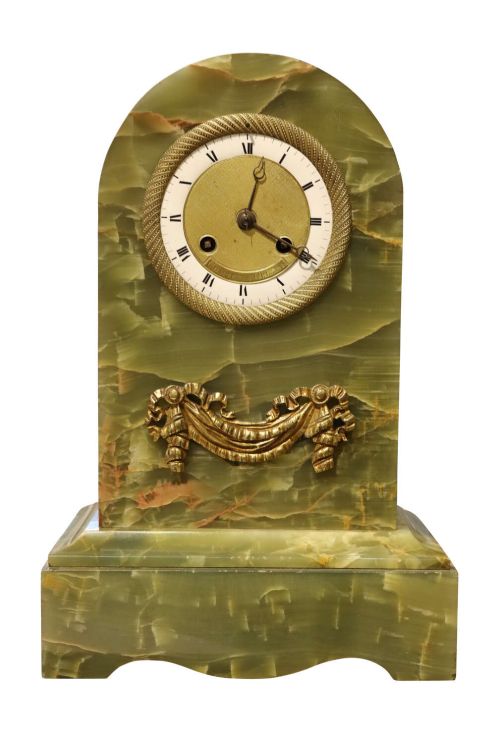
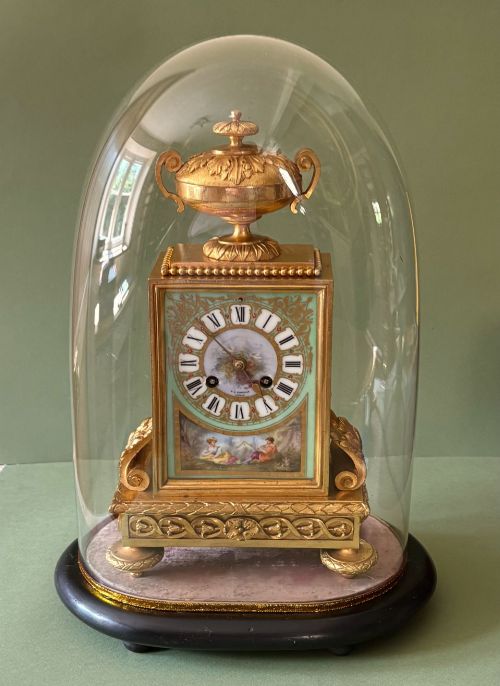
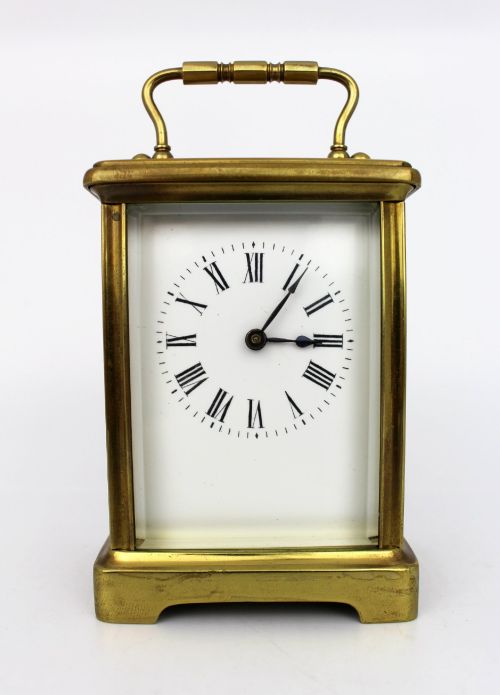
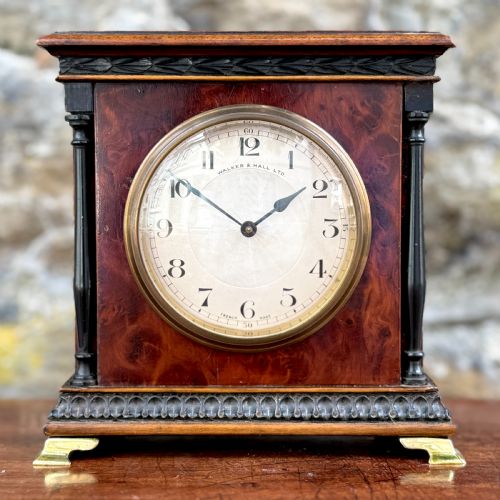
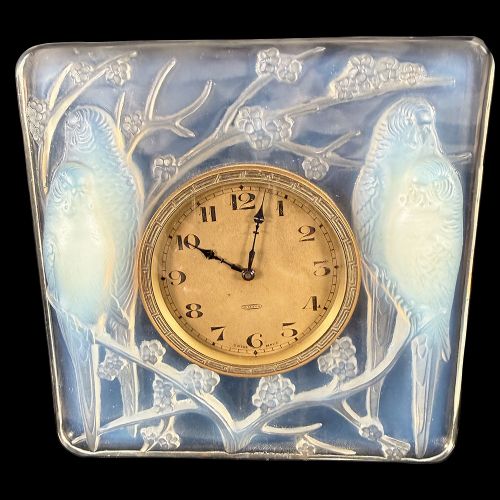
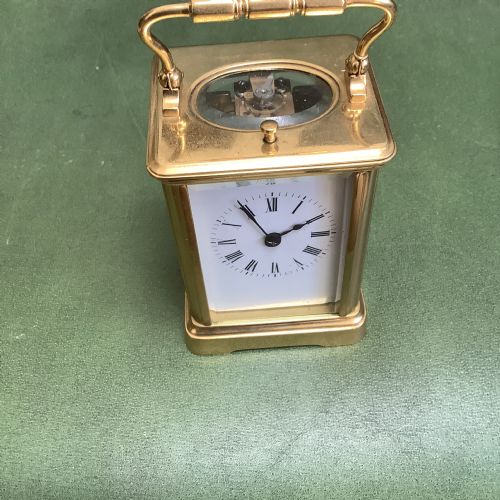
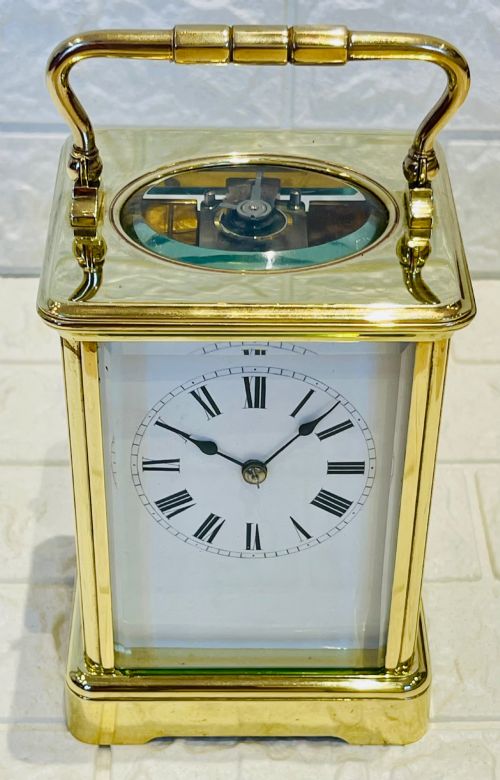
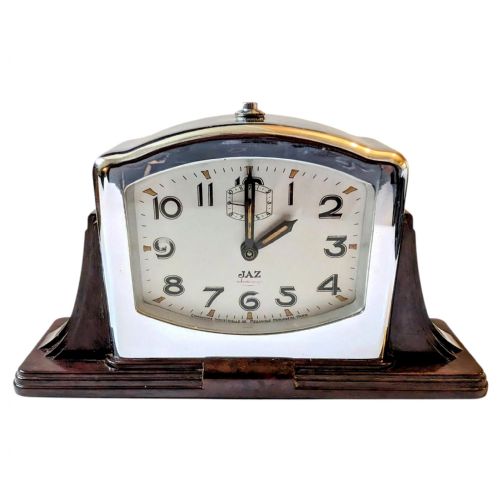
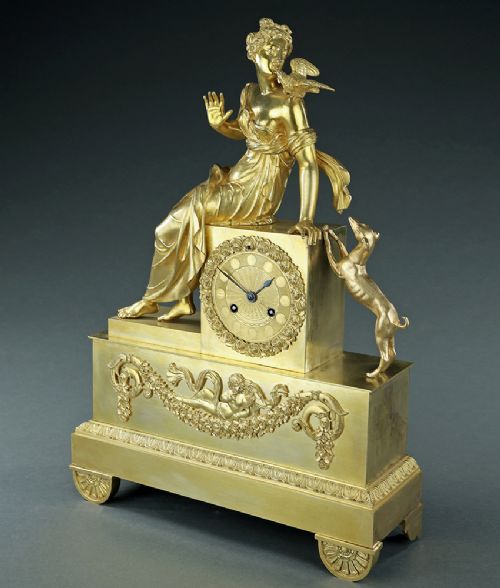
The selection ranges from architectural portico clocks in mahogany or rosewood to portable brass carriage clocks housed in glass cases. Collectors encounter gilt bronze, ormolu, green onyx, marble, and porcelain panel configurations alongside twentieth-century glass and bakelite examples.
How they were made
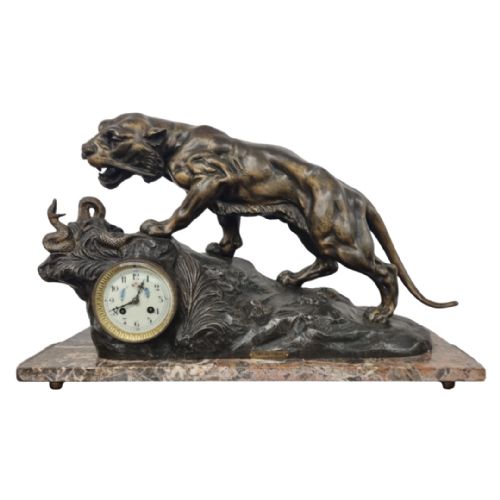
Maker workshops utilised cast ormolu and patinated bronze, mounting them with enamel dials and enclosing movements within brass gorge cases or polished stone bodies. Cabinetmakers shaped mahogany, rosewood, and ebonised timber for portico and inlaid wooden frames.
Gilding, hand-painted porcelain panels, and engraved brass work embellished the exterior housings. Glass panels permitted visibility of the internal mechanics, while specialised makers fitted platforms with lever escapements.
Clocks shaped like elephants, tigers, and artists' palettes prove that timekeeping was once an excuse for sculptural whimsy.
What varies in quality
Quality rests in the crispness of the bronze chasing, the depth of the fire gilding, and the integrity of the fitted stone or timber case. Superior examples display signed movements by recognised makers, hand-painted porcelain details, and finely engraved brass work.
Lesser items present simpler cast forms with worn plating, plain wooden carcases, and generic movements lacking maker signatures or decorative refinement.
HENRI JACOT·R Lalique·Drocourt Paris·Walker and Hall·Jaz
The French Mantel Timepiece Glossary
- Ormolu
- Gilded bronze produced by applying a mercury and gold amalgam to a cast bronze base, then heating the piece to drive off the mercury. This technique creates a durable golden finish characteristic of French decorative objects.
- Timepiece
- A clock that measures and indicates time without striking bells or gongs to announce the hours. Such mechanisms focus purely on visual timekeeping.
- Carriage clock
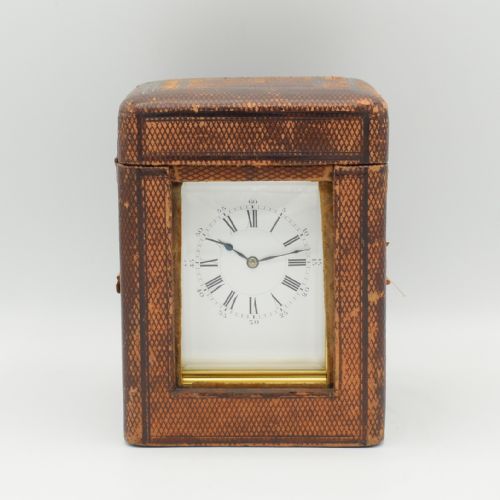
- A small, portable spring-driven clock originally designed for travel, featuring a protective glass case and a swinging handle on top. These pieces often sit within leather travel cases.
- Portico clock
- A mantel clock constructed in the architectural form of a classical portico, supported by columns flanking the central pendulum or movement housing. Rosewood, mahogany, and ormolu commonly form these symmetrical structures.
- Gorge case
- A stepped, rectangular brass housing typical of carriage clocks, featuring distinctive rounded mouldings at the top and bottom edges.
French Mantel Timepiece: Frequently Asked Questions
What is a french mantel timepiece?
A french mantel timepiece is a decorative shelf clock made in France that displays the time without striking bells or gongs.
These objects combine functional mechanical movements with decorative housings formed from bronze, marble, porcelain, and wood.
How do you wind a carriage clock?
A key fits onto the arbors located on the underside or back plate of the movement to wind the mainspring.
Care must be taken not to overwind the mechanism, stopping when firm resistance is met.
Where should a mantel clock be placed?
Mantel clocks rest securely on flat surfaces such as fireplace mantels, sideboards, or desks where vibration remains minimal.
Level placement ensures the escapement beats evenly and the movement maintains accurate time.
How do you identify a nineteenth century clock?
Nineteenth century examples feature stylistic markers such as French Empire symmetry, Rococo Revival scrolls, or heavy ormolu and marble mounts.
Internal stamped serial numbers and maker signatures on the back plate provide further chronological evidence.