



French Mantel Clock Mount
A french mantel clock mount brings together gilt bronze, marble, and porcelain into sculptural timepieces that anchor a room with period presence.
French Mantel Clock Mount
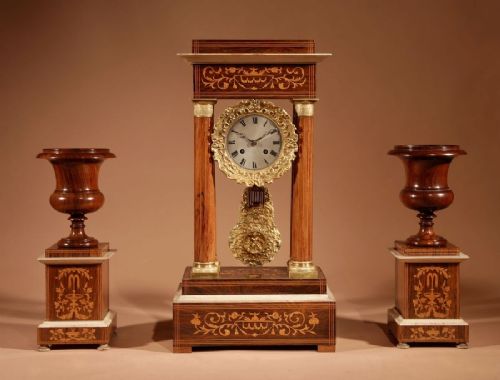
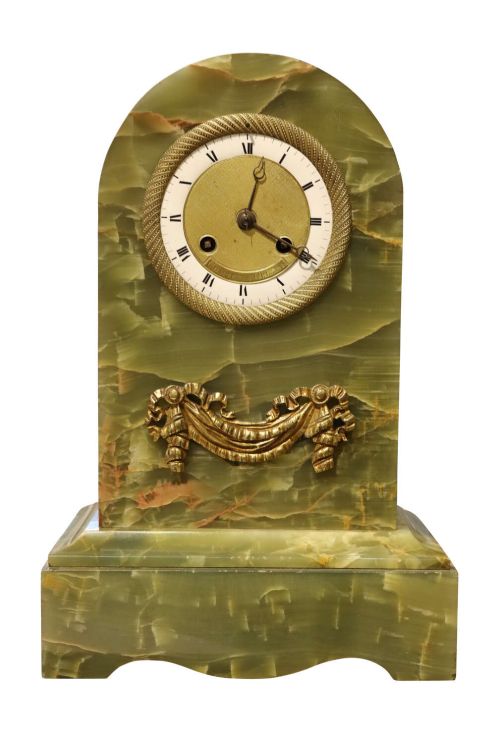
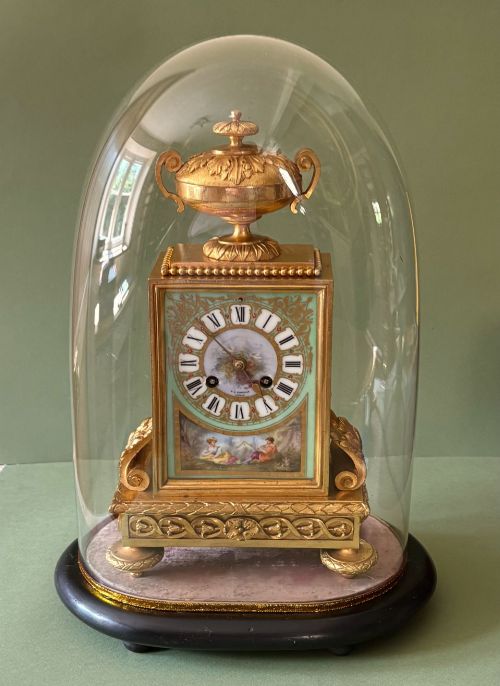
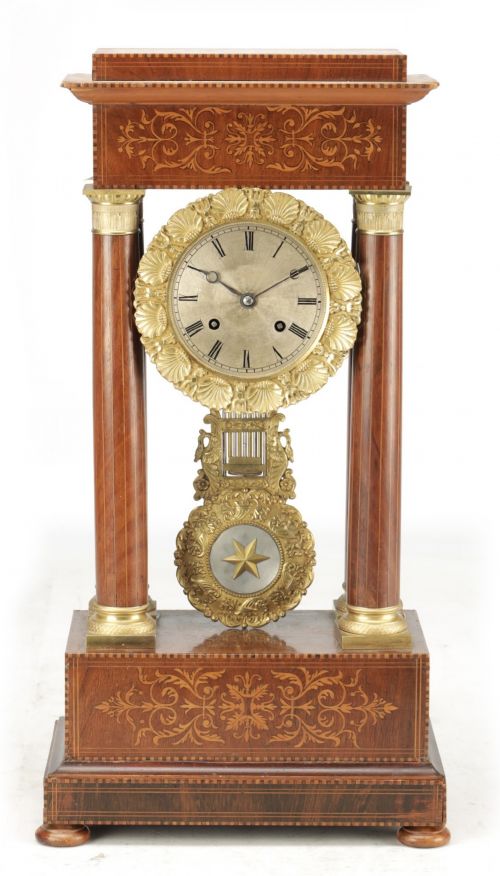
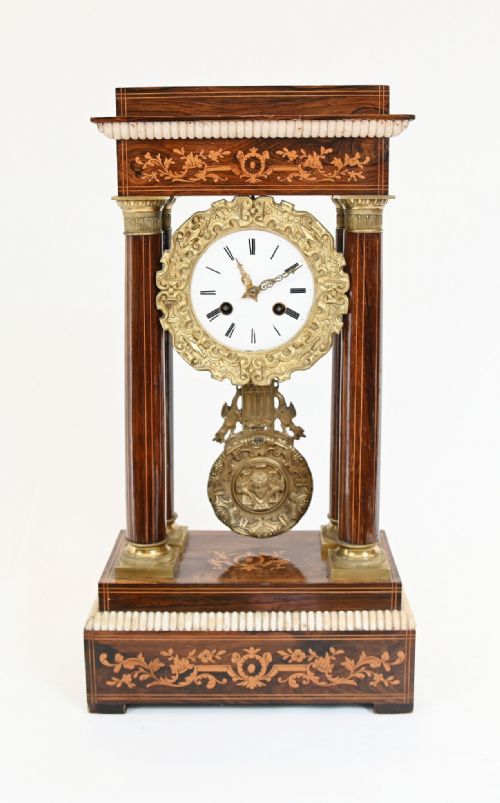
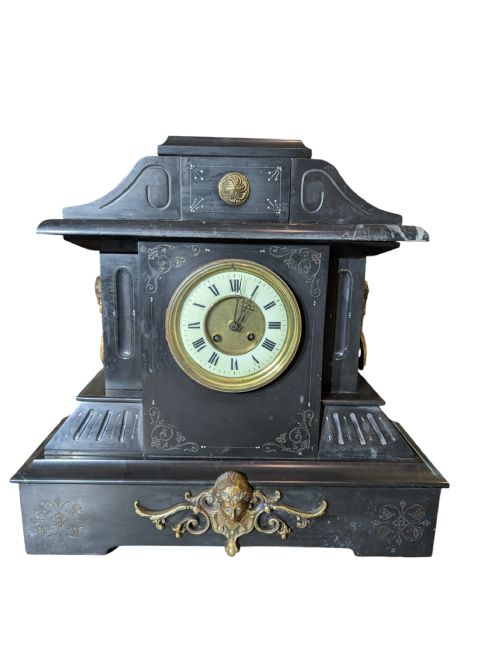
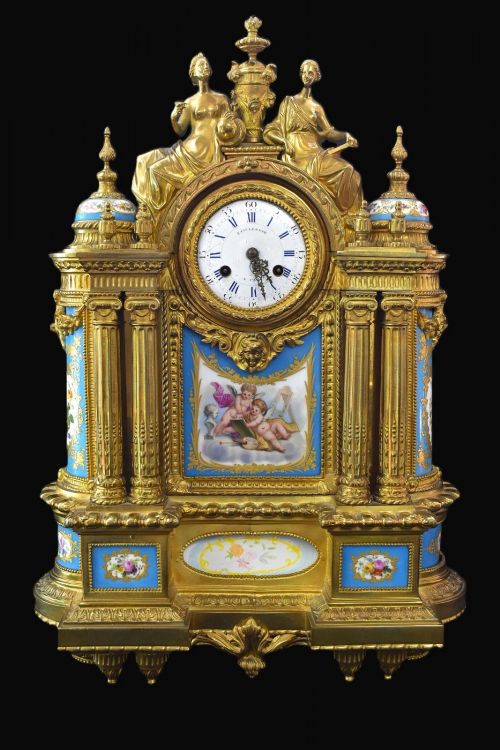
A french mantel clock mount encompasses the decorative gilt bronze, ormolu, and porcelain accents that define nineteenth-century horology. These timepieces range from heavy architectural marble and bronze cases to elaborate portico and lyre shapes.
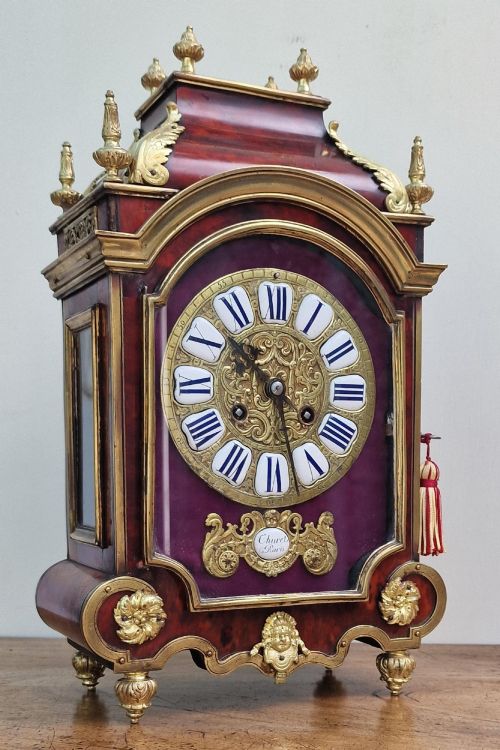
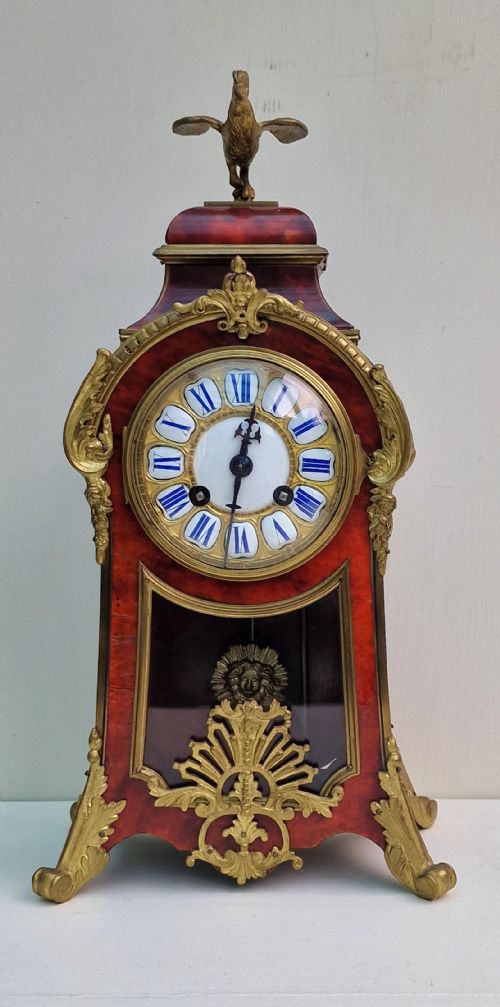
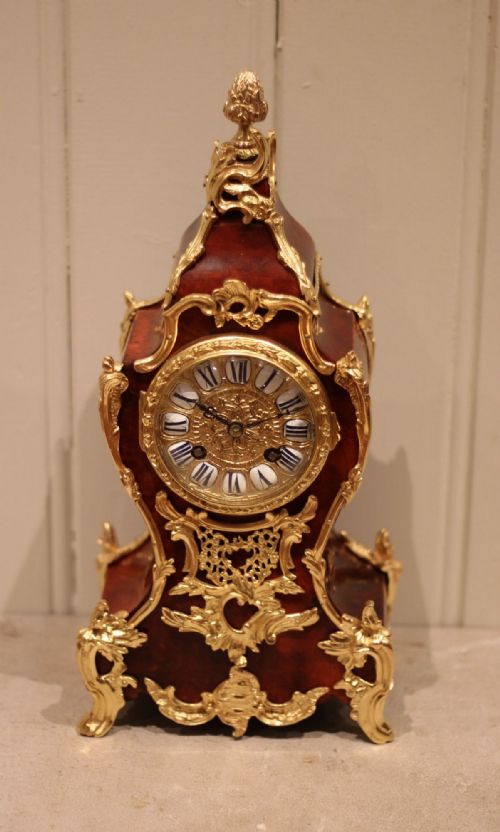
The pieces appearing most frequently originate from the nineteenth century, spanning Victorian revivals, Second Empire designs, and Louis-style interpretations. Buyers will encounter substantial marble bodies alongside tortoiseshell and boulle marquetry frames.
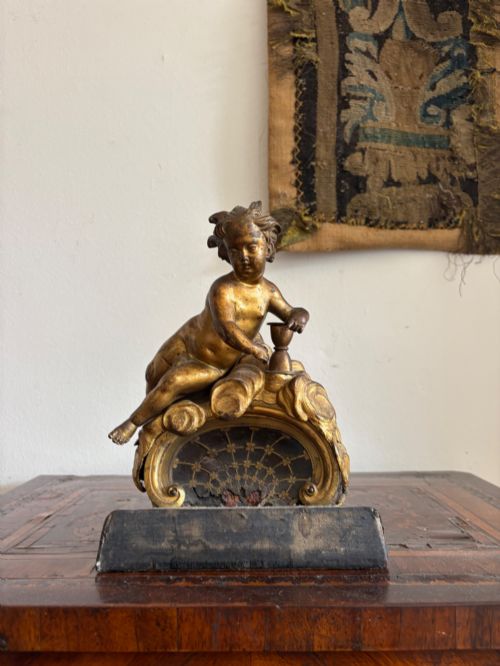
Many examples incorporate figurative elements, architectural columns, or decorative finials designed to elevate domestic interiors. These objects function simultaneously as precise mechanical timekeepers and sculptural works of art.
Materials and Construction
The primary construction combines cast bronze, brass, and ormolu mounts with natural materials like rouge marble, green onyx, tortoiseshell, and exotic woods. Boulle marquetry incorporates brass and tortoiseshell inlay set into dark wooden carcases.
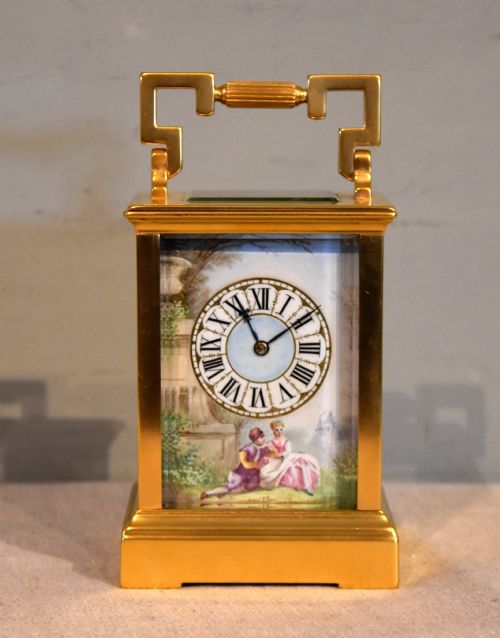
Gilt bronze and ormolu components undergo intricate casting and fire-gilding to achieve lasting metallic brilliance. Enamel dials and hand-painted porcelain panels provide contrasting surfaces for Roman and Arabic numerals.
Assessing Craftsmanship
Quality rests upon the crispness of the bronze chasing and the depth of the fire-gilding on the mounts. Superior examples display sharply defined ornamentation that remains clean and expressive across every surface.
The integration of the movement with its housing distinguishes finer productions, noting whether marble cases are free from major fractures and whether marquetry inlay sits flush within the timber.
Charles à Orléans·Thuret·Etienne Lenoir·Louis Goret·Lenzkirch·Auguste Moreau·J.B. Delettrez
The French Mantel Clock Mount Glossary
- Ormolu
- Gilt bronze created by applying a mixture of gold and mercury to a cast brass object, then heating it to drive off the mercury. This technique produces a durable golden finish characteristic of antique French decorative arts.
- Boulle
- A form of marquetry developed in France using tortoiseshell and brass inlaid in contrasting patterns. It often covers the entire wooden body of bracket and mantel clocks.
- Portico Clock
- A clock design featuring an architectural case supported by columns resembling a classical porch. These pieces frequently house the pendulum swinging visibly between the vertical pillars.
- Garniture
- A set consisting of a central clock accompanied by matching side ornaments such as vases or candelabra. These matched groupings created a balanced display on nineteenth-century mantelpieces.
- Lyre Clock
- A timepiece shaped like the ancient musical instrument, typically suspended within a frame adorned with gilt bronze mounts. The central glass aperture often reveals the swinging pendulum.
French Mantel Clock Mount: Frequently Asked Questions
What is boulle work?
Boulle work is an elaborate marquetry technique using cut-out patterns of tortoiseshell and brass. Artisans layered the materials together to produce matching positive and negative sheets for cabinetwork.
Named after the royal cabinetmaker André-Charles Boulle, this technique reappeared on nineteenth-century French mantel clocks. The contrasting metallic sheen and dark organic shell create a rich visual texture.
How should I care for marble and ormolu?
Marble surfaces require dusting with a soft, dry cloth to prevent grime accumulation. Avoid acidic cleaners and abrasive materials that can etch the stone or scratch the polished finish.
Ormolu mounts should be gently cleaned without harsh chemical solvents to preserve the original fire-gilt surface. Proper environmental humidity helps maintain both the wooden carcases and the internal mechanical movements.
Are these clocks suitable for daily use?
These antique mechanisms function reliably when properly serviced by a qualified horologist. Many feature eight-day movements requiring a weekly wind using the appropriate key.
Placement away from direct sunlight and heat sources protects delicate veneers like tortoiseshell and rosewood. Regular professional maintenance ensures the gear trains operate smoothly over time.