

French Louis XVI Armchair
When you search for a french louis xvi armchair, you encounter elegant seating defined by neoclassical restraint and classical proportions.
French Louis XVI Armchair
A french louis xvi armchair embodies the neoclassical shift away from curved rococo excesses toward straight lines, symmetry, and geometric forms. Buyers searching this phrase frequently find pieces spanning the eighteenth century through nineteenth-century revivals and later twentieth-century interpretations.
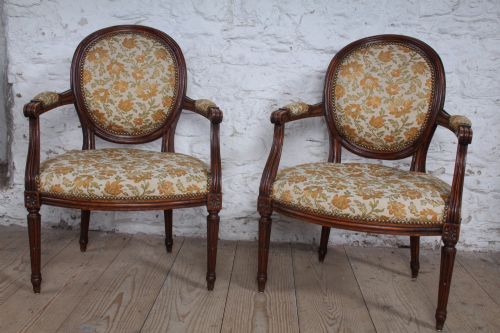
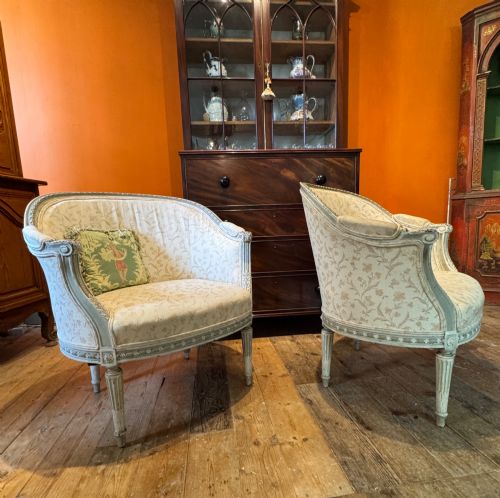
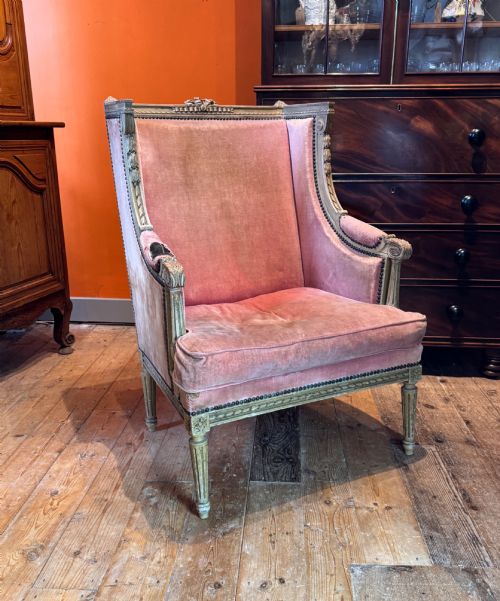
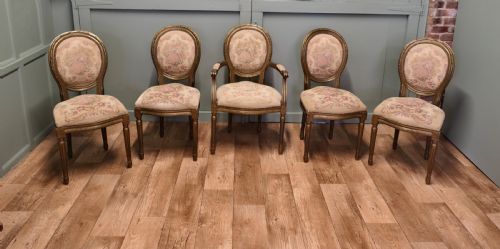
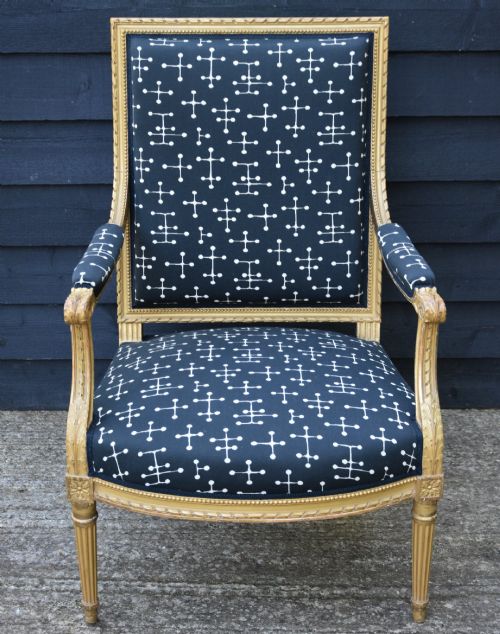
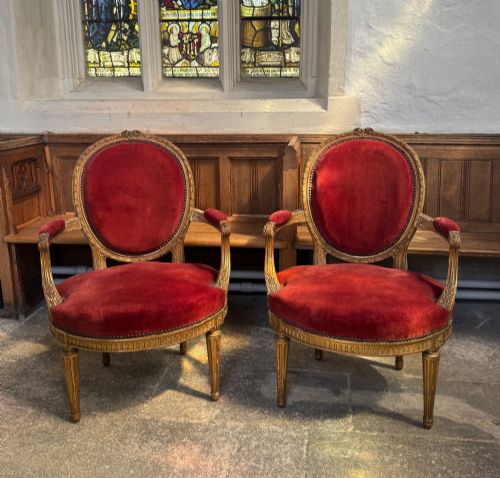
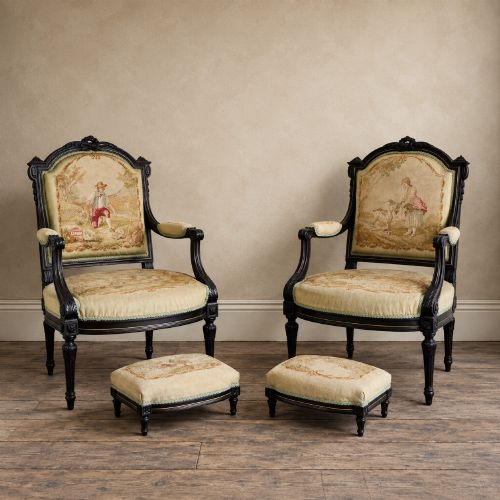
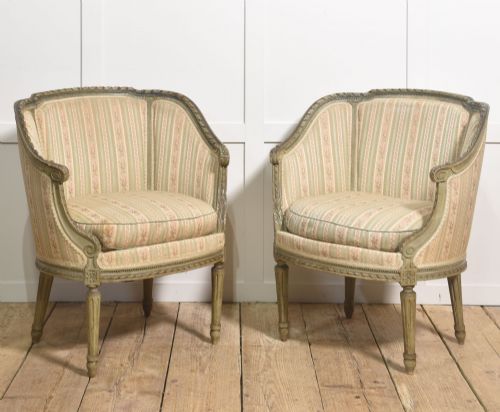
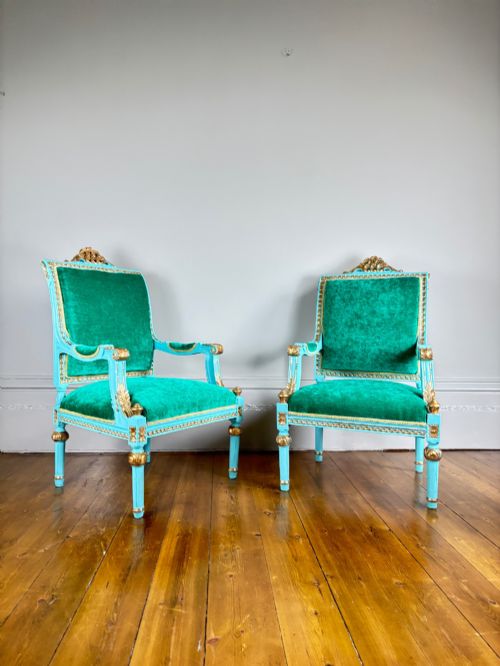
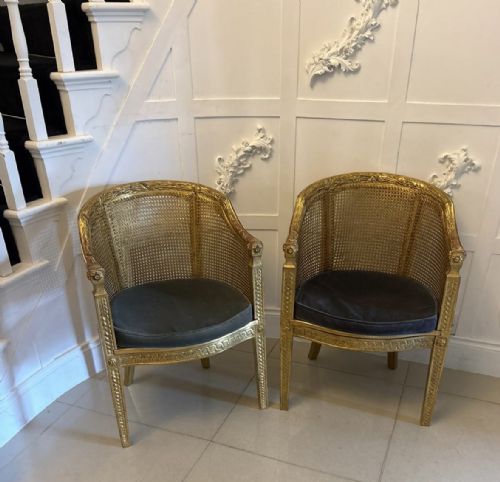
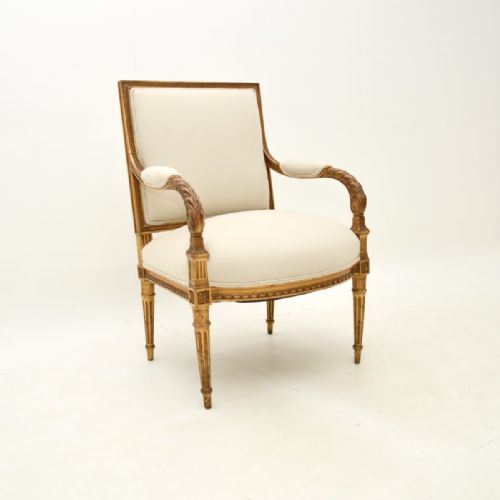
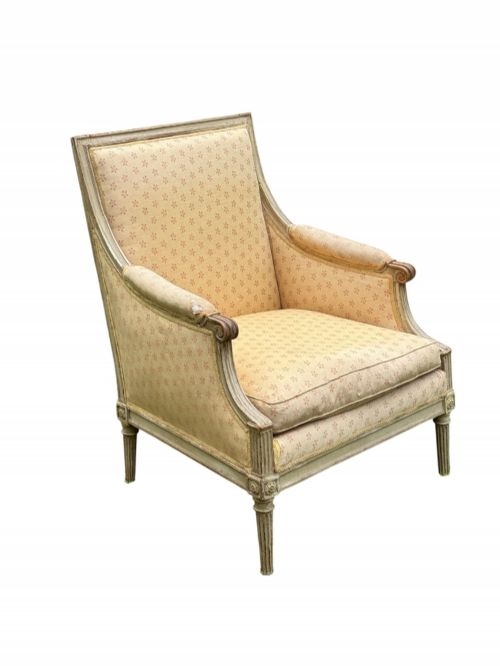
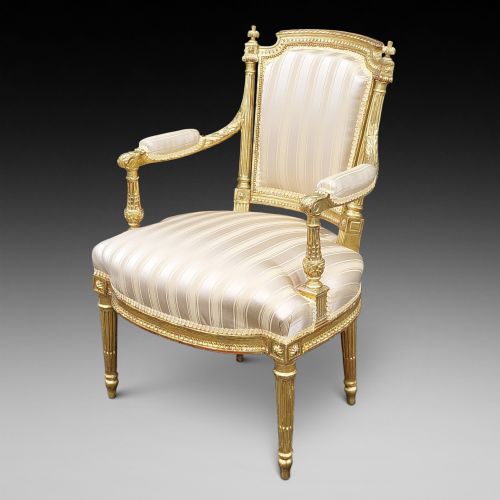
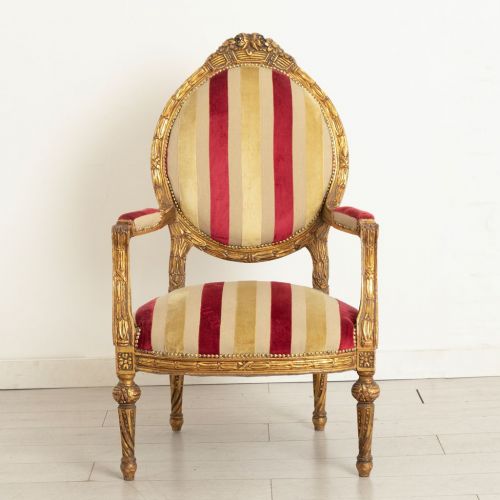
Forms include open-arm fauteuils, enclosed bergères, and tub chairs alongside larger salon suites and occasional seating. These pieces often feature rectilinear or medallion-shaped backs supported by characteristic fluted legs.
Origins trace primarily to French craftsmanship, ranging from authentic eighteenth-century workshops to nineteenth-century revival outputs created during periods of historicist appreciation.
How They Were Made
Maker frameworks rely predominantly on solid hardwoods such as beech, walnut, and giltwood, frequently shaped through traditional joinery and detailed hand-carving. Surfaces are finished with original paint, applied gilding, or polished wood tones.
Upholstery incorporates traditional textile applications including velvet, silk damask, and detailed needlepoint tapestry panels secured over supportive internal webbing and stuffing.
The available selection spans eighteenth-century pieces, nineteenth-century revivals, and twentieth-century interpretations.
What Varies in Quality
Depth and crispness of hand-carved ornamentation separate standard revival pieces from finer examples, particularly around floral rosettes, acanthus leaves, and fluted column details. The integrity of original surface treatments, whether aged paint or historic gilding, significantly influences overall execution.
Structural refinement shows in the precision of joinery at the frame connections and the selection of primary timbers. Higher-tier examples maintain harmonious proportions between the backrest, arm supports, and underframe.
Henri Jacob
The French Louis XVI Armchair Glossary
- Bergère
- An enclosed armchair featuring upholstered sides filled with stuffed cushioning or cane work. This style provides a more enclosed and substantial seat than an open fauteuil.
- Giltwood
- Timber treated with a thin layer of gold leaf applied over a prepared gesso base. This finish creates a bright reflective surface common on formal salon seating.
- Medallion chair
- A chair featuring a distinct circular or oval upholstered backrest. The shape emulates classical portrait medallions popular during the neoclassical revival.
- Cabriolet
- A chair design characterised by a concave curving back and outward-curving legs. This profile softens the rectilinear geometry typical of the neoclassical style.
French Louis XVI Armchair: Frequently Asked Questions
What is a French Louis XVI armchair?
A French Louis XVI armchair is a formal seat characterised by neoclassical restraint, straight lines, and classical proportions. These pieces typically feature geometric frames and fluted legs rather than curved rococo shapes.
Designs range from open-armed fauteuils to enclosed bergères, reflecting historical periods from the eighteenth century onward. They served as refined seating within formal salons and chateaux.
How do I tell original pieces from later revivals?
Distinguishing original eighteenth-century pieces from nineteenth-century revivals requires examining timber ageing, joinery techniques, and tool marks. Revival makers closely copied earlier neoclassical forms during periods of historicist enthusiasm.
Comparing construction details and surface wear helps clarify whether a piece dates to the original period or a later revival.
How were these armchairs used historically?
Historically, these armchairs functioned as principal seating within formal reception rooms and drawing rooms. Their open or enclosed frames accommodated elaborate period garments while signaling social status.
Matched suites often included matching settees and side chairs to create unified arrangements for entertaining guests.
How do I care for antique upholstery and gilded frames?
Caring for antique frames involves gentle dusting and avoiding moisture that can damage delicate gilding or painted surfaces. Preserving original textile upholstery requires careful vacuuming through protective mesh.
Maintaining stable indoor humidity levels prevents timber shrinkage and protects fragile internal padding materials.