

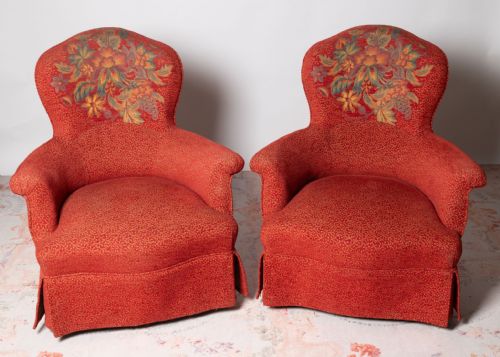


French Period Accent Chair
A french period accent chair brings formal European seating into a modern interior, offering ornate woodwork and historic upholstery.
French Period Accent Chair
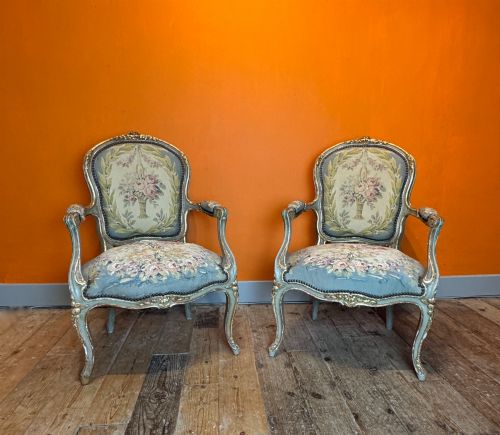
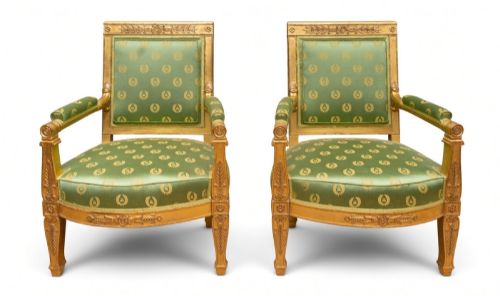
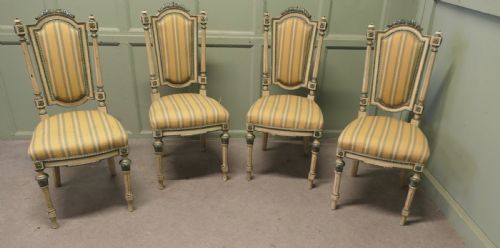
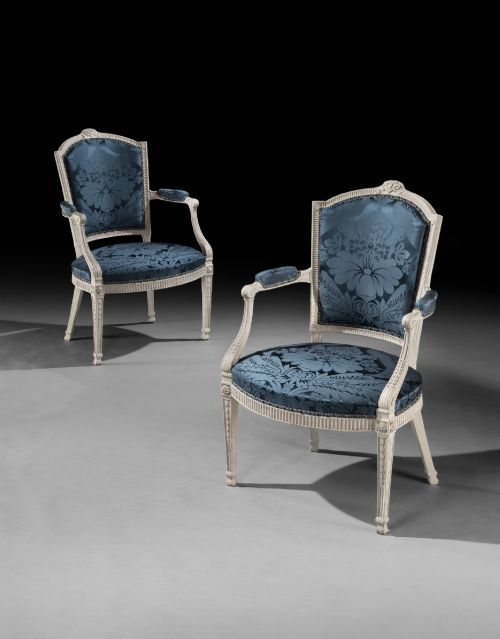
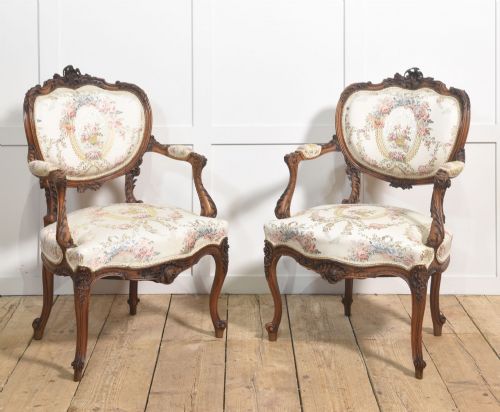
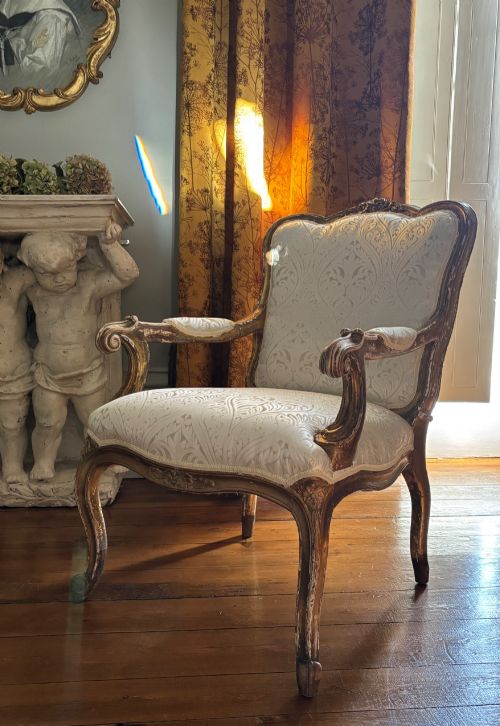
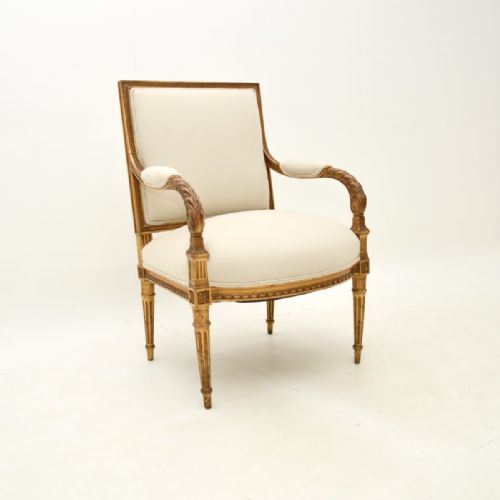
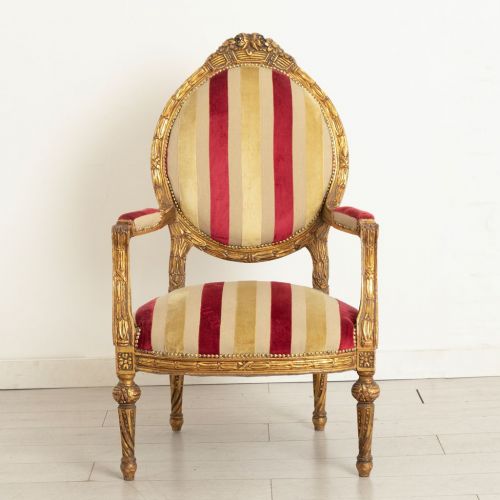
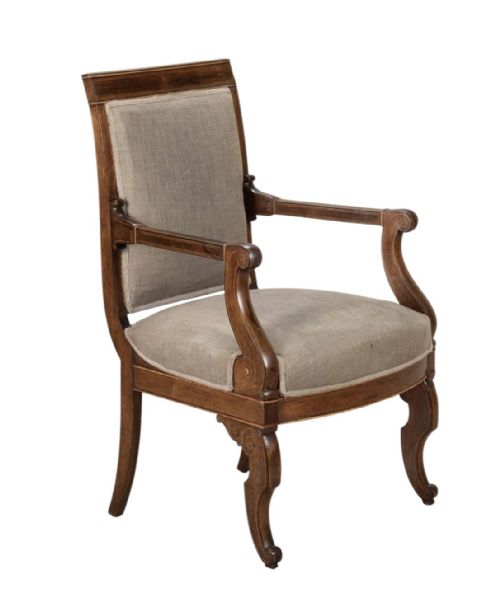
A buyer searching for a french period accent chair encounters formal seating forms such as armchairs, salon chairs, and side chairs spanning the eighteenth and nineteenth centuries. These historic pieces reflect distinct regional and stylistic movements ranging from the Regency period to later revival designs.
Armchairs and smaller bedroom chairs on this page demonstrate the enduring appeal of continental seating. The selection includes matched pairs and sets originating from various European workshops.
Examples frequently display classic architectural motifs associated with Louis styles and subsequent nineteenth-century interpretations. These seats function effectively as decorative focal points within contemporary rooms.
Materials and Construction Techniques
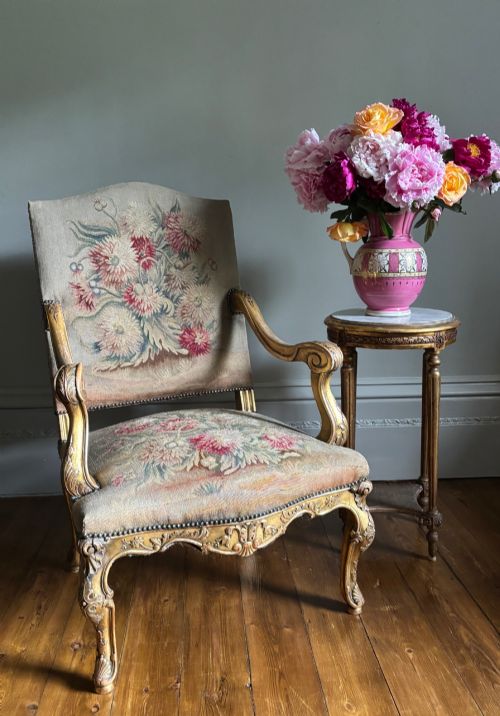
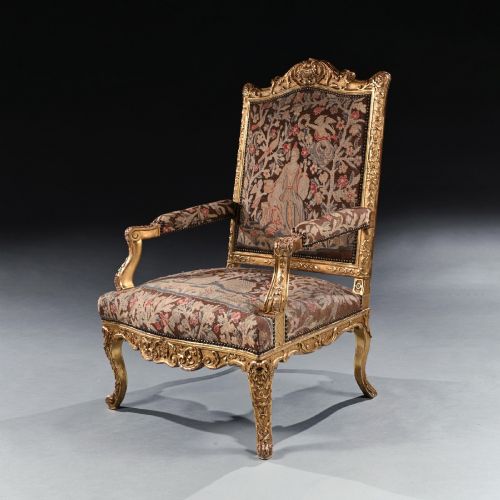
Frames are constructed from solid hardwoods including walnut, beech, and rosewood, which provide the structural integrity required for carved ornamentation. Giltwood and painted finishes are frequently applied to the timber surfaces to achieve decorative distinction.
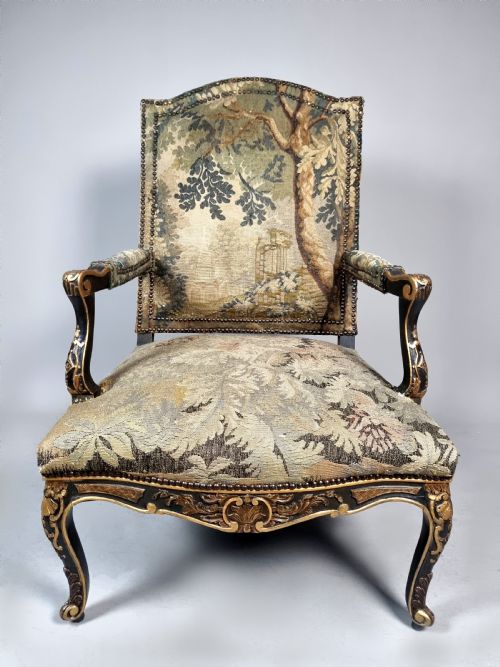
Upholstery relies on traditional textile coverings such as damask fabric, tapestry, and needlepoint. These materials are secured to the padded frames using traditional methods to maintain historical accuracy.
Some chairs spent centuries observing French court life before relocating to modern sitting rooms.
Assessing Quality and Execution
The sophistication of the carved wooden ornament dictates the distinction of individual seating. Skilled hand-carving in walnut or giltwood displays depth and precision that distinguish superior examples from simpler production.
The integrity of the original or period upholstery materials influences the character of the piece. Fine needlepoint and damask textiles complement the underlying frame construction.
Jacob-Desmalter·Blaise Maucuy
The French Period Accent Chair Glossary
- Fauteuil
- An open-arm armchair with upholstered back and seat, typically featuring exposed wooden framing. This form developed during the seventeenth century in France.
- Bergère
- An enclosed armchair with upholstered sides and a loose seat cushion. The design offers greater comfort than standard open-arm seating.
- Giltwood
- Timber coated with a thin layer of gold leaf applied over a prepared gesso surface. This finish provides a reflective decorative sheen.
- Needlepoint
- Hand-stitched textile work executed on canvas mesh, frequently employed for historic chair upholstery. The technique permits intricate pictorial or geometric patterns.
- Louis XVI Style
- A neoclassical design movement characterised by straight tapering legs, geometric symmetry, and classical ornamentation. It emerged in France during the eighteenth century.
French Period Accent Chair: Frequently Asked Questions
How do I identify a true period chair?
Examine the timber construction methods and joinery visible on the underside of the frame. Hand-cut joints and aged patina indicate traditional manufacturing techniques.
Compare the decorative carvings against documented historic styles to confirm the period of origin.
Where should I place an accent chair?
These chairs function well in living rooms, bedrooms, or hallways as decorative seating elements. Pair an open armchair with a small table to create a distinct reading corner.
Keep the seating away from direct sunlight to protect delicate silk or tapestry upholstery from fading.
Can I use these chairs daily?
Historic seating accommodates normal sitting, though the underlying frame construction determines daily utility. Lighter salon chairs suit occasional use rather than heavy lounging.
Professional assessment of the internal webbing ensures the seat supports regular weight safely.
How do I maintain historic upholstery?
Vacuum textile surfaces gently using a soft brush attachment to remove dust accumulation. Professional dry cleaning preserves fragile silk and needlepoint fabrics.
Avoid chemical cleaning sprays that can damage antique wood finishes and historic textile fibres.