




French Keepsake Box
A french keepsake box holds personal treasures, uniting fine craftsmanship with centuries of continental style.
French Keepsake Box
A french keepsake box is designed to safeguard small valuables, trinkets, and letters, appearing across various forms such as jewellery caskets, table boxes, and snuff boxes. These objects serve both practical storage and decorative display within domestic interiors.
Buyers meeting this search phrase frequently encounter pieces originating from the nineteenth century, including specific periods like the Victorian era, Regency, and Napoleon III. Styles span from Rococo Revival and French Provincial to the ornate aesthetics of the Second Empire and Belle Epoque.
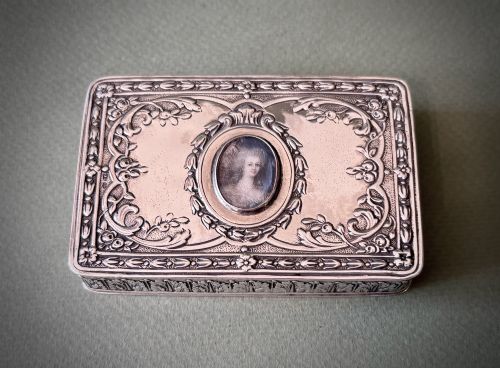
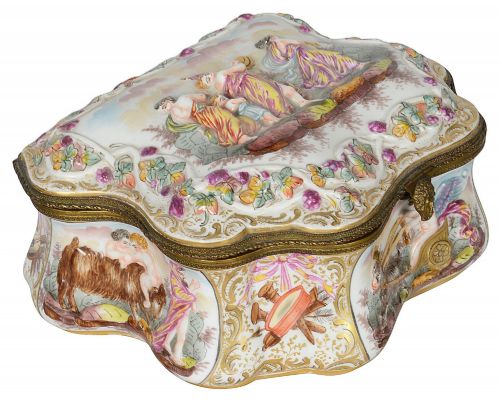
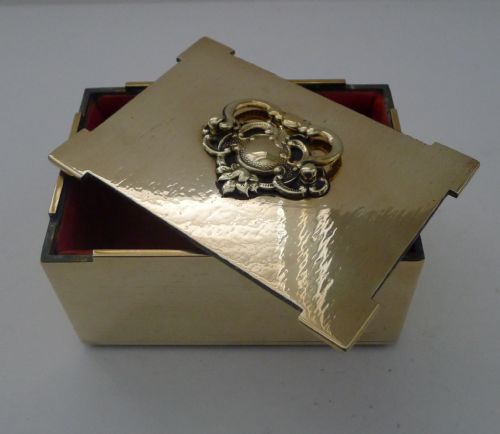
The selection ranges from small trinket boxes and dragee boxes to substantial jewellery caskets and faux book safes. Materials vary considerably, encompassing brass, bronze, cast brass, silvered and gilt finishes, porcelain, leather, paper, cardboard, glass, and exotic woods like thuya wood, satinwood, and ebony.
Materials and construction
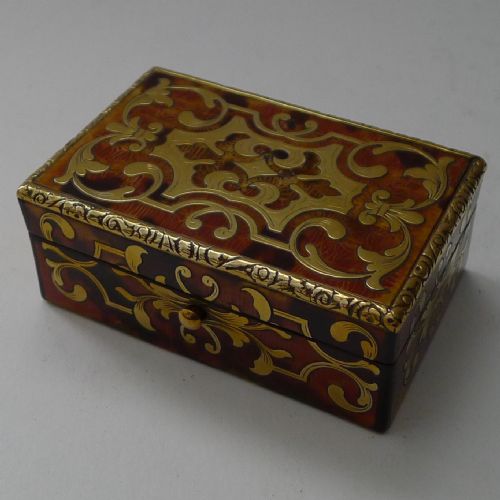
Construction methods rely heavily on the combination of structural timbers or metals with decorative surface treatments. Artisans utilised cast brass, ormolu, bronze, and silver alongside timbers such as satinwood and ebony, frequently incorporating intricate intarsia or boullework inlay into the timber carcases.
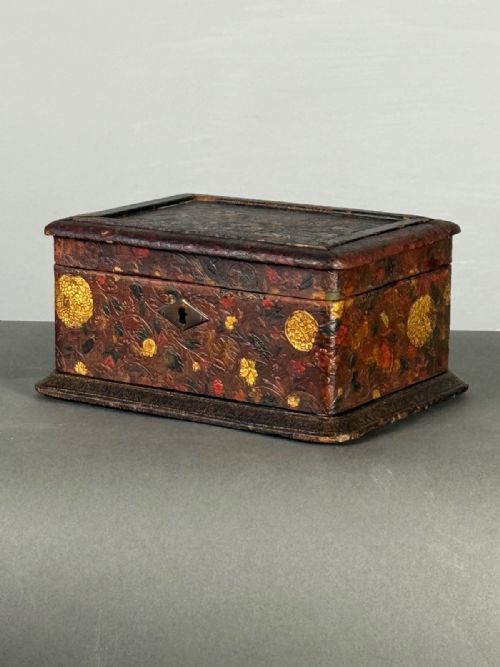
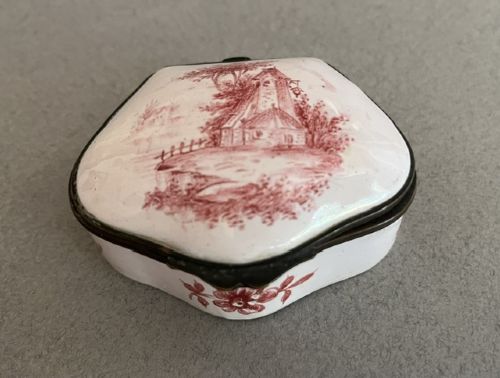
Leatherwork involved tooling and gilding, seen on covers and faux book caskets, whilst paper and cardboard constructions utilised hand-painted decoration. Porcelain components were glazed and hand-painted, fitted into metal mounts that secured the opening lids and formed the structural framework of the caskets.
One exceptional box hides its identity inside a faux book binding complete with tooled leather, masquerading as a library volume.
Assessing quality and execution
Quality rests upon the precision of the metal mounts, the crispness of the casting in bronze and brass, and the intricacy of wood inlay such as boullework. Superior examples demonstrate tight joints, well-fitted hinges, and refined hand-painting rather than mechanical execution.
The choice of materials dictates the standing of the piece, with solid exotic woods, heavy bronze, and marked maker signatures distinguishing finer studio output from simpler paper or card constructions. The refinement of the interior lining and the complexity of the exterior ornamentation complete the evaluation.
SUSSE FRERES PARIS·AB Paris
The French Keepsake Box Glossary
- Ormolu
- Gilded bronze applied to mounts and decorative ornaments on nineteenth century furnishings. This technique provides a bright golden finish that enhances cast metal details.
- Boullework
- Marquetry technique utilising brass and tortoiseshell inlaid into wood carcases. It is frequently seen on decorative boxes from the Victorian period.
- Dragee box
- Small container originally intended for sugar-coated almonds given as favours at celebratory events. These pieces often feature delicate painting or precious metal construction.
- Thuya wood
- An aromatic citrus wood featuring distinctive swirling knot patterns. Makers prized this material for decorative veneer on nineteenth century collectors boxes.
- Napoleon III style
- Eclectic nineteenth century French aesthetic drawing inspiration from past royal periods. It heavily influenced the design of ornate jewellery caskets.
French Keepsake Box: Frequently Asked Questions
How do I date a french keepsake box?
Dating relies on identifying stylistic markers such as Rococo Revival curves, Napoleon III ornamentation, or Belle Epoque detailing. Materials like cast brass, ormolu, and specific woods also point toward particular decades of the nineteenth century.
Maker signatures, stamps like those from Paris foundries, and construction methods provide further chronological evidence for individual pieces.
How should I care for an antique box?
Preservation requires keeping wooden and leather boxes away from direct sunlight and dramatic humidity changes to prevent warping or cracking. Metal mounts and ormolu benefit from gentle dusting without abrasive chemical cleaners.
Handling should focus on supporting the base rather than lifting by fragile hinges or protruding decorative mounts.
What is the difference between a casket and a box?
In period terminology, a casket typically denotes a more substantial, heavily mounted container designed for jewellery or valuables, often featuring lock and key mechanisms. A box can encompass a wider range of simpler forms, including small trinket, paper, or snuff containers.
Both terms describe similar protective functions but often reflect differences in scale and material richness.