


French Impressionist Landscape
Collecting a french impressionist landscape brings the light and air of nineteenth and twentieth-century France directly into domestic rooms.
French Impressionist Landscape
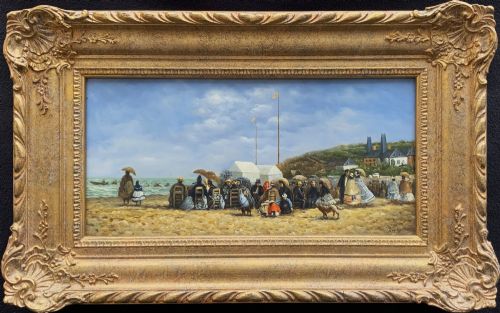
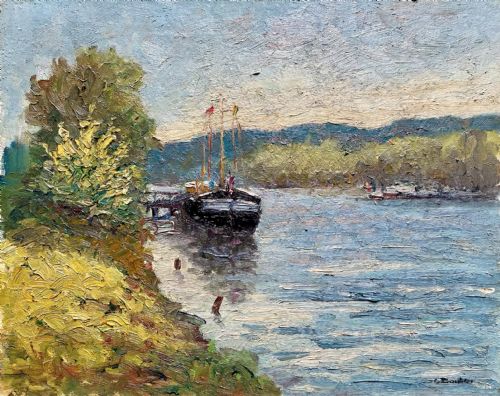
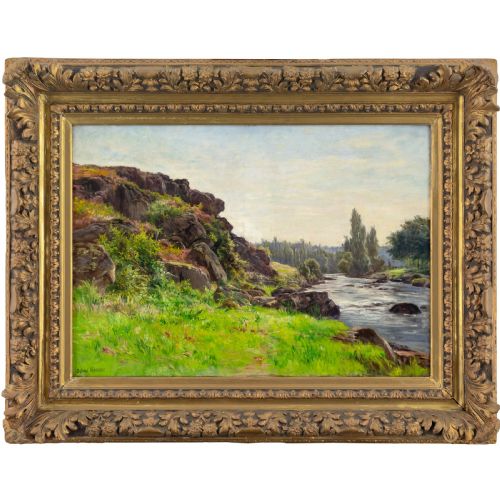
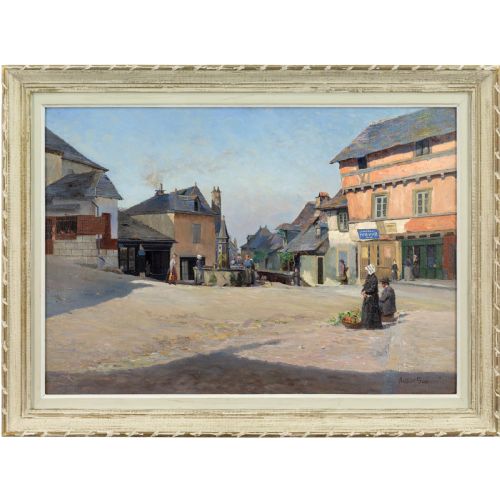
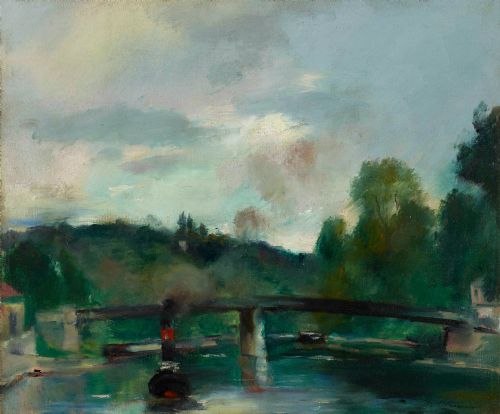
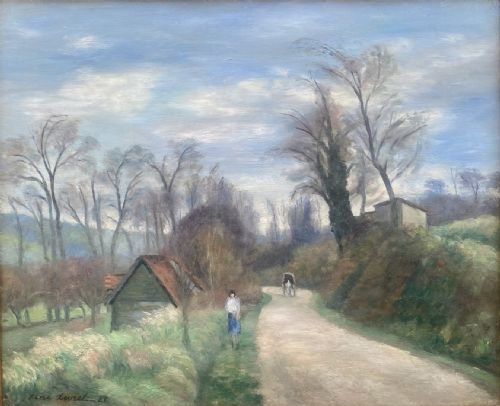
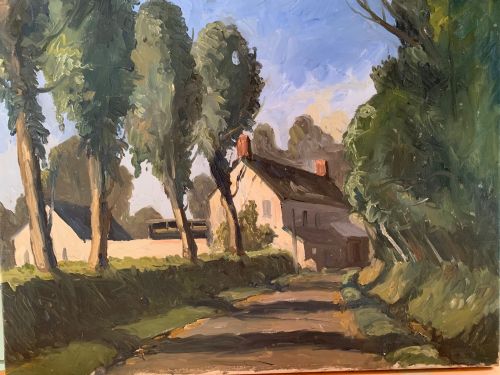
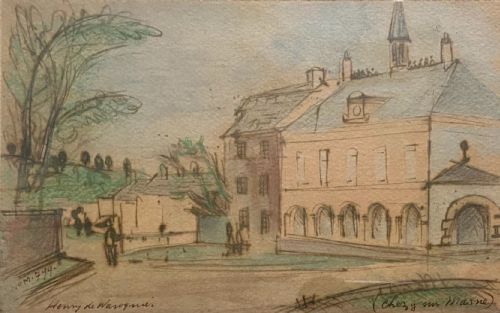
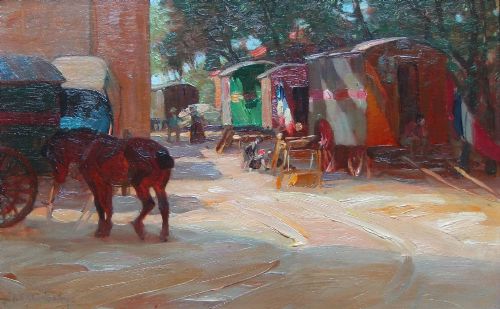
A french impressionist landscape captures outdoor scenes, rivers, coastlines, and rural villages through loose brushwork and a focus on natural light. These artworks document specific regions including Normandy, Provence, and Paris across the nineteenth and twentieth centuries.
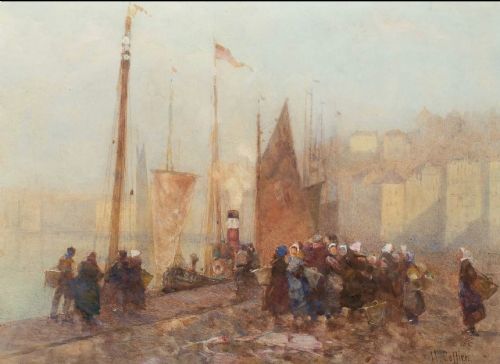
Surviving examples span oil paintings on canvas and wood panel, alongside watercolours, pastels, and mixed media works on paper. Buyers frequently encounter mid-century interpretations alongside earlier nineteenth-century Barbizon school precursors and post-impressionist canvases.
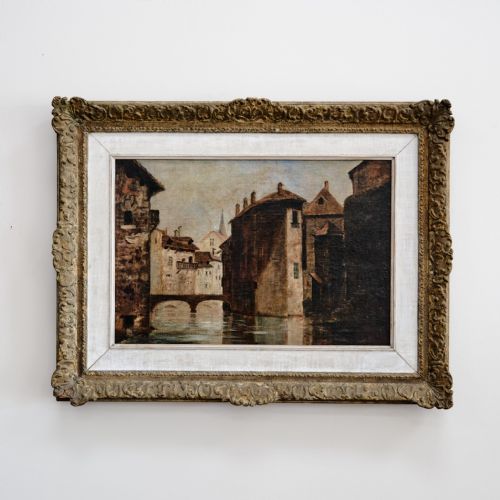
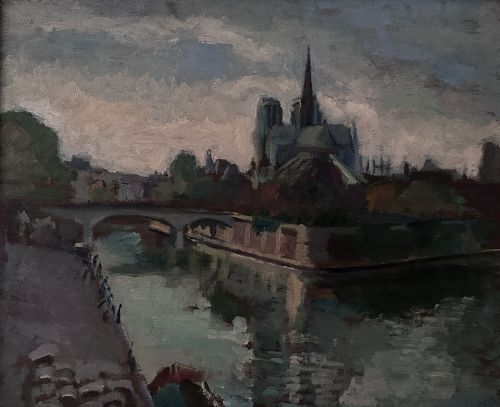
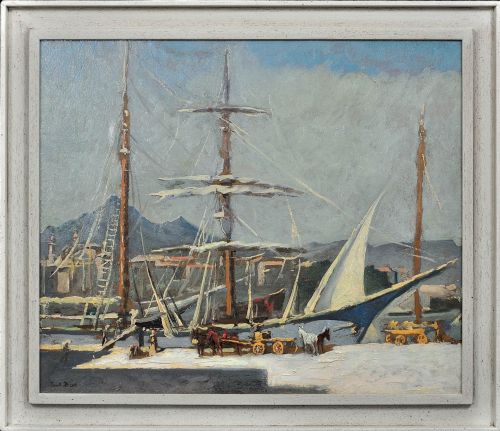
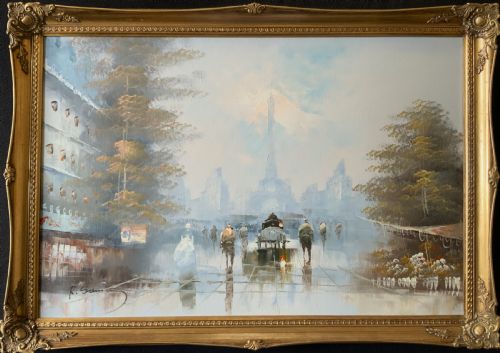
Works range from intimate plein air sketches created outdoors to large framed gallery pieces depicting cityscapes, harbour scenes, and riverbanks. Each piece reflects the evolving styles of French impressionism, post-impressionism, and mid-century impressionism.
How They Were Made
Artists painted primarily with oil paint applied to stretched canvas, wooden panels, or paper supports, utilising visible brushstrokes to convey movement and changing weather. Gesso served as a preparatory ground on wood and canvas surfaces to seal the material before pigment application.
Framing often utilised gilt wood or moulded frames designed to complement the palette and period of the artwork. Watercolours and gouache on paper required protective glazing, preserving delicate washes and ink lines against environmental moisture.
French Impressionist Landscape Retail Price Guide 2026
Typical asking prices for french impressionist landscape among the pieces listed under this phrase on Sellingantiques today, from the lower quarter to the upper quarter. They describe what is for sale here now, not the wider market.
The documented pieces span the nineteenth century through the 1960s, encompassing Barbizon school, impressionist, and post-impressionist styles.
What Varies in Quality
The strength of a french impressionist landscape rests in the confidence of the brushwork and the artist's handling of atmospheric light and shadow. Superior examples demonstrate a deliberate composition where tone and colour create depth rather than relying on strict architectural or botanical detail.
The preservation of the original paint surface and the condition of the canvas or panel determine the integrity of the piece. Period frames that complement the painting without obscuring the edges add considerable historical context to the work.
Gabriel Mathieu·Arthur Gué·Paul Bret·Hector Caffieri·Henri Ottmann·Rene Levrel·Erich Mercker·Paul Désiré Trouillebert·Henry de Waroquier·Paul Ehrenberg·Paul Élie Gernez·Caroline Burnett·Honore Cavaroc·Charles Clair·Henri Jaques Delpy·Paul Jean Anderbouhr·Gaston Cornil·Raymond Moritz·Lokre·Louis Suire·Gustave Vidal·Jean Baptiste Olive·Raymond Picque·William Lee Hankey·Raimond Louis Lecourt
The French Impressionist Landscape Glossary
- Plein air
- Painting outdoors directly from the subject to capture transient effects of light and weather. This method defined much of nineteenth-century French landscape practice.
- Canvas
- A heavy woven fabric stretched across a wooden frame to serve as a painting support. It accommodates thick oil paint layers and impasto techniques.
- Gesso
- A white paint mixture consisting of a binder mixed with chalk, gypsum, or pigment used to prepare wood or canvas surfaces. It provides a stable base for oil application.
- Post-Impressionism
- An artistic movement following impressionism where painters extended impressionist techniques while exploring more structured forms and expressive colours. It encompasses varied regional styles across France.
- Barbizon school
- A mid-nineteenth-century French art movement toward realism in landscape painting, named after a village near the Fontainebleau Forest. Painters focused on direct observation of nature.
French Impressionist Landscape: Frequently Asked Questions
How do I identify a French impressionist landscape?
Look for visible brushwork, an emphasis on natural light, and outdoor subject matter such as rivers, fields, or street scenes. Signature styles and period framing often provide additional clues to the origin and date.
Examine the back of the canvas or panel for old gallery labels, inscriptions, or stamps that record past exhibitions or framing shops in France.
Were these paintings created outdoors?
Many works began as rapid outdoor plein air sketches to capture fleeting light before being finished in the studio. Other larger compositions were fully developed indoors using those initial studies.
Portable paint boxes and smaller wood panels made it practical for artists to work directly along riverbanks and coastal cliffs.
How should I frame and display my artwork?
Display paintings away from direct sunlight and excessive humidity to protect oil paint and canvas integrity. Period gilt wood frames enhance the historical appearance of nineteenth and twentieth-century canvases.
Ensure wall fixings are secure and appropriate for the combined weight of the painting and its wooden frame.
What subjects are most common in these paintings?
Riverside views along the Seine, coastal scenes in Normandy and Brittany, and Parisian streetscapes dominate the surviving record. Rural French countryside views featuring agricultural workers or quiet villages also appear frequently.
Artists favoured locations accessible by railway from Paris, turning local waterways and coastal towns into enduring artistic subjects.