


French High Chair
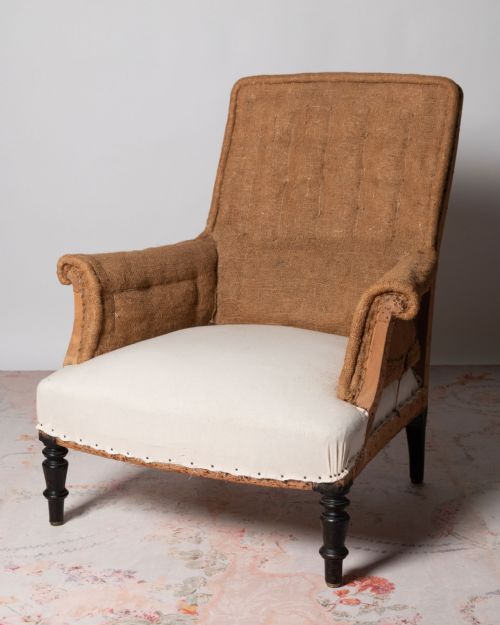
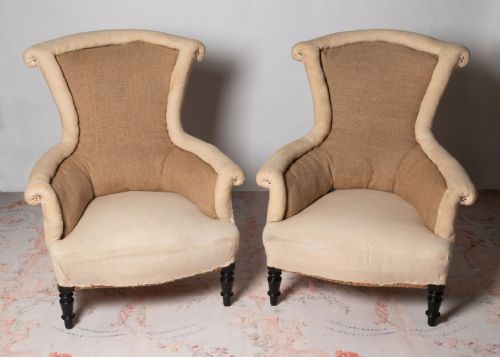
When you search for a French high chair, you are looking at seating with elevated proportions and Continental craft, built to anchor a dining room or salon.
French High Chair
A French high chair search brings up items spanning from the seventeenth century through to the early twentieth century, incorporating dining chairs with elevated backs as well as child's high chairs.
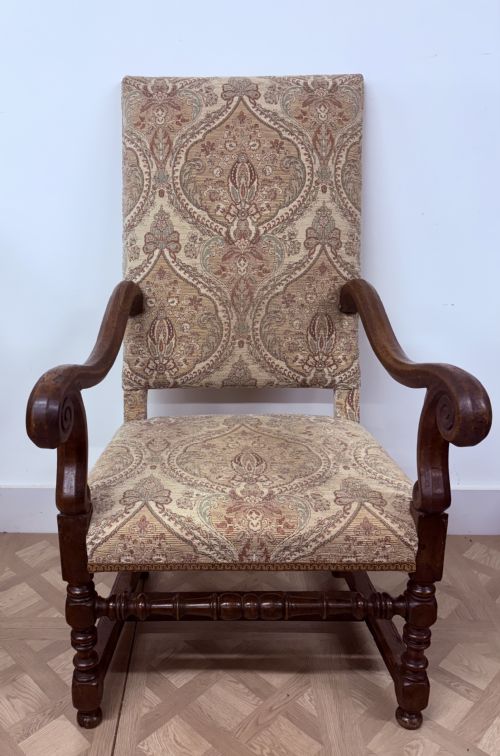
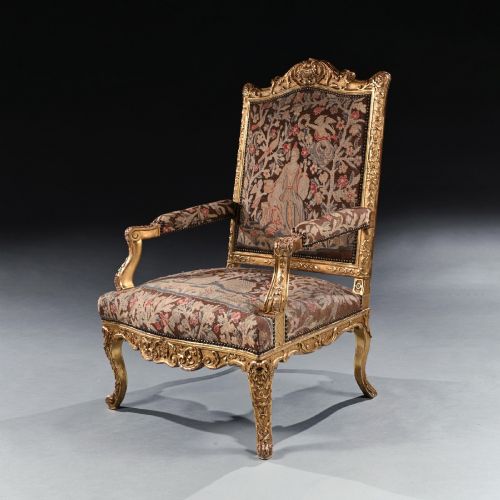
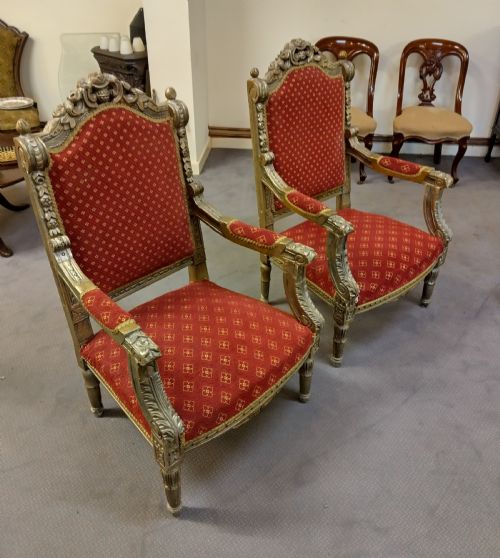
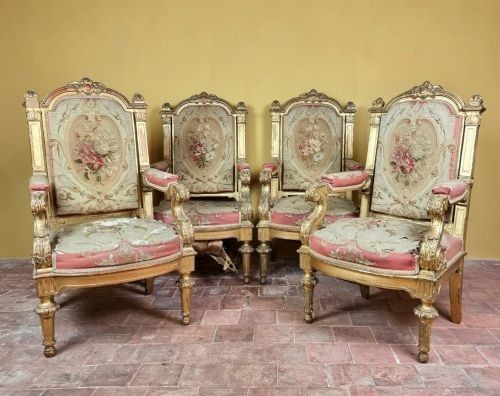
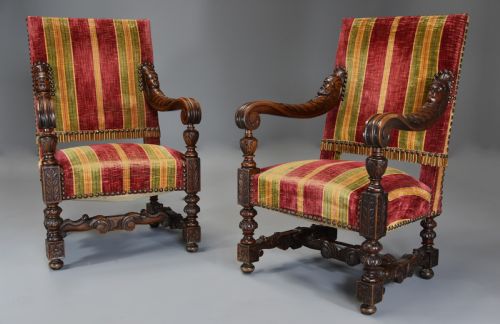
The prevailing versions on this page are nineteenth-century walnut and oak pieces, often echoing earlier Baroque, Regence or provincial designs.
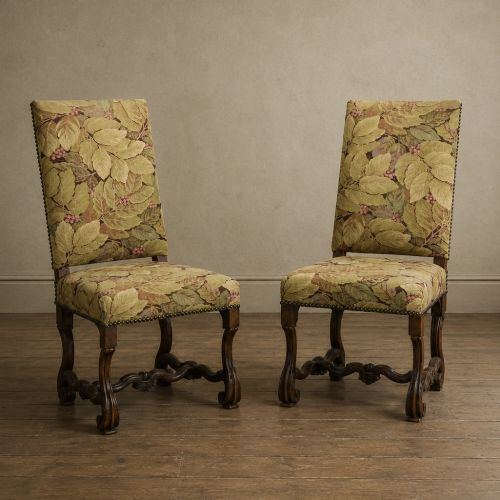
These forms range from tall dining sets and high back armchairs down to occasional child's seating in bamboo or timber.
What varies in quality
The refinement of the carved details on the timber frames separates standard production from exceptional pieces, particularly in bespoke or revival styles.
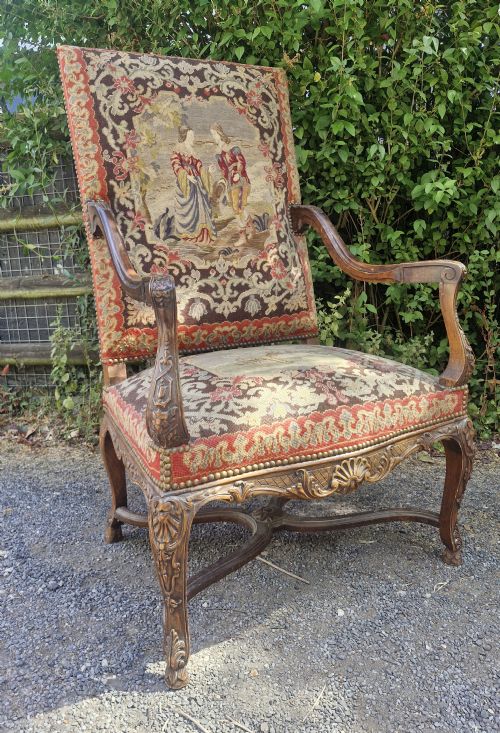
The integrity of the original wood structure and the quality of surviving upholstery materials, such as period leather or hand-worked tapestry, define the upper tier.
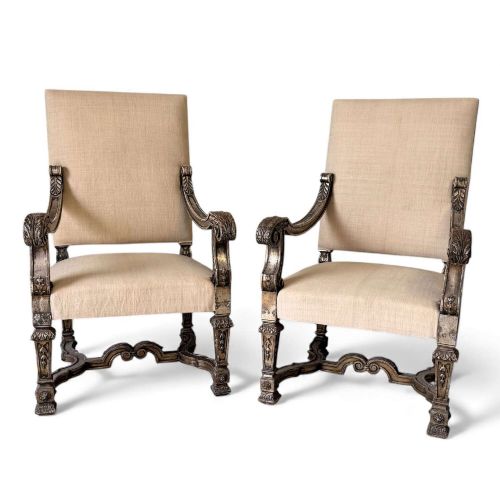
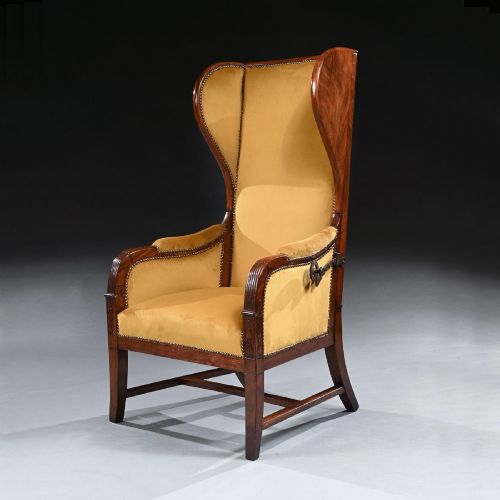
Listings feature walnut, oak, beech and mahogany timbers alongside giltwood finishes and needlework upholstery across multiple centuries.
Louis Majorelle
The French High Chair Glossary
- Fauteuil
- An open-armed upholstered chair originating in France, characterised by exposed wooden framing around the back and seat sides.
- Giltwood
- Timber that has been coated with a thin layer of gold leaf or gilt finish to create a decorative, reflective surface.
- Regence
- A transitional French style bridging the Louis XIV and Louis XV periods, noted for curved lines and restrained ornamentation.
- Os De Mouton
- A form of furniture leg carved to resemble sheep bone, frequently seen on seventeenth-century and revival seating.
French High Chair: Frequently Asked Questions
What defines a French high chair?
A French high chair generally refers to either an adult dining chair featuring an extended tall back or a traditional child's high chair originating from France.
They draw on regional French styles and historical revivals using woods like walnut, oak and beech.
How do I date a French armchair?
Dating relies on identifying the underlying stylistic period, such as Regence, Baroque or Napoleon III, alongside construction methods and wood patina.
Earlier pieces from the seventeenth and eighteenth centuries show hand-carved joinery, while nineteenth-century pieces often revive these historic silhouettes.
Were these chairs used for dining?
Many high back examples were built as sets specifically for formal dining rooms, offering elevated support and formal presence around a large table.
Smaller child versions were constructed for practical nursery use.
How should I care for antique upholstery?
Preserving fabric, leather or tapestry upholstery involves keeping the chair away from direct sunlight and maintaining stable room humidity.
Professional cleaning preserves delicate needlework and leather without damaging the underlying stuffing.