

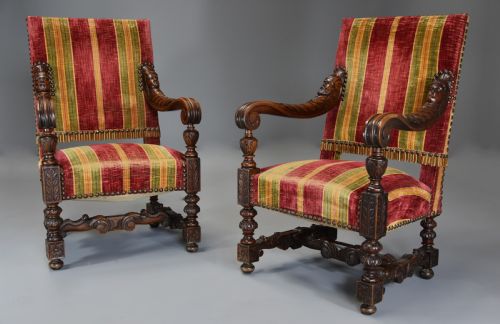


French High Back Armchairs
French high back armchairs bring commanding presence and layered historical character to a room, offering deep seating wrapped in period textiles.
French High Back Armchairs
When you search for french high back armchairs, you encounter a lineage spanning centuries of Continental seating design. The predominant examples hail from the nineteenth century, though earlier seventeenth and eighteenth-century specimens appear alongside twentieth-century revivals.
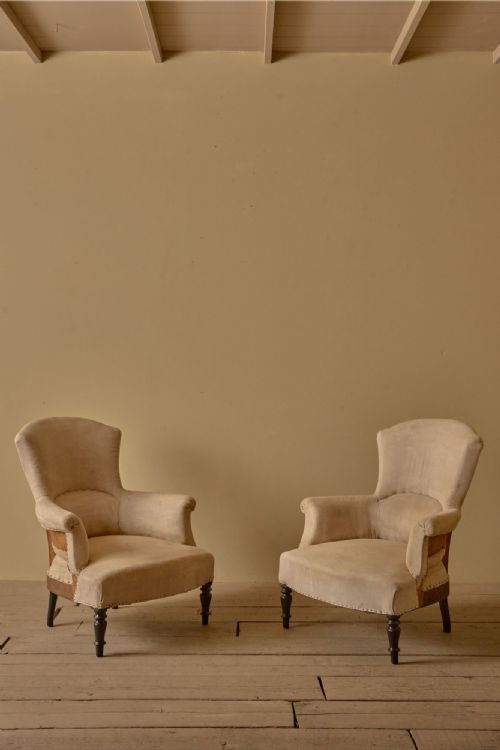
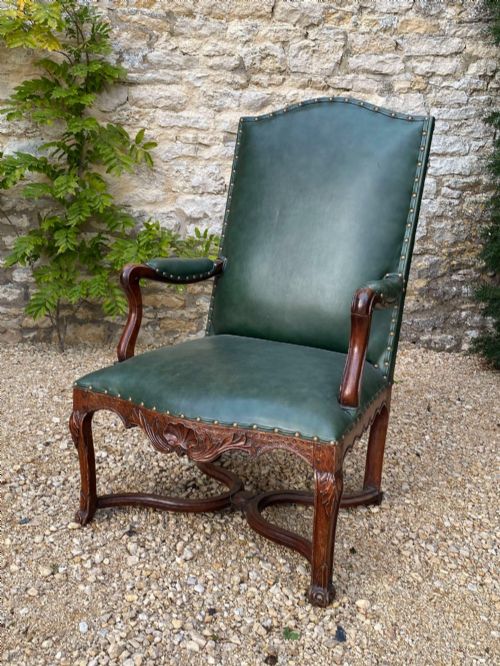
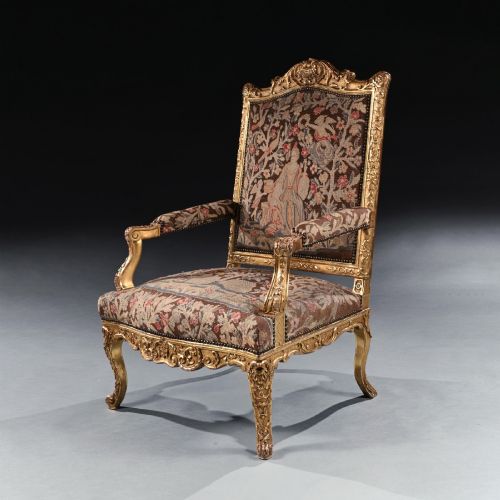
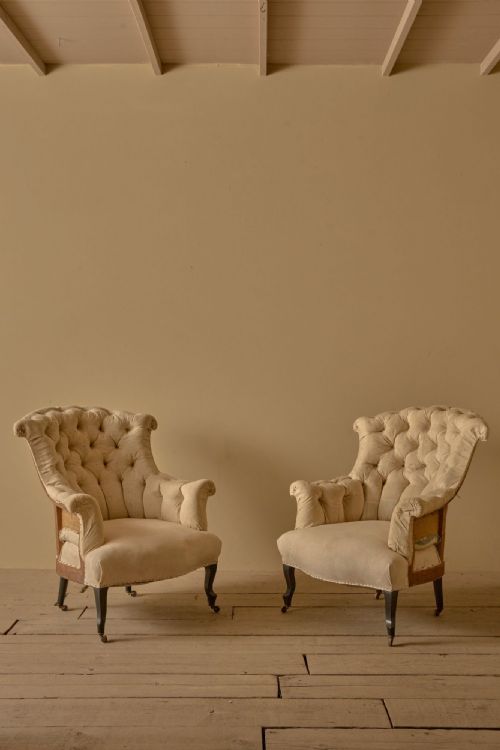
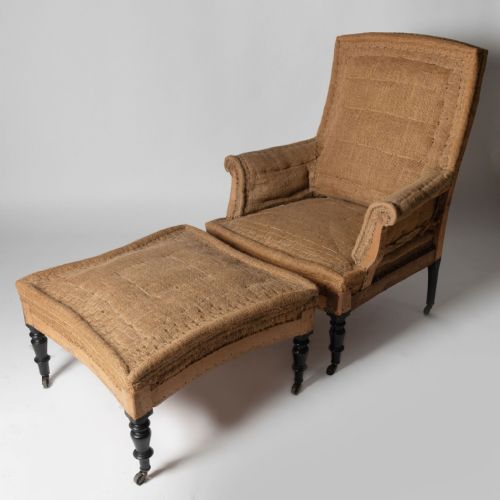
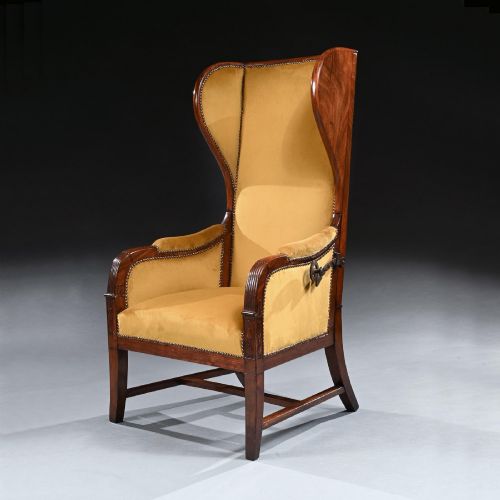
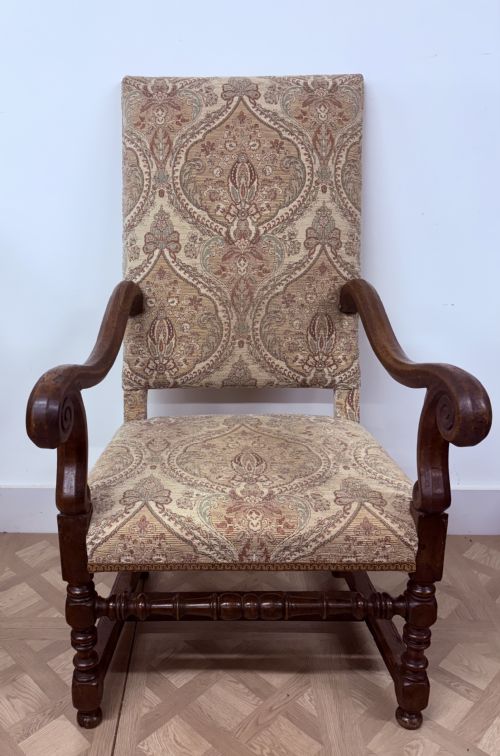
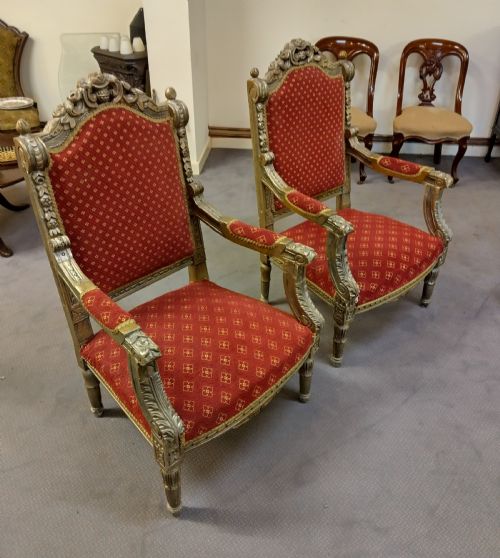
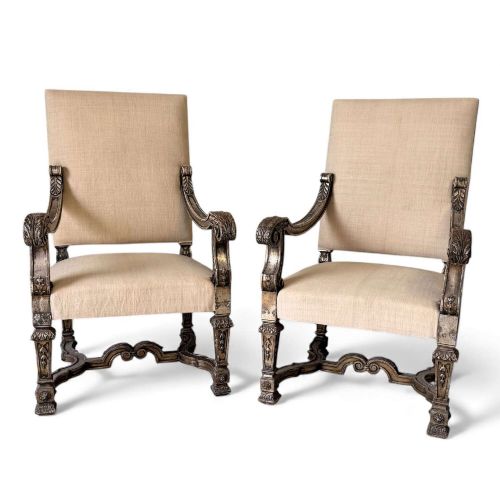
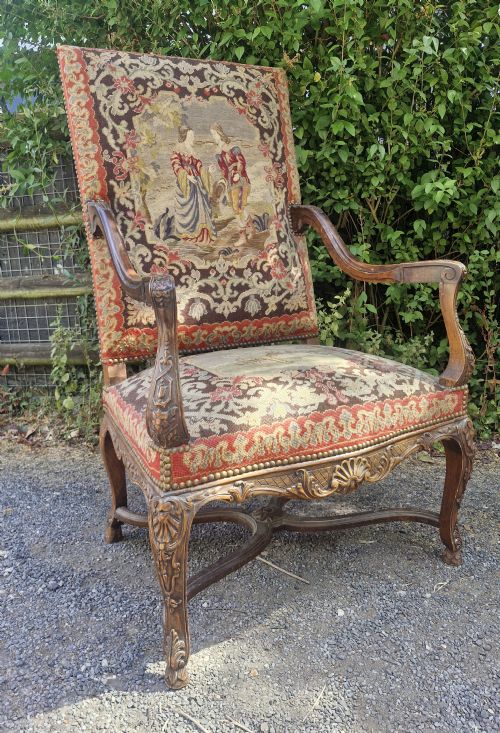
Forms on this page range from walnut caquetoires and giltwood throne chairs to Napoleon III buttoned designs and mahogany wing armchairs. Many arrive as pairs, dressed in tapestry, needlework, silk, leather, or calico.
The selection encompasses distinct regional expressions and revival styles, including Baroque, Régence, and Louis XIII influences. These seats served grand salons and domestic chambers alike, designed to offer elevated physical support.
Materials and Construction
Makers shaped these frames from solid timbers, predominantly walnut and mahogany, augmented by giltwood and brass details. Wood carvers worked the surfaces with detailed floral, scroll, and structural motifs.
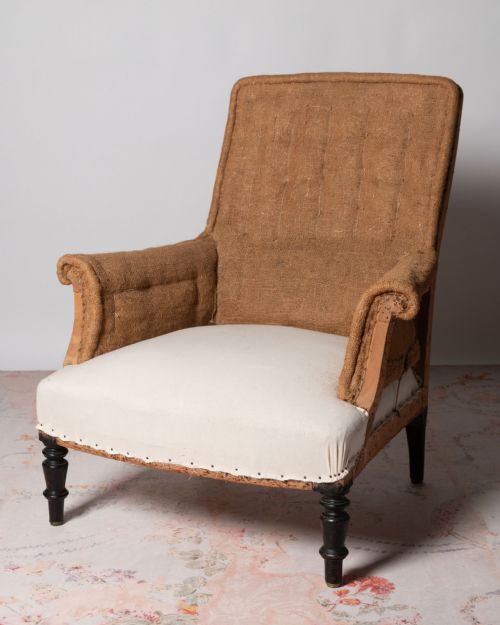
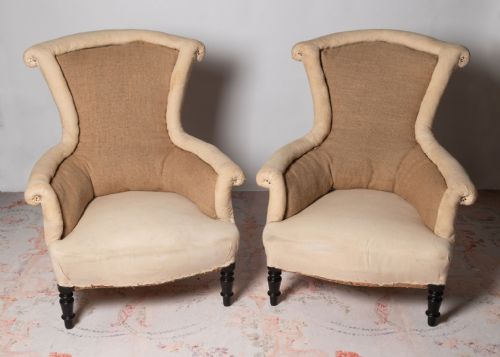
Upholstery techniques involved traditional stuffing secured beneath outer coverings of tapestry, needlework, fabric, and leather. Internal foundations frequently utilised hessian and calico to support heavy buttoning and wing structures.
French High Back Armchairs Retail Price Guide 2026
Typical asking prices for french high back armchairs among the pieces listed under this phrase on Sellingantiques today, from the lower quarter to the upper quarter. They describe what is for sale here now, not the wider market.
Listings feature walnut, mahogany, and giltwood frames upholstered in needlework, tapestry, and leather.
Judging Quality
Quality rests upon the crispness of the timber carving and the architectural integrity of the frame joints. Hand-carved walnut and giltwood examples with deep relief display superior craftsmanship compared to simpler turned frames.
The choice of covering material and the execution of the upholstery dictate the overall refinement of the piece. Hand-stitched needlework and original tapestry elevate a chair above standard contemporary reupholstery.
Louis Majorelle
The French High Back Armchairs Glossary
- Caquetoire
- A sixteenth or seventeenth-century chair with a high, narrow back and splayed arms, designed for conversation. These walnut pieces offer distinct historical seating.
- Fauteuil
- An open-arm armchair originating in France, typically featuring an exposed wooden frame with upholstered seat and back. They reflect classical French interior aesthetics.
- Giltwood
- Timber coated with a thin layer of gold leaf or gilt finish, commonly seen on decorative Baroque and Régence revival frames. This technique provides a luminous surface.
- Os De Mouton
- A style of carved furniture leg resembling sheep bone, popular in seventeenth-century seating. These curved supports add intricate texture to walnut frameworks.
- Wing Armchair
- A chair featuring side panels attached to the high back to deflect draughts and retain heat. Nineteenth-century interpretations often combine mahogany frames with deep padding.
French High Back Armchairs: Frequently Asked Questions
What periods do these armchairs represent?
The listings span from the seventeenth century through the Victorian era and into the early twentieth century. Nineteenth-century revivals of earlier French styles dominate the selection.
Earlier examples from the seventeenth and eighteenth centuries provide tangible links to foundational European woodworking traditions. Twentieth-century interpretations complete the chronological spread.
How were these chairs used historically?
High back armchairs provided formal seating in grand salons, private chambers, and dining halls. Their towering proportions denoted status and offered physical shelter from draughty rooms.
Specific forms like the caquetoire facilitated social discourse through narrow, accessible frames. Others functioned as throne chairs for formal receptions.
Are these armchairs sold in pairs?
Many of the listed pieces appear as matched pairs, particularly those originating from the nineteenth century. These symmetrical suites suited formal drawing rooms and balanced interior layouts.
Single armchairs also feature prominently for accent seating in corners or studies. Both configurations offer distinct styling opportunities for modern interiors.
What textiles cover these frames?
Upholstery materials include traditional tapestry, hand-worked needlework, silk, leather, and basic calico. Many nineteenth-century chairs retain buttoned detailing across curved or straight backs.
Subordinate materials like hessian support the internal padding of winged and cushioned variants. These diverse coverings reflect both original design intent and subsequent restoration work.