



French Hall Rack
A french hall rack organises coats, hats and umbrellas with continental flair, combining utility with decorative wrought iron, brass or wood.
French Hall Rack
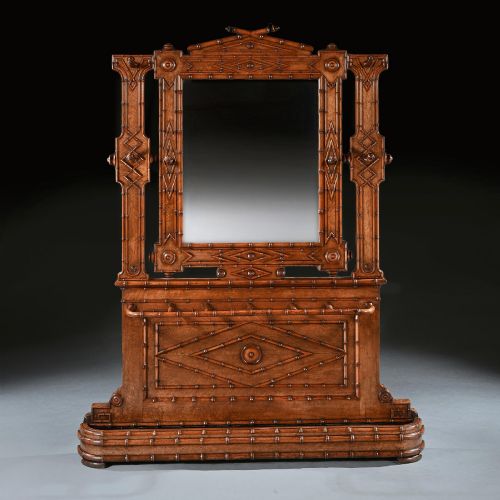
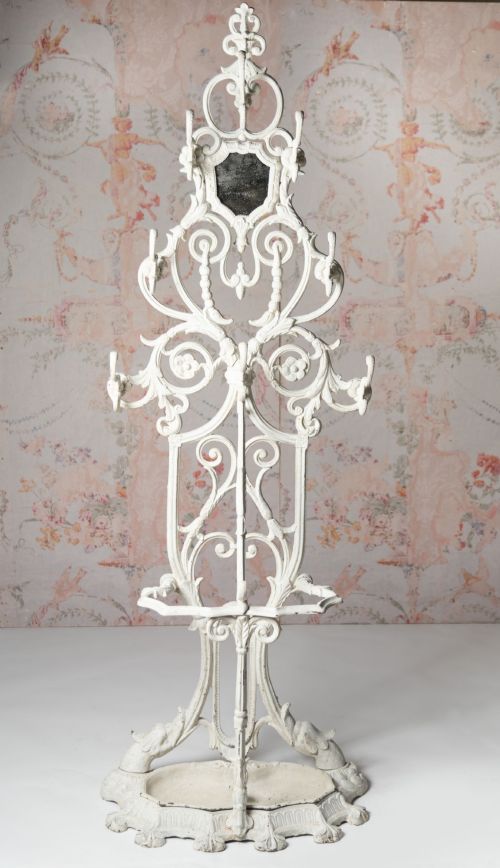
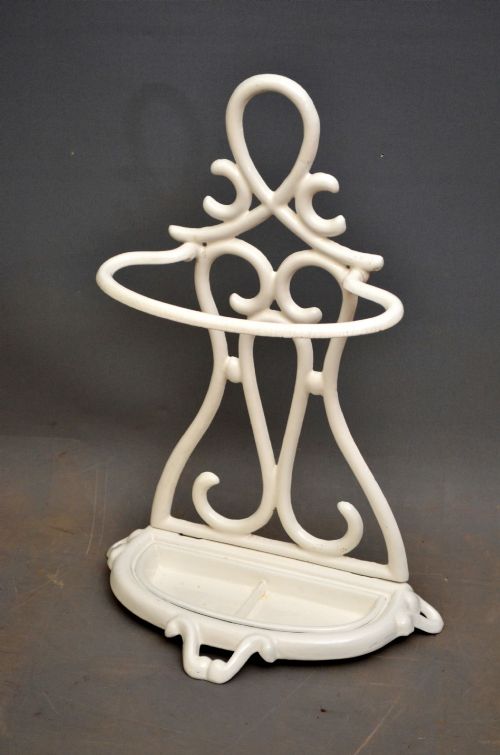
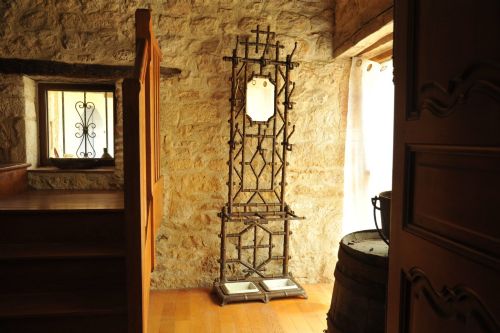
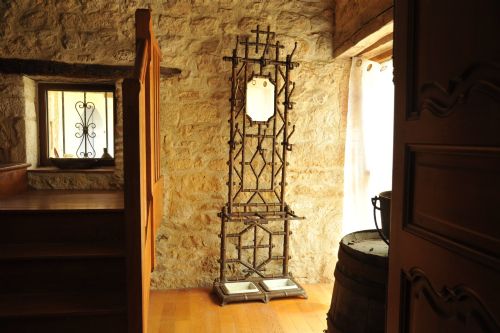
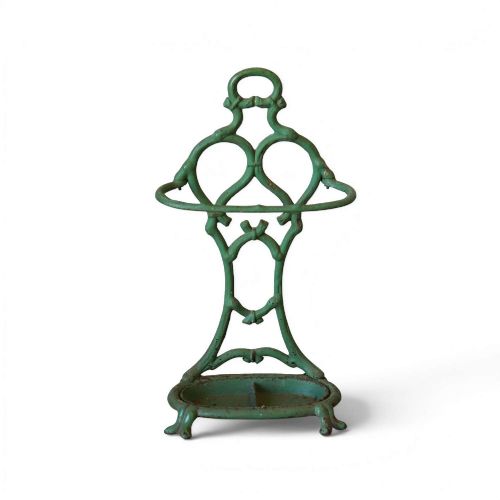
A french hall rack serves as a combined storage piece for entranceways, holding hats, coats, and walking sticks in domestic or commercial spaces. These items appear in various formats, ranging from wall-mounted rails with integrated mirrors to large freestanding stands featuring drip trays for umbrellas.
How they were made
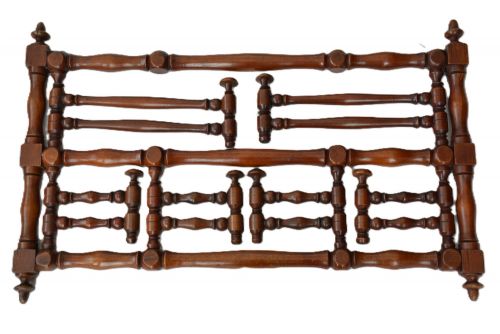
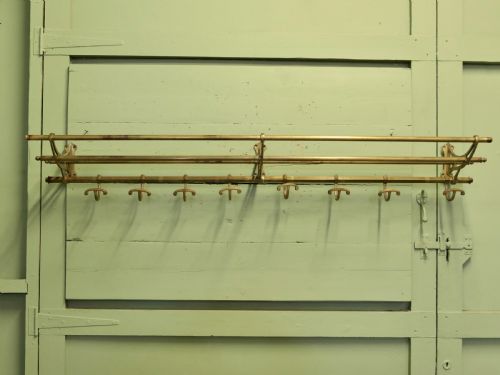
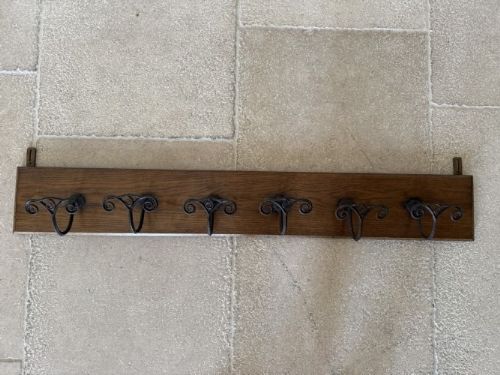
Craftsmen utilised durable metals including cast iron, wrought iron, and brass alongside solid timbers such as oak, mahogany, and pine. Iron components were frequently cast or forged into organic botanical motifs or simulated bamboo shapes, while brass elements received polished finishes.
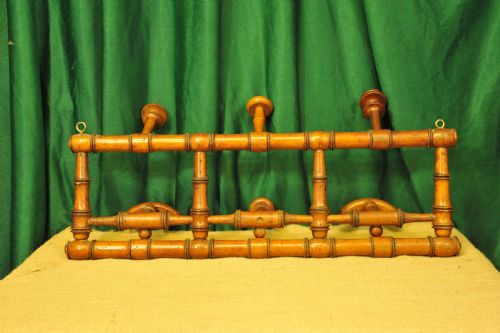
Many structural examples integrate functional hardware like heavy metal hooks, glass drip pans, and original mirrored plates. Woodworking techniques involved turning, ebonising, and applying faux bamboo finishes to mimic exotic natural materials.
Listings incorporate diverse materials including cast iron, wrought iron, brass, glass, and woods such as oak and mahogany across multiple eras.
What varies in quality
Construction robustness separates utilitarian pieces from finer decorative examples, particularly in the weight of cast iron frames and the stability of freestanding umbrella stands. Heavier metals and denser hardwoods provide better structural integrity for supporting dense winter garments.
The integrity of secondary materials dictates overall refinement, such as the clarity of original mirror plates, the presence of matching drip trays, and the precision of forged or cast details on hooks and brackets.
The French Hall Rack Glossary
- Portmanteau
- A combined hall stand incorporating hooks for coats, a shelf for hats, and often a central mirror. These multi-functional pieces dominated grand entranceways in the nineteenth century.
- Faux bamboo
- A decorative technique where wood or metal is carved, turned, or moulded to imitate natural bamboo stalks. This style gained popularity during the Aesthetic Movement and late nineteenth century.
- Stick stand
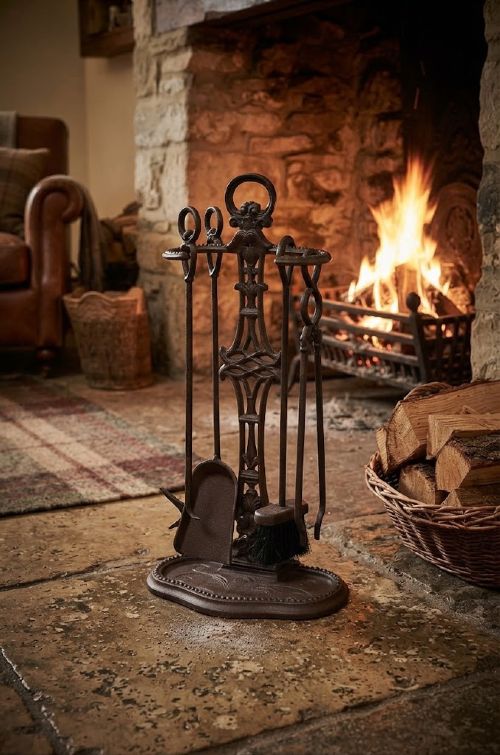
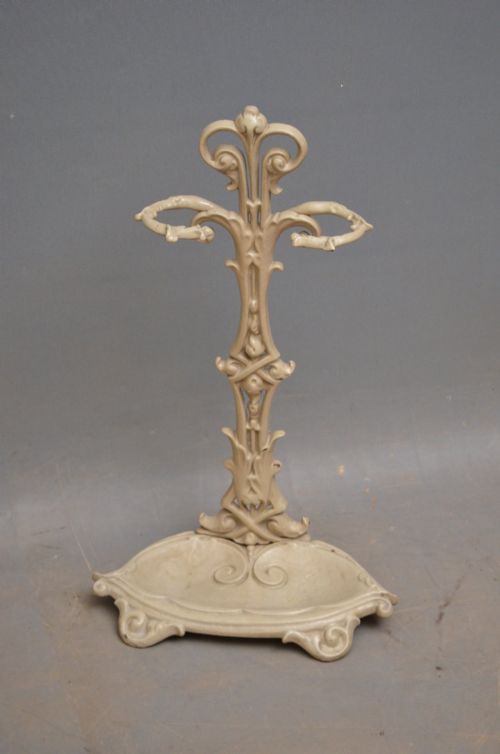
- A dedicated vertical holder for walking canes, umbrellas, and parasols, frequently manufactured from cast iron or brass with an integrated base tray to catch rainwater.
- Halberd
- A weapon-shaped design element used in decorative ironwork or woodwork, featuring an axe-like blade paired with a spike. Pieces utilising this form appear in late nineteenth century French halls.
- Japonisme
- An artistic movement reflecting Japanese aesthetic influences on European decorative arts. Pieces from this period often employ asymmetrical arrangements and naturalistic motifs.
French Hall Rack: Frequently Asked Questions
How do I secure a wall-mounted french hall rack safely?
Wall-mounted racks require solid fixings into masonry or timber studs due to the substantial weight of cast iron and hardwood frames. Utilising appropriate heavy-duty screws ensures the unit bears the load of winter coats and hats securely.
Distributing weight evenly across the available mounting brackets prevents undue strain on individual hooks or the backplate during daily use.
What maintenance do cast iron umbrella stands require?
Cast iron elements benefit from periodic dusting and occasional application of neutral wax to protect painted or enamelled surfaces from moisture damage. Ensuring the base drip tray remains dry prevents rust accumulation.
Moving the stand carefully avoids chipping the metal or damaging delicate floor surfaces beneath heavy iron bases.
How do I identify an Art Nouveau hall stand?
Art Nouveau pieces display characteristic whiptail lines, asymmetrical floral motifs, and stylised plant forms in cast iron or bronze. These designs reject rigid symmetry in favour of organic movement.
Makers working in this period often integrated faux bois or naturalistic bamboo textures into the structural uprights of stick and coat stands.
Where should I place a freestanding hall stand in a home?
Freestanding stands function best in entrance halls or corridors where adequate clearance allows coats and umbrellas to hang without obstructing pathways. Placing the piece near the main entrance provides immediate access upon arrival.
Positioning the stand away from direct heat sources protects wooden elements from drying out and prevents warping in older timbers.