

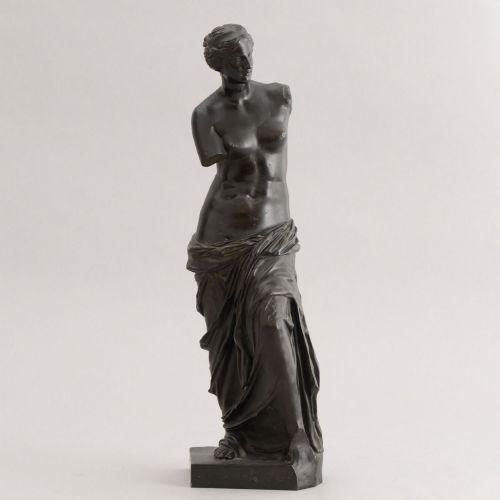

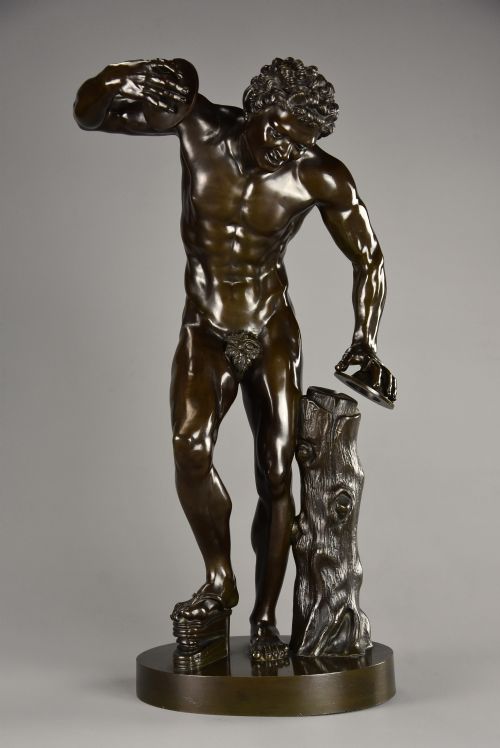
French Grand Tour Sculpture
French grand tour sculpture captures classical antiquity and Renaissance masterpieces through meticulous metalwork brought home by travellers.
French Grand Tour Sculpture
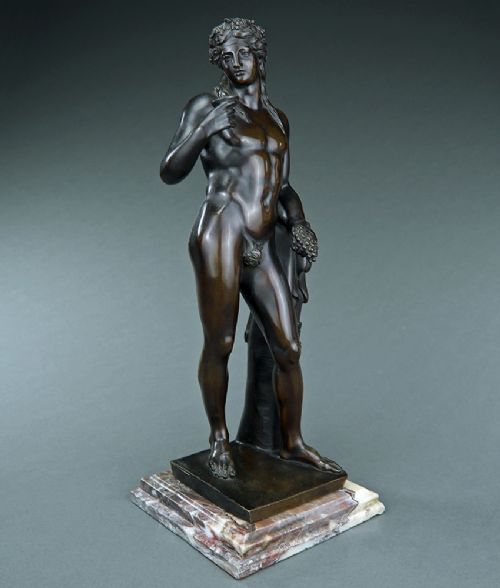
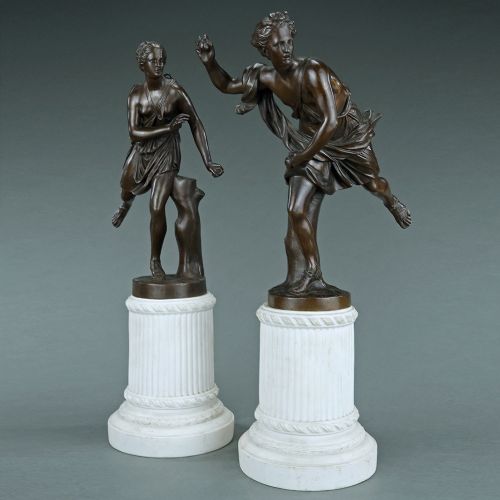
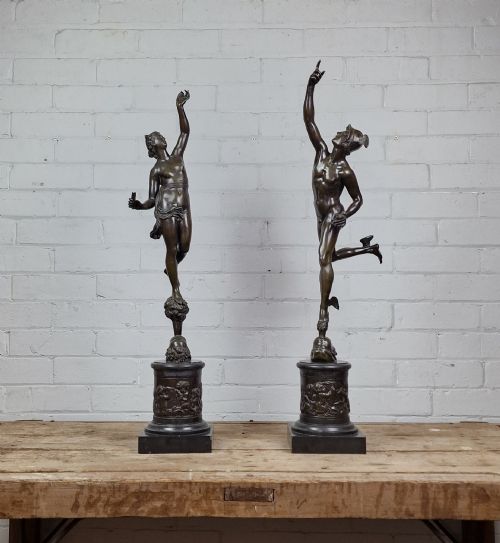
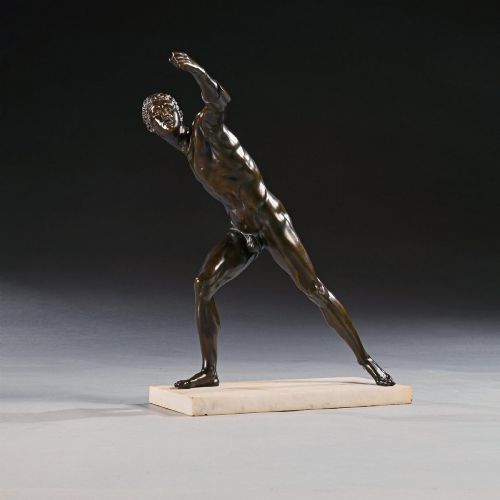
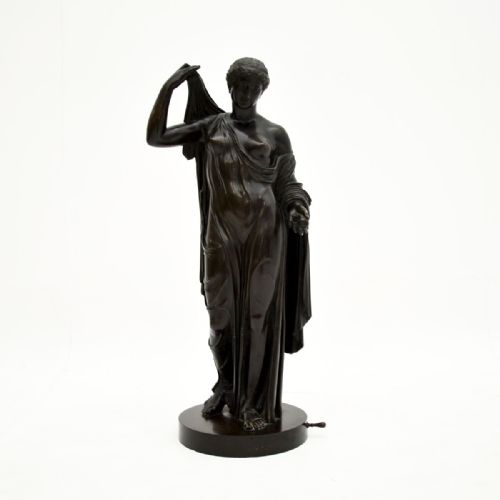
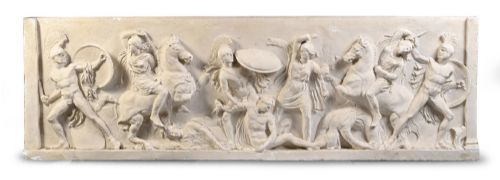
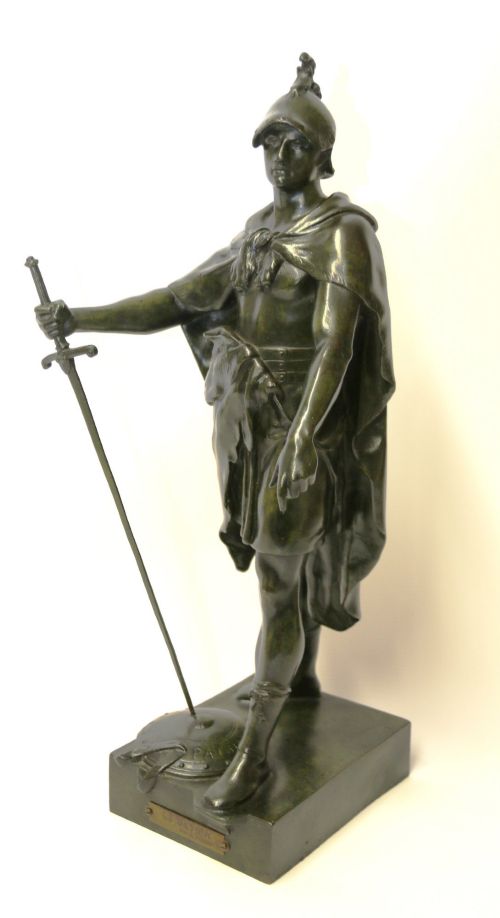
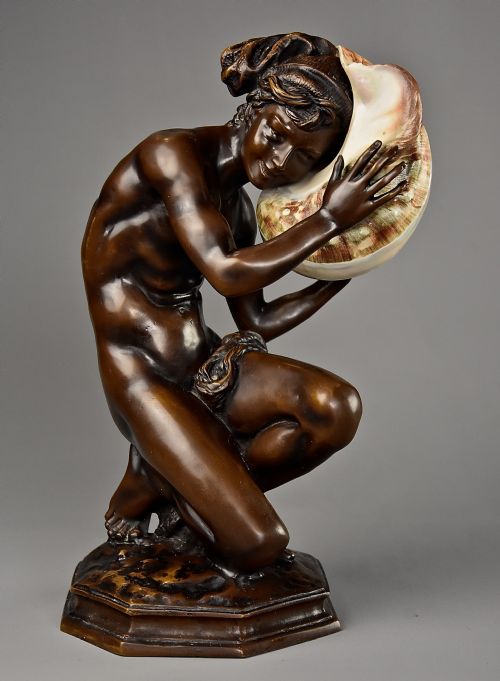
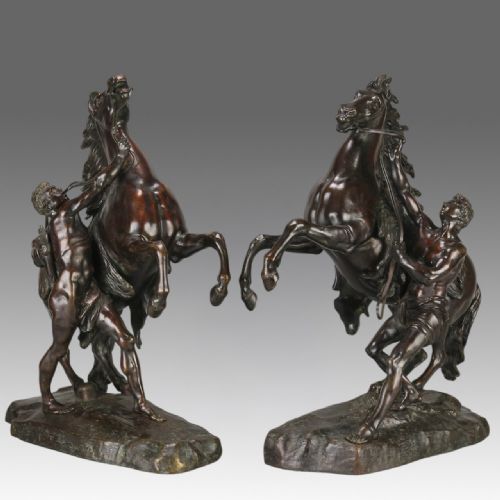
When you examine french grand tour sculpture, you are looking at nineteenth-century miniature reductions of ancient monuments, classical figures and famous statues that travellers collected during European journeys.
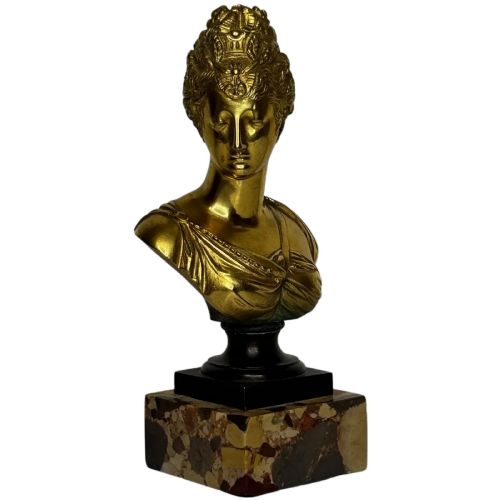
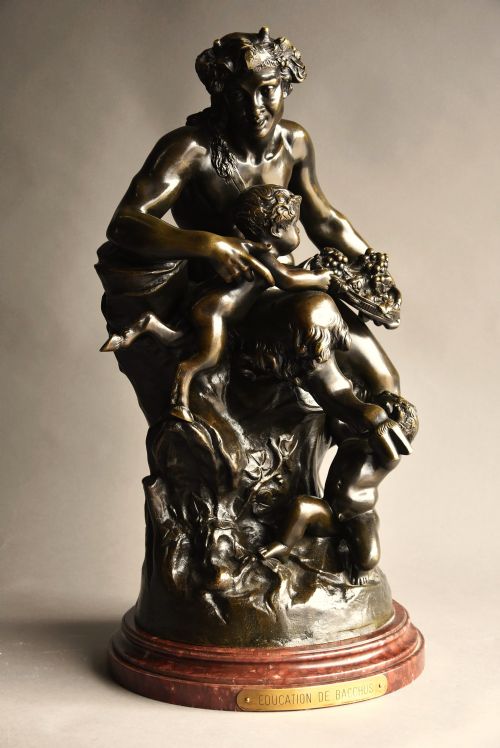
The versions you are most likely to meet on this page include bronze reductions of mythological subjects, historical figures and architectural models mounted on marble or slate bases.
These decorative objects bridge the gap between academic art and personal travel souvenirs, produced by skilled French foundries for private display.
How they were made
Foundries utilised the lost-wax casting method or sand casting to achieve fine detail on small-scale metal figures.
Artisans applied chemical patination techniques to warm bronze surfaces, producing dark brown, greenish or near-black tones that imitated excavated antiquities.
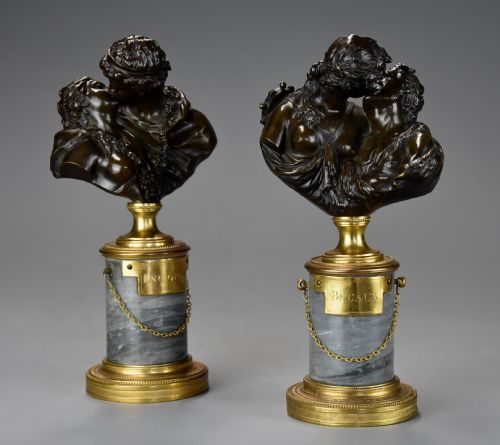
Many sculptures were paired with pedestals of white marble, black slate or green onyx, sometimes accented with gilt bronze or ormolu mounts.
The sculptural forms range from miniature busts and architectural columns to monumental sphinxes and multi-figure mythological groups.
What varies in quality
The crispness of the chasing and the depth of the metalwork distinguish standard commercial souvenirs from pieces produced by premier foundries.
The quality of the material mounts, such as heavy turned marble bases or finely gilded ormolu details, elevates the overall standing of an individual piece.
Barbedienne·Émile Louis Picault·Jean-Baptiste Carpeaux·Jean Antoine Houdon·Mathurin Moreau·Susse Freres
The French Grand Tour Sculpture Glossary
- Grand Tour
- An extended journey through Europe undertaken by wealthy young men in the eighteenth and nineteenth centuries to study classical art and culture.
- Patination
- The chemical treatment applied to bronze surfaces to create an aged or coloured finish. This layer protects the metal and defines the visual character of the piece.
- Ormolu
- Gilded bronze, where finely ground gold is amalgamated with mercury and applied to a bronze base through heat. It creates a rich, lasting golden sheen.
- Reduction
- A smaller copy of a larger monumental sculpture or building. Foundries created these miniature versions for domestic display using specialised pantograph machines.
- Lost-wax casting
- A metal-casting process where a wax model is melted out of a mould and replaced with molten bronze. It allows for intricate undercuts and fine textures.
French Grand Tour Sculpture: Frequently Asked Questions
Who made these sculptures?
Prominent French foundries and noted sculptors produced these reductions, often working in Paris during the Victorian era. Workshops employed specialised artisans for casting, chasing and patination.
Many pieces bear foundry stamps or artist signatures on the bronze base, indicating their origin.
How do I identify the subject?
Subjects typically derive from Greco-Roman mythology, classical literature or famous ancient landmarks such as the Pantheon, columns and triumphal arches. Figures are often named after the original antiquity they replicate.
Inscriptions on the plinth or base frequently provide clues to the mythological identity or the classical source material.
How should I display them?
These sculptures suit placement on bookshelves, desks or mantelpieces where their tactile metallic surfaces and stone plinths can be appreciated closely. They pair naturally with other nineteenth-century decorative objects and library furnishings.
Ensure they rest on stable, level surfaces away from direct moisture to protect the patinated bronze and marble or slate bases.