



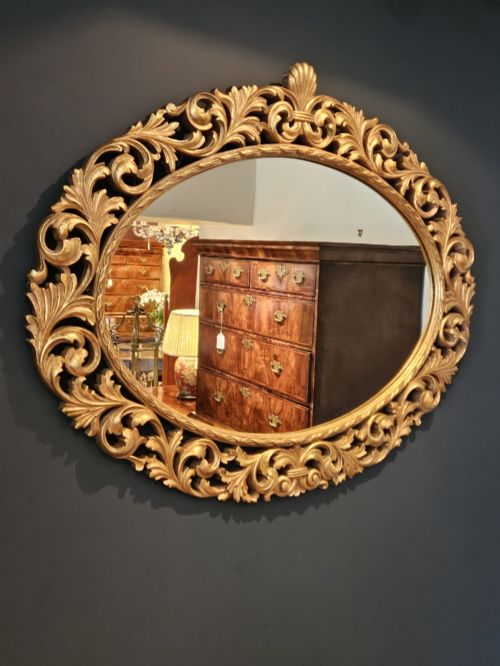
French Gold Mirror
A french gold mirror brings warmth and reflective depth to a room through centuries-old craftsmanship.
French Gold Mirror
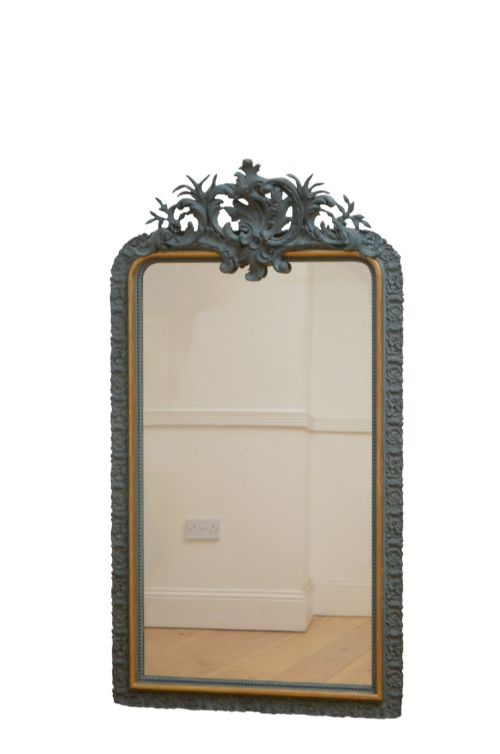
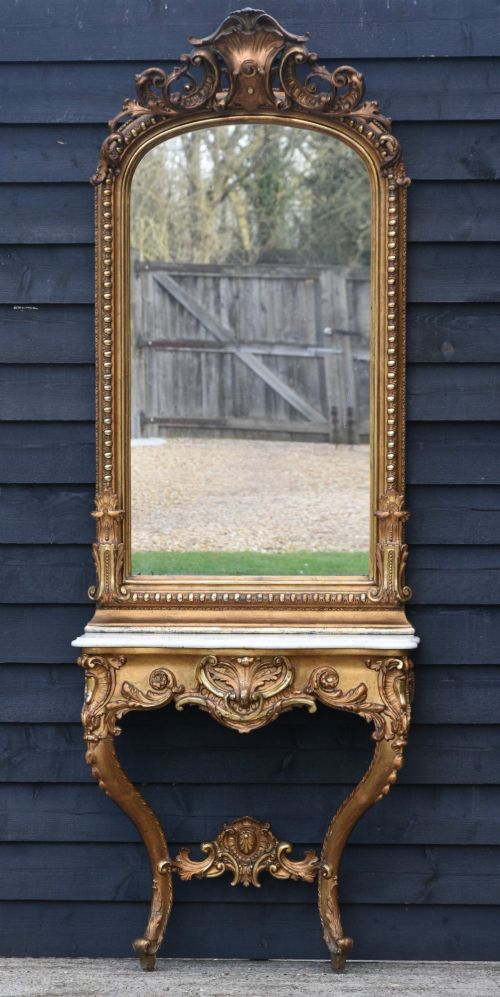
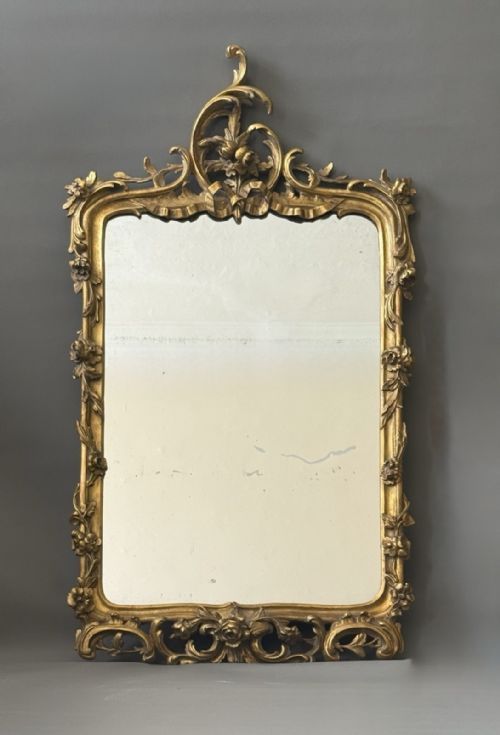
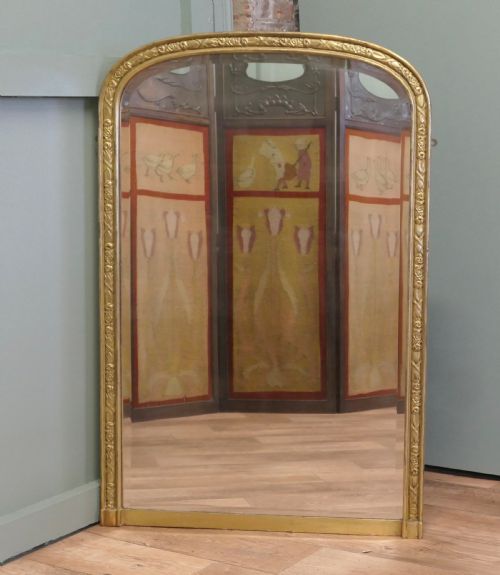
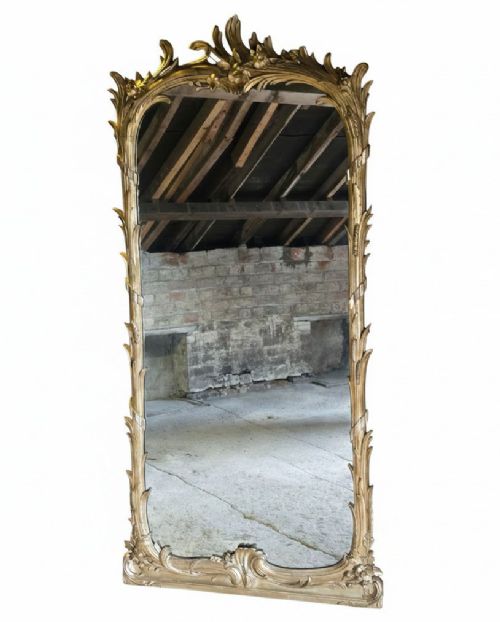
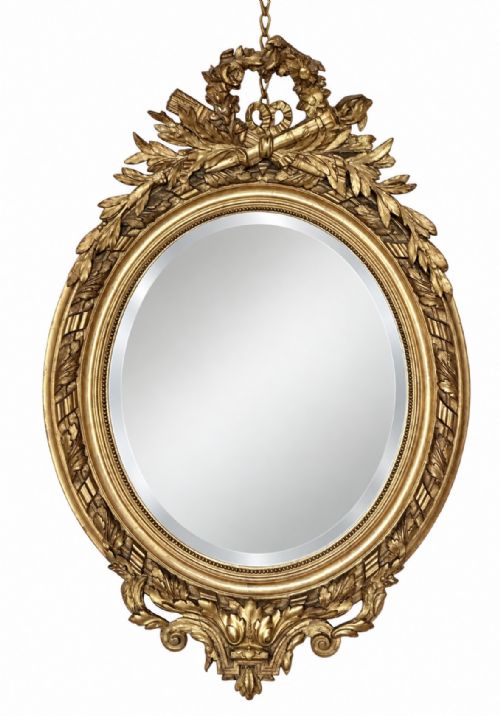
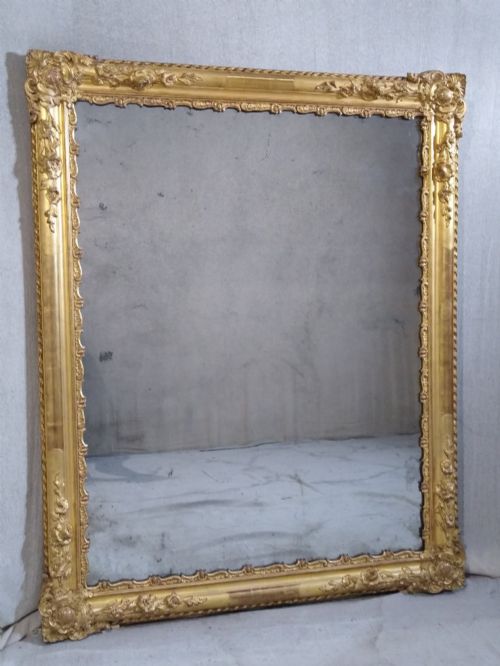
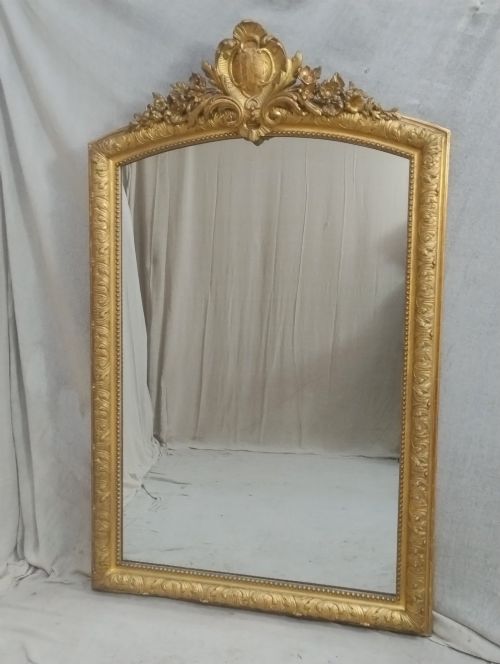
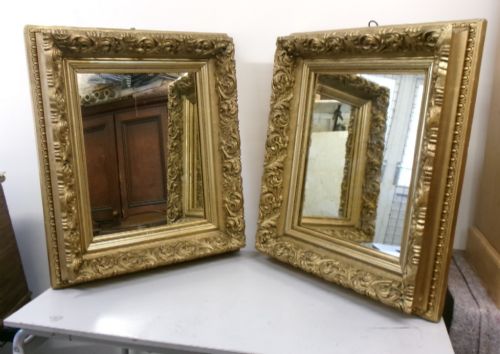
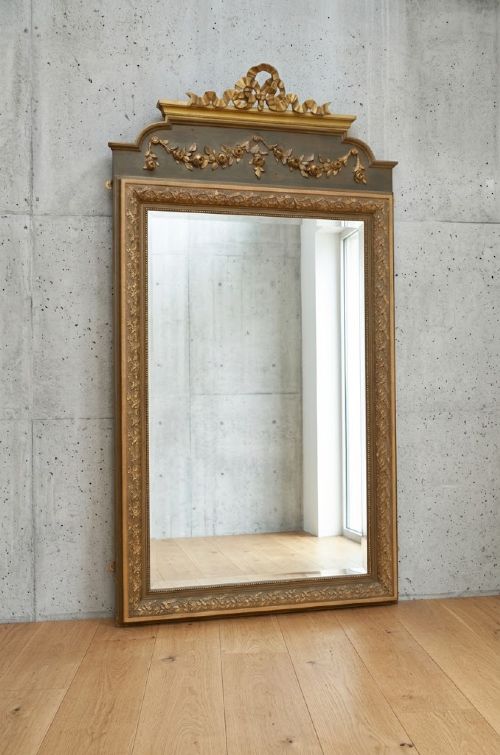
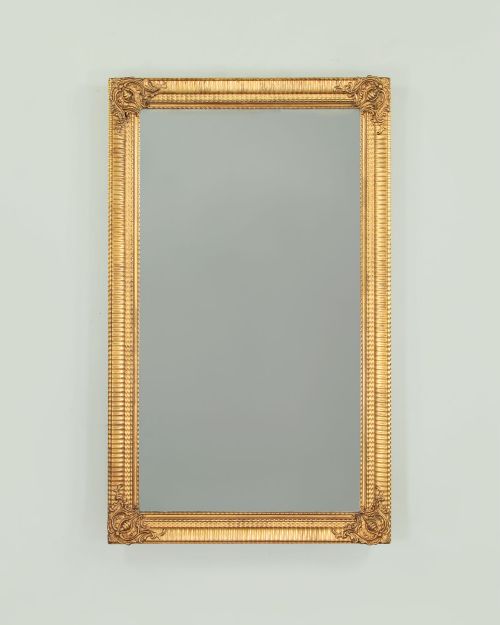
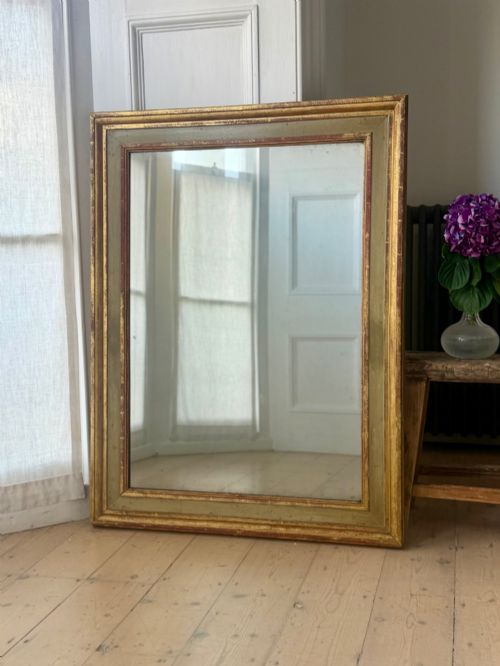
When you search for a french gold mirror, you encounter wall-mounted glasses, grand overmantels, and tall leaner pieces spanning the eighteenth to the early twentieth century. The selection leans heavily toward nineteenth-century examples, particularly Louis Philippe designs with rounded upper corners and ornate Rococo Revival creations.
These items originate predominantly from French workshops and country houses, though English interpretations from the Victorian era also appear. Forms range from intimate tabletop mirrors and dressing glasses to monumental wall fixtures intended to dominate a drawing room or salon.
Materials and construction
Makers built the foundational frames using timber, carved wood, or plaster reinforced with composition ornaments. Craftsmen applied gold leaf or metallic gilding over a prepared gesso layer to achieve a luminous surface.
Early plates utilised mercury glass, which often exhibits characteristic foxing and spotting over time. Later production shifted toward standard bevelled mirror plates framed within gilded wood or cast bronze.
Many nineteenth-century mirrors spent their youth reflecting flickering candlelight before electric lighting even reached the salon.
Gradations of quality
Quality rests upon the depth and crispness of the hand-carved ornamentation on the timber and gesso frame. Superior pieces display intricate floral, ribbon, or mythological motifs that retain their sharpness beneath the metallic finish.
The integrity of the original mirror plate also dictates value, with genuine mercury glass and undisturbed gilding marking the upper tier of execution.
The French Gold Mirror Glossary
- Giltwood
- Wood that has been coated with gold leaf or a gold-coloured metallic finish. This method provides the warm, reflective surface characteristic of antique frames.
- Gesso
- A plaster-like mixture applied to wooden frames as a smooth base for gilding. It allows craftsmen to impress deep relief ornamentation before applying gold leaf.
- Mercury glass
- A double-walled glass blown type lined with a silver-and-mercury mixture, common in nineteenth-century mirrors. It produces a distinctive speckled or foxed reflection.
- Overmantel mirror
- A large horizontal looking glass designed specifically to hang above a fireplace mantel. These pieces often feature arched tops to match architectural chimney recesses.
- Pier glass
- A tall mirror designed to hang on the narrow wall space between two windows. They frequently paired with matching console tables positioned underneath.
French Gold Mirror: Frequently Asked Questions
How do I date a french gold mirror?
Dating relies on examining the construction methods of the wooden frame and the appearance of the glass plate. Eighteenth and early nineteenth-century pieces often feature hand-carved timber and foxed mercury glass.
Later Victorian and late nineteenth-century examples introduce machine-bevelled plates, composition ornamentation, and standardised Louis Philippe proportions.
What is mercury glass?
Mercury glass refers to a double-walled glass object containing a silvering mixture sealed inside the cavity. While it does not actually contain liquid mercury, it yields a soft, cloudy reflection.
Over decades, moisture penetrates the seal, causing the distinctive dark spots known as foxing.
Where should I hang an overmantel mirror?
An overmantel mirror traditionally rests directly above a fireplace mantel to reflect light and expand the visual space of a room. Because of their substantial weight, these large pieces require secure anchoring into structural wall studs.
They also function effectively as floor-standing leaner mirrors in high-ceilinged spaces.
How do I clean antique gilt frames?
Cleaning requires a soft, dry brush to gently sweep away dust from the carved crevices of the gesso and gold leaf. Moisture and modern chemical cleaners must be avoided entirely, as they strip the delicate metallic finish.
Glass plates can be wiped with a mild glass cleaner applied to a cloth rather than sprayed directly onto the surface.