


French Giltwood Overmantel
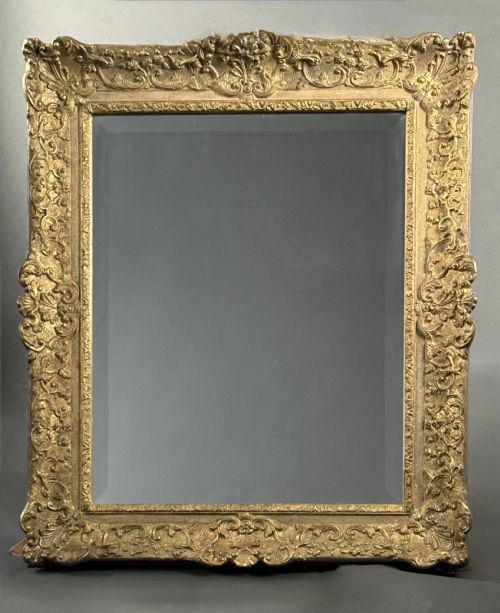
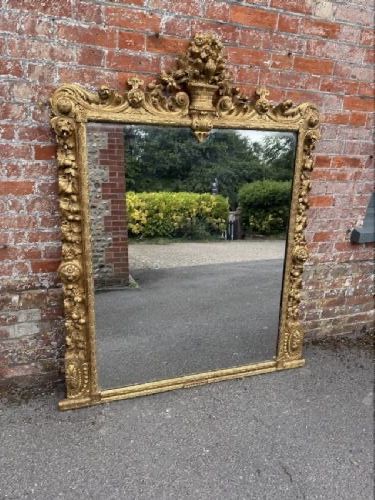
A french giltwood overmantel brings grand scale, luminous reflection and ornate carved detail to a room, anchoring a fireplace with period presence.
French Giltwood Overmantel
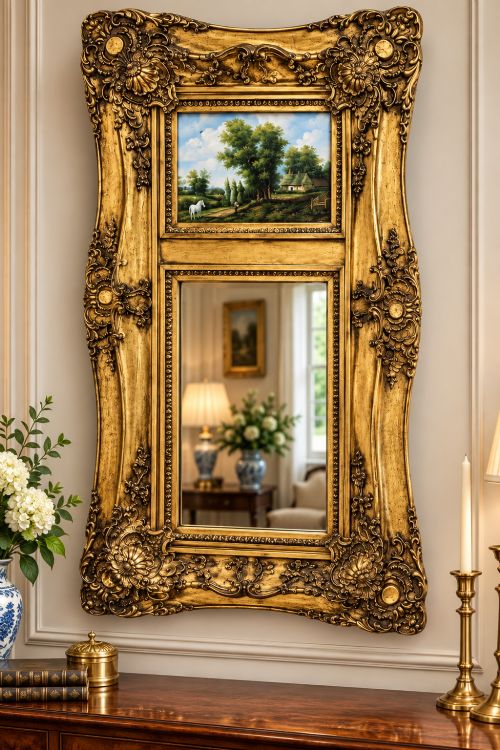
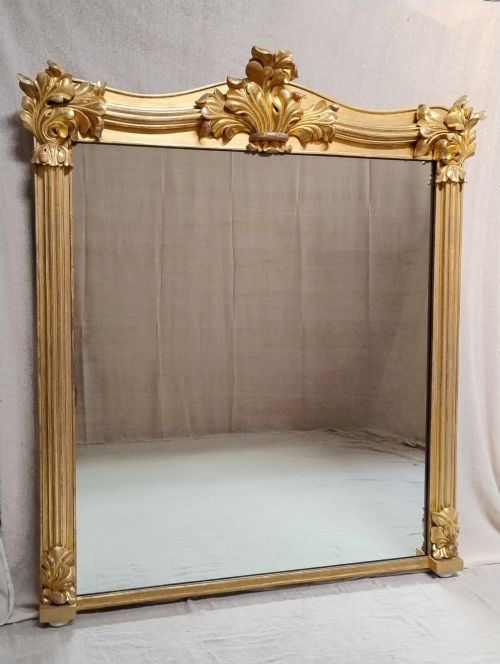
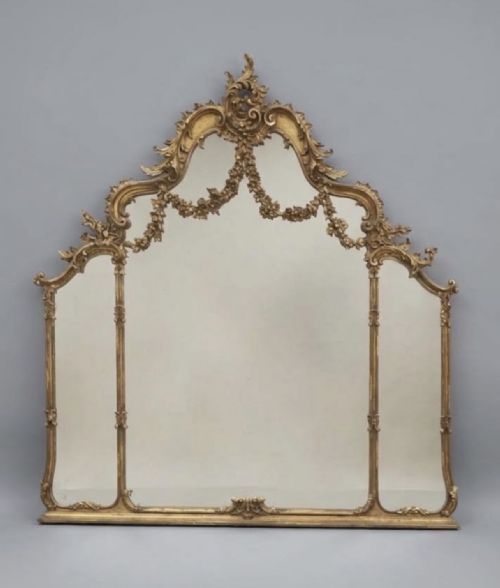
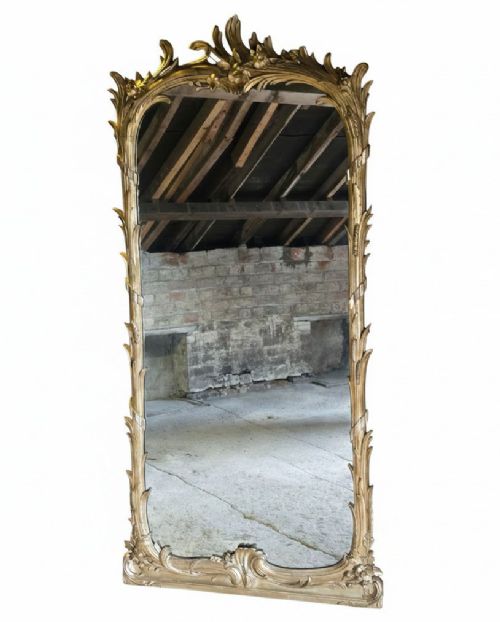
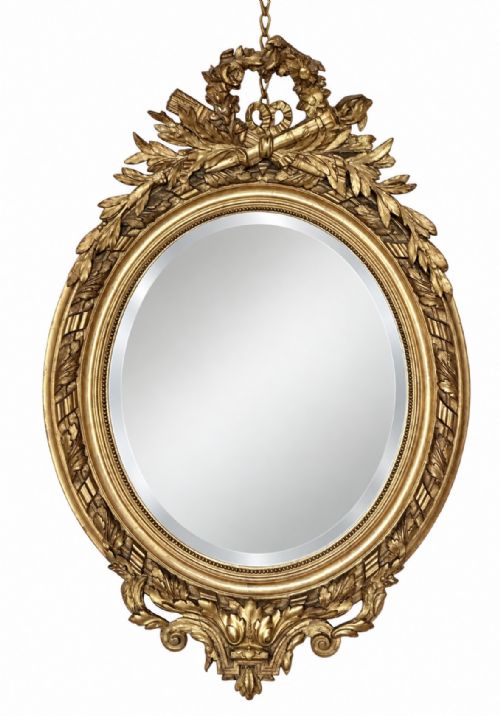
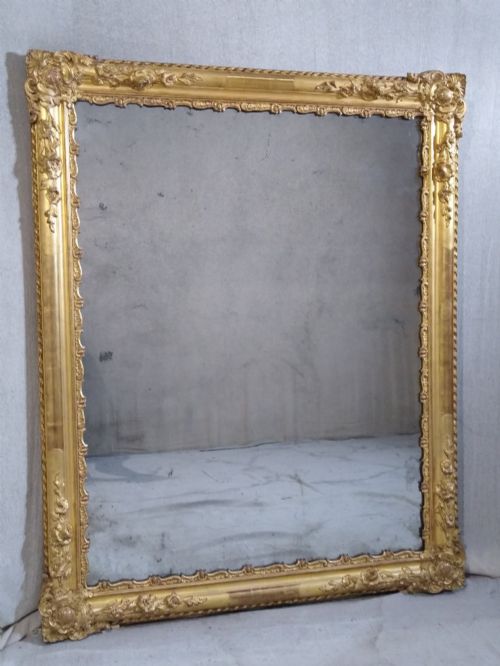
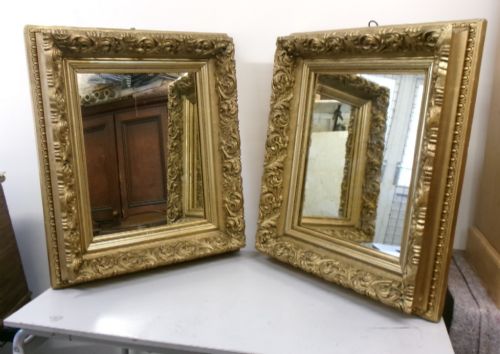
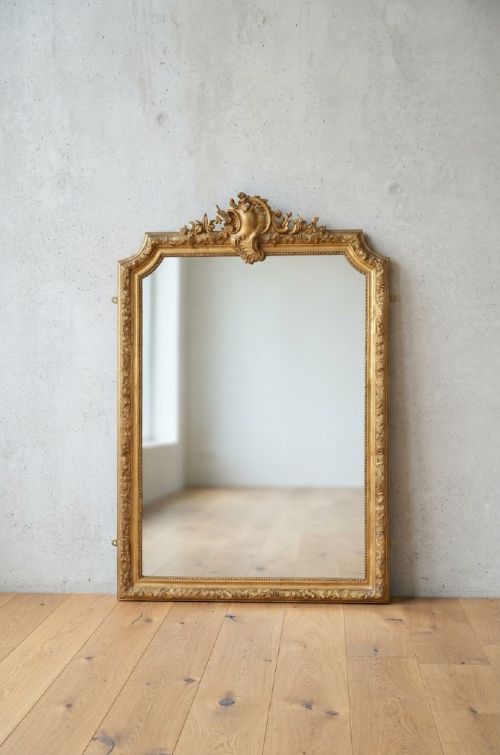
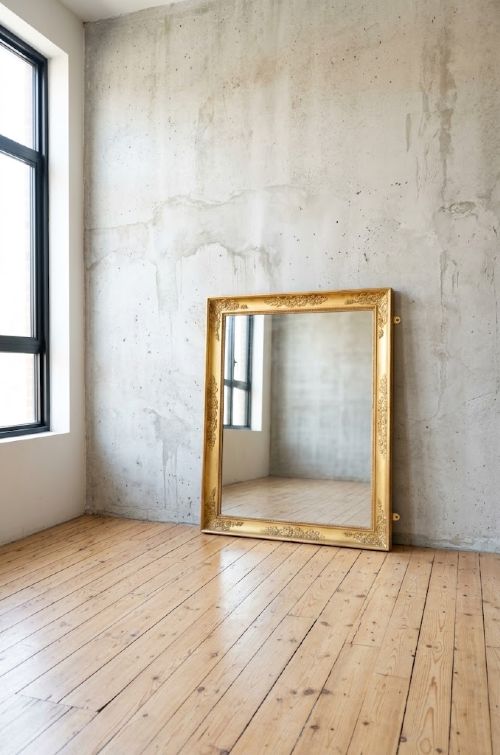
A french giltwood overmantel is a large mirror designed to sit directly above a mantelpiece, though many examples function equally well as tall pier mirrors or leaner mirrors positioned on the floor. These items span the eighteenth, nineteenth and early twentieth centuries, drawing on stylistic traditions such as Rococo Revival, Louis XV, Louis XVI, Napoleon III and French Chateau.
The versions most frequently met on this page date from the nineteenth century, particularly around eighteen seventy, and measure substantial heights suitable for high ceilings. They appear in formats ranging from simple architectural frames to heavily carved shapes with arched tops, triple plates, or mythological and floral motifs.
Makers and craftsmen applied continental design vocabularies to large-scale wall mirrors, producing pieces that combine practical reflection with monumental decorative impact. Whether styled with rope twist frames, swept mouldings or trumeau panels, each item reflects the interior tastes of its period.
How they were made
Makers constructed the structural frames from wood, frequently applying layers of gesso to build up the intricate surface ornamentation before gilding. Artisans finished these surfaces using gold leaf or composition applied to carved wood and painted wood bases.
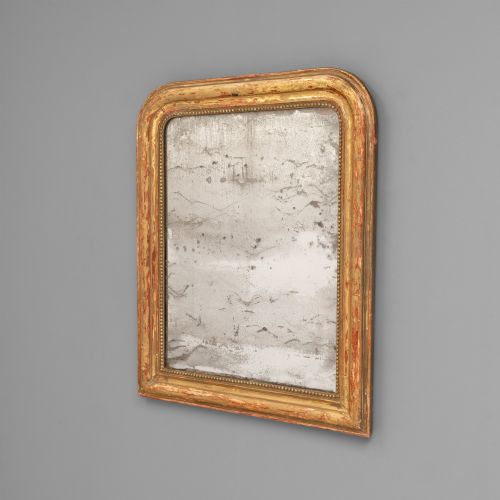
The optical component relies on mirror glass, with older examples incorporating traditional mercury glass or heavily foxed glass plates that show authentic age-related oxidation. Frames incorporate hand-carved elements, structural joints and secure backing to support the considerable weight of large glass plates.
Some nineteenth-century examples feature nautical rope twist carvings, proving that even formal French-style mirrors occasionally wanted to go sailing.
What varies in quality
The level of sculptural depth in the carved elements separates standard decorative items from exceptional works, with crisp, deeply undercut foliage and mythological motifs showing superior craftsmanship. The preservation of the original gold leaf surface and the clarity or character of the mirror plate also determine the overall standard.
Proportion and scale dictate the visual success of an overmantel, where balanced composition between the wooden frame and the central glass creates a commanding presence. Pieces featuring intact original mercury glass and substantial carved gesso enrichment represent the upper tier of the range.
The French Giltwood Overmantel Glossary
- Overmantel
- A large mirror or decorative panel specifically designed to be hung on the wall immediately above a fireplace mantelpiece. They often share proportions tailored to fit standard chimney breasts.
- Giltwood
- Timber that has been coated with a thin layer of gold leaf or gold paint for decorative effect. This finish provides a warm, reflective surface that catches interior light.
- Gesso
- A plaster-like mixture applied to wood frames to create a smooth surface for carving and gilding. It allows artisans to model fine decorative details before applying gold leaf.
- Mercury glass
- Double-walled silvered glass manufactured during the nineteenth century and earlier, known for producing a speckled, atmospheric reflection. Over time, chemical breakdown creates characteristic dark spots known as foxing.
- Trumeau
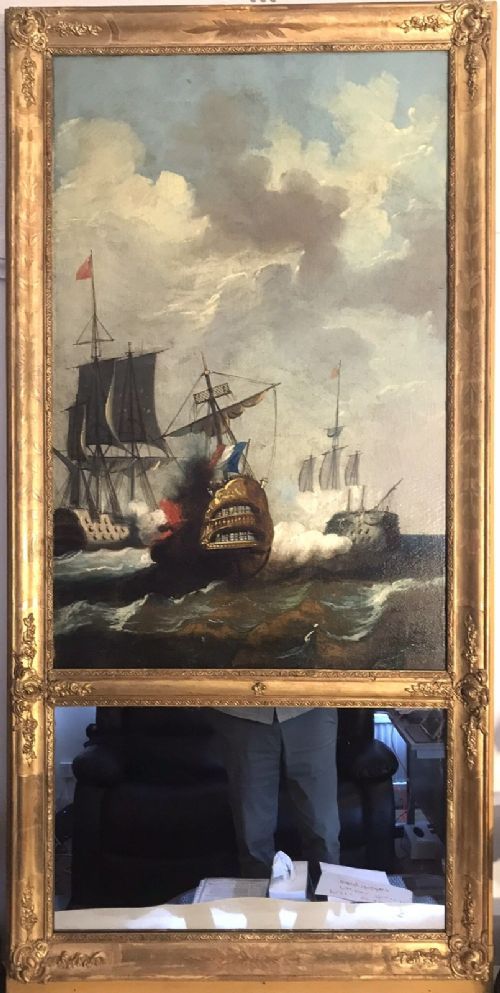
- A decorative wall mirror combined with a painted panel or artwork, often integrated into wall panelling. These pieces originated in French interior design during the eighteenth century.
French Giltwood Overmantel: Frequently Asked Questions
How do I hang a heavy overmantel mirror?
Due to their substantial weight and large dimensions, these mirrors require professional installation using heavy-duty wall anchors secured directly into structural studs or masonry.
Weight distribution across multiple secure brackets ensures the piece hangs safely without straining the frame or the wall fixings.
Can these mirrors stand on the floor?
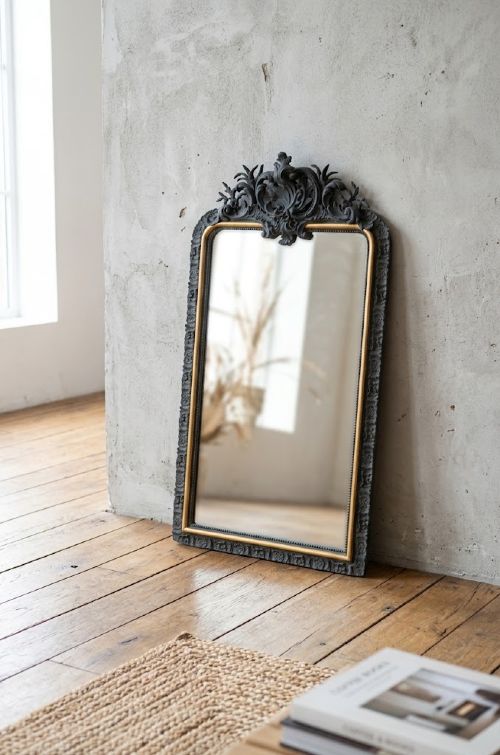
Many large nineteenth-century examples function effectively as leaner mirrors when placed directly on the floor against a wall.
Securing the top of the frame to the wall with discreet safety brackets prevents accidental tipping while maintaining the intended aesthetic.
What is foxed glass?
Foxing refers to the natural oxidation and ageing of the silver backing on older mirror plates, resulting in dark spots and mottled patches.
This characteristic feature appears frequently on eighteenth and nineteenth-century pieces, adding historical depth and visual texture to the reflection.
How do I identify a Rococo Revival frame?
Rococo Revival frames feature asymmetrical scrolls, shell motifs, C-scrolls and abundant naturalistic floral carvings characteristic of mid-nineteenth-century taste.
These designs look back to the earlier eighteenth-century French styles associated with the reign of Louis XV.