






French Giltwood Bracket
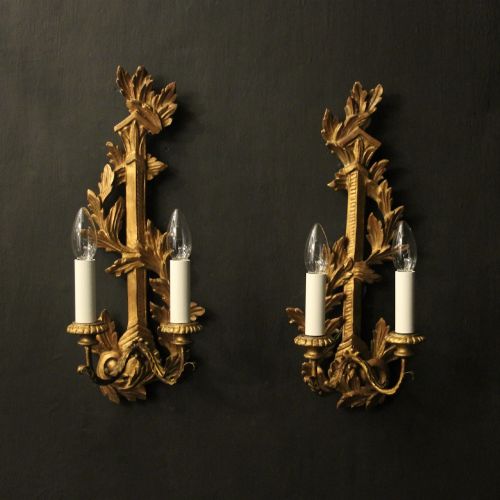
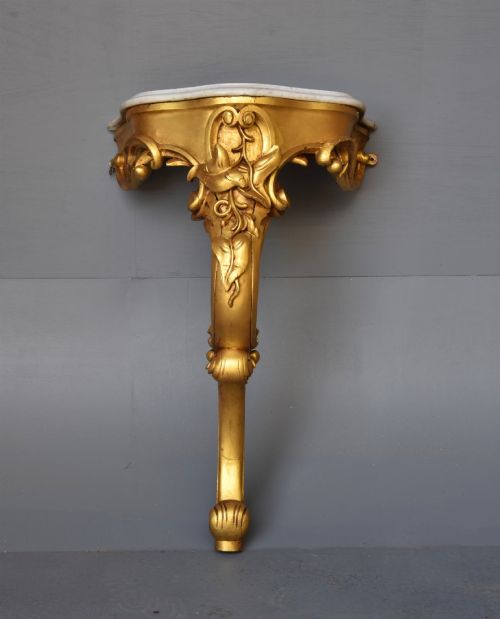
A french giltwood bracket brings opulent display space to a wall, carrying objects or holding candles with carved flourish.
French Giltwood Bracket
A french giltwood bracket serves primarily as a decorative wall shelf or support, designed to display small objects or hold lighting fixtures in formal interiors. Buyers searching this phrase encounter pieces ranging from simple single-tier wall brackets to elaborate console tables and mirrored display shelves.
The selection spans several centuries, with nineteenth-century examples appearing frequently alongside eighteenth-century originals and early twentieth-century revivals. Styles draw heavily from neoclassical and rococo traditions, often reflecting French chateau aesthetics through ornate scrollwork and asymmetrical forms.
Materials and construction
Carved wood forms the structural base of these pieces, providing the intricate scrolls and architectural motifs typical of neoclassical and rococo designs. Artisans applied gesso to smooth the wooden surfaces before laying down gold leaf to achieve a brilliant metallic finish.
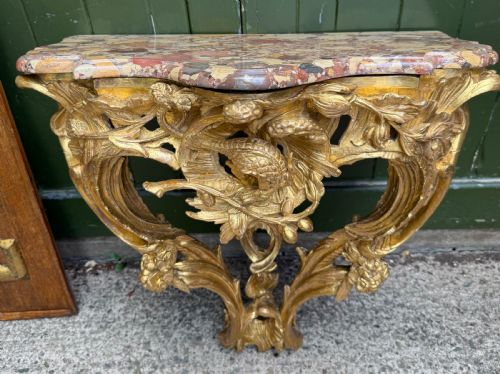
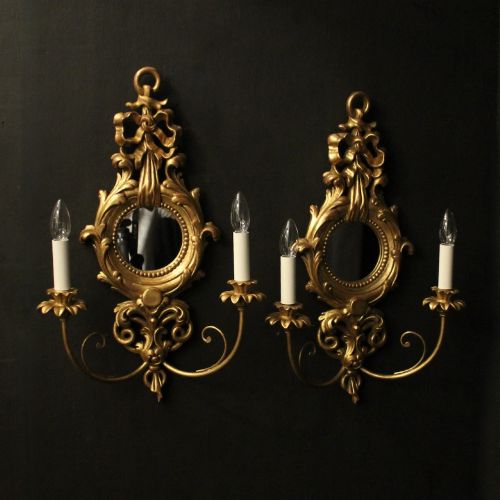
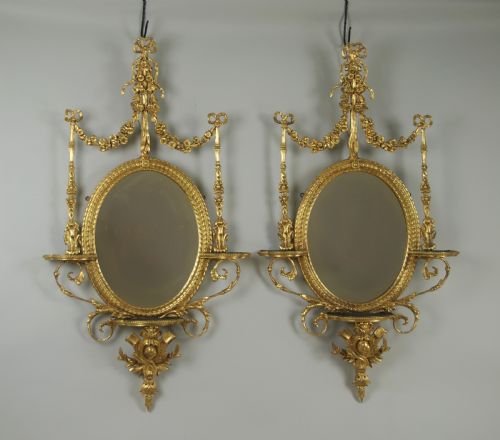
Many examples incorporate additional elements such as figured marble tops on console tables, glass mirrors within backplates, and metal branches for wall sconces. Painted details frequently complement the gilt surfaces, adding depth and contrast to the carved decoration.
French Giltwood Bracket Retail Price Guide 2026
Typical asking prices for french giltwood bracket among the pieces listed under this phrase on Sellingantiques today, from the lower quarter to the upper quarter. They describe what is for sale here now, not the wider market.
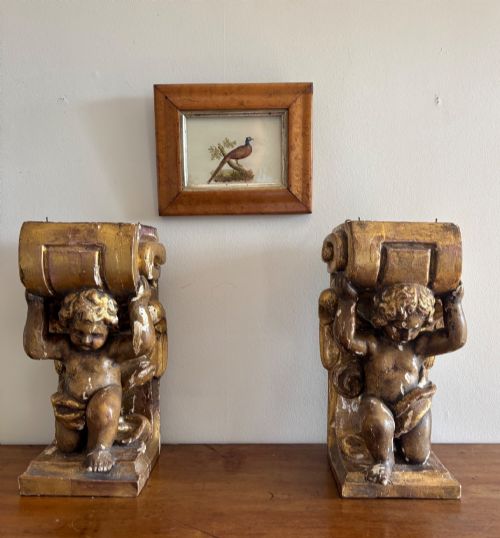
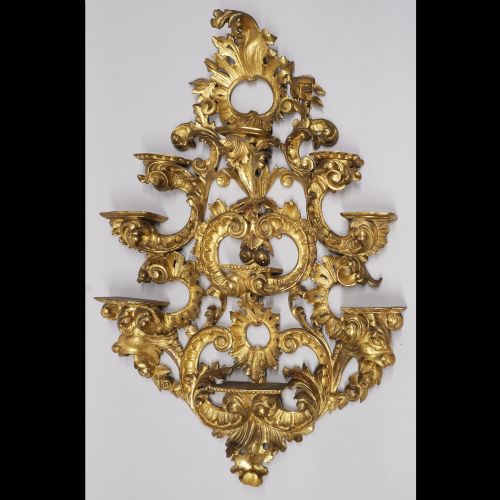
Look closely for mischievous wooden cherubs peering out from beneath scrolling foliage and candle arms.
Quality differences
Depth and sharpness of the wood carving distinguish finer examples from simpler production, particularly in the rendering of foliage, cherubs, and asymmetrical scrolls. Crisp hand-tooling retains its definition beneath layers of gesso and gold leaf, whereas heavier preparation can soften fine detail.
The integrity of the gilded surface and the quality of the underlying materials, such as figured breche d'alep marble or heavy cast metal arms, indicate the original workshop's standing. Proportion and balance in the silhouette dictate visual success when mounted on a wall.
The French Giltwood Bracket Glossary
- Giltwood
- Wood that has been coated with gold leaf. This finish provides the characteristic metallic sheen seen on period frames and architectural ornaments.
- Gesso
- A plaster-like mixture applied to wood as a base for gilding. It fills grain and allows artisans to carve or stamp crisp decorative details.
- Console table
- A table supported by wall brackets or consoles rather than four independent legs. These pieces often feature marble tops and mirror backs.
- Girandole
- A branched wall light or sconce incorporating a mirror plate. The reflective glass multiplies the candlelight within a room.
- Rococo revival
- A nineteenth-century style imitating the asymmetrical curves and shell motifs of the eighteenth century. It heavily influences nineteenth-century French decorative arts.
French Giltwood Bracket: Frequently Asked Questions
How were wall brackets used historically?
These shelves held porcelain figures, clocks, or vases, elevating decorative objects to eye level in formal reception rooms. They served both a practical storage function and a purely ornamental role.
Pairs often flanked mirrors or windows to create symmetry within a grand interior scheme, reflecting candlelight and enhancing the sense of space.
How do I mount a heavy giltwood bracket safely?
Weight varies significantly depending on the presence of dense carved wood, gesso, and marble components. Professional installation into structural wall studs or masonry is essential.
Fixings must engage directly with the primary timber framework of the bracket to support the downward load and prevent pulling away from the plaster.
How can I tell an eighteenth-century piece from a later revival?
Eighteenth-century examples show distinct tool marks, aged pine or hardwood structures beneath the gesso, and natural wear patterns in the gold leaf. Revival pieces from the nineteenth and twentieth centuries often use machine-cut components or denser composition ornament.
Examining the construction joints and the oxidation of the underlying metals or adhesives helps determine the true age of the gilding.