

French Gilt Wall Bracket
A French gilt wall bracket brings ornate display space and reflective light to a room through carved woodwork and gleaming metal.
French Gilt Wall Bracket
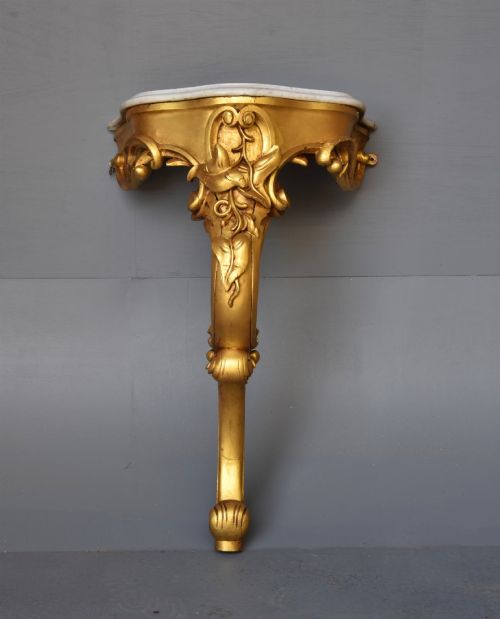
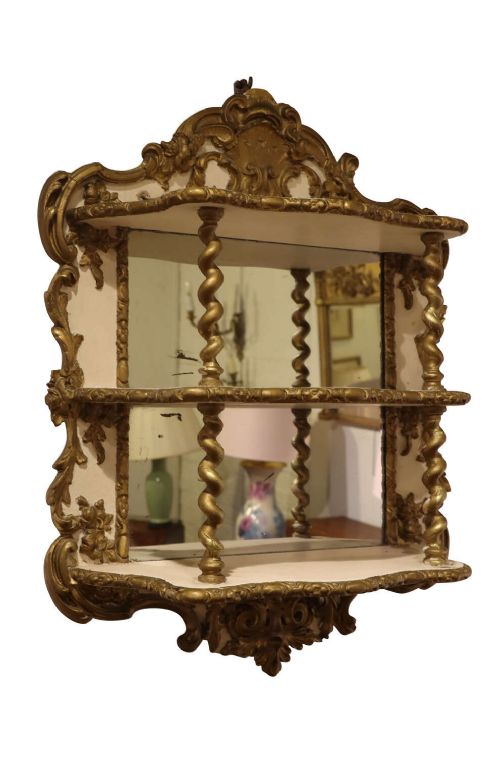
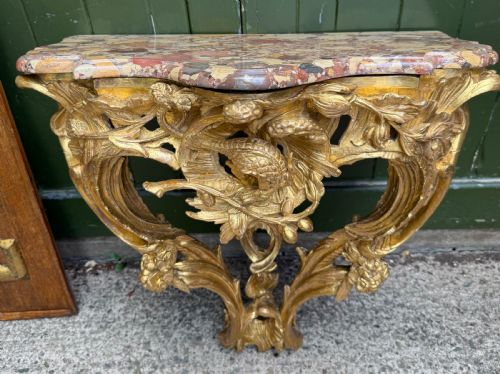
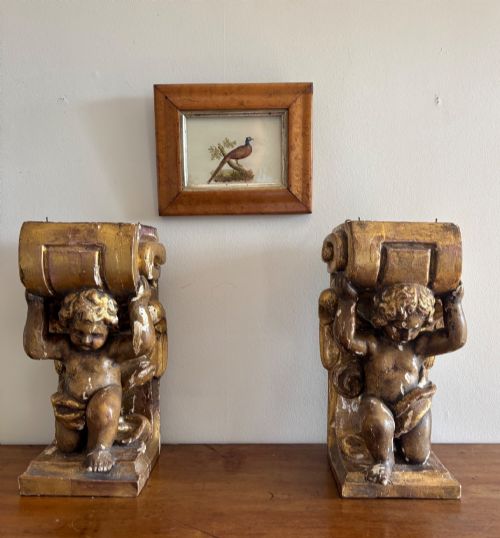
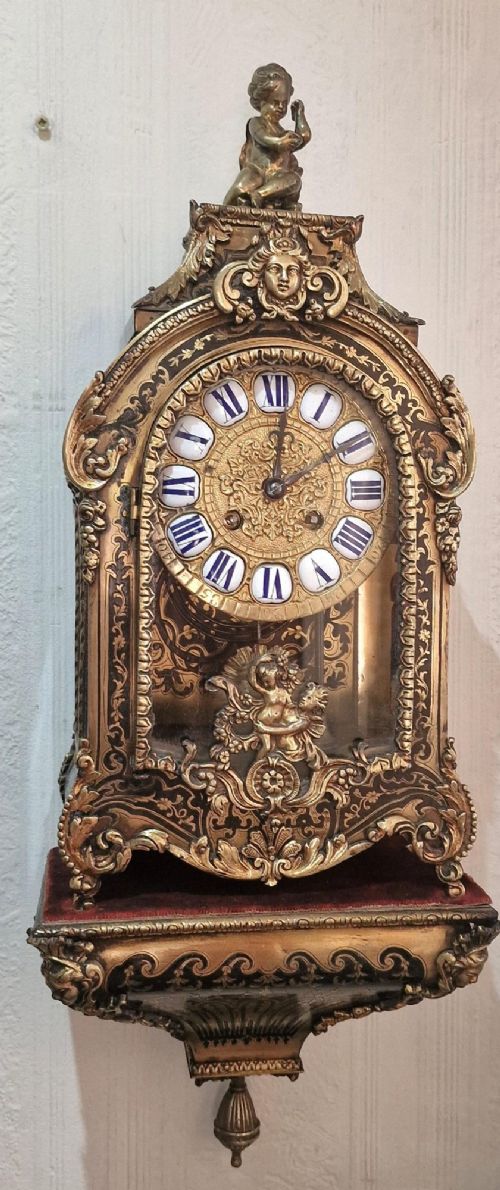
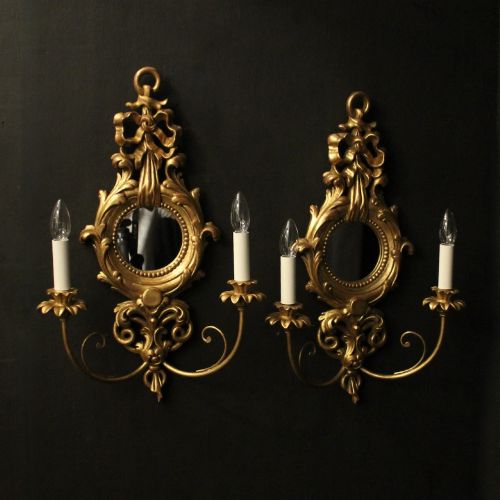
A french gilt wall bracket combines decorative architectural support with the lavish ornamentation of continental design traditions. These pieces appear frequently as carved wooden wall shelves, console tables, and dedicated display brackets designed to hold clocks, porcelain, or mirrors.
The selection spans from the mid-nineteenth century through the early twentieth century, drawing heavily upon earlier historical vocabularies. Rococo revival and Louis XVI styles dominate the forms, bringing asymmetrical scrollwork, floral garlands, and neoclassical symmetry to vertical surfaces.
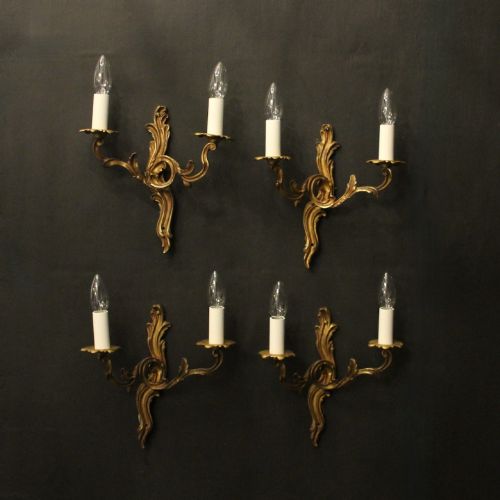
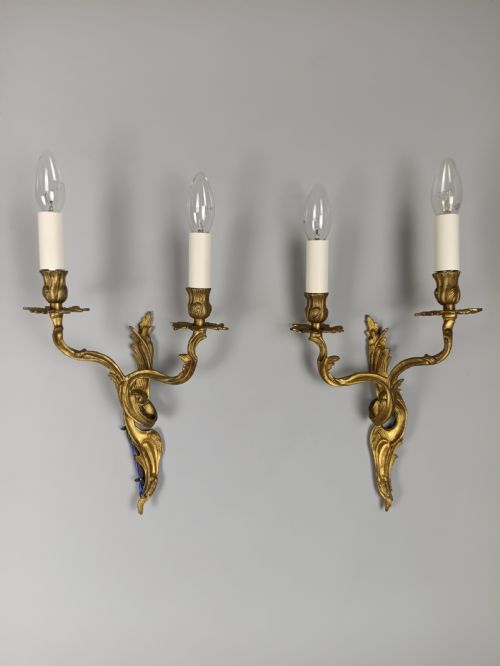
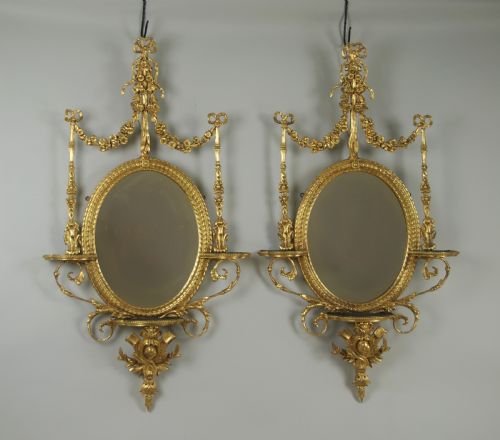
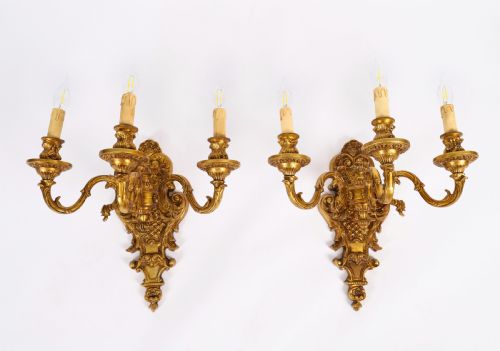
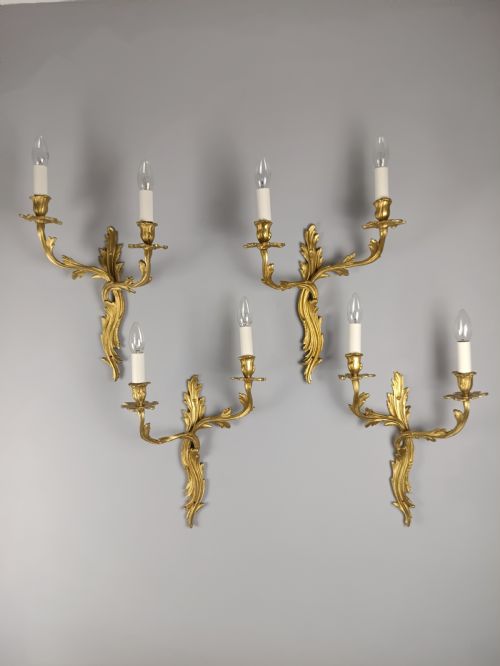
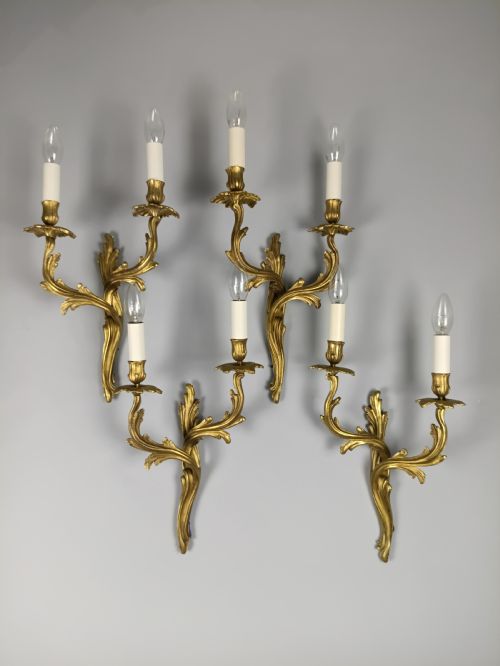
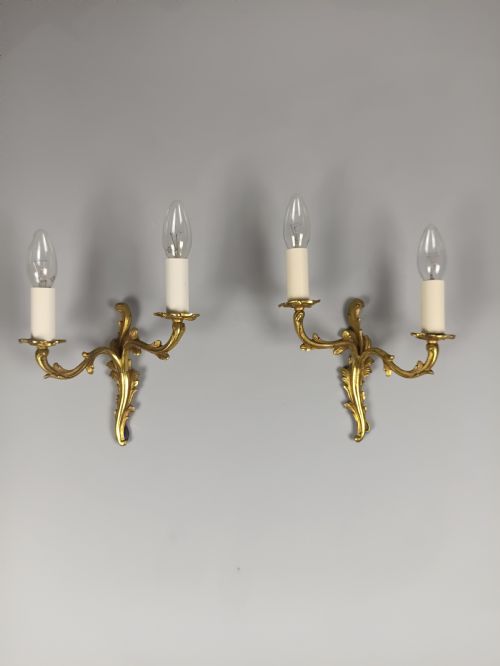
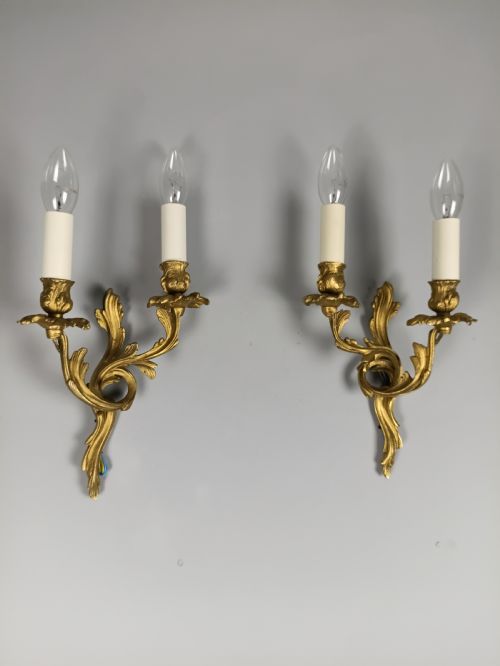
Buyers also encounter related lighting pieces sharing these ornamental traits, including twin-arm sconces, girandoles, and multi-branch wall lights. The origins trace firmly to French workshops and subsequent revival periods across Europe that emulated Parisian luxury.
Materials and Technique
Carved giltwood and gesso provide the traditional foundation for wooden brackets and shelves. Artisans shaped timber before applying thin layers of gold leaf or gilt paint over prepared gesso grounds to achieve a brilliant metallic sheen.
Cast bronze, brass, and ormolu form the basis of metal brackets and associated wall lights. Metalwork components utilise detailed casting and chasing techniques, often combining fire-gilt or gilded brass surfaces with glass, crystal, or porcelain elements.
The documented periods span from the eighteenth century through the 1930s, encompassing multiple nineteenth-century revival phases.
Craftsmanship and Detail
Depth and crispness of hand-carving or metal casting distinguish finer examples from simpler production. Superior pieces exhibit high relief, sharp foliage details, and clean lines rather than soft edges or uniform moulded repetition.
The quality of the gilding and surface preparation dictates the overall visual impact. Rich gold leaf applications with subtle burnishing age with greater depth than flat, modern metallic paints.
Henri Marc Of Paris
The French Gilt Wall Bracket Glossary
- Ormolu
- Finely chased and gilt bronze used widely in French decorative arts. This technique produces a rich golden finish on metal mounts and light fittings.
- Gesso
- A plaster-like mixture applied to wood surfaces as a base for gilding. It allows artisans to carve intricate relief details before applying gold leaf.
- Girandole
- An ornamental branched wall light featuring reflective glass or mirrors. These fixtures amplify candlelight or electric illumination through mirrored backplates.
- Breche d'alep
- A type of variegated antique marble featuring complex earth tones and brecciated patterns. It frequently tops high-end console tables and wall brackets.
- Louis XVI Revival
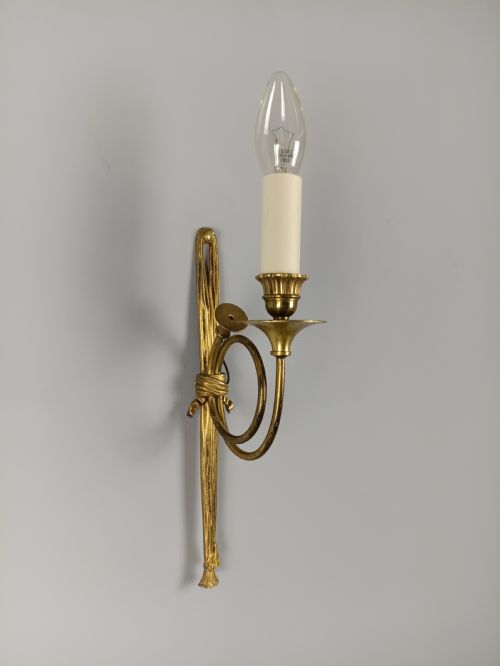
- A nineteenth-century design style drawing on neoclassical restraint. It emphasises straight lines, symmetrical laurel leaves, and urn motifs.
French Gilt Wall Bracket: Frequently Asked Questions
What is a French gilt wall bracket?
A French gilt wall bracket is a decorative architectural shelf or light fixture finished with gold leaf, gilt bronze, or gesso. These pieces were designed to project from a wall to support display items or provide illumination.
Originating largely in nineteenth-century France and subsequent revival periods, they bring ornate classical style and reflective warmth to interior spaces.
How were these wall brackets used historically?
Historically, these brackets functioned as elevated display platforms for prized porcelain figures, timepieces, and decorative objects. They utilised vertical wall space to add grandeur to formal reception rooms and parlours.
Versions equipped with arms also served as wall lights or sconces, casting warm illumination across decorative wall mirrors and boiserie panelling.
How do I install a heavy antique wall bracket?
Installing a heavy wooden or bronze bracket requires locating secure wall studs or utilising appropriate heavy-duty cavity fixings suited to your wall type. Because many antique pieces possess considerable weight from dense timber or cast metal, professional installation is recommended.
Ensure the mounting hardware matches or exceeds the load capacity of the bracket before placing any display objects upon the shelf.
How do I tell Rococo Revival from Louis XVI style?
Rococo Revival pieces feature asymmetrical curves, C-scrolls, shell motifs, and exuberant naturalistic foliage. The overall aesthetic is dynamic, fluid, and focused on playful organic movement.
Louis XVI style adopts a more restrained neoclassical approach defined by symmetry, straight lines, architectural proportions, and geometric leaf borders.