

French Gilt Salon Chairs
French gilt salon chairs bring ornate seating into reception rooms, offering decorative grandeur through carved woodwork and metallic leaf finishes.
French Gilt Salon Chairs
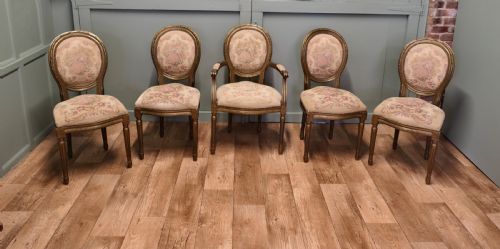
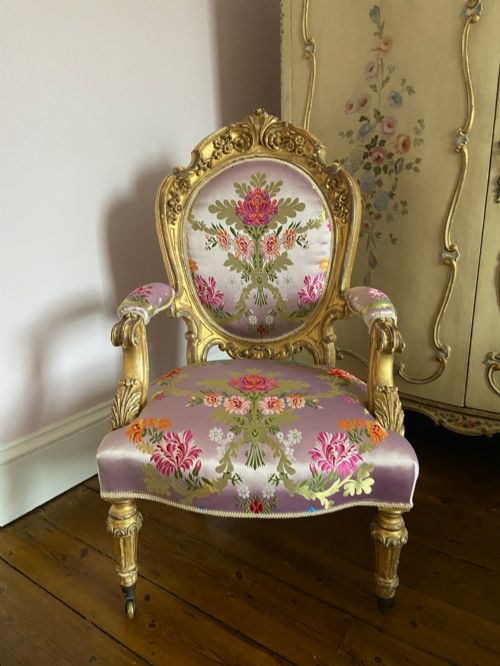
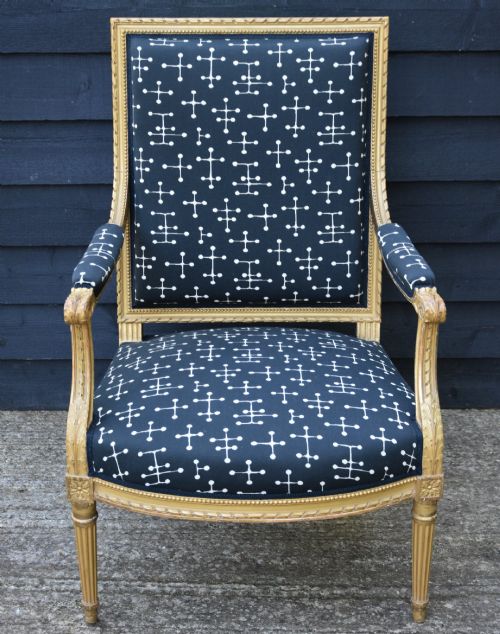
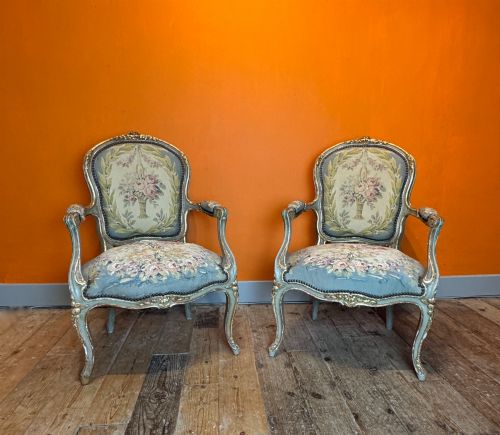
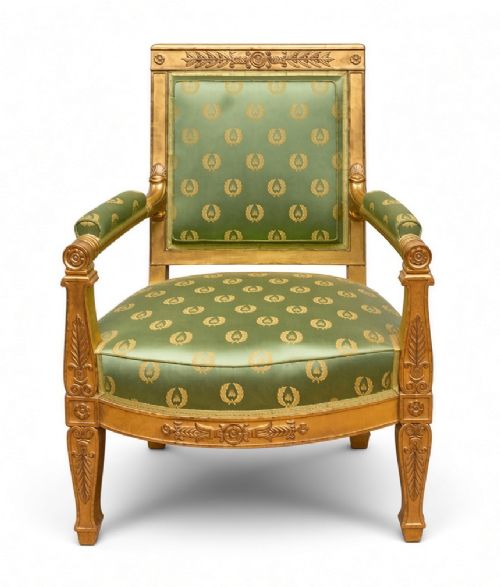
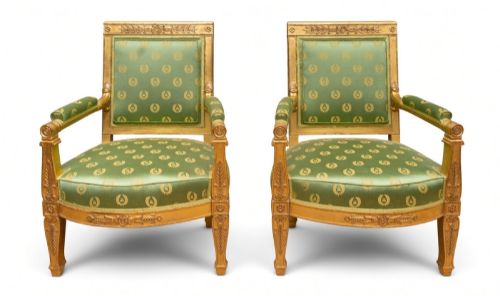
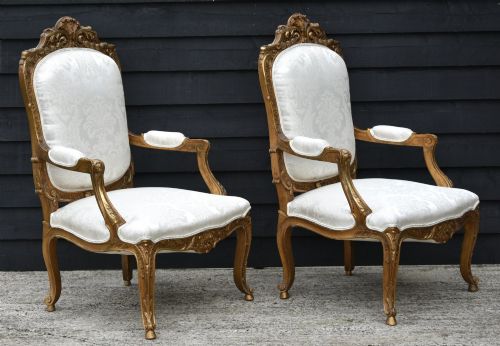
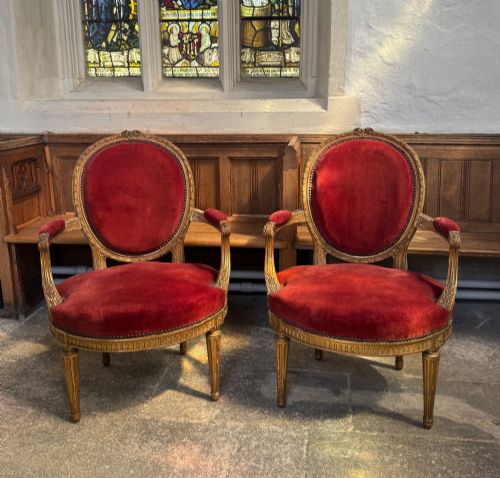
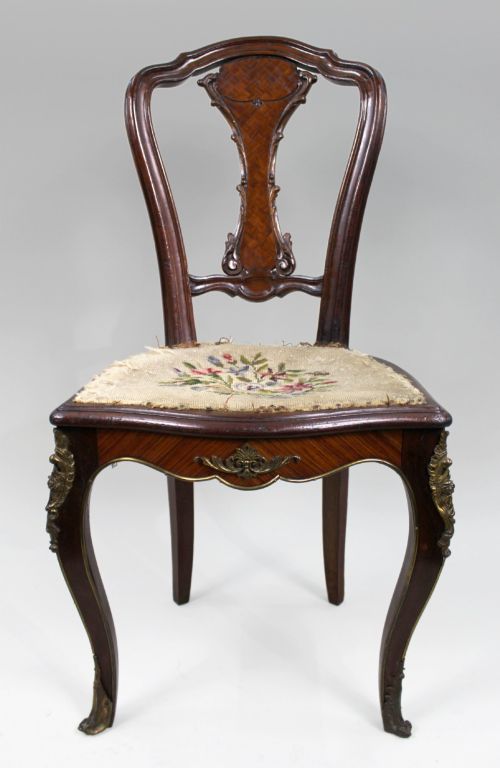
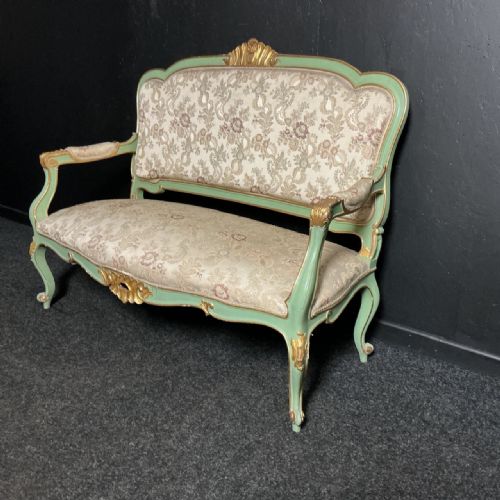
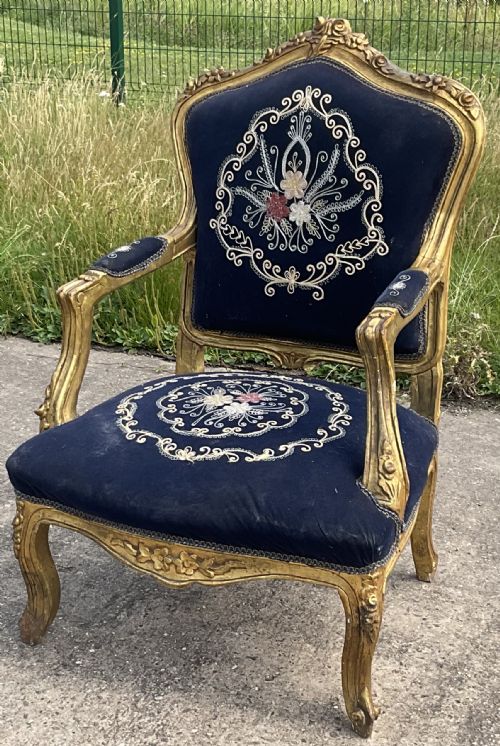
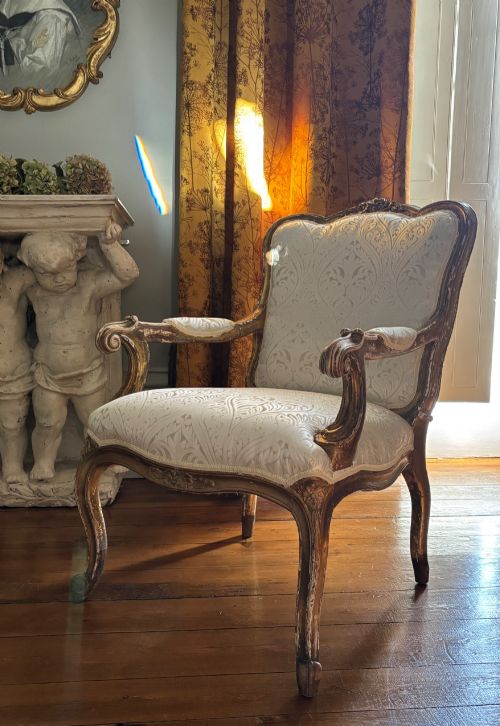
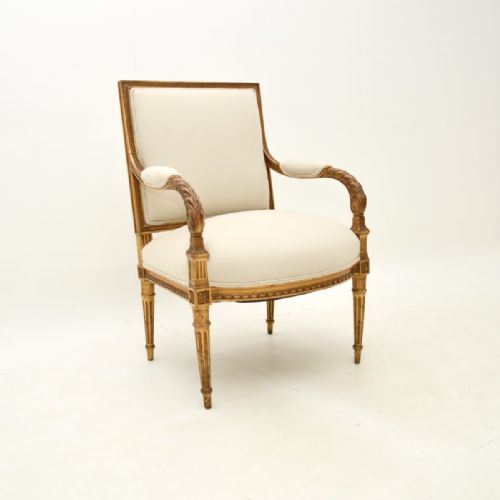
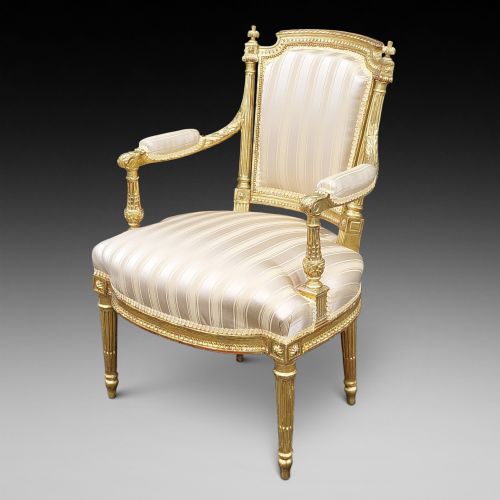
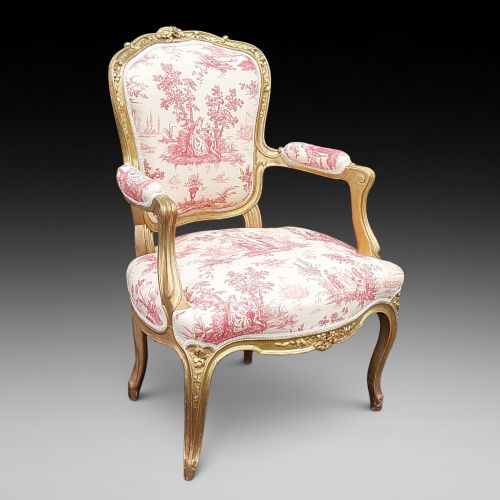
French gilt salon chairs encompass seating forms built for formal reception spaces, predominantly appearing as open armchairs, side chairs, and bergères. These pieces frequently manifest in revival aesthetics, drawing heavily on Louis XVI and Louis XV design vocabularies characterised by neoclassical restraint or rococo fluidity.
The objects originating from the nineteenth century dominate current selections, alongside examples stretching from the early nineteenth to the early twentieth century. Pieces emerge singly, in pairs, or as matched sets and larger salon suites complete with sofas.
Makers and workshops produced these chairs using beech, timber, and walnut beneath metallic finishes, equipping drawing rooms and boudoirs with decorative seating. Surviving examples reflect shifts from strict historical revivals toward lighter boudoir scales by the Edwardian era.
Construction and Materials
Carpenters shaped structural elements from hardwoods like beech and timber, employing traditional joinery to form curved frames, cabriole legs, and straight fluted supports. Carvers then detailed the wooden surfaces with floral motifs, scrolls, or classical bead reels before applying surface preparations.
Finishers applied metallic leaf or paint over a preparatory ground, creating the characteristic giltwood appearance seen across the inventory. Upholsterers completed the seating using traditional stuffing methods beneath textiles such as silk, velvet, damask, and tapestry.
The inventory records salon seating spanning armchairs, side chairs, and full suites originating from nineteenth-century revival periods.
Defining Quality
Depth and crispness of hand-carved ornamentation distinguish superior frames from simpler production pieces, where cast plaster or shallow incisions replace sharp chisel work. The weight and warmth of genuine gold leaf application create a visual richness absent from flat metallic paints.
Structural integrity depends upon dense underlying timber and tight joinery that resists movement under weight. Original upholstery treatments and surviving period textiles add historic integrity compared to modern replacements.
Jacob-Desmalter·Blaise Maucuy·Holland & Sons
The French Gilt Salon Chairs Glossary
- Giltwood
- Wood coated with gold leaf or powder over a prepared gesso base. This finish provides the characteristic metallic sheen seen on formal European seating.
- Fauteuil
- An open-arm armchair with exposed wooden arms and upholstered back and seat. The design originated in France during the seventeenth century for formal domestic use.
- Ormolu
- Gilded bronze mounts applied to furniture for decorative effect. Makers utilised these cast bronze elements on high-status pieces.
- Rococo Revival
- A nineteenth-century design movement resurrecting eighteenth-century asymmetrical curves, scrolls, and naturalistic shell motifs. This style heavily influenced salon chair ornamentation.
French Gilt Salon Chairs: Frequently Asked Questions
How were salon chairs used?
Salon chairs functioned as movable seating in formal drawing rooms, arranged easily to accommodate conversation during gatherings and receptions.
Their lightweight construction allowed hosts to reconfigure rooms quickly depending on the social occasion.
Where should I place these in my home?
These chairs suit reception rooms, bedrooms, and dressing areas where their decorative carved frames contribute visual elegance.
They function effectively as occasional seating rather than heavy daily lounging chairs.
How do I identify Louis XVI style?
Louis XVI style pieces exhibit straight tapered fluted legs, rectangular backs, and neoclassical symmetry drawing on classical architectural motifs.
This aesthetic contrasts with the earlier curving asymmetry typical of rococo designs.
Are original textiles important?
Original or period-appropriate textiles preserve the historic character of antique seating, though many pieces undergo reupholstery in silk or velvet to ensure usability.
Condition of the underlying frame remains the primary consideration for collectors.