




French Elbow Chairs
French elbow chairs bring classical European seating into modern rooms, offering supportive armrests and carved wooden frames.
French Elbow Chairs
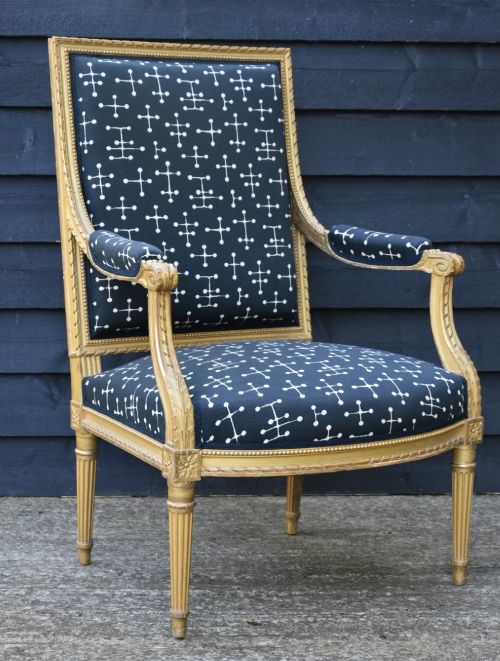
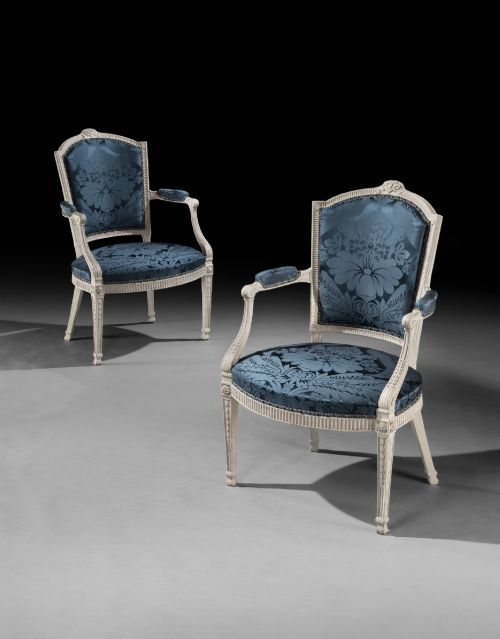
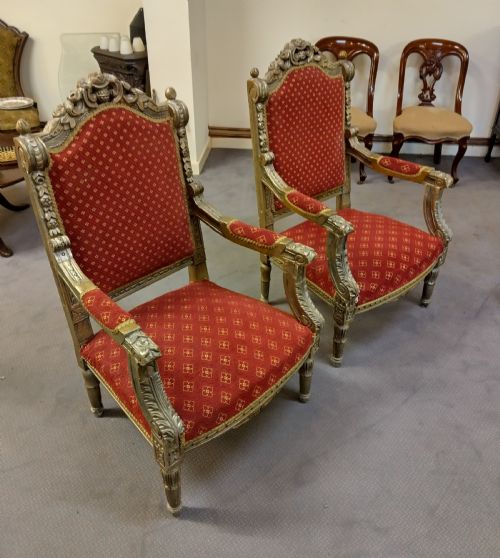
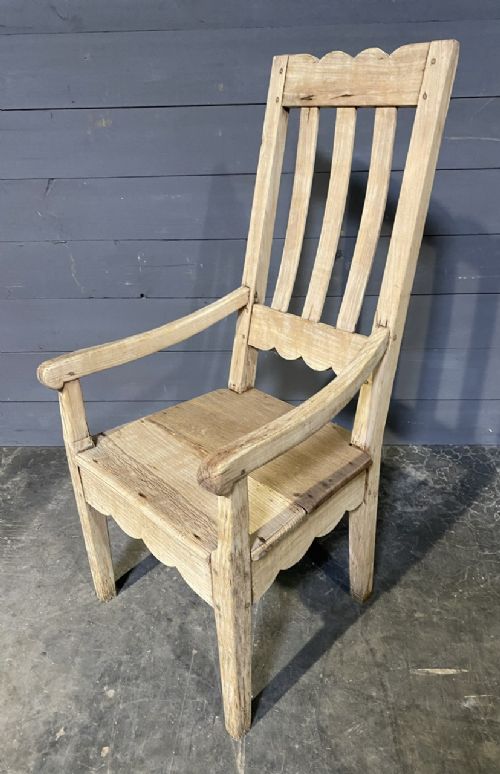
French elbow chairs are open armchairs designed for parlours, libraries and drawing rooms, appearing across periods from the seventeenth century to the twentieth century. These seats emerge in diverse regional and formal iterations, ranging from country house styles to ornate gilded salons.
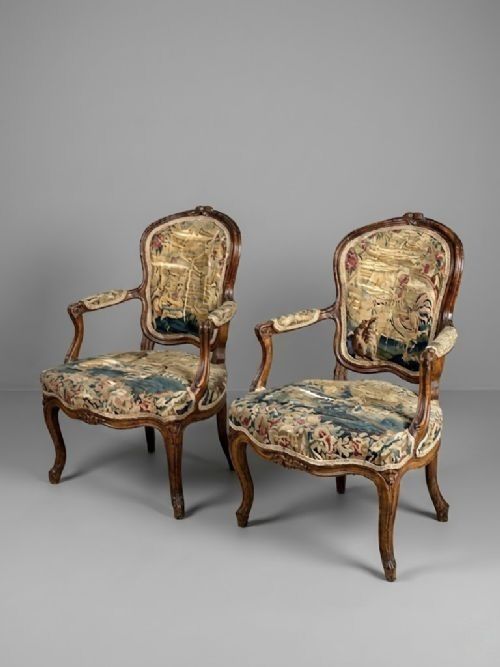
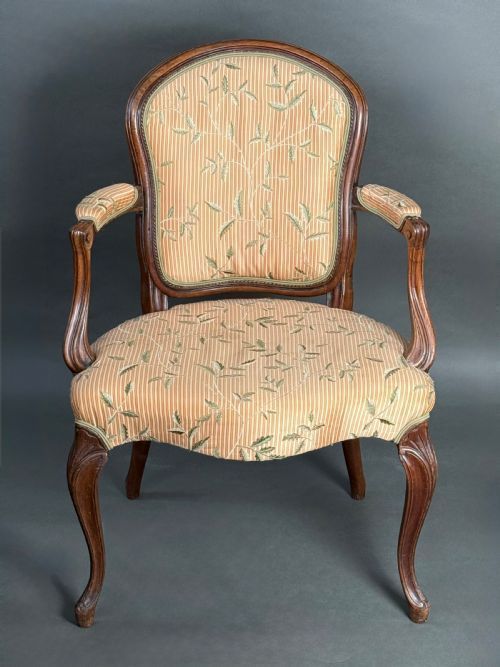
The version most commonly met on this page is the nineteenth century walnut framed armchair, often carved and upholstered in various textiles. Alongside these, buyers encounter eighteenth century pieces, painted finishes and twentieth century revivals reflecting earlier classical motifs.
How they were made
Frames are constructed from hardwoods such as walnut, mahogany, beech and oak, providing the structural integrity required for open arm seating. Woodworkers shaped these timbers using traditional joinery before applying carved details or smooth painted surfaces.
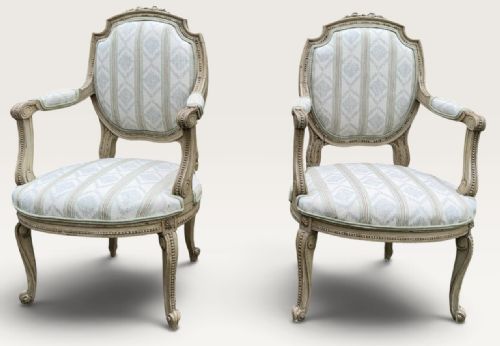
Surface treatments vary widely across the inventory, incorporating giltwood, gesso, silver gilt, or original paint alongside exposed polished grains. Upholstery utilises textiles including silk, leather and standard fabrics stretched over supportive interior padding.
French Elbow Chairs Retail Price Guide 2026
Typical asking prices for french elbow chairs among the pieces listed under this phrase on Sellingantiques today, from the lower quarter to the upper quarter. They describe what is for sale here now, not the wider market.
Some nineteenth century library armchairs were built wide enough to accommodate voluminous skirts without crushing the fabric.
What varies in quality
The standard of carving distinguishes standard production seating from exceptional workshop pieces. Crispness, depth and naturalistic flow in the wooden ornaments indicate the skill invested by the original maker.
The integrity of the frame and the preservation of original finishes determine the standing of each piece. Surviving early paint, original gilding and solid hardwood construction elevate the desirability of individual examples.
Louis Majorelle
The French Elbow Chairs Glossary
- Fauteuil
- An open-armed upholstered armchair originating in France with exposed wooden framing. This term frequently describes seats designed for formal rooms.
- Giltwood
- Timber coated with a thin layer of gold leaf applied over a prepared gesso ground. This luxurious finish appears on high-status revival and period seating.
- Gesso
- A plaster-like mixture applied to wooden frames as a smooth base for gilding or paint. It allows carvers to achieve sharp details before applying metallic leaf.
- Parcel Gilt
- A decorative technique where only specific raised portions of a painted or stained wooden surface receive gold leaf. This creates a contrasting two-tone visual effect.
- Open Armchair
- A seat featuring unsupported sides where the arms connect directly to the back posts and seat rail without solid upholstery panels between them.
French Elbow Chairs: Frequently Asked Questions
What is a French elbow chair?
A French elbow chair is an open-armed wooden seat designed for domestic comfort and formal reception spaces. These chairs feature supportive armrests integrated into carved frames.
They appear in various regional and court styles, ranging from rustic country models to ornate gilded salon armchairs.
How do I identify the period?
Dating relies on stylistic markers, construction methods and timber choices characteristic of specific decades. Eighteenth century models display distinct neoclassical or rococo proportions.
Later nineteenth century examples often adapt these earlier motifs through revival movements, utilising walnut and mahogany frames.
Where were they used?
These armchairs served primarily in reception rooms, libraries, morning rooms and parlours. Their open arms accommodated voluminous historical clothing.
They functioned both as movable seating for conversation and as decorative elements within grand interiors.
How do I care for antique upholstery?
Maintenance depends on whether the fabric is historic silk, leather or modern replacement textile. Vacuuming with a soft brush attachment removes surface dust safely.
Protecting the wood and textiles from direct sunlight prevents fading and drying out of the underlying materials.