



French Gilt Bronze Lighting
French gilt bronze lighting brings heavy metalwork, bright gilding and crystal drops into a room.
French Gilt Bronze Lighting
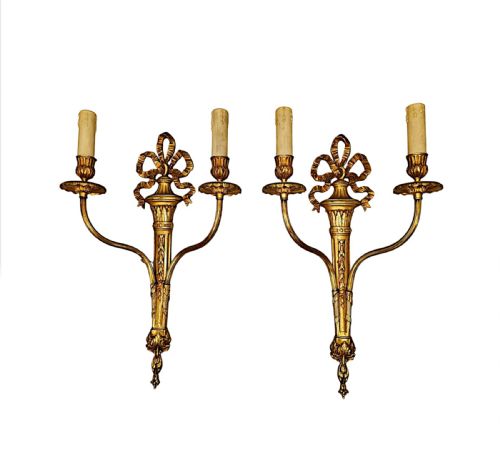
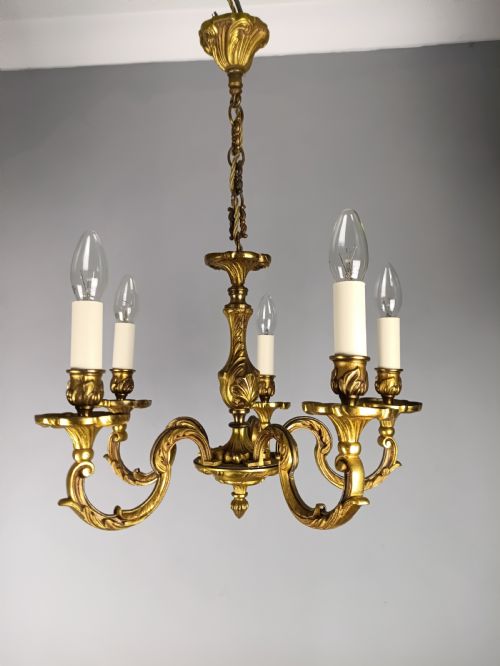
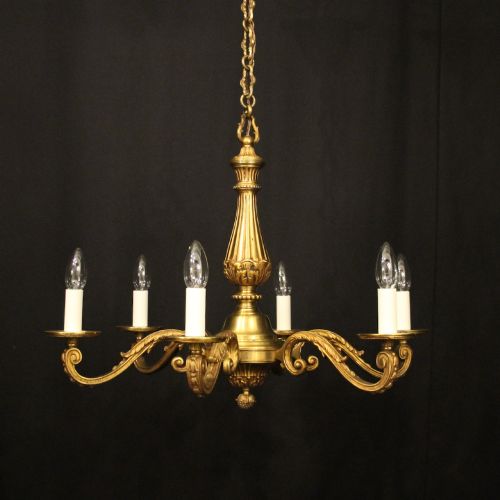
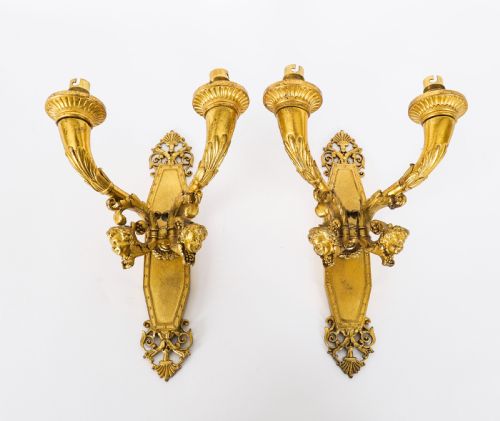
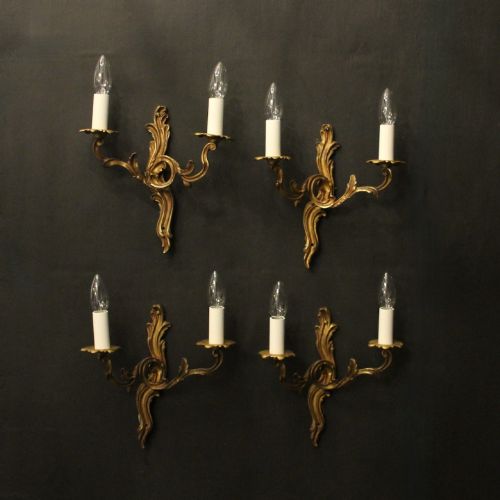
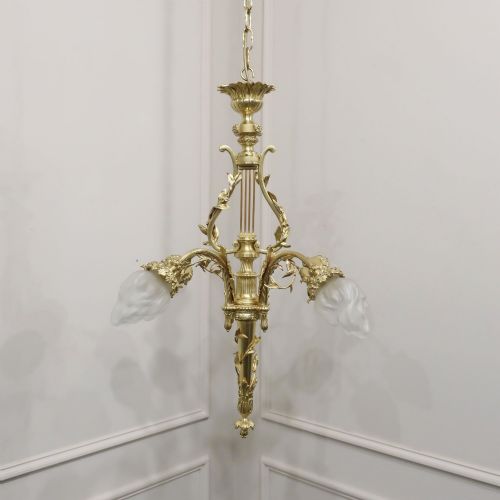
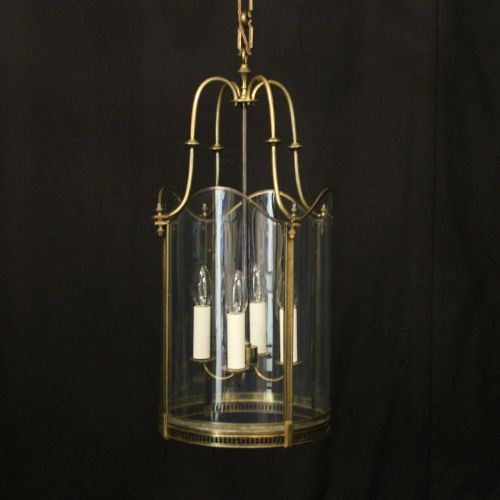
French gilt bronze lighting encompasses chandeliers, wall lights, candelabra and table lamps produced across the eighteenth, nineteenth and early twentieth centuries. These pieces display distinct historical influences, ranging from French Rococo and Neoclassical styles to Louis XVI and Empire designs.
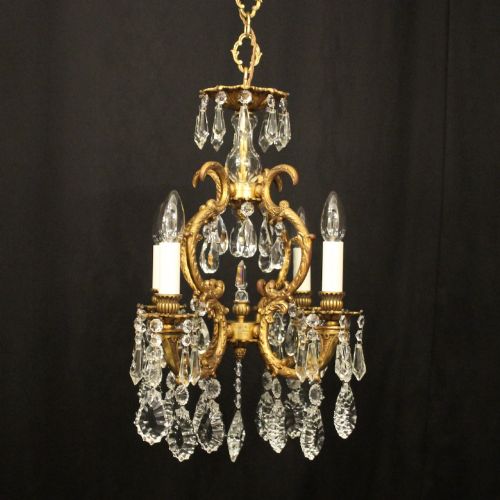
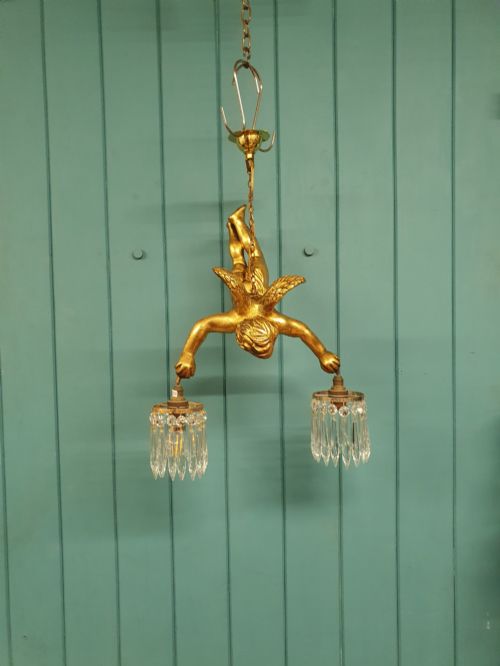
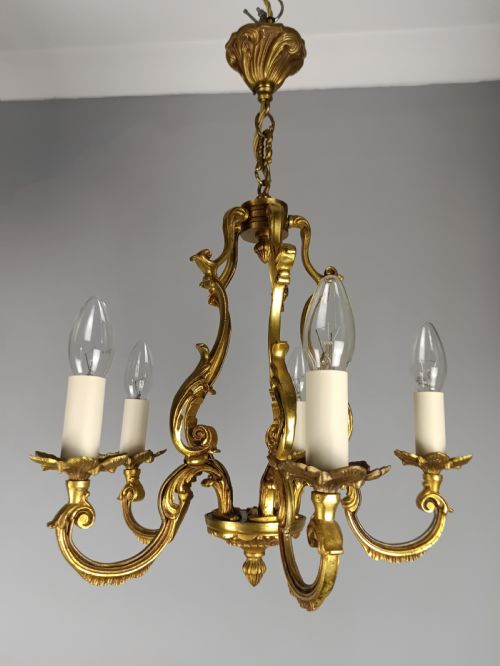
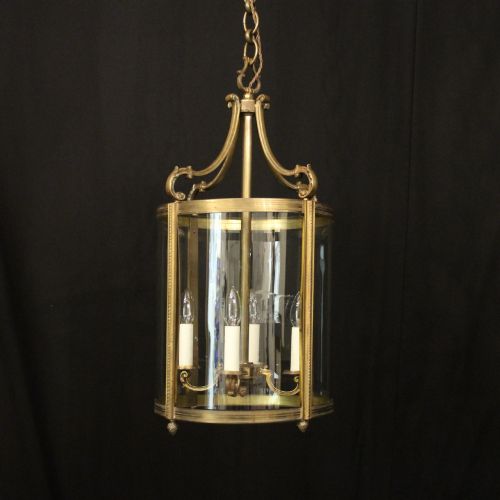
The buyer meets numerous multi-arm chandeliers, hanging hall lanterns and matched pairs of wall sconces originating from French workshops. The selection relies heavily on cast metal frames embellished with floral motifs, cherubs and classical architectural details.
Lighting from this category serves both functional illumination and decorative gravitas, drawing on historical forms such as the birdcage chandelier and tent and waterfall designs. Pieces frequently integrate secondary elements like marble bases, porcelain bodies or cascading crystal drops.
Materials and Construction
The primary construction relies on cast bronze or brass, shaped through traditional foundry methods before receiving a layer of gold through mercury gilding or electroplating. This creates the characteristic ormolu surface that reflects ambient light.
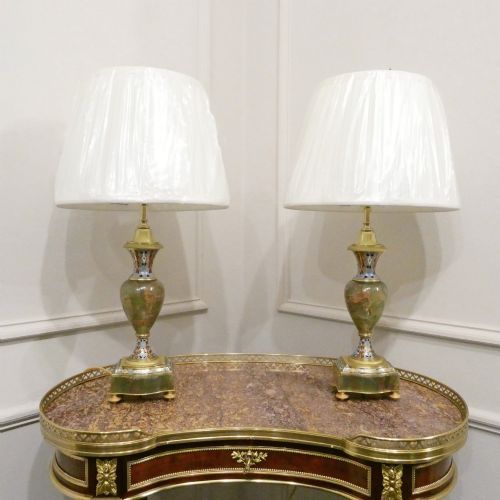
Many items combine the gilded metal framework with transparent crystal drops, moulded glass panels or polished marble plinths. Secondary decorative components utilise patinated bronze, champleve enamel or porcelain inserts to introduce contrasting colour and texture.
Listings feature items spanning the eighteenth century through to the nineteen-thirties, incorporating materials such as crystal, marble and porcelain.
Assessing Quality and Execution
Quality rests upon the crispness of the chasing work on the bronze surface, where sharp leaf details and clean cast lines separate superior output from soft, repetitive castings. The depth and durability of the original gilding dictate the visual warmth of the object.
The integrity of the construction shows in the weight of the metal components and the precision with which arms, bobeches and crystal elements fit together. Finer pieces demonstrate careful hand-finishing on hidden reverse sides and robust mechanical joins.
Barbedienne·E Rousseau·Francois Redmond·Dugourc
The French Gilt Bronze Lighting Glossary
- Ormolu
- Gilded bronze produced by applying a mixture of gold and mercury to a bronze base, or through modern electroplating methods. The technique yields a rich, golden surface finish characteristic of antique lighting.
- Bobeche
- A small collar or drip pan positioned below the candle nozzle to catch melting wax. This component often matches the surrounding cast metal decoration of the chandelier or candelabrum.
- Champleve
- An enamelling technique where troughs are gouged into the metal surface and filled with vitreous paste before firing. It appears on decorative mounts alongside gilt bronze frames.
- Candelabra
- A branched candlestick designed to hold multiple tapers simultaneously. Antique examples frequently feature central figural stems flanked by scroll arms.
French Gilt Bronze Lighting: Frequently Asked Questions
How do I clean gilt bronze?
Dust the surface gently with a soft, dry brush to prevent dirt accumulation in the recessed chasings. Avoid harsh chemical cleaners or abrasive cloths that can strip the delicate gold layer.
For stubborn grime, use a damp cloth with mild soap, followed immediately by thorough drying with a soft towel.
What is the difference between ormolu and gilt bronze?
Ormolu specifically denotes the historical French process of applying gold amalgam to bronze using mercury, which was later fired to bond the metal. Gilt bronze serves as a broader term that also encompasses later electroplated finishes.
Both terms describe the golden metallic surface seen across these decorative light fittings.
How do I date a French chandelier?
Dating relies on stylistic markers such as neoclassical symmetry, rococo asymmetry, or specific motifs like ribbons and cherubs. Construction methods, including the type of screws and cast seams, provide further clues to the manufacturing era.
Comparing the design against documented nineteenth and early twentieth-century catalogue examples helps narrow the production period.