


French Gilt Bronze Lamps
French gilt bronze lamps bring nineteenth-century warmth into a room through rich metallic lustre and classical proportion.

French Gilt Bronze Lamps
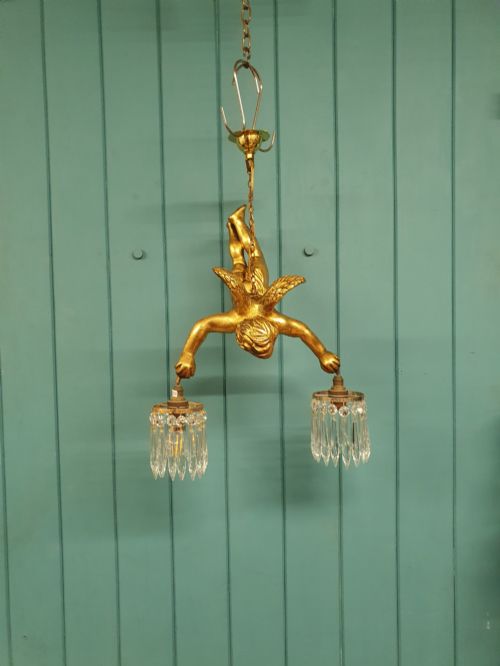
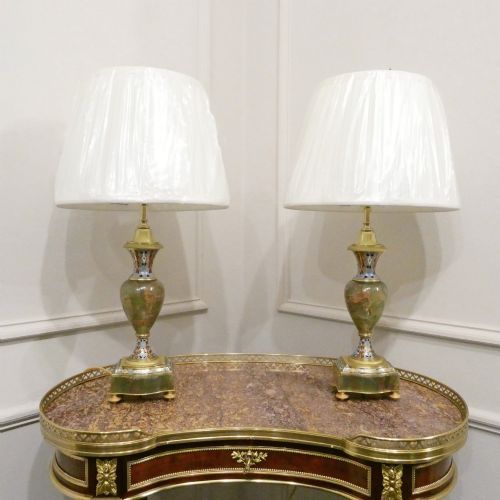
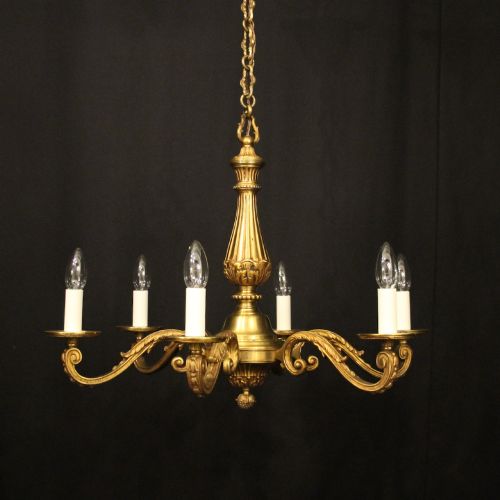
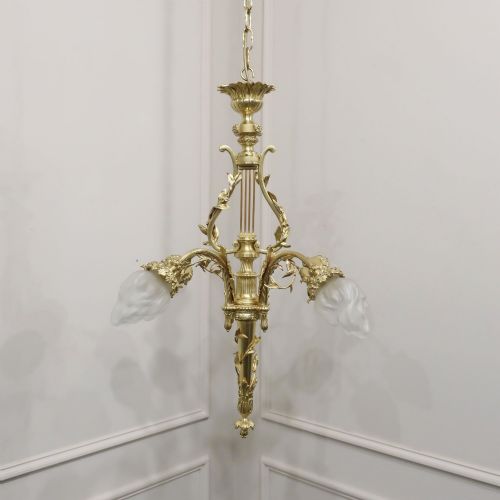
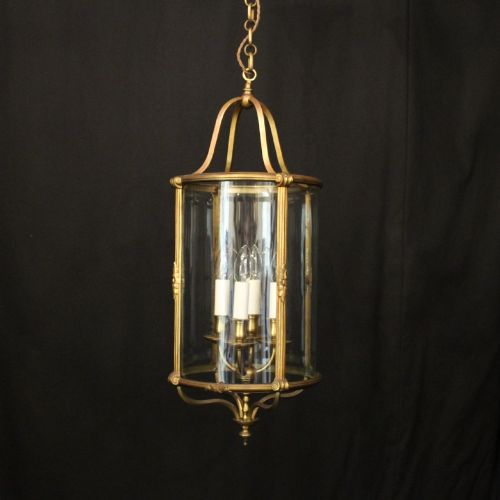
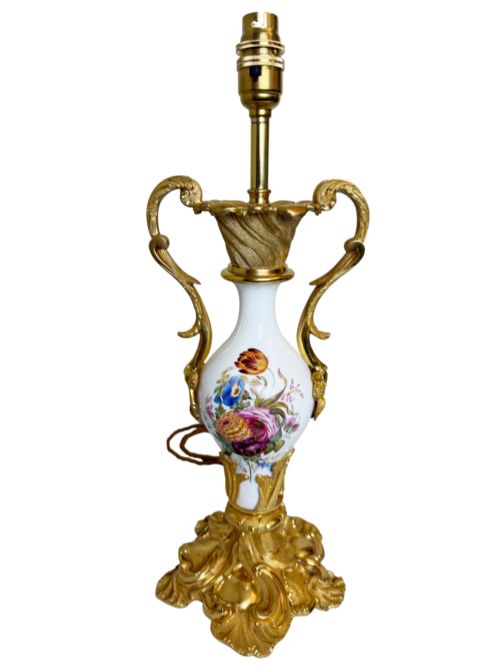
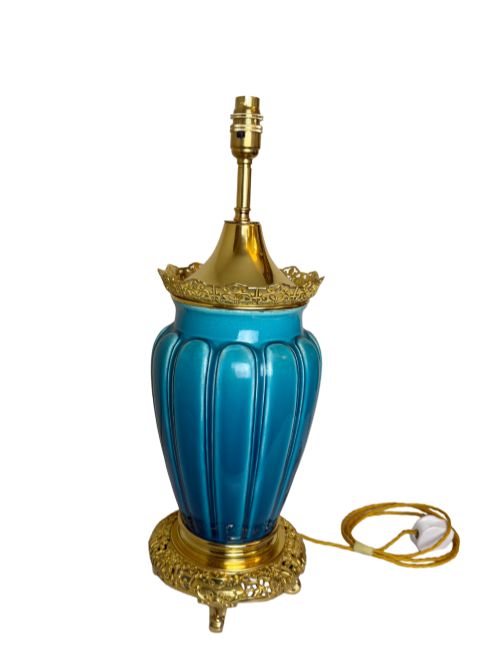
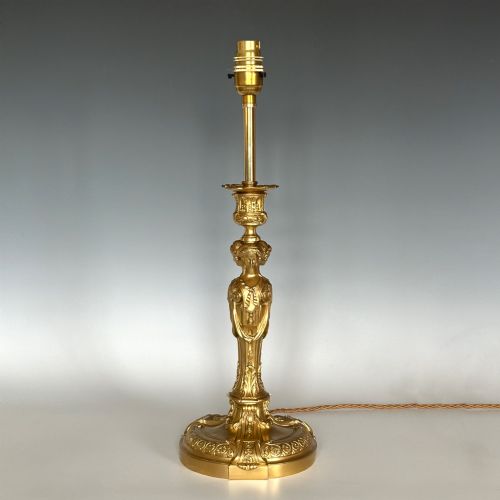
French gilt bronze lamps encompass ornate lighting fixtures originating from nineteenth- and early-twentieth-century French workshops. Buyers looking for French gilt bronze lamps frequently encounter table lighting paired with marble, porcelain, or onyx bases.
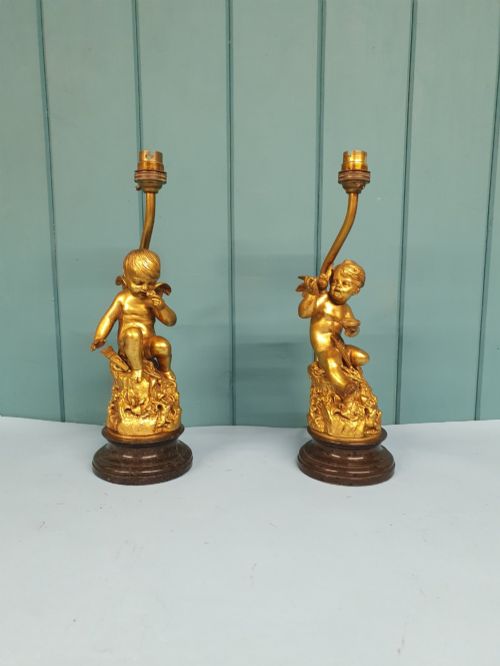
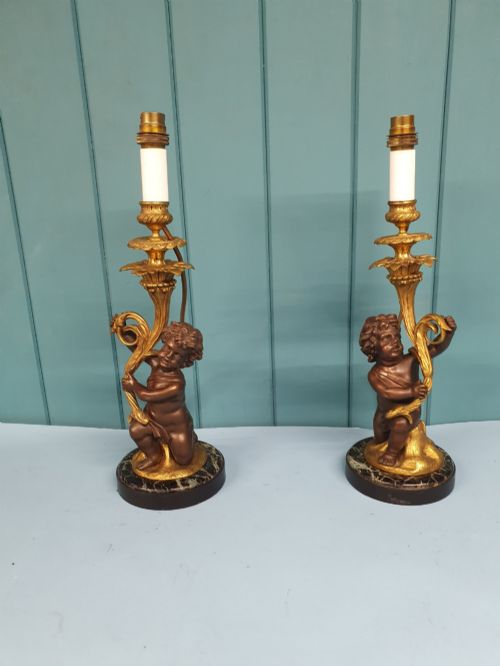
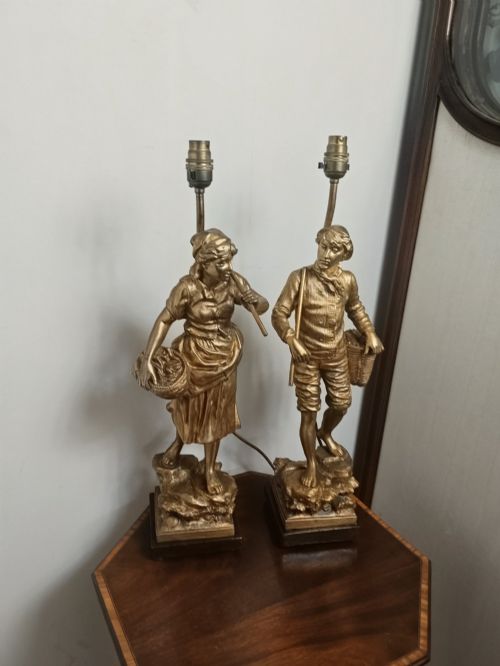
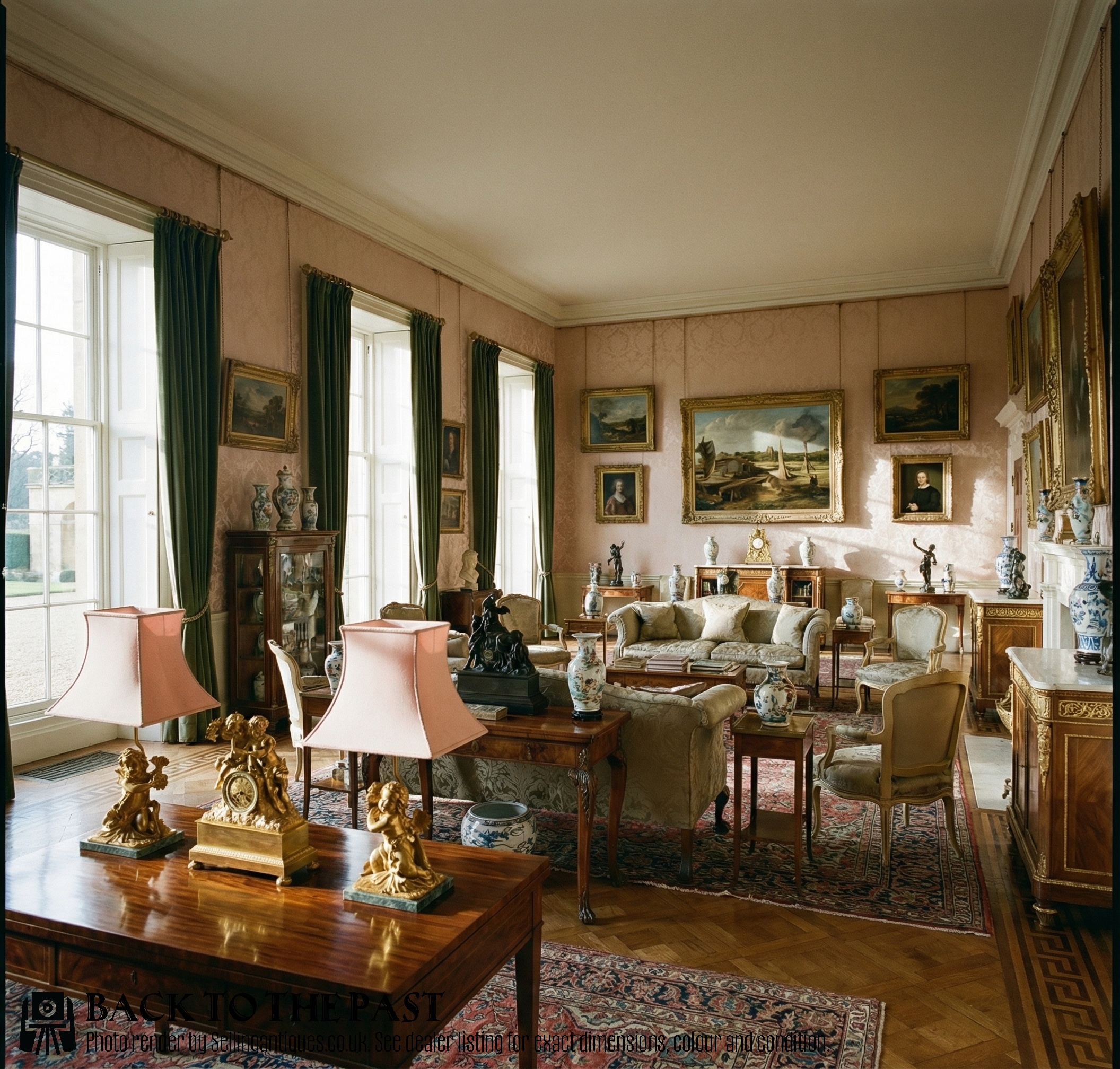
The inventory extends beyond solitary table lights to matched pairs designed for sideboards or mantelpieces. These decorative objects bridge the gap between functional illumination and sculptural art.
How they were made
Artisans produced these pieces by casting bronze components through the traditional lost-wax or sand-casting methods. The metal was then meticulously chased and fire-gilded using a mercury amalgam to achieve an enduring, deep gold surface.
Many designs integrate secondary materials such as rouge marble, onyx, alabaster, and hand-painted porcelain bodies. Crystal drops, glass shades, and champlevé enamel detailing frequently complement the metallic mounts.
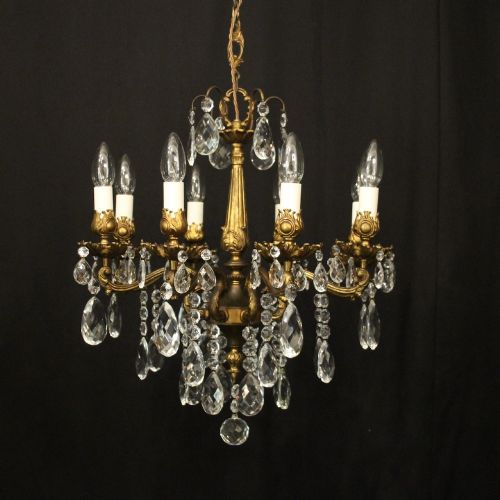
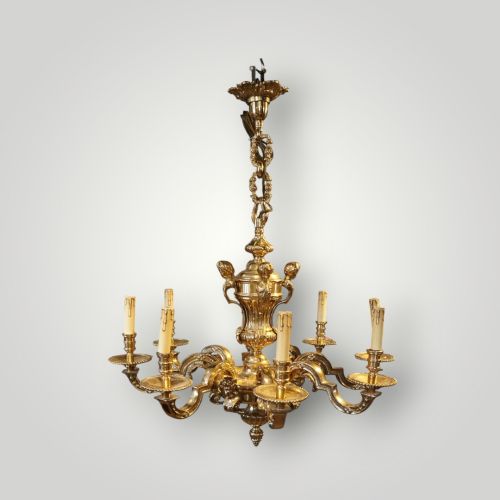
Listings feature eighteenth-century Chinese vases mounted as lamps alongside nineteenth-century French marble urns and crystal chandeliers.
What varies in quality
Quality depends upon the crispness of the bronze chasing and the depth of the original gilding. Superior examples display sharp relief in figural motifs and foliage, whereas lesser pieces show softer, shallower casting details.
The choice and execution of secondary materials also differentiate the tier of manufacture. Solid carved marble or finely painted porcelain combined with heavy, thick-gauge bronze marks the higher end of the scale.
E Rousseau·François Linke
The French Gilt Bronze Lamps Glossary
- Ormolu
- A gold-coloured alloy of copper, zinc, and sometimes tin applied to bronze objects. This technique was widely utilised by French furniture and lighting makers.
- Chasing
- The manual refinement of a cast metal surface using hammers and punches. This tool-work restores crisp detail and texture after casting.
- Cassolette
- A decorative vase or urn with a reversible lid that functions as a perfume burner or candle holder. Many examples were later converted into electric lamps.
- Champlevé
- An enamelwork technique where troughs are dug into a metal surface and filled with vitreous paste before firing. It appears frequently on decorative mounts.
- Gueridon
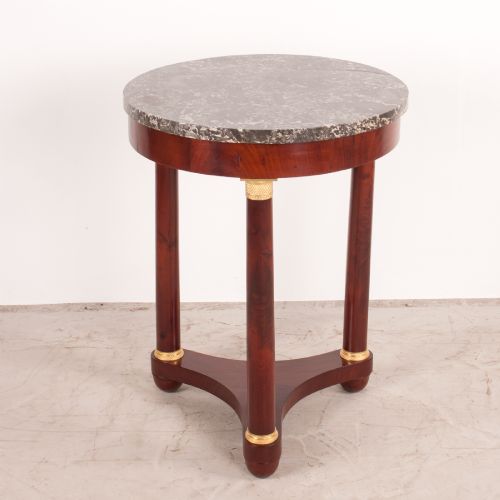
- A small, round occasional table often produced in France during the nineteenth century. These frequently accompany period lighting fixtures in interior settings.
French Gilt Bronze Lamps: Frequently Asked Questions
How do I date French gilt bronze lamps?
Dating relies on stylistic clues, manufacturing techniques, and the integration of materials like marble and porcelain. Earlier nineteenth-century examples often display strict neoclassical symmetry, while later pieces lean towards exuberant revival styles.
Examining the mounting hardware, wiring channels, and wear patterns on the gilding provides further context. Comparing the cast details against documented pieces helps narrow down the production era.
Were these lamps originally electrified?
Most nineteenth-century lighting pieces were originally designed for candles or oil before later conversion to electricity. This adaptation frequently occurred during the early twentieth century or more recently.
When conversions happen, internal wiring is threaded through existing channels to preserve the outer bronze and ormolu structure. Buyers should inspect the fitting spaces to understand how the original structure was modified.
How should I clean gilt bronze surfaces?
Maintenance requires only gentle dusting with a soft, dry cloth to prevent the accumulation of dirt. Harsh chemical polishes or abrasive cloths will strip the delicate gold layer from the bronze.
Professional conservation is recommended if deeper cleaning becomes necessary. Keeping the lamps away from direct moisture preserves both the metal lustre and any stone or porcelain components.
What styles are common in these lamps?
The primary design influences draw from Louis XVI, Rococo, Empire, and Neoclassical periods. These styles dictate the decorative vocabulary, ranging from scrolling acanthus leaves to severe classical columns.
Figural subjects such as cherubs, lions, and griffins frequently support the main body. The architectural geometry of the base usually reflects the prevailing taste of its specific decade.