


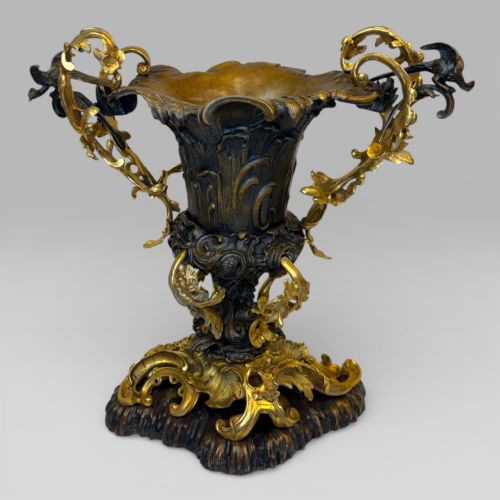
French Gilt Bronze Handle
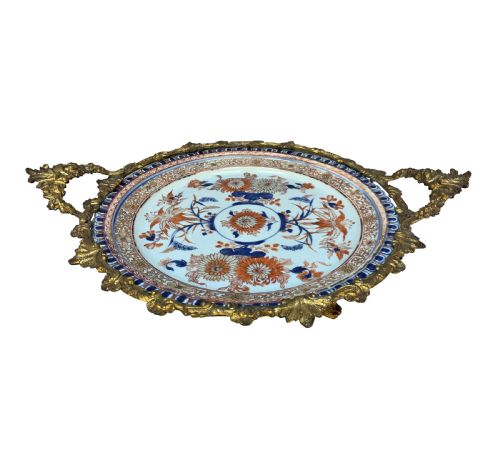
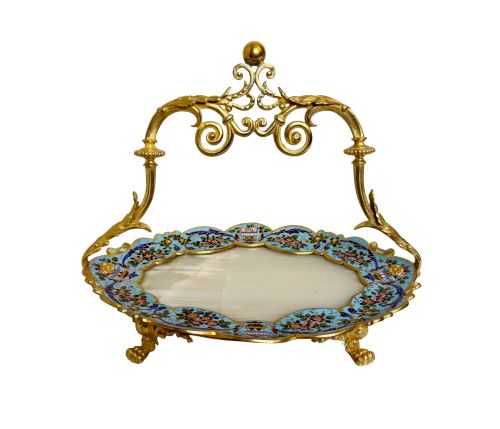
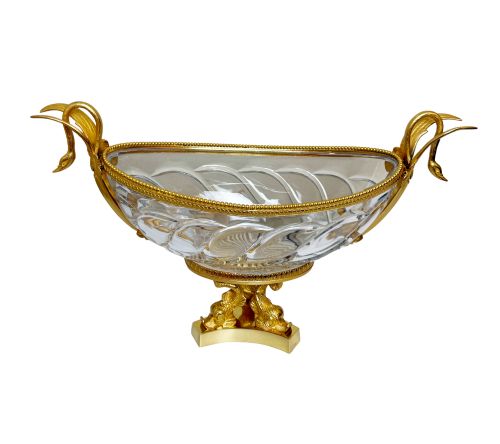
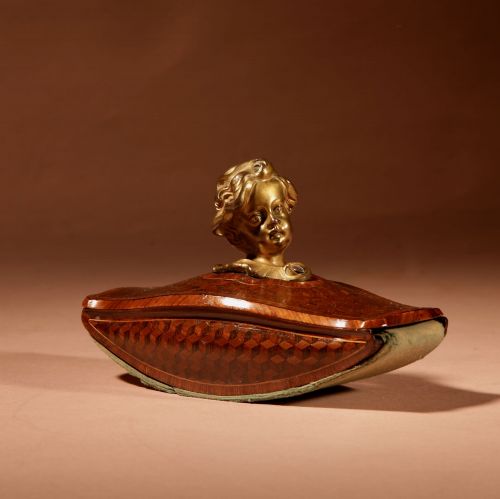
These french gilt bronze handle mounts turn functional objects into decorative centrepieces through detailed casting.
French Gilt Bronze Handle
When you search for a french gilt bronze handle, you examine decorative hardware and mounts attached to nineteenth-century and eighteenth-century objects. The selection here includes centrepieces, vases, urns, table lamps, trays, and carriage clocks originating from varied continental European workshops.
Most items you meet on this page combine gilded metalwork with contrasting materials like porcelain, crystal, champleve enamel, onyx, and marble. They display distinct aesthetic influences ranging from French Rococo and Empire to Victorian and Art Nouveau styles.
The hardware serves both practical functions and ornamental purposes across domestic items such as desk blotters, champagne coolers, and lidded vessels. Buyers encounter these decorative accents mounted securely onto larger decorative works or functioning as distinct handles on tazzas and urns.
Materials and construction methods
The creation of these objects relies on bronze casting, often utilising fire-gilding techniques to achieve the characteristic ormolu surface finish. Artisans shape the metal into elaborate scrollwork, classical motifs, and organic curves before applying the gold amalgam.
Makers combine the cast metalwork with delicate secondary materials, securing glass, porcelain, onyx, and marble elements within the bronze framework. Champleve enamel work frequently appears alongside the gilt metal, adding distinct colour and patterned detail to trays, vases, and clock panels.
Some nineteenth-century carriage clocks feature hidden repeat mechanisms designed to chime the last elapsed hour when a small plunger is pressed in the dark.
Determinants of quality
The crispness of the chased detail across the cast bronze surface separates ordinary items from superior examples. Skilled metalworkers retain sharp definition in leaves, scrolls, and figurative motifs after the finishing and gilding processes.
The integration between the gilt bronze mounts and the primary material - whether porcelain, crystal, or stone - demonstrates the maker's precision. Well-fitted mounts sit flush against the body, maintaining structural stability without obscuring the craftsmanship of the vessel beneath.
The French Gilt Bronze Handle Glossary
- Ormolu
- Gilt bronze produced by applying a mercury and gold amalgam to a bronze object and heating it until the mercury vaporises. This technique leaves a durable, rich golden finish characteristic of nineteenth-century decorative arts.
- Champleve enamel
- A technique where troughs or cells are sunk into the surface of the metal and filled with vitreous enamel powder before firing. The resulting coloured patterns often decorate the frames of clocks and centrepieces.
- Tazza
- An ornamental shallow cup or vase mounted on a stem and foot, frequently fitted with decorative handles. These pieces often incorporate classical Grecian or Egyptian revival motifs in alabaster and bronze.
- Empire style
- A neoclassical design movement originating in early nineteenth-century France, drawing inspiration from ancient Roman and Greek forms. Pieces in this style feature formal symmetry and military or classical motifs.
French Gilt Bronze Handle: Frequently Asked Questions
How do I clean gilt bronze?
Dust the surface gently with a soft, dry cloth to prevent the accumulation of dirt in the chased recesses. Avoid harsh chemical cleaners or abrasive polishes that can strip the delicate gold layer from the bronze.
Keep these objects away from direct moisture and humidity to protect the underlying metal and any integrated enamel or stone components.
What is the difference between ormolu and brass?
Ormolu consists of gilt bronze, which uses a copper and tin alloy treated with gold to create a warm, deep lustre. Brass is primarily an alloy of copper and zinc that generally lacks the specific fire-gilded finish seen on high-end nineteenth-century French mounts.
Under magnification, ormolu reveals hand-chased detailing applied after casting, whereas many brass items rely solely on the initial mould.
Where were these items placed in a home?
Nineteenth-century interiors utilised these decorative objects as centrepieces on dining tables, mantel ornaments, and functional desk accessories. Vases, urns, and clocks served to display wealth and refined taste in principal reception rooms.
Today, collectors place them on sideboards, consoles, and mantelpieces where light can catch the reflective gilt surfaces.
How can I tell the period?
Examine the casting quality, style signatures, and the method by which mounts are secured to the body of the object. Eighteenth-century pieces and nineteenth-century revivals often share similar motifs, but the sharpness of the hand-chasing helps indicate the era.
The materials used in the core structure, such as specific types of porcelain or glass, also provide strong clues to the date of manufacture.