


French Gilt Brass Lamps
French gilt brass lamps bring warm metallic lustre and classical proportion to a room, spanning table designs, wall sconces and grand chandeliers.
French Gilt Brass Lamps
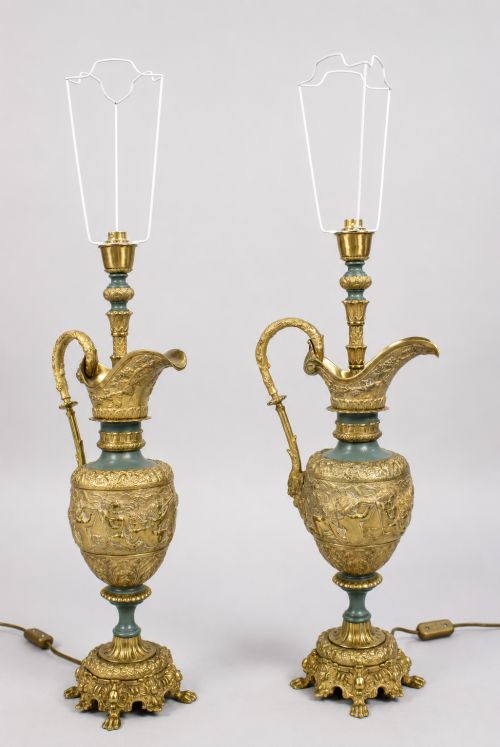
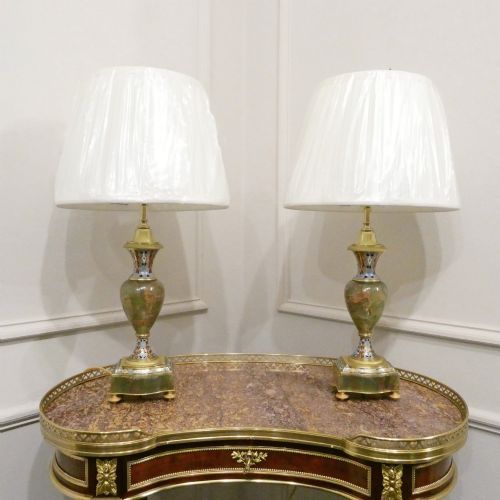
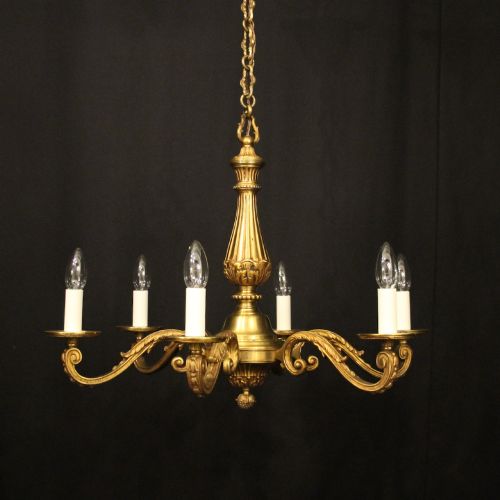
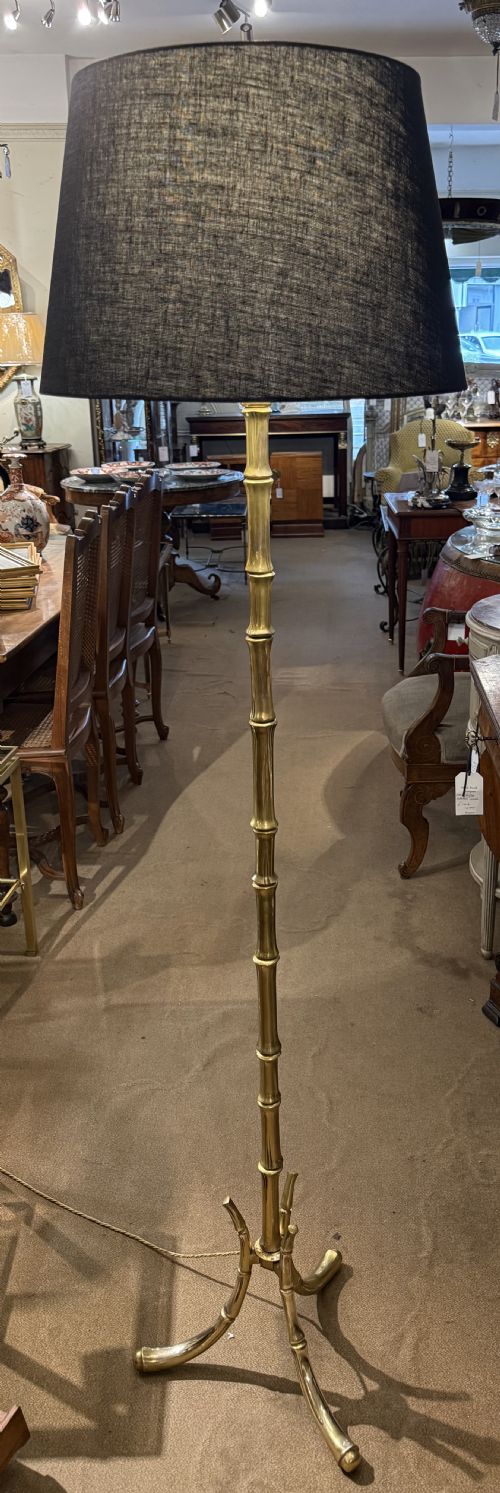
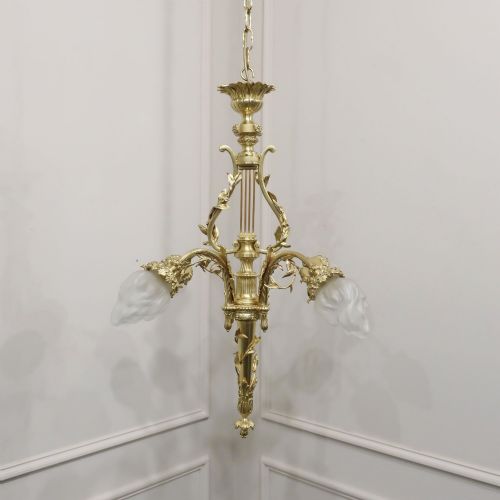
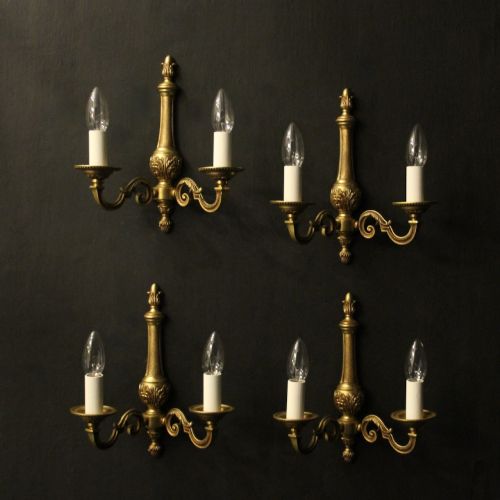
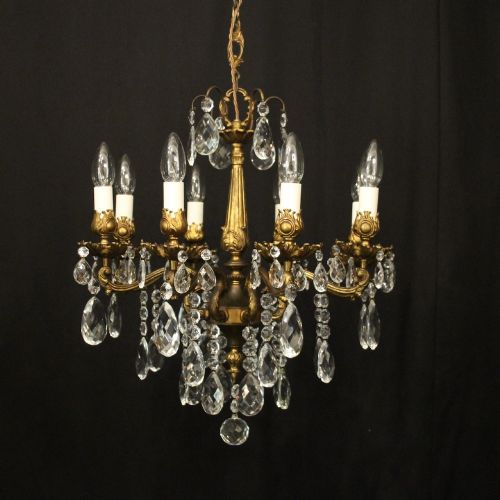
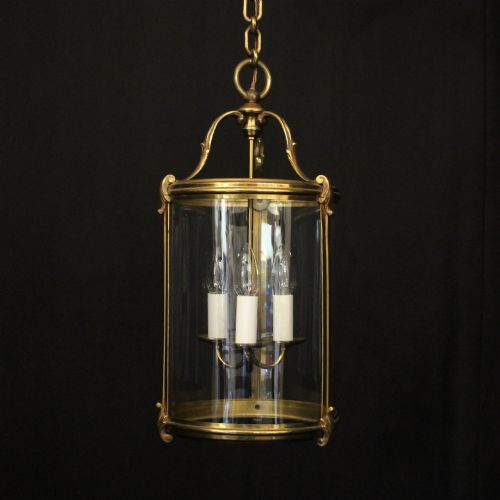
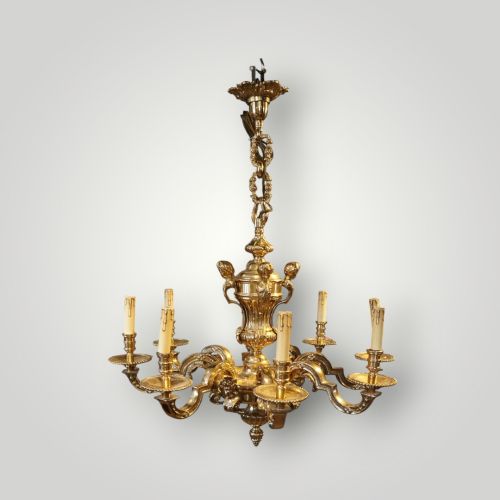
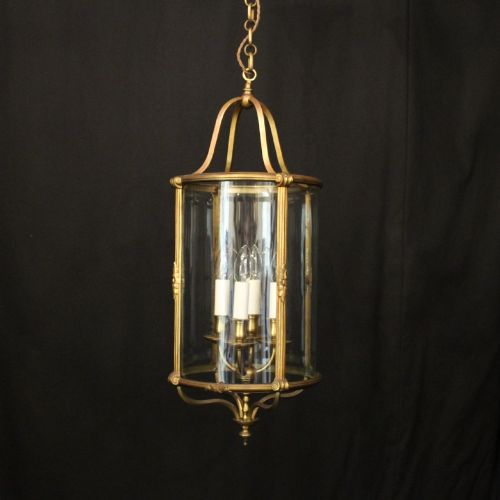
French gilt brass lamps encompass domestic lighting solutions created in brass, gilt bronze and ormolu, often paired with marble bases, crystal droplets or ceramic bodies. When searching for French gilt brass lamps, buyers encounter diverse forms ranging from modest table lights and altar lamps to multi-arm wall lights and hanging lanterns.
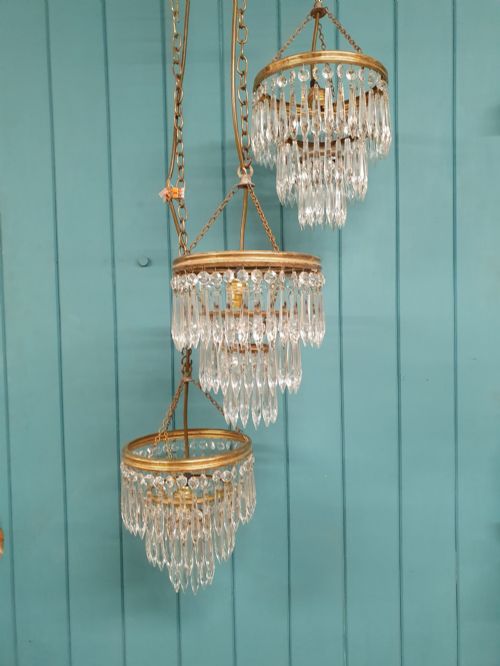
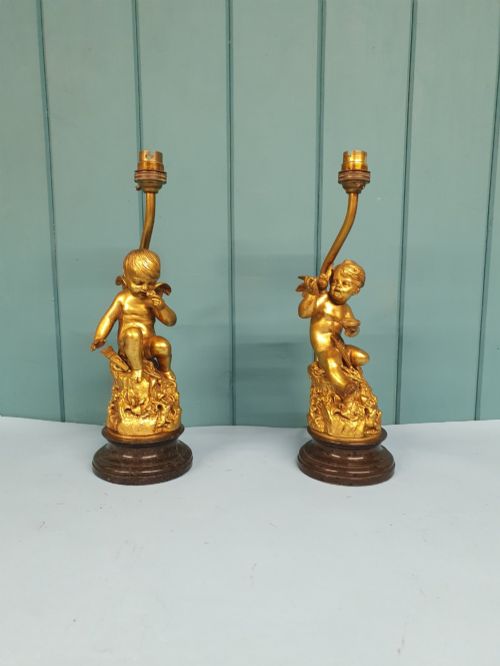
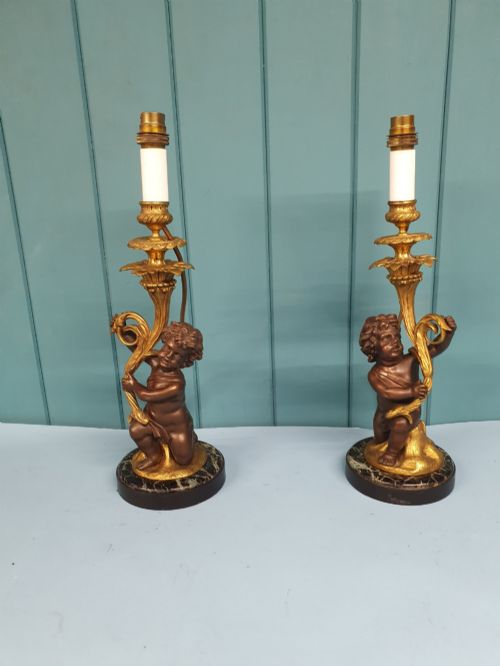
The objects date across the nineteenth and early twentieth centuries, drawing on established design idioms like Louis XVI, Neoclassical, Empire and Rococo Revival. Table lamps frequently incorporate cherubs, classical columns or floral motifs, while larger fixtures use tiered crystal and cast bronze frames.
This selection reflects influences from French chateau aesthetics alongside later Art Deco and transitional twentieth-century styles. Pieces appear individually or in matched pairs, serving both functional illumination and decorative presence within interiors.
Materials and construction methods
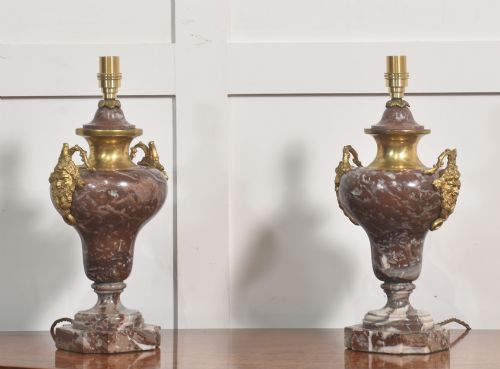
Construction relies heavily on cast brass and bronze, finished with surface gilding or ormolu techniques to impart a rich golden sheen. Makers combined these metallic elements with contrasting materials such as rouge marble, onyx, porcelain and cut glass or crystal.
Casting methods permitted intricate detailing like ribbon sconces, rams' heads and foliate scrollwork. Elements were joined mechanically or pinned, supporting structural glass shades, crystal drops and electrical conversions.
Listings span periods from the early nineteenth century through the 1930s, featuring brass, gilt bronze, marble and crystal.
Distinctions in craftsmanship and design
Quality reveals itself in the crispness of the chased and cast ornamentation, where finer examples display sharp relief and delicate detailing on foliage and figural mounts. The weight and integration of secondary materials like solid marble or thick crystal also separate standard production from superior pieces.
Proportion and harmony of design distinguish the output of skilled workshops from ordinary items. Superior examples maintain balanced composition across arms, bases and decorative motifs, reflecting careful adherence to historical styles.
Maison Bagues·François Linke
The French Gilt Brass Lamps Glossary
- Ormolu
- Finely ground high-carat gold applied to a bronze base through a mercury amalgamation process, or later via electroplating. It provides a durable and brilliant metallic finish.
- Champlevé
- An enamelling technique where troughs are carved into the metal surface and filled with vitreous enamel before firing. It frequently appears on decorative table lamp stems.
- Photophore
- A glass shade or chimney designed to protect a candle flame from drafts. In nineteenth-century examples, these sit atop marble and gilt-brass bases.
- Chandelier
- A branched ceiling-mounted lighting fixture designed to hold multiple bulbs or candles. Examples in the evidence frequently incorporate crystal drops and gilt bronze frames.
- Neoclassical
- A design style inspired by classical antiquity, characterised by symmetry, straight lines and motifs such as urns and fluted columns. It heavily influences late nineteenth-century lighting.
French Gilt Brass Lamps: Frequently Asked Questions
Are these lamps safe to use today?
Many vintage and antique lighting fixtures have been rewired or tested to meet modern standards, though buyers should verify electrical components with a qualified professional upon acquisition.
Original sockets and wiring are frequently updated to accommodate contemporary bulbs while preserving the exterior metalwork.
What is the difference between ormolu and gilt brass?
Ormolu specifically denotes a gold-gilded bronze finish achieved through traditional mercury amalgamation or precise contemporary gilding on cast bronze. Gilt brass uses a brass substrate rather than bronze beneath the golden surface layer.
Both materials yield a bright metallic appearance but differ in weight and base alloy composition.
How should I clean antique gilt brass?
Maintenance requires gentle dusting with a soft, dry cloth to prevent the accumulation of grit on delicate cast surfaces. Avoid abrasive polishes or chemical cleaners that can strip the historic gilt layer.
Preserving the surface patina protects the character developed over the nineteenth and twentieth centuries.