

French Gilt Box
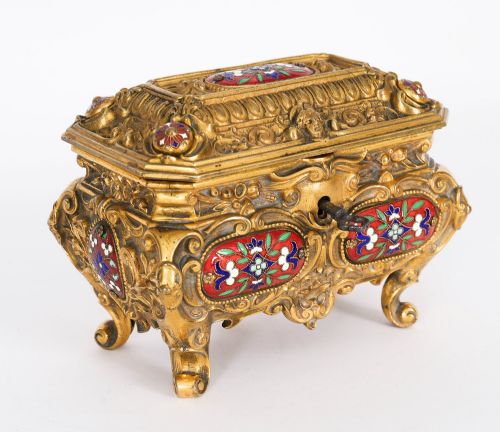
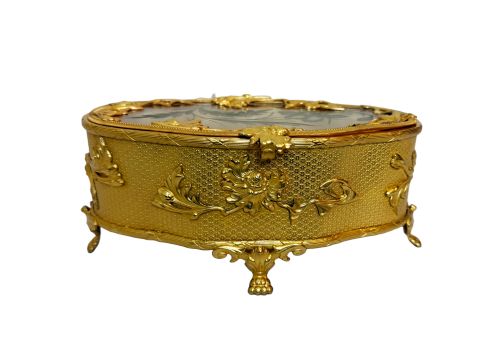
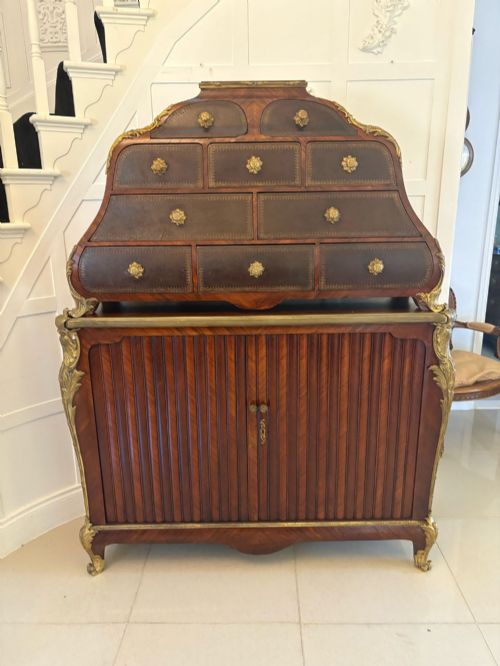
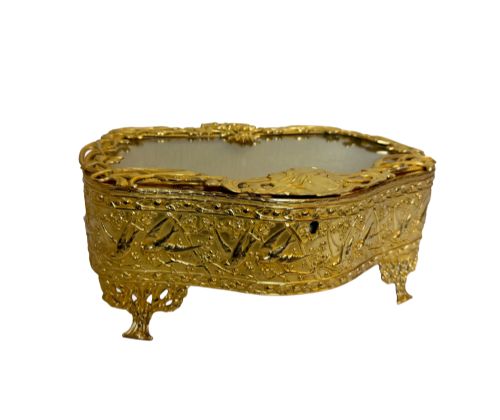
A French gilt box brings nineteenth-century salon elegance to a dressing table or desk through intricate cast metal and glass.
French Gilt Box
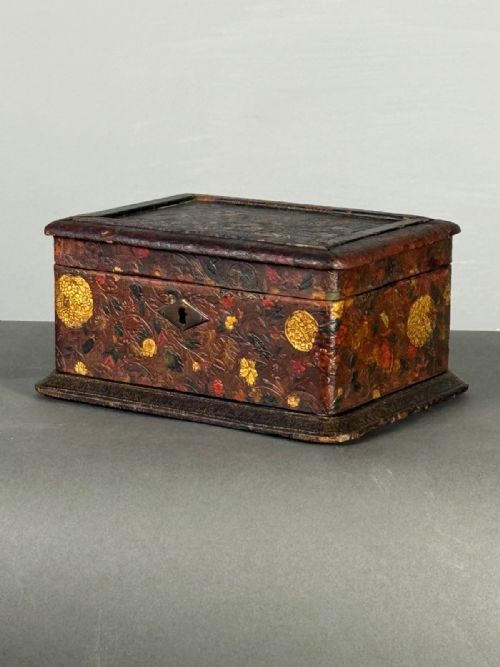
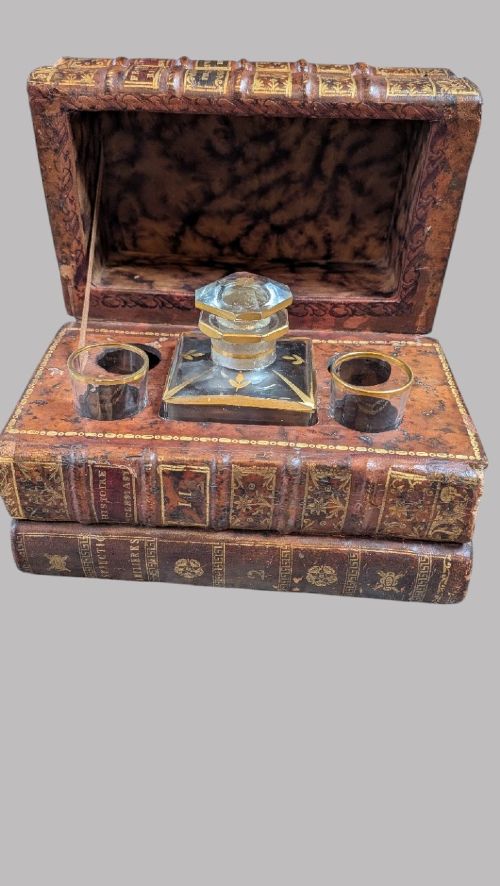
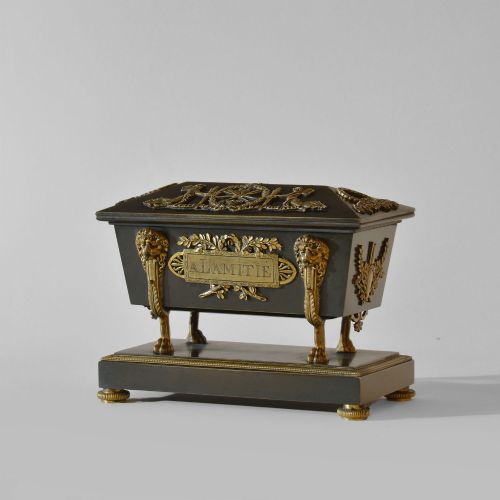
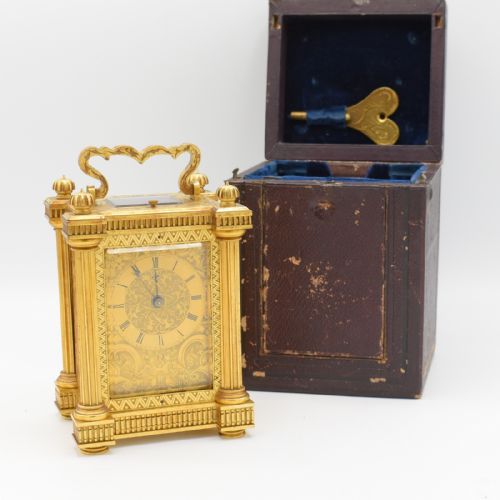
When searching for a french gilt box, collectors encounter a diverse array of nineteenth-century receptacles designed for personal adornment and domestic use. These pieces range from small porcelain pill boxes and silver gilt snuff containers to large velvet-lined jewellery caskets and glass trinket holders.
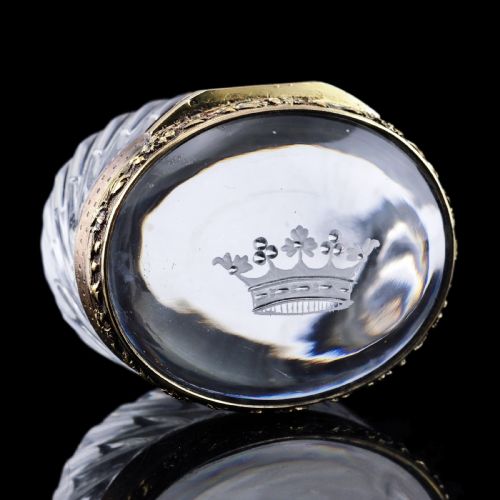
Buyers are most likely to find lidded glass vessels, porcelain dishes with gilt mounts, and brass or bronze trinket boxes dating between eighteen-fifty and nineteen-hundred. Many incorporate coloured glass bodies in blue, green, or opaline tones held within gilded metal frameworks.
How They Were Made
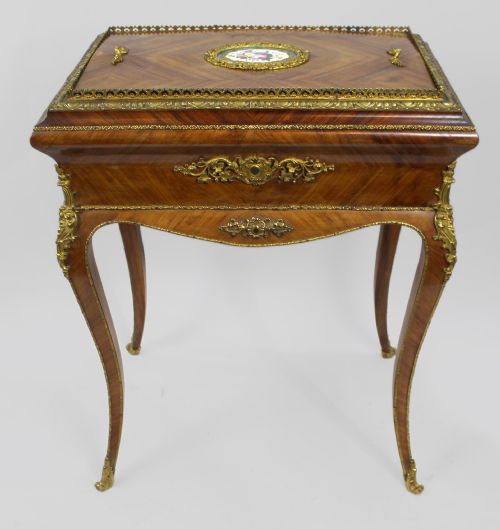
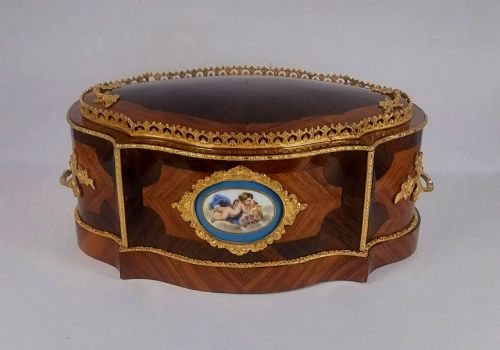
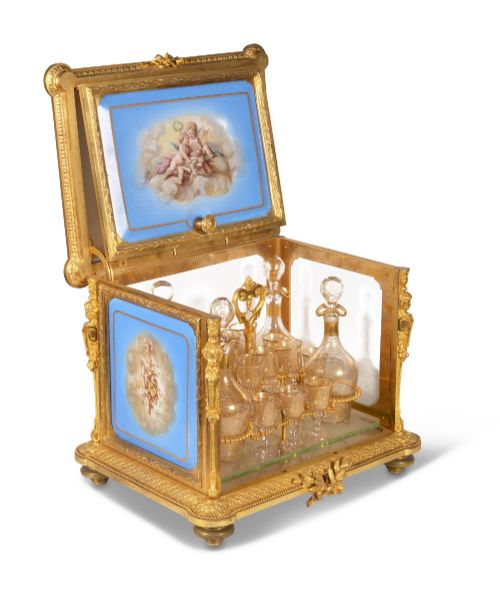
Makers utilised cast ormolu, gilt bronze, and brass to form structural frames, hinges, and decorative mounts for glass and porcelain bodies. Artisans frequently employed fire gilding or electroplating to impart a rich golden surface to the base metal components.
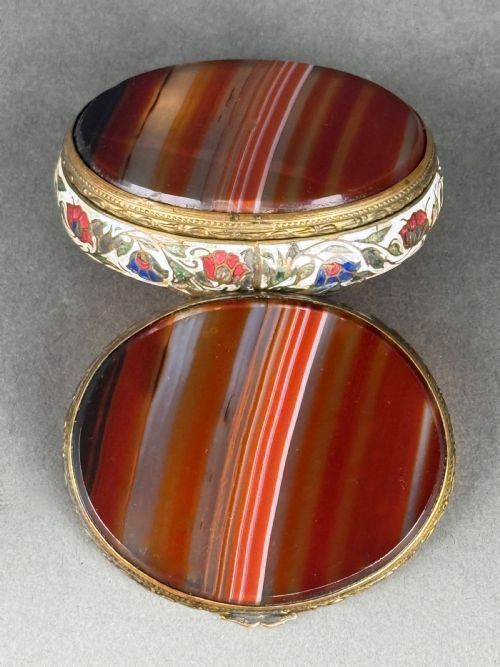
Glass elements such as Baccarat crystal, Bristol blue glass, and opaline were blown or moulded, sometimes paired with hand-painted porcelain plaques from Sevres or Limoges. Enamel work, champleve techniques, and engine-turned guilloche decoration on silver gilt surfaces completed the detailed exteriors.
French Gilt Box Retail Price Guide 2026
Typical asking prices for french gilt box among the pieces listed under this phrase on Sellingantiques today, from the lower quarter to the upper quarter. They describe what is for sale here now, not the wider market.
Some nineteenth-century sewing companions transformed carriage rides into productive hours with miniature horse-drawn novelty carts.
What Varies in Quality
The standard of a piece depends heavily on the crispness of the bronze or ormolu casting and the depth of the gilding. Finer examples display sharp, hand-chased relief work on the metal mounts rather than soft, mass-produced contours.
Material selection dictates the upper tier of the range, where heavy crystal, flawless porcelain panels, and intricate champleve enamel distinguish workshop masterworks from standard commercial wares.
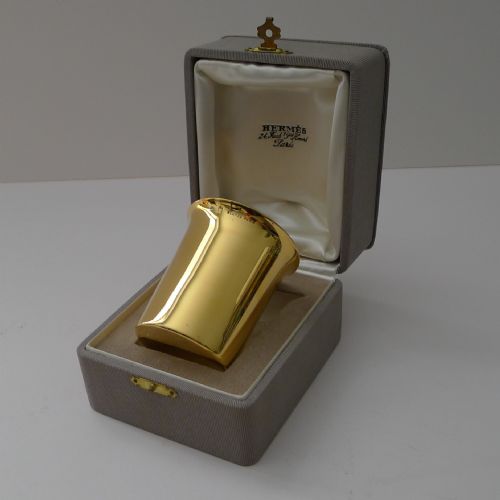
Susse Freres Paris·Edme Samson Of Paris·Howell & James London·Hermes Paris
The French Gilt Box Glossary
- Ormolu
- Gilded bronze, where a gold amalgam is applied to a bronze base through heat processing. This technique produced the durable, warm metallic sheen seen on nineteenth-century mounts.
- Guilloche
- An ornamental pattern engraved mechanically onto metal with precise geometric repeating waves. It frequently appears beneath translucent enamel on high-end pill and snuff boxes.
- Champleve
- An enamelling technique where troughs are dug into the metal surface and filled with vitreous paste before firing. This creates vibrant coloured designs flush with the metal border.
- Casket
- A decorative box intended for holding jewels, letters, or precious keepsakes. These pieces often feature velvet or silk interior linings and secure locking mechanisms.
- Opaline glass
- A delicate, translucent art glass developed in nineteenth-century France, coloured with bone ash or metal oxides. It appears frequently in soft shades of blue and green within gilt frames.
French Gilt Box: Frequently Asked Questions
What were french gilt boxes used for originally?
These decorative containers served affluent households for storing small personal effects such as rings, pins, and visiting cards. Wealthy owners kept them on dressing tables or salon desks for daily convenience.
Smaller variants functioned as pill boxes, snuff containers, or patch boxes carried in pockets or reticules during social visits.
How do I care for antique gilt metal?
Gilt surfaces require gentle dusting with a soft, dry cloth to prevent abrasion of the thin gold layer. Avoid liquid polishes and commercial cleaners, which strip away historical gilding permanently.
Keeper environments should remain dry and free from direct sunlight to protect internal velvet linings and delicate enamel work.
What periods do these boxes come from?
The majority of pieces date from the nineteenth century, encompassing the Victorian, Second Empire, and Napoleon III eras. Stylistic influences often draw upon earlier Rococo revivals.
Earlier examples from the eighteenth century appear occasionally, alongside turn-of-the-century Art Nouveau items featuring organic enamel motifs.