
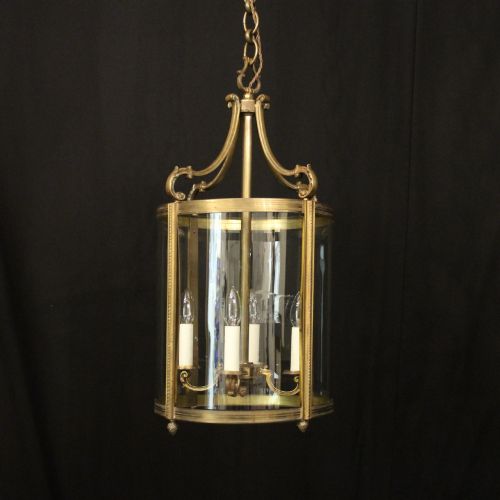
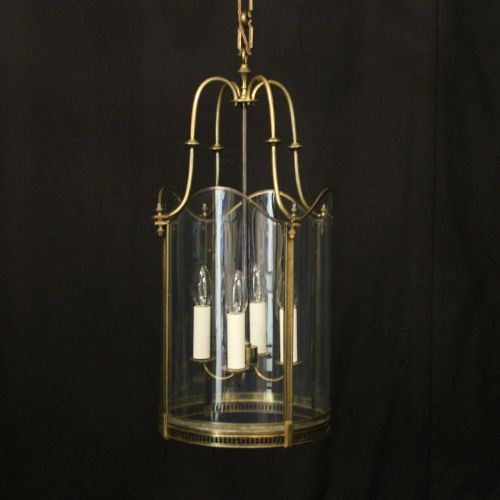
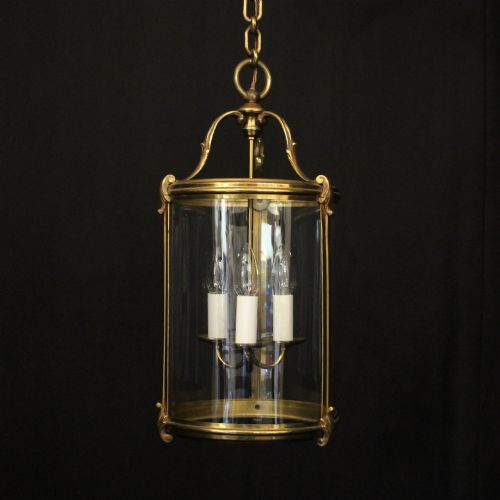
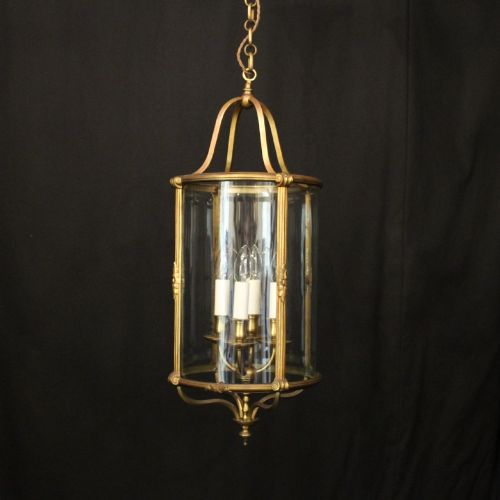
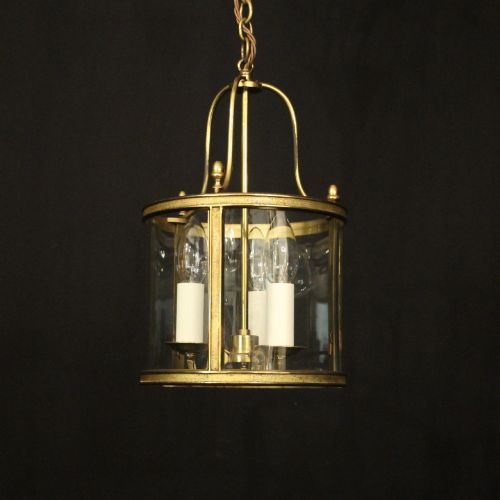
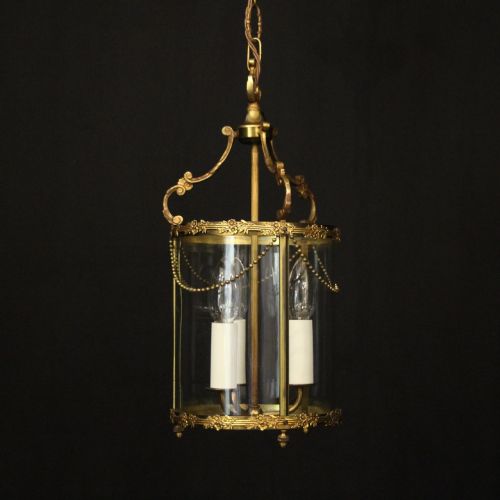
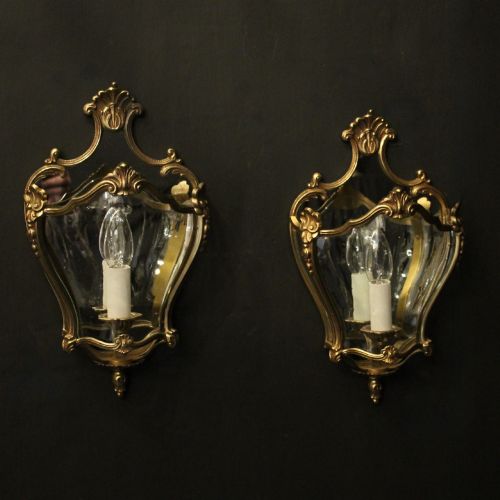
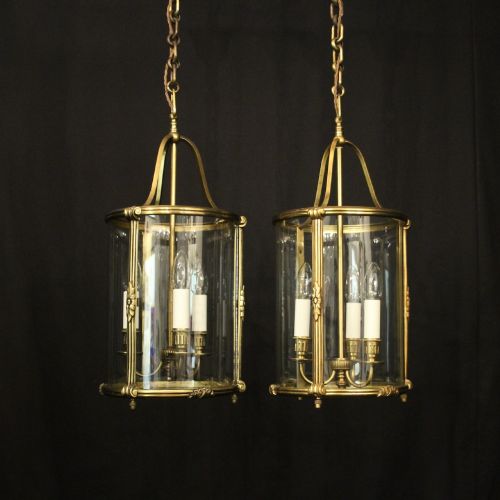
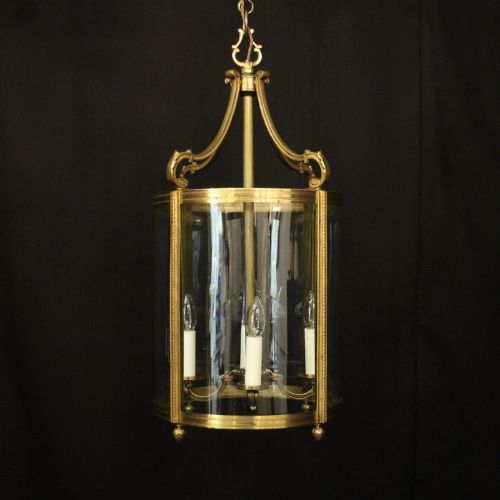


French Gilded Lantern
When you search for a french gilded lantern, you find hanging hall lights and wall sconces that bring decorative warmth to an entrance.
French Gilded Lantern
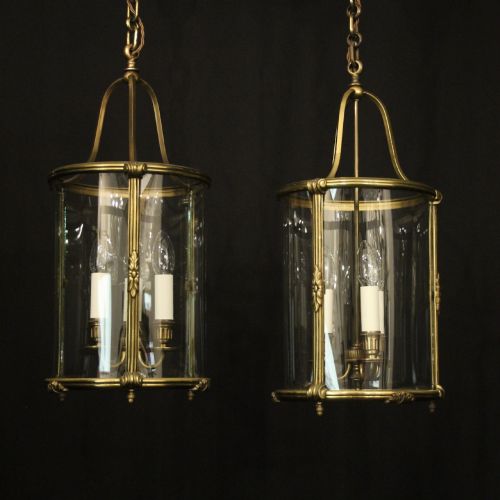
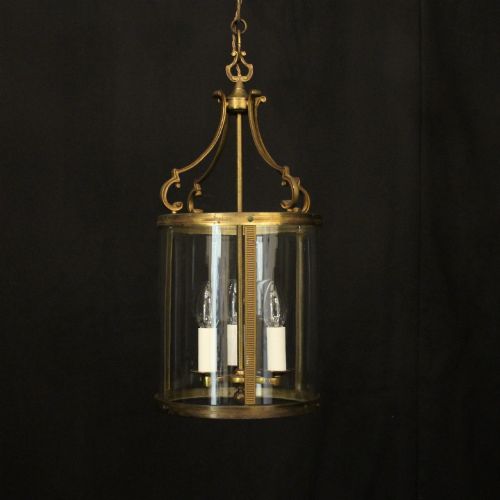
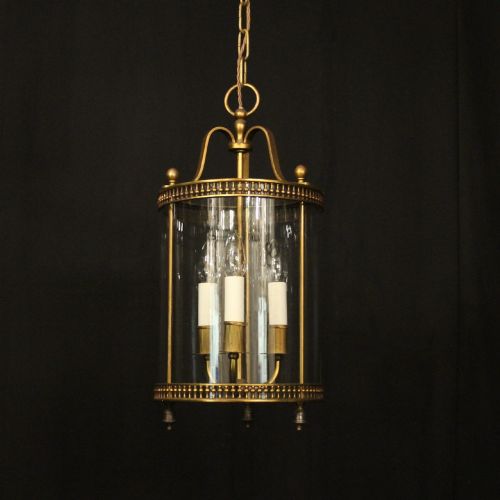
A french gilded lantern functions primarily as an overhead hall light or a half lantern wall sconce, illuminating entrances and corridors with considerable decorative presence. These pieces draw on historical design idioms including Neoclassical, Rococo, and Louis XVI styles, reflecting the grandeur of French chateaux.
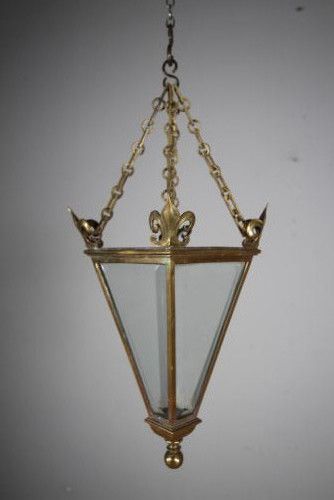
Most examples encountered on this page date from the late nineteenth century through to the interwar decades of the 1920s and 1930s. The common forms range from hexagonal frames to curved convex shapes, often accommodating single or multiple interior lights.
Materials and Construction
The structural framework typically consists of cast bronze, brass, or ormolu, which receives a layer of applied gilding or silver gilding to create a brilliant metallic sheen. Artisans assembled these metal mounts by hand, securing curved glass panels or bevelled panes within the metal armature.
Internal components hold electrical fittings or candleholders, while specialised variants incorporate cut glass, coloured crystal drops, or painted toleware elements. The glass is frequently convex to refract light effectively across the surrounding space.
Some lanterns echo the royal interiors of Versailles, allowing domestic hallways to channel French palatial grandeur on a slightly more modest scale.
Distinctions in Quality
Quality in these fixtures rests upon the crispness of the metal casting and the depth of the original gilding. Finer pieces display sharply defined ornamentation, such as acanthus leaves or classical swags, rather than soft or blurred surface details.
The integrity of the glass panels and the weight of the bronze or brass framework further separate standard examples from superior ones. Substantial metal gauge and complex multi-light configurations indicate higher original manufacture.
The French Gilded Lantern Glossary
- Convex glass
- Curved glass panels that project outward to diffuse internal light across a wider angle. This technique enhances the visual volume of the lantern.
- Ormolu
- Finely chased and gilt bronze ornament applied to decorative objects and lighting fixtures. It provides a bright, durable golden finish characteristic of luxury items.
- Half lantern
- A wall-mounted lighting fixture flat on one side to sit flush against a vertical surface. These often mirror the design of larger hanging hallway lights.
- Toleware
- Painted and lacquered sheet metal utilised in decorative household items. It offers rich polychrome colour alongside gilded accents.
- Bevelled glass
- Glass panes featuring angled edges ground down to catch and refract light. This adds a layer of optical refinement to the fixture.
French Gilded Lantern: Frequently Asked Questions
How do I clean a gilded bronze frame?
Dust the metal gently with a soft, dry brush or microfiber cloth to remove surface particles. Avoid harsh chemical cleaners or abrasive polishes that can strip away the delicate layer of gilding.
Glass panels can be removed or cleaned in place using a mild glass cleaner applied to a cloth rather than sprayed directly onto the metal surface.
Are these lanterns wired for modern electricity?
Many surviving examples have been rewired for contemporary electrical standards during their history, while others may require updating by a qualified electrician to meet current safety codes.
Check the individual listing details or consult an electrician to ensure the internal bulb fittings and wiring match your domestic power requirements.
What is the difference between a half lantern and a hanging lantern?
A hanging lantern suspends from the ceiling by a chain, rod, or cord, illuminating the space freely from all sides. A half lantern mounts directly against a wall, functioning as a substantial wall sconce.
Both variants share similar decorative motifs and glass configurations, but their installation placement dictates the structural backplate design.