
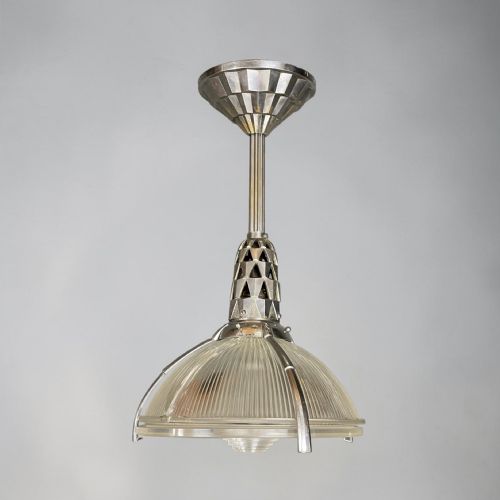


French Frosted Glass Globe
These French frosted glass globe pieces bring distinct Art Deco style and soft illumination to a room, combining sculptural metalwork with diffused light.
French Frosted Glass Globe
When you search for french frosted glass globe, you are looking at lighting and decorative objects that span the 19th Century, 1920, and 1930 periods. These pieces include table lamps, ceiling lights, pendants, and night lights designed to create ambient illumination.
You are most likely to meet Art Deco and French Art Deco designs on this page, reflecting the dominant styles of the listed items. The forms range from large dome ceiling lights to small mood lamps and figurative night lights.
Makers and designers such as Émile-Jacques Ruhlmann appear in the evidence, alongside works mounted on marble, bronze, spelter, brass, and nickel plated metal bases. The objects combine functional lighting with sculptural bases depicting animals or human figures.
Materials and construction
The primary visual component is frosted glass or etched crystal, which diffuses light to create a soft, even glow across the globe or dome shades. This glass is paired with moulded glass variants like mottled opaline.
Metalwork provides the structural support and decorative mounts, utilising bronze, spelter, brass, and chrome or nickel plated metal. Many bases incorporate heavy materials like marble and granite to anchor the figural lamp bodies.
Listings feature items from the 19th Century, 1920, and 1930, utilising glass, marble, chrome, bronze, spelter, brass, and nickel plated metal.
Assessing quality
Quality reveals itself in the crispness of the casting on bronze and spelter figures, alongside the weight and finish of the marble or granite bases. Superior pieces display intricate detail in figural elements like greyhounds, seagulls, or human forms.
The standard of the glasswork distinguishes the production, with deeply etched crystal and evenly textured frosted surfaces representing finer craftsmanship than plain or uniformly translucent examples.
Émile-Jacques Ruhlmann
The French Frosted Glass Globe Glossary
- Frosted glass
- Glass that has been treated to scatter light and create a translucent surface. This technique softens the glare from the internal bulb.
- Art Deco
- A design style of the 1920 and 1930 periods characterised by sleek geometric shapes and stylised motifs. It heavily influences the lighting forms seen here.
- Spelter
- A zinc alloy commonly used as a cost-effective alternative to bronze for casting sculptural lamp bases. It takes patination well to mimic heavier metals.
- Opaline glass
- A pale, semi-opaque glass often mottled in appearance. It diffuses light with a milky quality.
- Pendant light
- A hanging lighting fixture suspended from the ceiling by a cord, chain, or metal rod. These direct illumination downward into a space.
French Frosted Glass Globe: Frequently Asked Questions
How do I hang a pendant light?
Pendant lights suspend from the ceiling using a cord, chain, or rod to position the frosted glass globe at the desired height. Ensure the ceiling mount secures properly to support the weight of the glass and metal components.
Electrical connection should follow standard safety procedures, linking the fixture wiring to the mains supply within the ceiling rose.
What periods do these lamps come from?
The pieces span the 19th Century, 1920, and 1930 periods, with a strong concentration of Art Deco design. This era favors geometric lines alongside stylized animal and human figures.
Earlier examples from around 1900 lean towards traditional oil lamp formats before the widespread adoption of electric lighting.
How do I clean frosted glass?
Clean frosted glass globes using a soft cloth and mild soapy water to remove dust without scratching the treated surface. Avoid harsh abrasives that can alter the matte finish of the glass.
Dry the glass thoroughly before reassembling or rehanging the light fixture to prevent water spots.
Where should I place a table lamp?
Table lamps and night lights suit side tables, desks, or mantelpieces where they provide gentle, ambient illumination. Their decorative bases, whether in bronze, marble, or spelter, function as sculptural objects during daylight hours.
Position them near an electrical outlet to avoid visible trailing cords across the room.