
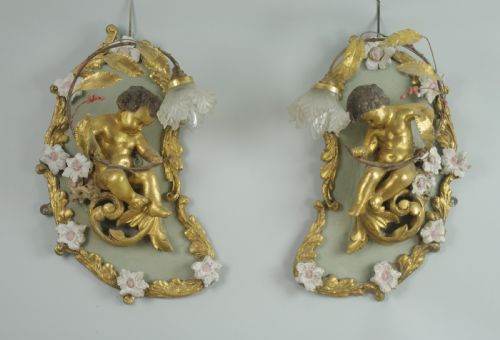


Carved Frosted Glass Light
These carved frosted glass light fixtures bring a subtle, diffused glow and tactile surface detail to an interior.
Carved Frosted Glass Light
When you search for carved frosted glass light, you are looking at illumination fixtures that use textured, acid-etched, or carved glass panels and shades to soften glare. These pieces span from the late Victorian period through the Edwardian era and into the 1930s Art Deco period.
The versions you are most likely to meet on this page include French Art Deco wall lights, boudoir lamps, and large dome ceiling lamps. They combine frosted or etched glass with materials such as gilt bronze, brass, wrought iron, and porcelain.
Formations range from imposing hall lanterns once lit by candles to delicate table lamps featuring frosted glass figurines. The aesthetic varies from French Neoclassical and French Rococo Revival to robust Victorian Gothic and streamlined Art Deco designs.
How they were made
Maker workshops produced these fixtures by combining heavy cast metals with specialised glass treatments. Frosted surfaces were achieved through acid etching or sandblasting, which dulled the transparent glass to scatter light evenly.
Mountings and frames utilised structural metals including brass, bronze, gilt metal, and wrought iron. Artisans shaped these metals into decorative arms, frames, and bases, often incorporating giltwood or ceramic elements for added contrast.
Object forms documented on this page range from heavy castle wall lights and hall lanterns to boudoir lamps and desk lights.
What varies in quality
The distinction between standard production and finer examples lies in the depth and clarity of the glass carving. Superior pieces display crisp, deliberate sculptural relief on the frosted surface rather than shallow or uniform etching.
Metalwork construction also dictates standard, with heavy cast bronze and detailed brass mounts representing superior craftsmanship compared to lighter stamped alternatives. The integration between the glass shade and its metal housing shows the maker's precision.
Baccarat
The Carved Frosted Glass Light Glossary
- Frosted glass
- Glass treated to diffuse light by scattering rays, creating a translucent surface with a matte appearance. This technique softens the glare from internal bulbs or candles.
- Gilt bronze
- Bronze metal that has been coated with a thin layer of gold or gold-coloured alloy. It provides a durable metallic finish that resists tarnishing.
- Hall lantern
- An enclosed hanging light fixture designed specifically for entrance halls and corridors. These fixtures often feature glass panels held within a metal frame.
- Art Deco
- A design style prevalent in the 1920s and 1930s characterised by streamlined geometric forms and stylised motifs. It replaced the more organic curves of the preceding Art Nouveau movement.
- Gothic Revival
- An architectural and decorative style drawing inspiration from medieval forms. Pieces in this style often incorporate heavy ironwork, pointed arches, and robust structural elements.
Carved Frosted Glass Light: Frequently Asked Questions
What is a carved frosted glass light?
A carved frosted glass light is an illumination fixture featuring glass that has been etched, sandblasted, or carved to diffuse light and display surface patterns. These pieces include wall lights, table lamps, chandeliers, and ceiling domes.
They rely on the contrast between textured glass and structural metal mounts such as brass, bronze, or wrought iron. The style ranges from early period revival pieces to geometric 1930s designs.
Were these lights originally electric?
Many surviving pieces from the nineteenth century and earlier eras were originally designed for candles or oil before being converted to electricity later in their lifespan. Edwardian and 1930s pieces were more commonly manufactured for early electrical systems.
Conversions are standard for older hall lanterns and heavy wall lights, retaining their original metal and glass bodies while updating the internal wiring for modern use.
How should I clean frosted glass?
Frosted glass requires gentle cleaning to avoid altering the matte texture or removing surface treatments. Warm water and a mild detergent applied with a soft cloth are usually sufficient to remove dust and grime.
Harsh abrasives and chemical solvents should be avoided, particularly around metal mounts, gilt finishes, and acid-etched areas where the texture is delicate.