




Vintage Glass Dome Shade
These vintage glass dome shade examples bring period character to a room through curved profiles and quality light diffusion.
Vintage Glass Dome Shade
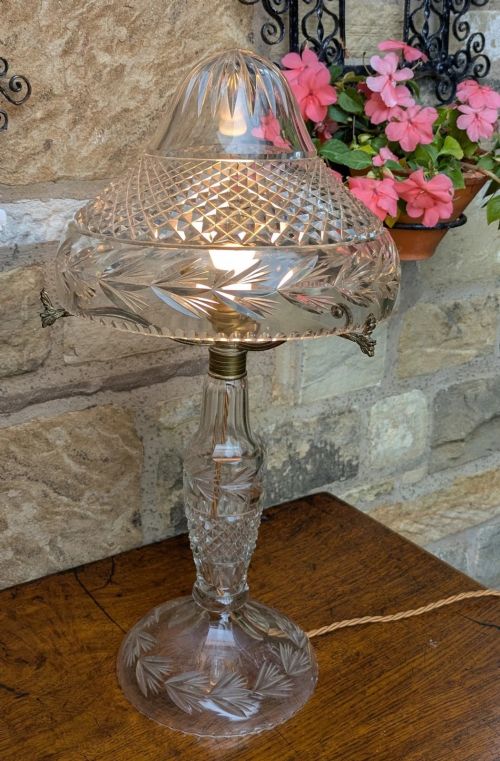
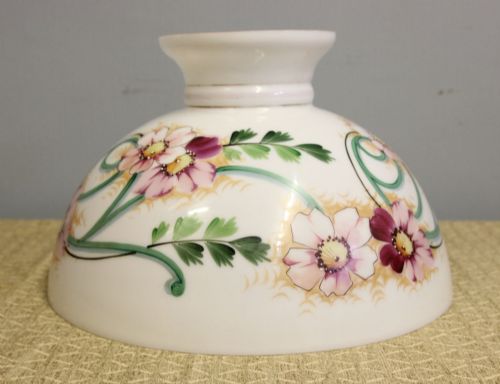
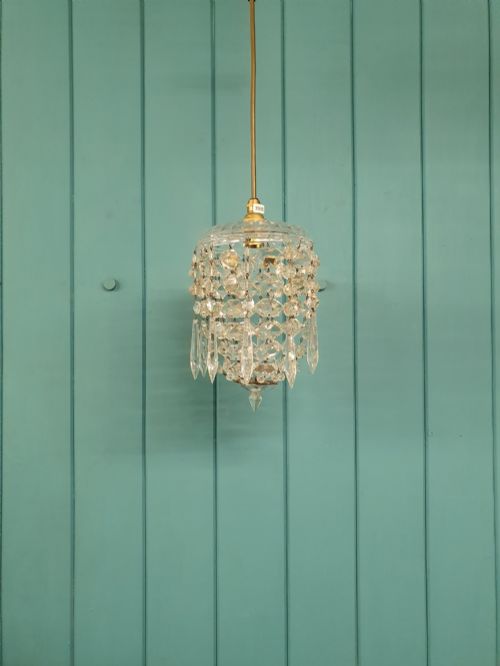
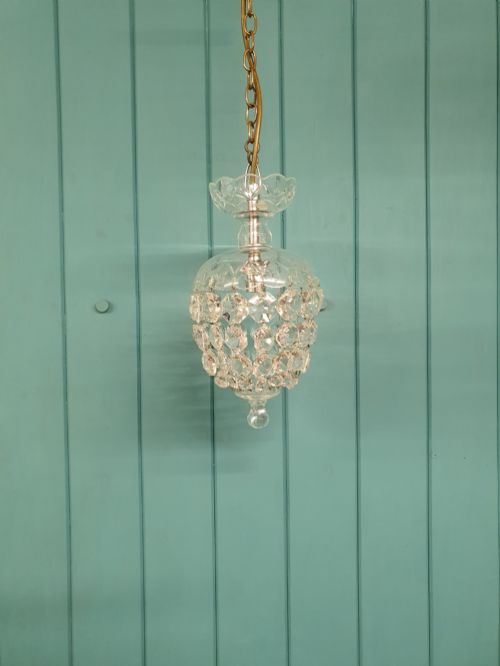
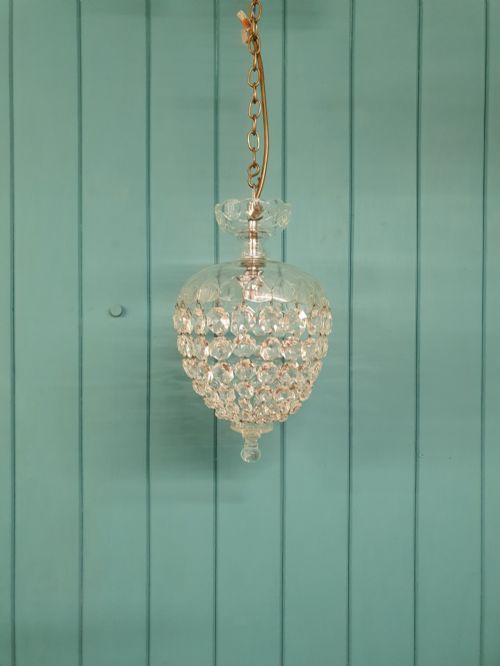
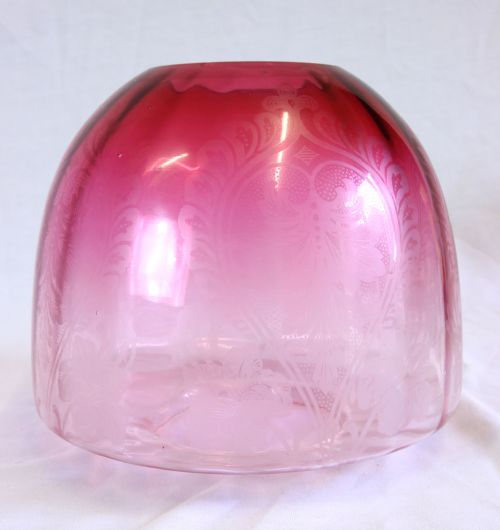
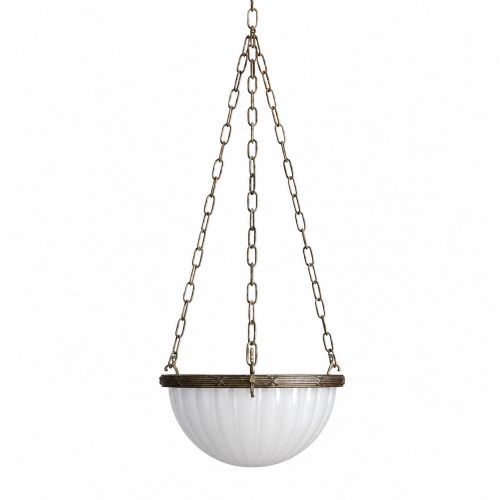
A vintage glass dome shade encompasses various rounded lighting fixtures and display covers originating from the Victorian period through to the mid-twentieth century. Buyers searching this phrase typically encounter ceiling lights, pendant lights, table lamps, and hanging oil lamp shades.
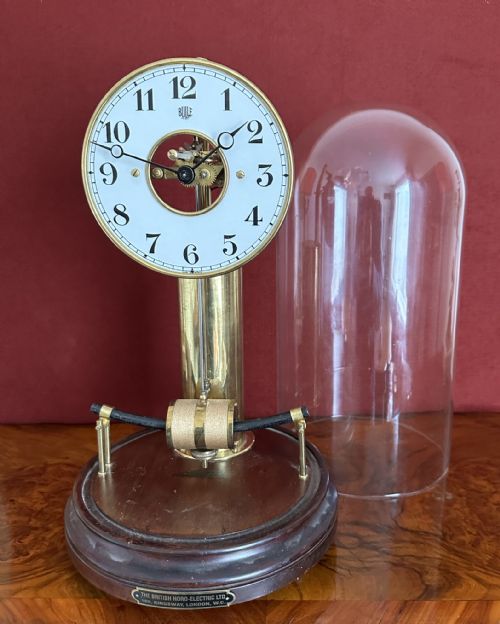
Beyond lighting, the category occasionally includes related dome forms such as taxidermy domes and display cloches. Most items combine curved glass elements with mounts in brass, copper, or chrome.
How they were made
Production relies on combining mouth-blown or pressed glass with metal fittings cast in brass, copper, or chrome. Glass treatments in the evidence include cutting, etching, painting, and frosting.
Lighting fixtures incorporate specialised components such as crystal mushroom bodies, opaline oil lamp shades, and hanging frames designed for domestic and commercial interiors.
Listings feature items from the Victorian, Edwardian, and Art Deco periods, utilising materials such as brass, chrome, cut glass, and lead crystal.
What varies in quality
Quality differences appear in the depth and crispness of glass cutting, the clarity of the crystal, and the hand-painted detail on opaline surfaces. Pieces by recorded makers such as Stuart Crystal demonstrate superior handling of the material.
The weight and finish of the supporting metalwork, whether brass, copper, or chrome, distinguish standard production from finer examples.
Stuart Crystal
The Vintage Glass Dome Shade Glossary
- Opaline glass
- A milky, semi-translucent glass developed in various pastel colours during the nineteenth and early twentieth centuries. It diffuses light softly and often takes painted decoration.
- Cut glass
- Glass decorated by grinding facets and patterns into the surface using rotating wheels. This technique enhances the refractive quality of crystal.
- Etched glass
- Glass bearing designs eaten into the surface by acid or scratched by mechanical means. It creates frosted patterns that contrast with clear areas.
- Lead crystal
- Glass containing lead oxide, which increases weight, brilliance, and workability for deep cutting. It forms the basis of many decorative shades and lamps.
- Cloche
- A bell-shaped glass cover originally used in gardening or for food protection, later adapted for displaying curiosities and taxidermy.
Vintage Glass Dome Shade: Frequently Asked Questions
What periods do these glass shades come from?
The available pieces originate from several distinct eras, spanning the Victorian and Edwardian periods, through the 1920s and 1930s, up to the 1940s.
Each period brings specific decorative characteristics, ranging from cranberry glass oil lamp shades to Art Deco etched crystal designs.
How were these dome shades used originally?
Many served as functional lighting, including pendant lights, table lamps, and hanging oil lamp shades for domestic interiors.
Others functioned as protective display covers for taxidermy and delicate objects, or as specialised shop and architectural lighting.
What materials are combined with the glass?
The glass elements are typically paired with metal mounts and fittings made from brass, copper, or chrome.
Depending on the piece, the glass itself may be cut crystal, opaline, frosted, or feature hand-painted decoration.
How do I identify Art Deco examples?
Art Deco pieces from the 1920s and 1930s often feature geometric metalwork in brass or copper combined with heavy etched crystal domes.
French pieces from this era frequently display strong styling and substantial proportions designed for ceiling or table placement.