




French Framed Tapestry
These french framed tapestry pieces bring centuries of woven artistry into a room, combining tactile wool and silk with stately wooden surrounds.
French Framed Tapestry
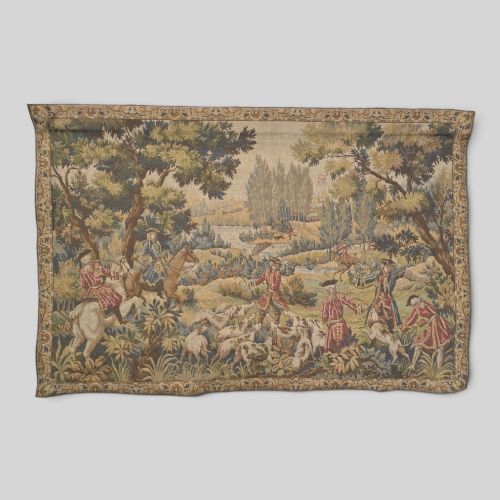
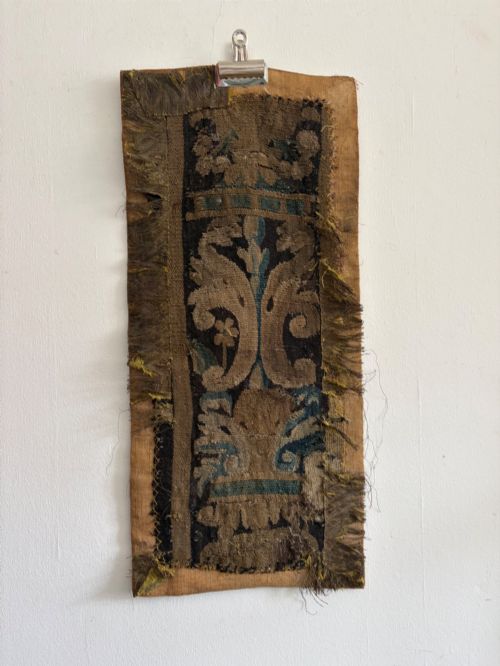
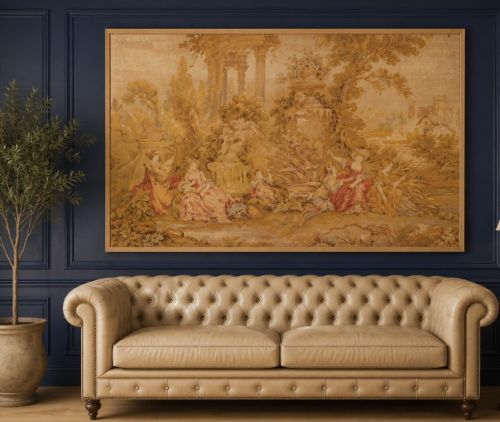
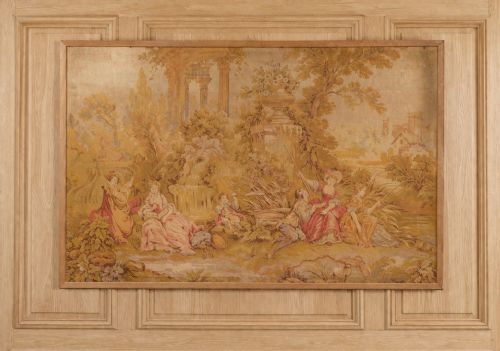
When you search for a french framed tapestry, you encounter wall panels, textile art, and needlework pictures housed within period wooden surrounds. These pieces range from eighteenth-century woven fragments and needlework panels to later twentieth-century framed creations.
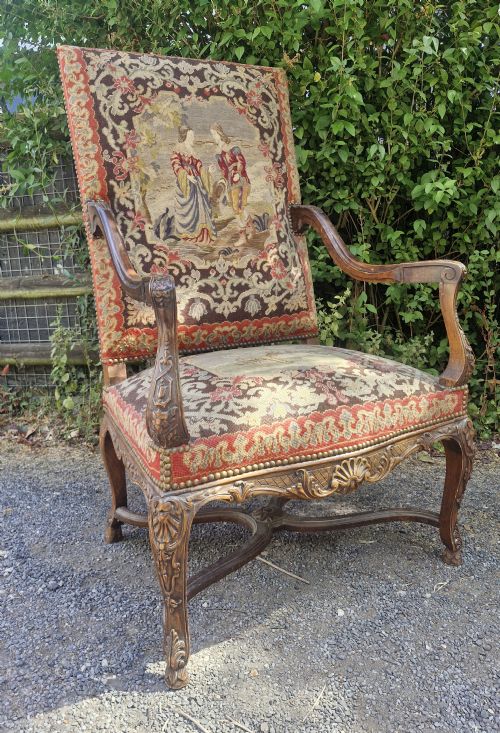
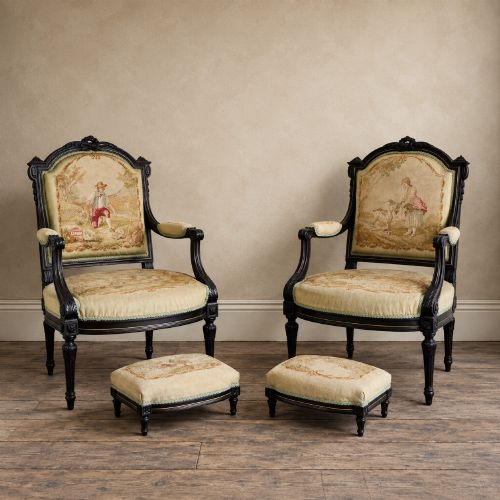
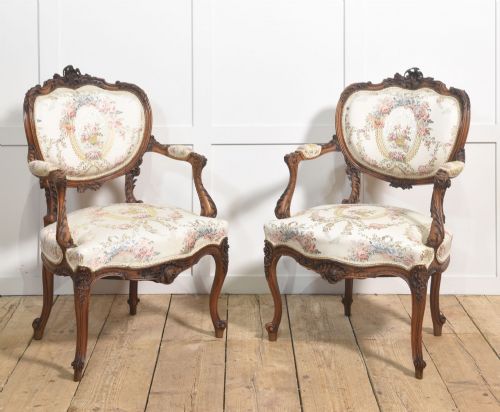
You are most likely to meet nineteenth-century examples and eighteenth-century panels mounted behind glass or set into carved wooden frames. The selection frequently includes related textile furnishings such as upholstered armchairs, salon settees, and wall mirrors incorporating antique tapestry fragments.
What varies in quality
Quality rests in the fineness of the needlework stitches and the artistic depth of the woven scene. Superior pieces display subtle tonal gradations and careful anatomical or botanical detail executed by skilled hands.
The joinery and carving of the wooden frame determine the overall integrity and period harmony of the piece. Frames that retain their original gilding or distinct hand-carved walnut detailing elevate the entire work.
Napoleon Bonaparte occasionally photobombs your wall art via nineteenth-century embroidery commemorating historical military campaigns.
The French Framed Tapestry Glossary
- Verdure tapestry
- A type of textile design depicting lush foliage, trees, and often birds or animals. These forest scenes were particularly popular in seventeenth and eighteenth-century weaving.
- Petit point
- A very fine tent stitch executed on canvas, allowing for high detail and pictorial clarity in needlework pictures and upholstery. It is commonly found in nineteenth-century interpretations.
- Fauteuil
- An open-framed armchair with wooden arms, originating in France during the seventeenth century. They frequently feature exposed carved wood and tapestry upholstery.
- Toile de Jouy
- A cotton or linen fabric printed with a repeating pastoral vignette monochrome scene. Eighteenth-century examples often celebrate historical or allegorical themes.
- Giltwood
- Wood that has been coated with a thin layer of gold leaf. It appears frequently on grand eighteenth and nineteenth-century frames and mirrors.
French Framed Tapestry: Frequently Asked Questions
How do I hang a heavy framed tapestry?
Heavy framed pieces require secure wall anchors suited to the weight of the timber and glass. Professional picture hanging fixings distributed across two points provide the necessary stability.
Ensure the wall studs or solid masonry can bear the load before mounting large nineteenth-century panels or mirrored tapestries.
Where should I place these pieces at home?
These works suit reception rooms, libraries, and hallways where their texture warms up neutral walls. They anchor a space when hung above a mantelpiece or a large salon settee.
Keep them away from direct sunlight to preserve the natural dyed colours of the wool and silk threads.
How do I clean textile art safely?
Gentle dusting with a soft, dry brush or a very low-suction vacuum attached through a mesh screen removes surface particles. Avoid using liquid cleaners or water on antique wool and silk.
Consult a textile conservator if deeper cleaning becomes necessary to prevent damage to fragile stitching and aged fibres.
How do I distinguish eighteenth from nineteenth-century work?
Eighteenth-century panels often show hand-spun wools with vegetable dyes that yield softer, more muted patinas over time. The stitching density and canvas preparation also reflect earlier handcraft methods.
Nineteenth-century revival pieces tend to utilise brighter chemical dyes and heavier machine or refined hand needlework within exuberant revival frames.