
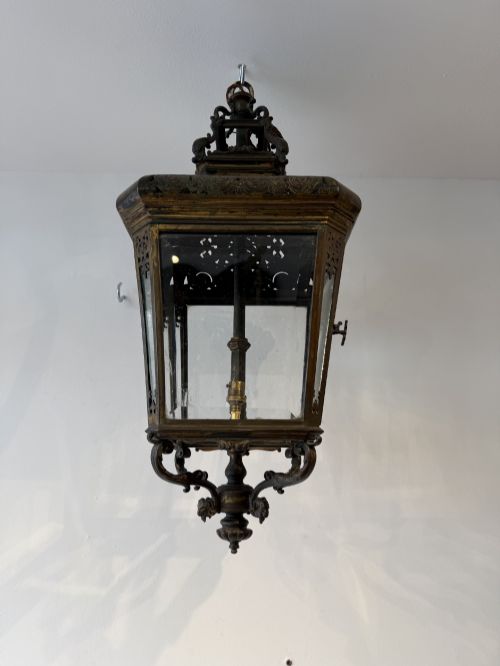


French Foyer Lighting
French foyer lighting brings grandeur to entrance spaces through intricate metalwork and glass.

French Foyer Lighting
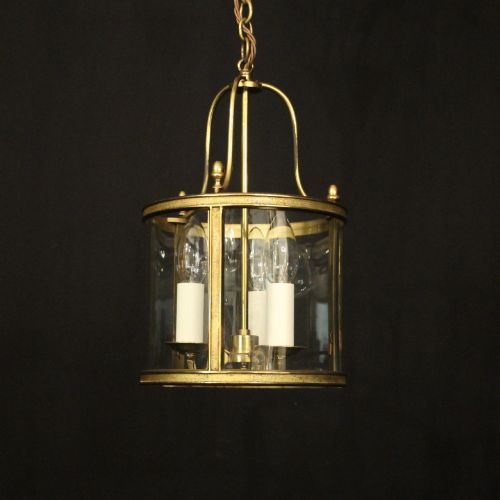
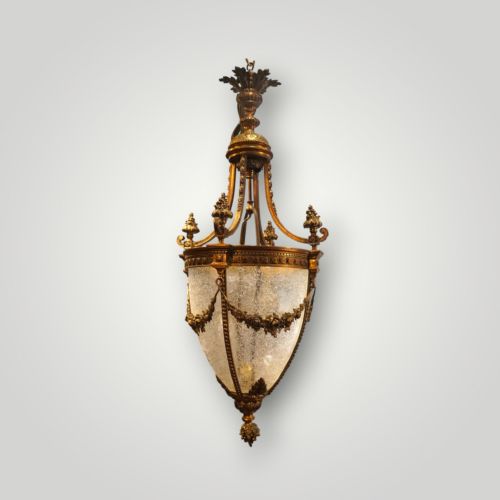
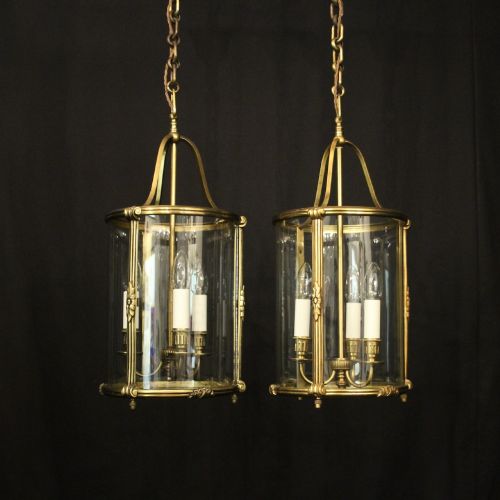
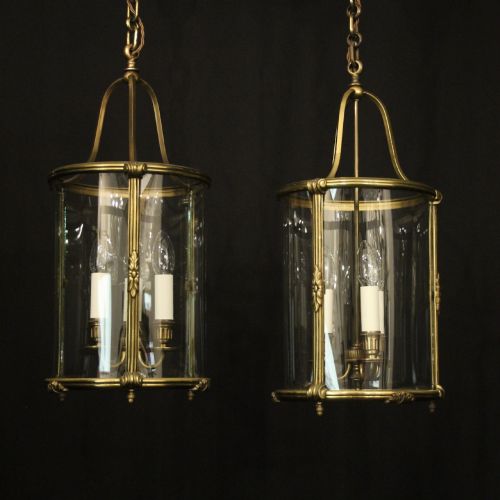
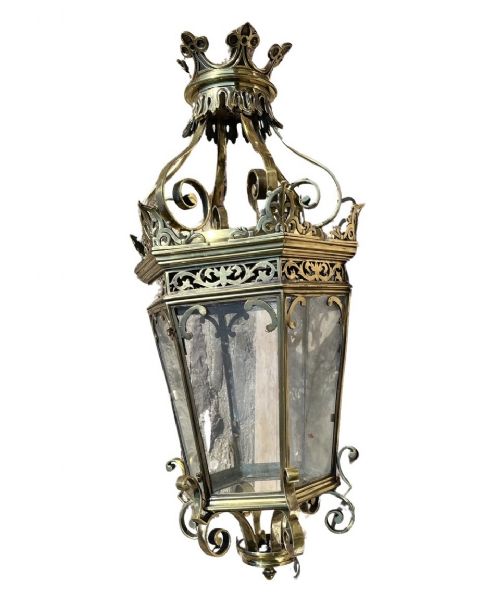
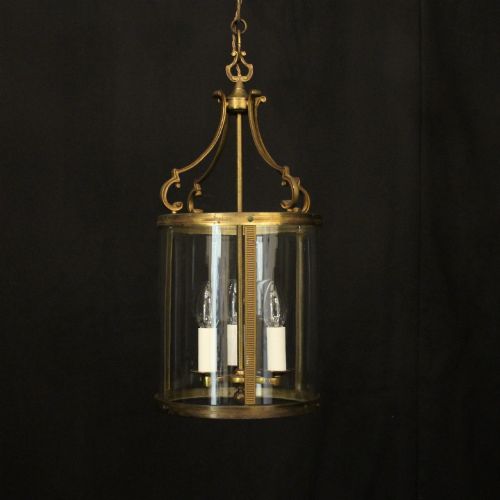
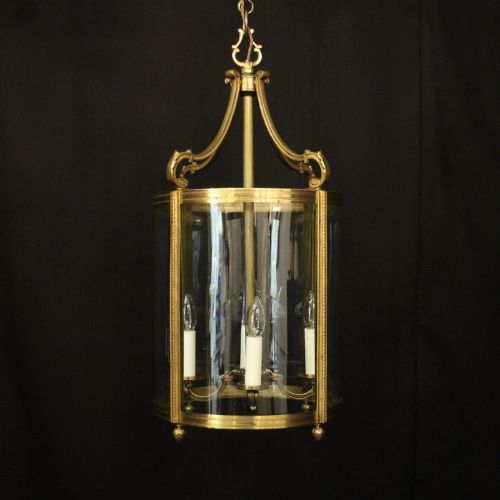
French foyer lighting consists principally of hall lanterns, hanging pendants, and chandeliers designed to illuminate entrance halls and corridors. When searching for French foyer lighting, buyers encounter pieces spanning from the nineteenth century into the nineteen-thirties, reflecting diverse historical styles.
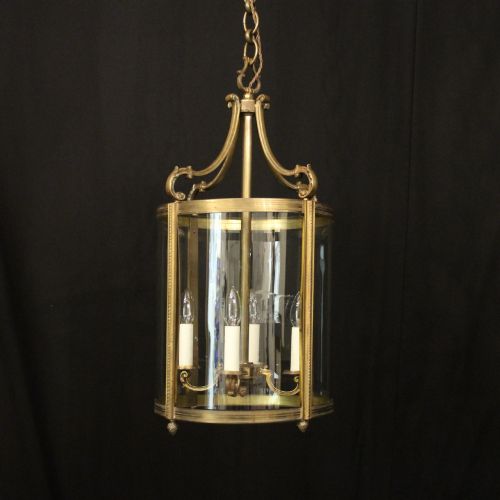
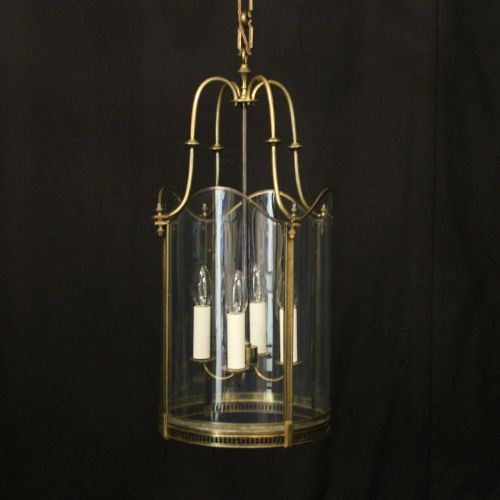
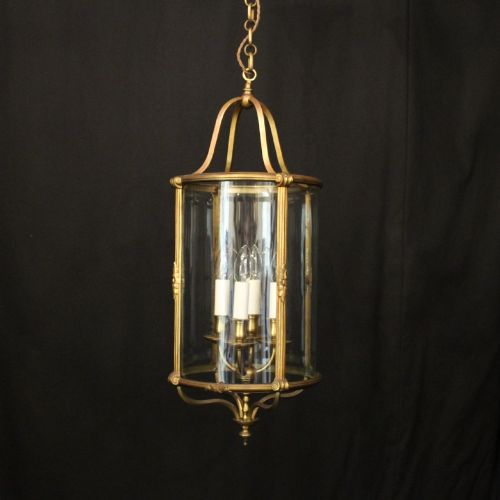
The selection on this page leans heavily toward hall lanterns and multi-light chandeliers executed in brass, bronze, and gilt metals. These objects originate from distinct periods including the Edwardian era, the nineteenth century, and the early decades of the twentieth century.
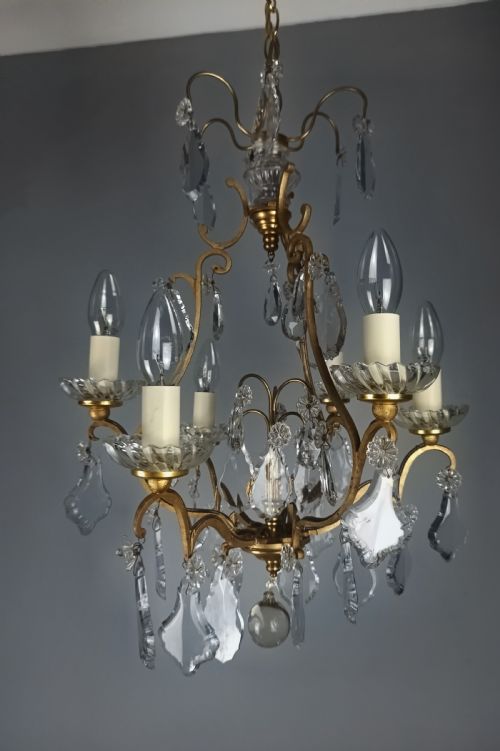
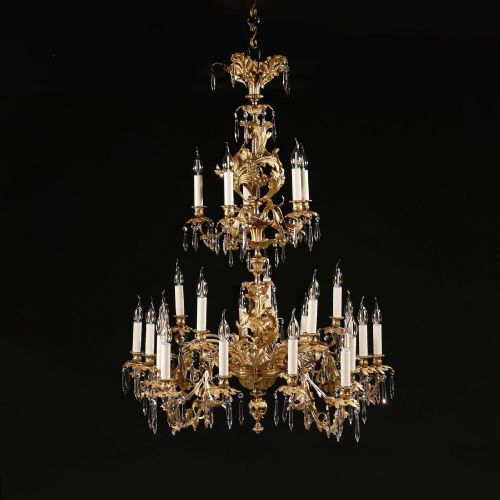
Forms range from simple glazed hanging boxes to elaborate birdcage chandeliers adorned with crystal drops. Buyers will find both neoclassical restraint and ornate rococo revival detailing represented across the inventory.
Materials and construction methods
These light fixtures rely on metal casting and forming, utilising brass, bronze, and gilt bronze for the structural frames and mountings. Metal components are frequently gilded to achieve a rich surface finish that catches the illumination.
Glass panels are integral to the lantern designs, often featuring bevelling and convex shaping to refract light outwards. Cut glass and crystal elements are suspended within chandeliers and larger lanterns to enhance visual sparkle.
Listings feature periods spanning from the mid nineteenth century through the nineteen-thirties, alongside Edwardian examples.
Assessing quality in lighting
Quality in these fixtures is defined by the weight of the metal casting and the precision of the chasing on bronze and brass components. Finer pieces display crisp botanical or classical ornamentation rather than soft, muddy casting details.
The glass panels also dictate quality, where thick bevelled or heavy convex panes demonstrate superior craftsmanship compared to thin, flat alternatives. Original gilding and integrated structural integrity separate standard utility lighting from exceptional decorative examples.
The French Foyer Lighting Glossary
- Hall lantern
- A ceiling-hung light fixture enclosed in glass panels with a metal frame, designed specifically for corridors and entrance spaces.
- Gilt bronze
- Bronze metal treated with a thin layer of gold or gold-coloured alloy to impart a brilliant metallic finish. This technique is frequently seen on nineteenth and twentieth-century French decorative objects.
- Convex glass
- Glass panes manufactured with an outward curve, which disperses light in multiple directions and adds depth to lantern designs.
- Birdcage chandelier
- A multi-light ceiling fixture constructed with a metal framework resembling the tiered shape of an avian enclosure, often draped with crystal strands.
- Bevelled glass
- Glass panes featuring an angled edge ground down to create a decorative framing border that refracts incoming light.
French Foyer Lighting: Frequently Asked Questions
Where should antique lanterns hang?
These lanterns suit entrance halls, vestibules, and high-ceilinged corridors where their vertical proportions command attention. They provide a strong focal point upon entering a property.
Ensure adequate ceiling clearance so the fixture hangs safely above foot traffic while maintaining proper visual balance in the space.
How do I identify Louis style pieces?
Louis style lighting references historical French design reigns through specific decorative motifs like scrolling foliage, acanthus leaves, and symmetrical cartouche work. Look at the cast bronze mounts for clues regarding the intended aesthetic period.
Later interpretations from the nineteenth and twentieth centuries often revive these classical motifs with varying degrees of ornamentation.
Are these lights wired for modern use?
Many surviving fixtures have undergone rewiring to accommodate contemporary electrical standards while preserving their original frames and candle sleeves. It is common to find pieces updated for safe domestic installation.
Buyers should inspect the internal wiring setup upon arrival to confirm compatibility with current household circuits.
What metals are commonly used?
The primary metals found in these fixtures include brass, solid bronze, and gilt bronze, often selected for their durability and capacity to hold fine detail. Gilded finishes provide a reflective golden surface.
Over time, these metals develop natural patina variations that highlight the age and authenticity of the casting.