

French Floral Tapestry
French floral tapestry pieces bring historic interior warmth through woven botanical scenes and traditional upholstery.
French Floral Tapestry
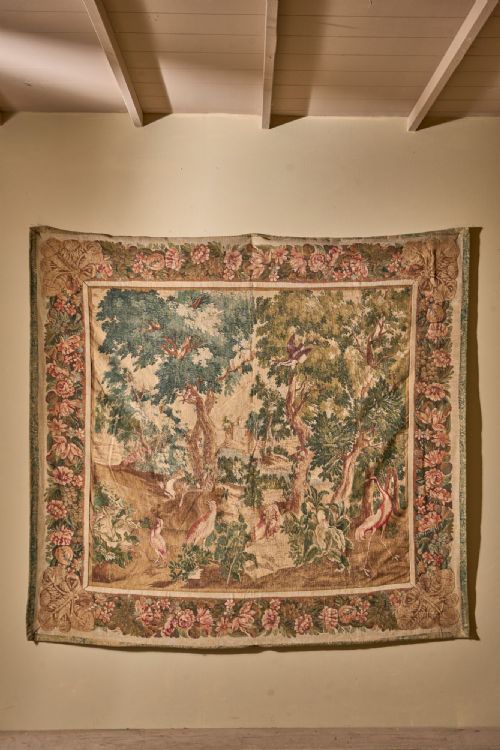
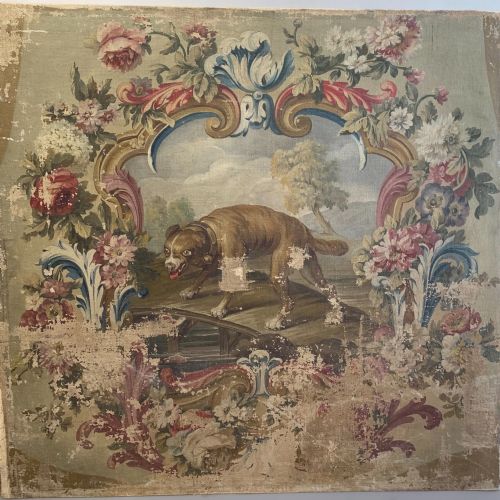
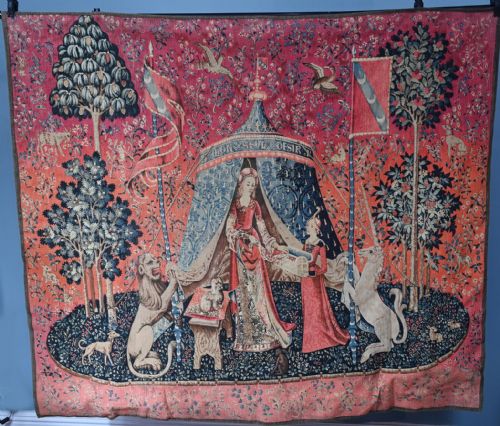
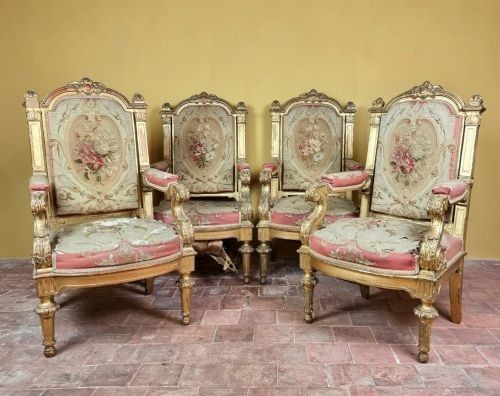
A French floral tapestry search reveals a diverse range of items designed for both wall display and furniture upholstery. Buyers encounter large wall hangings, carpets and smaller decorative accents alongside seating.
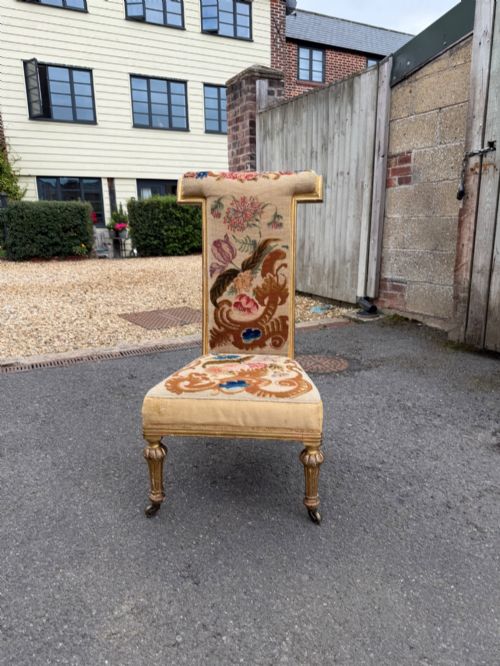
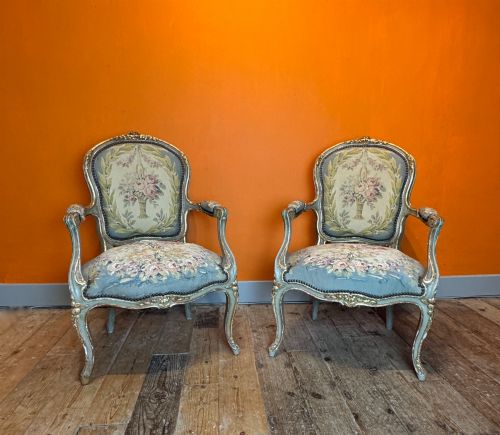
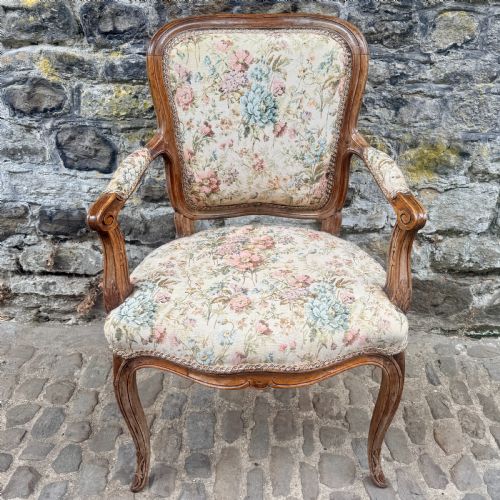
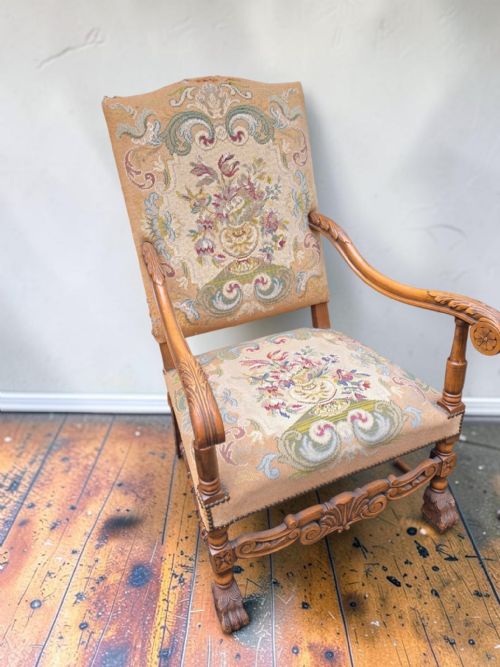
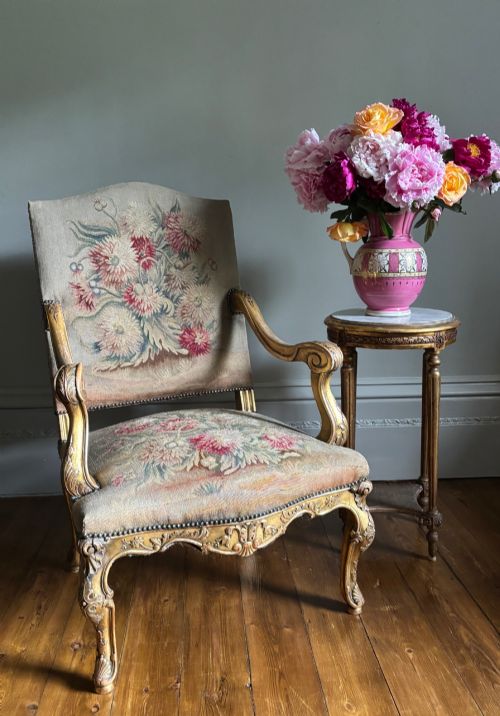
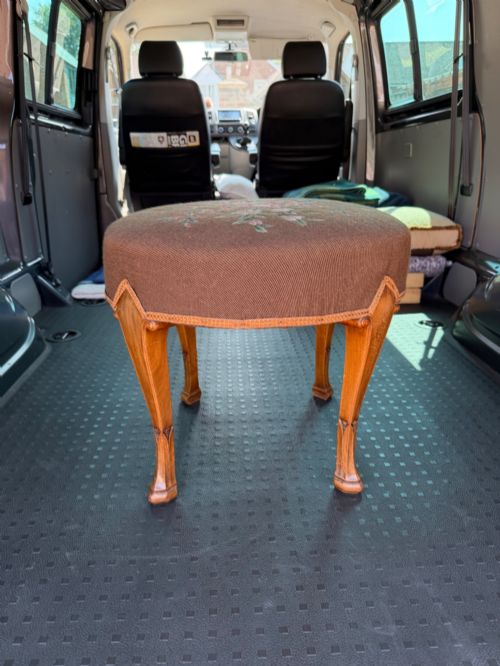
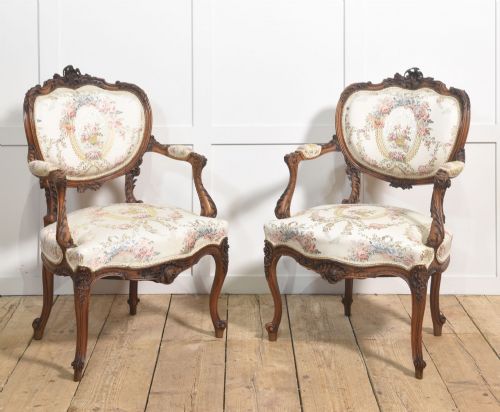
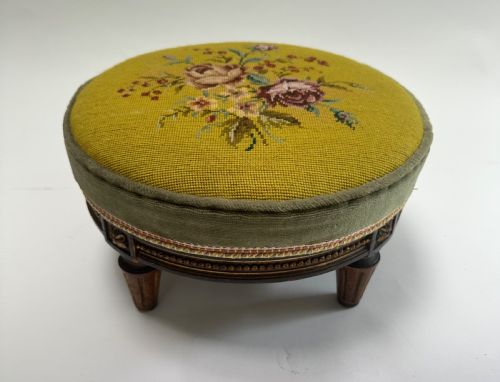
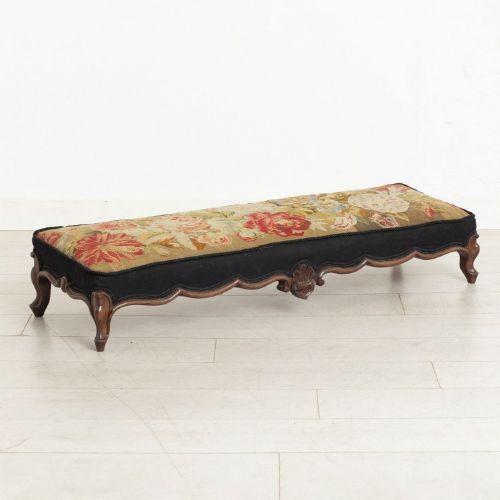
Seating forms like armchairs, footstools and settees frequently incorporate woven botanical panels or needlepoint covers. These textiles reflect historical French styles from provincial frameworks to elaborate revival periods.
Wall coverings and cushions provide alternative ways to introduce these woven floral compositions into interior spaces. Pieces span from eighteenth-century origins through nineteenth-century revivals.
Materials and construction methods
Weavers utilised natural fibres including wool, silk and cotton to construct these detailed textile surfaces. These materials provided the tensile strength and colour retention necessary for intricate botanical designs.
Timber frames in walnut, mahogany and giltwood support the upholstered pieces, often featuring carved detailing or painted finishes. Frame construction accompanied the textile work to create cohesive furnishings.
Materials recorded in these listings include wool, silk, cotton, walnut, giltwood and brass across multiple centuries.
Judging quality in woven textiles
The finesse of the weave and the complexity of the botanical colour palette determine the distinction between ordinary and exceptional examples. Finer threads permit greater shading and botanical detail within the woven composition.
The integrity of the underlying wooden frame and the preservation of the textile surface dictate the overall standing of an antique piece. Original fabric retention and skilled carving elevate certain armchairs and panels above standard production.
The French Floral Tapestry Glossary
- Aubusson
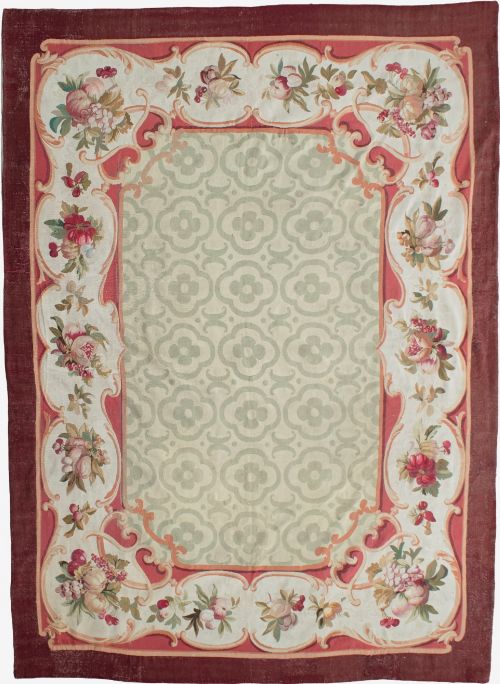
- A type of tapestry or carpet originating from the French town of Aubusson, known for verdure and floral designs. These woven works served as both wall hangings and floor coverings.
- Verdure
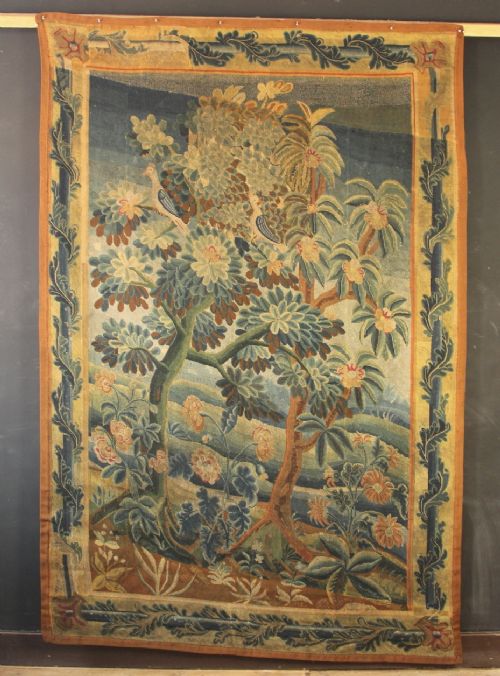
- A tapestry design featuring lush plant foliage, trees and garden landscapes as the primary subject. Such scenes often incorporated floral clusters and natural motifs.
- Fauteuil
- An open-arm armchair with a wooden frame originating in France, frequently upholstered in decorative needlepoint. These chairs combined structural woodwork with textile art.
- Prie Dieu
- A small devotional prayer desk or low chair associated with nineteenth-century church and home use. These items occasionally incorporated upholstered tapestry panels.
- Needlepoint
- A type of canvas work embroidery executed with yarn, commonly utilised for chair seats and cushions. This technique created durable floral patterns resembling woven tapestry.
French Floral Tapestry: Frequently Asked Questions
How do I clean an antique tapestry?
Surface dust can be removed gently using a soft brush or low-suction vacuum with a mesh screen attachment. Professional conservation specialists should handle deeper cleaning to avoid fibre damage.
Water and standard detergents risk shrinking or distorting historical wool and silk threads. Preventative care through careful placement away from direct sunlight preserves the textile colours.
Where were these textiles originally hung?
Large wall tapestries and panels decorated the stone or plastered walls of châteaux and grand houses. They provided both aesthetic decoration and insulation against cold draughts.
Smaller panels and entre-fenêtre pieces fit into narrow wall spaces between windows. Floor carpets similarly warmed stone rooms while defining specific interior zones.
Are these pieces purely decorative or functional?
Many items serve a dual purpose as functional furniture and historical textile art. Upholstered armchairs, stools and settees provide daily seating while displaying woven botanical designs.
Cushions and wall hangings focus primarily on decorative textile presentation. Both categories integrate historic craftsmanship into modern living environments.
How can I tell the period of a tapestry?
Stylistic indicators such as framing techniques, colour palettes and floral motifs help narrow down the production era. Nineteenth-century pieces frequently revive earlier Baroque or Rococo aesthetics.
Examining the reverse side of the textile and the construction methods of the supporting frame reveals manufacturing clues. Material analysis of the wool and cotton threads further assists dating.