


French Figurative Bronze
French figurative bronze pieces capture human form and classical subjects through cast metal, offering expressive detail and sculptural presence for interiors.
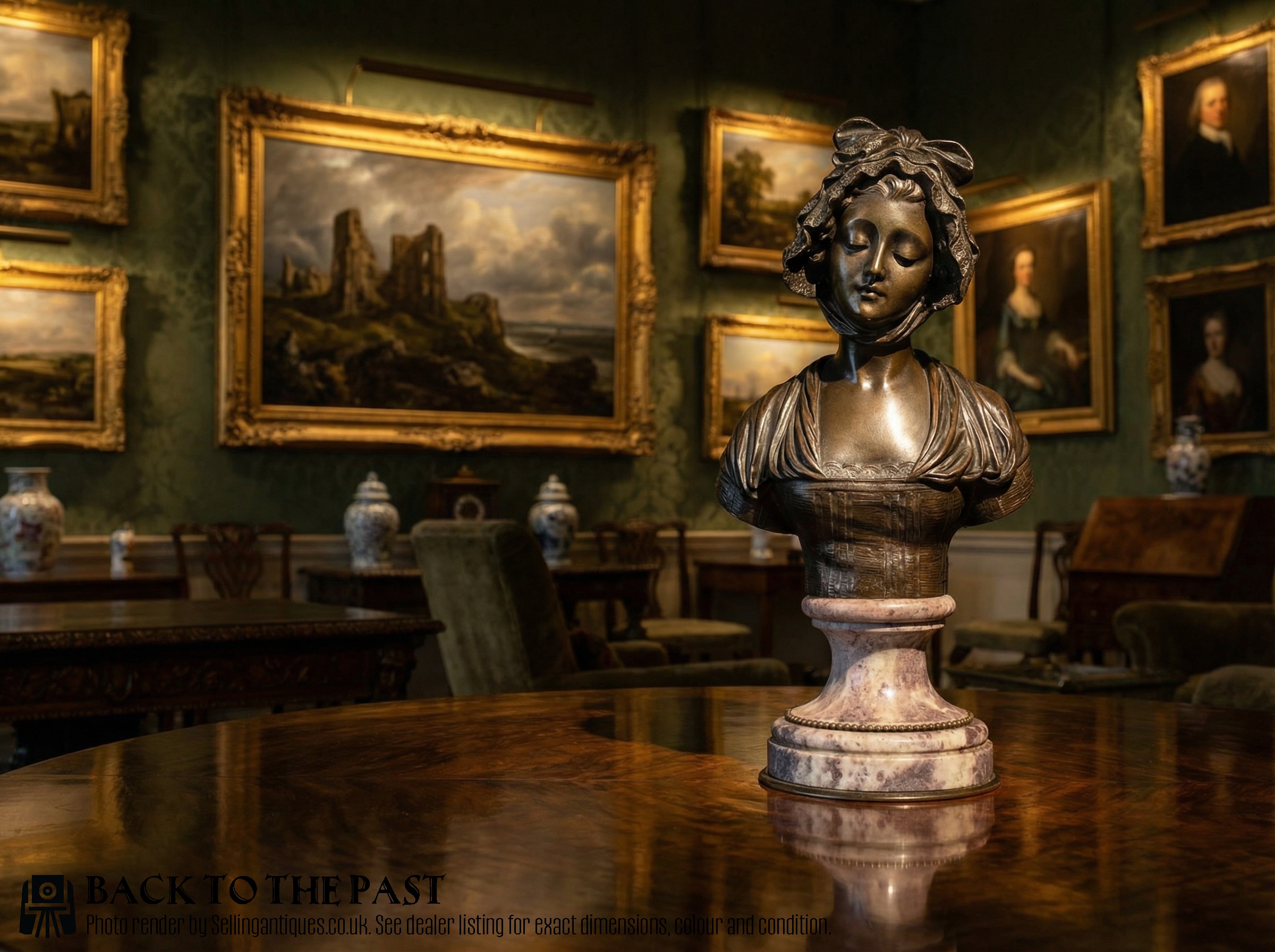
French Figurative Bronze
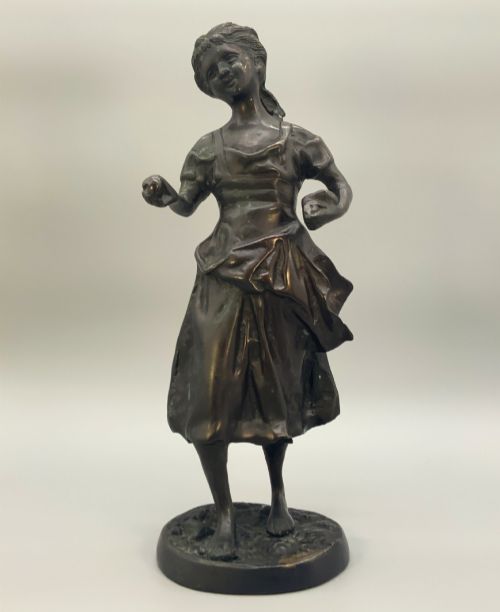
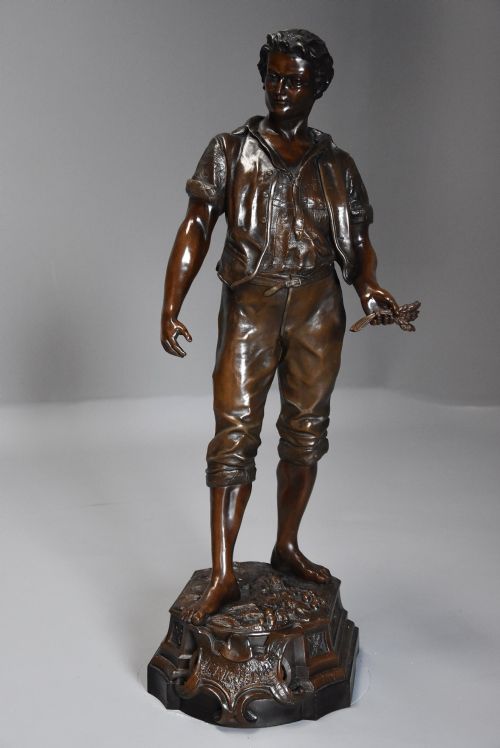
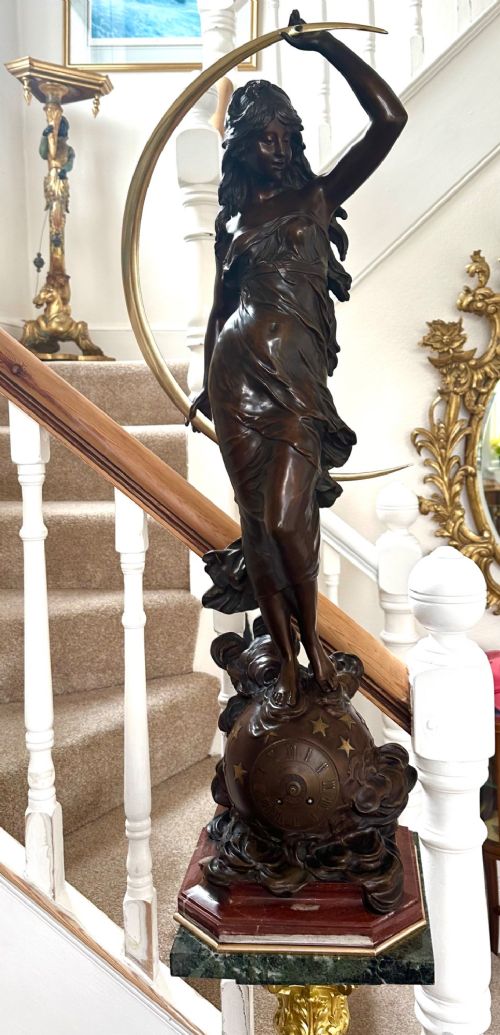
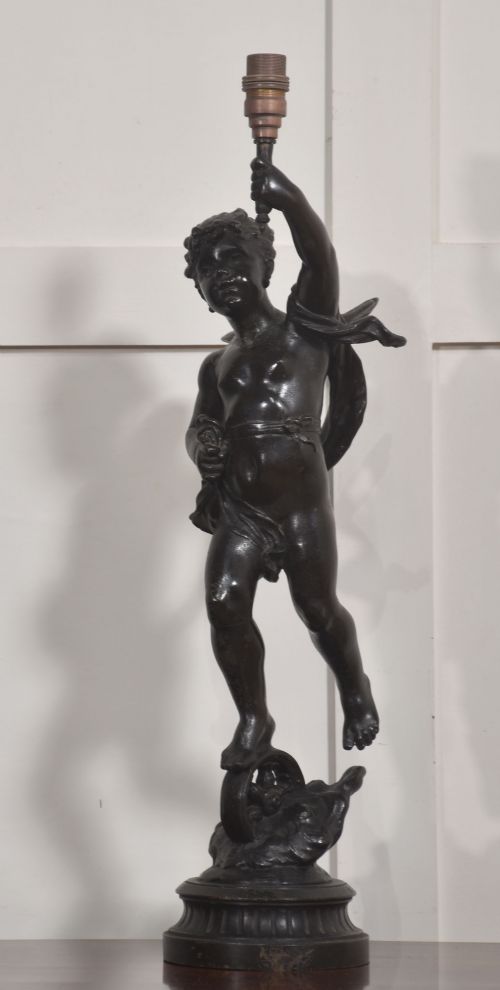
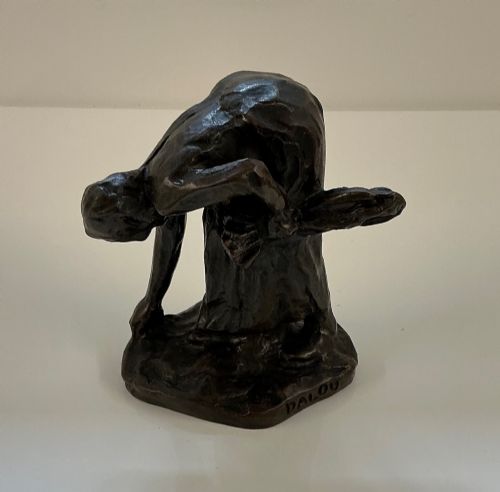
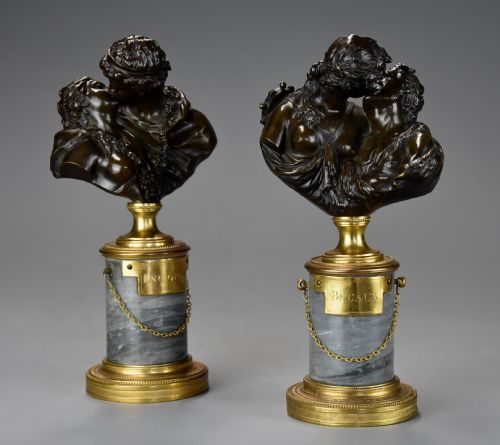
When you search for french figurative bronze, you encounter cast metal sculptures, mantel clocks, table lamps and decorative busts originating from the nineteenth and early twentieth centuries. These pieces depict mythological figures, farm labourers, maidens, children and historical subjects modelled in distinct styles ranging from nineteenth century realism to art nouveau and art deco.
You meet works associated with notable makers alongside unsigned foundry productions, spanning periods from the mid nineteenth century through to the nineteen thirties. The forms vary from miniature table pieces and double candlesticks to large scale statuary, often mounted on marble bases or integrated into functional clock garnitures.
Materials and casting methods
These works utilise metal casting, predominantly employing bronze alongside patinated bronze and bronzed spelter as an accessible alternative material. Foundry techniques involve pouring molten metal into moulds to capture fine anatomical details, drapery textures and facial expressions.
Surface finishes are achieved through patination, gilding or ormolu application, often paired with marble plinths, brass accents, hand blown glass domes and terracotta elements. Signed pieces frequently display foundry cachets or artist signatures incised directly into the metal body during the modelling stage.
French Figurative Bronze Retail Price Guide 2026
Typical asking prices for french figurative bronze among the pieces listed under this phrase on Sellingantiques today, from the lower quarter to the upper quarter. They describe what is for sale here now, not the wider market.
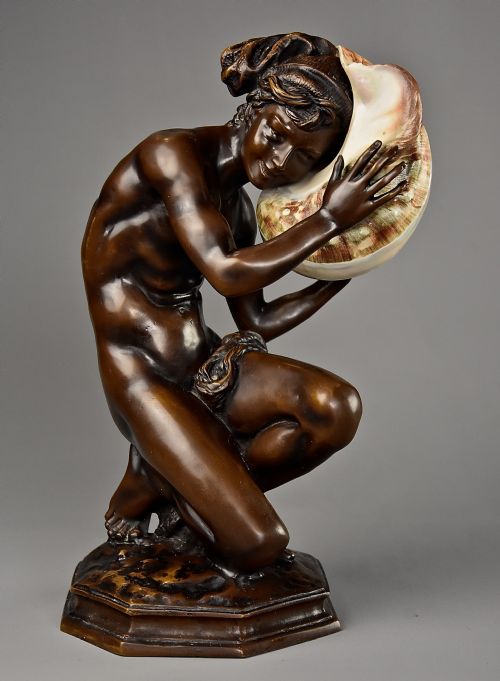
Sculptures capture characters ranging from neapolitan fisherboys and goat carvers to romantic literary figures like mignon.
Distinctions in craftsmanship
The integrity of the patina, the quality of the base materials such as dense veined marble, and the presence of clear signatures or foundry marks indicate the level of care invested in the piece. Spelter figures represent a different tier of production compared to heavy solid bronze casts, influencing the weight and durability of the object.
Moreau Family·F.Milliot·August Moreau·Jean-Baptiste Carpeaux·Jules Dalou·Jean Antoine Houdon·Julien Lorieux·Zoldan Kovats·Clodion·Sylvain Kinsburger·George Van Der Straeten·Mathurin Moreau·Joaquim Angles·Emmanuel Villanis·J Camus·Maurice Bouval·Charles Anfrie·Pierre Hebert·Raingo Fres
The French Figurative Bronze Glossary
- Bronze
- An alloy consisting primarily of copper combined with tin, used for durable metal casting. It provides the tensile strength and fine grain necessary for capturing intricate sculptural detail.
- Spelter
- A zinc alloy utilised as a substitute for bronze in decorative figures and lamps. It is lighter in weight and softer, frequently given a metallic bronze patination.
- Patina
- The surface coloration and sheen developed naturally over time or applied chemically to metal. It enhances the depth and visual contrast of sculptural contours.
- Ormolu
- Gilded bronze produced by applying a gold and mercury amalgam or through modern electroplating methods. It is commonly found on nineteenth century clock mounts and garniture sets.
- Garniture set
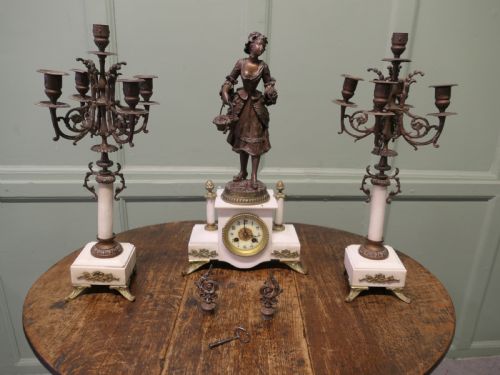
- A decorative ensemble comprising a central mantel clock accompanied by matching side pieces such as vases, urns or candelabra. These sets form balanced decorative arrangements on mantelpieces.
French Figurative Bronze: Frequently Asked Questions
What are french figurative bronze sculptures?
These pieces are cast metal artworks portraying human figures, allegorical subjects and historical characters created in France during the nineteenth and early twentieth centuries.
They encompass freestanding statues, decorative lamp bases, clock figures and portrait busts modelled in styles ranging from classical realism to art nouveau.
How do you clean antique bronze?
Maintenance requires gentle dusting with a soft dry cloth to prevent the accumulation of abrasive particles on the metal surface.
Harsh chemical cleaners, water and polishes should be avoided because they strip the original patination and damage the underlying metal.
How do you date a bronze figure?
Dating relies on stylistic indicators such as clothing styles, sculptural proportions, foundry marks, and associated materials like marble bases or clock movements.
Signatures or historical references within the title often provide a specific period or the lifetime of the artist as a chronological anchor.
Where were these pieces displayed?
In period interiors, these figures occupied prominent positions on mantelpieces, library tables, pedestals, and entrance halls.
They functioned as conversation pieces, scholarly focal points, and ornamental lighting components within nineteenth century bourgeois and aristocratic homes.