




French Figural Table Lamp
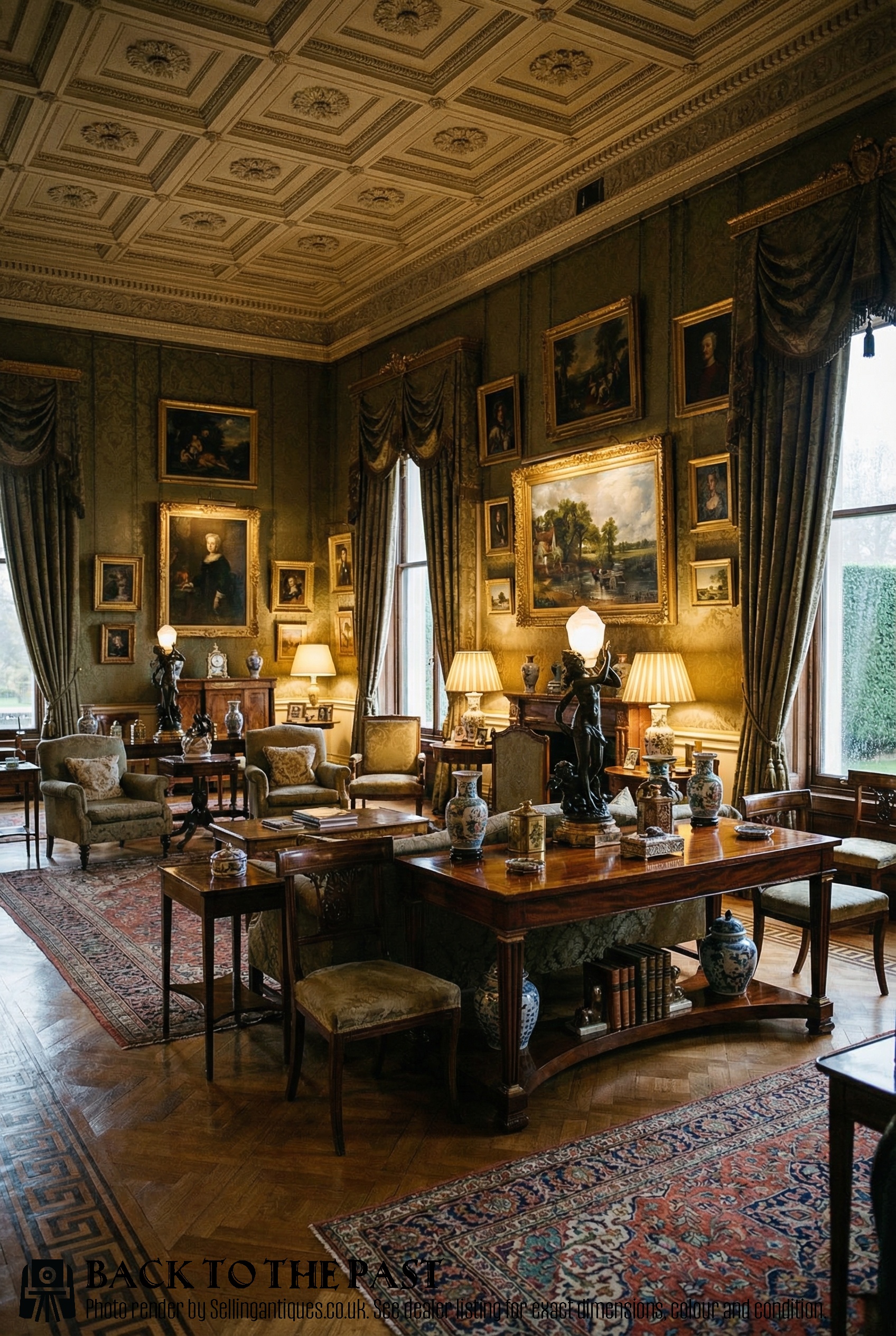
These French figural table lamps combine sculptural human and mythical figures with functional illumination, offering expressive character to interiors.
French Figural Table Lamp
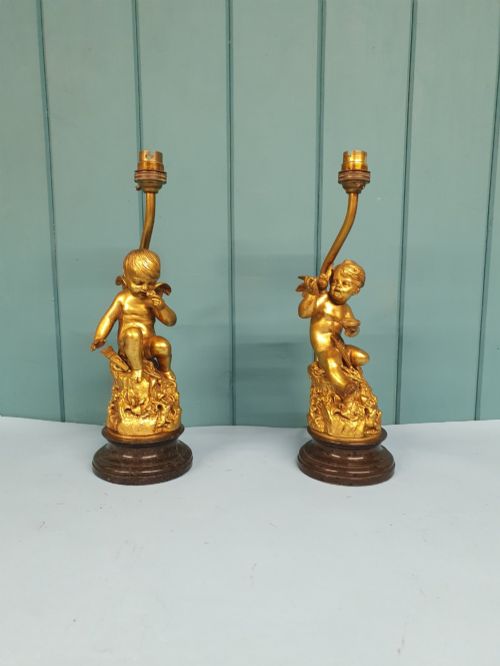
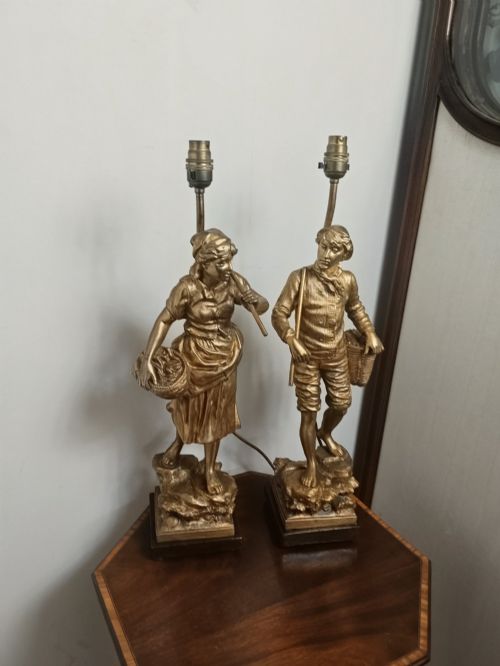
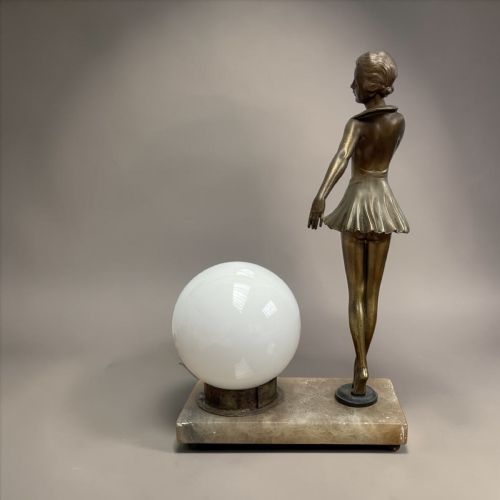
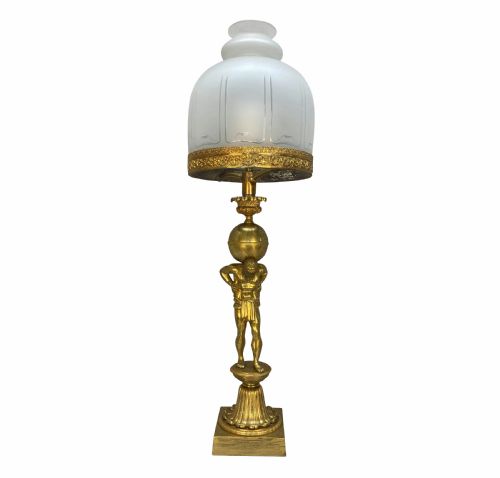
A French figural table lamp unites a cast metal or ceramic figure with a lighting mechanism, often depicting cherubs, maidens, mythological deities or stylized ladies. These pieces bridge the gap between fine sculpture and domestic lighting, serving as focal points on sideboards, desks and mantels.
The selection ranges from nineteenth-century neoclassical bronzes and romantic cherub torchères to streamlined Art Deco figures and mood lamps. Spelter and bronze dominate the sculptural elements, frequently mounted on heavy marble plinths or paired with fabric and glass shades.
How They Were Made
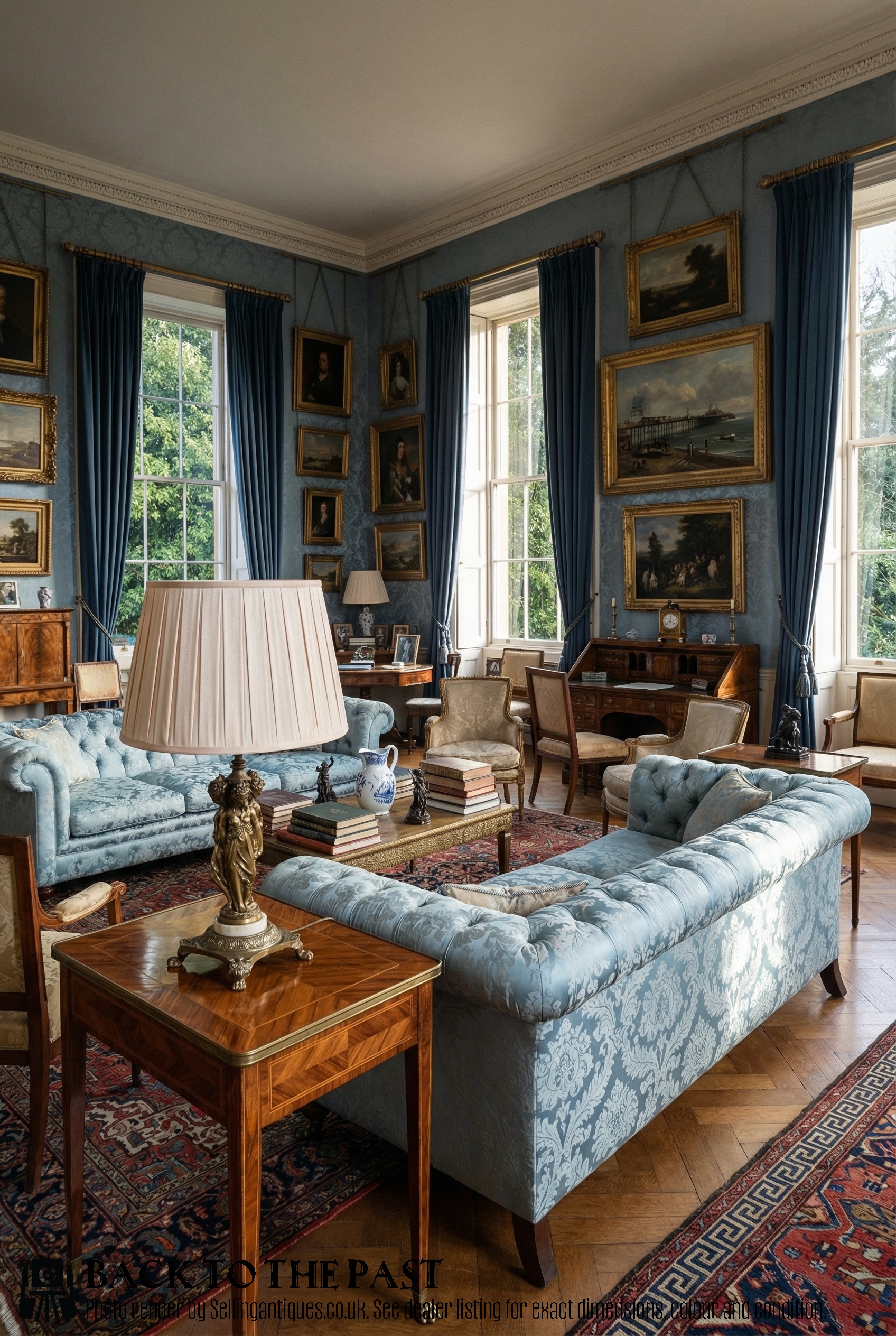
Sculptors modelled human and allegorical forms in clay or wax before casting them in bronze, brass or more affordable spelter using traditional foundry methods. Spelter figures often received bronze-coloured or gilt patination to mimic the heavier metal, while others utilised painted finishes.
Bases incorporate turned marble, ormolu, and shaped brass, occasionally complemented by frosted glass shades, beaded details, or silk fabric elements. Wiring and lamp holders were typically added later or adapted during the twentieth century to accommodate modern electrical standards.
Styles represented include Art Deco, Art Nouveau, Neoclassical, and Rococo Revival, with motifs ranging from cherubs and maidens to mythological deities.
What Varies in Quality
The refinement of the casting and the crispness of the chisel work on the figure separate standard production pieces from master-signed sculptures. Finer examples display subtle facial expressions, detailed drapery, and careful hand-finishing to the metal surface.
Materials dictate longevity and weight, with solid bronze and heavy marble bases sitting at the upper end of the scale compared to lighter spelter alternatives. The integrity of the original patination and the quality of any associated mounting hardware also influence the overall character.
E Rousseau·L & F Moreau·Emile Picault·Jean-Jules Cambos·H Moreau·Auguste Moreau·P Sega·Henri Honore Ple·Adrien Gaudez
The French Figural Table Lamp Glossary
- Spelter
- A zinc-lead alloy used as a cost-effective alternative to bronze in decorative figures. It accepts patination and metallic paint finishes readily.
- Torchere
- A light standard or lamp modelled on a classical torch-bearer or torch stand. They often hold light sources aloft in the hand or upon a bracket.
- Ormolu
- Gilt bronze created by applying a finely ground high-carat gold-mercury amalgam to a bronze object. The mercury is driven off by heat, leaving a rich gold coating.
- Patina
- The surface sheen and coloration developed by metal through age, handling, or intentional chemical treatment. It adds depth to cast bronze and brass figures.
- Veilleuse
- A small bedside night lamp or mood lamp originating in France. They often feature delicate ceramic or glass construction for soft illumination.
French Figural Table Lamp: Frequently Asked Questions
How do I identify a spelter lamp from bronze?
Spelter is noticeably lighter than bronze and often reveals a greyish-white metal underneath any worn surface paint or patination. Bronze maintains a heavier weight and a warm metallic tone beneath its aged skin.
A magnet will not stick to either metal, but a gentle scratch test in an obscure spot will confirm the softer, duller grey interior of spelter versus the reddish-yellow hue of true bronze.
Were these lamps originally electrified?
Most nineteenth-century examples started life as oil lamps, gas fixtures, or purely decorative sculptural candelabra before conversion to electricity later in their lives. Wiring channels were often drilled or adapted through the original casting or base.
Twentieth-century pieces from the Art Deco period were more frequently manufactured directly for electric bulbs, sometimes incorporating integrated frosted glass shades.
How should I clean a patinated metal figure?
Dust the surface regularly with a soft, dry microfibre cloth to prevent dirt accumulation within the detailed crevices of the cast figure. Avoid using chemical metal cleaners or abrasive polishes, as these will strip away the historic patina.
Wax can be applied very sparingly to bronze or brass surfaces if protection is required, but softer spelter requires particular care to avoid lifting painted finishes.
What periods do these figural lamps cover?
The pieces span from the late nineteenth century through the interwar Art Deco period, encompassing Regency revivals, Art Nouveau, and neoclassical styles. Dates range from the 1880s and 1890s up to the 1930s.
Earlier works favour mythological and allegorical figures in heavy bronze, while later decades introduce stylised ladies and geometric forms in spelter and glass.