


French Expressionist Art
French expressionist art captures movement and emotion through bold colour, dynamic brushwork and modernist vitality.
French Expressionist Art
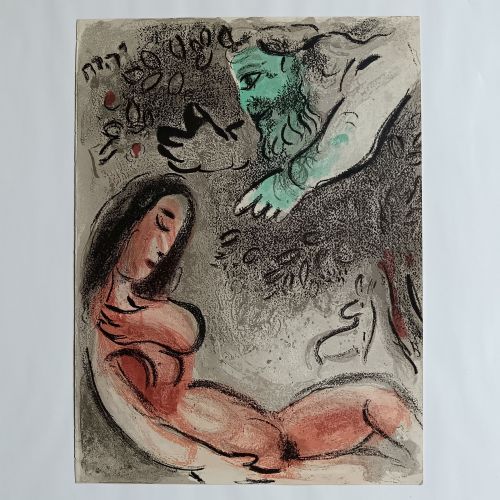
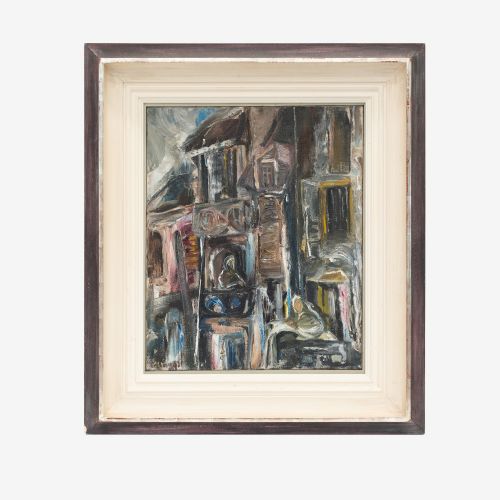
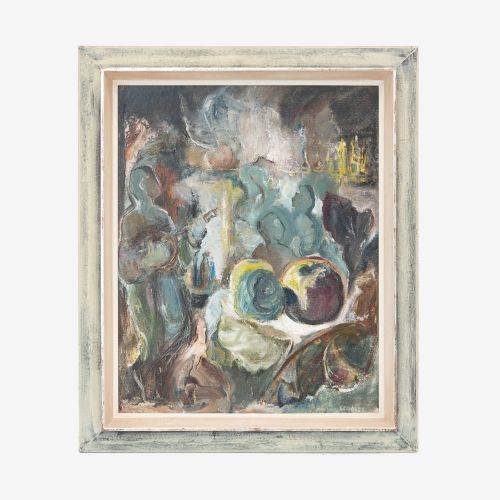
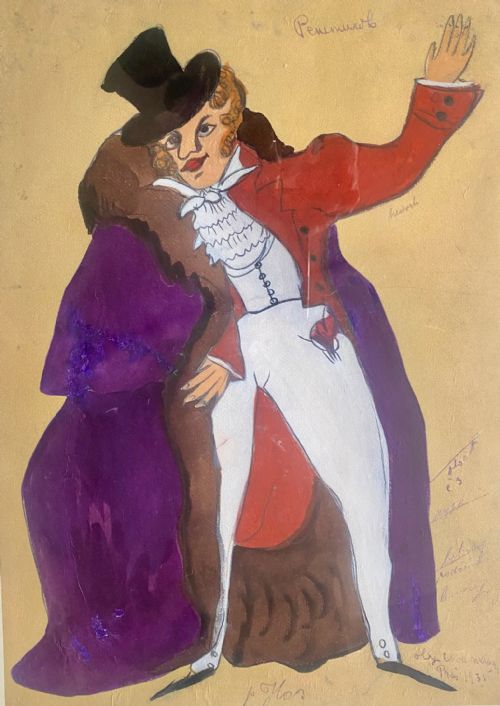
When seeking french expressionist art, a buyer encounters mid-century paintings, watercolours and prints originating primarily from the 1920s to the 1960s. These works span cityscapes, lively figures, harbour scenes and expressive nudes created during dynamic periods of modern art.
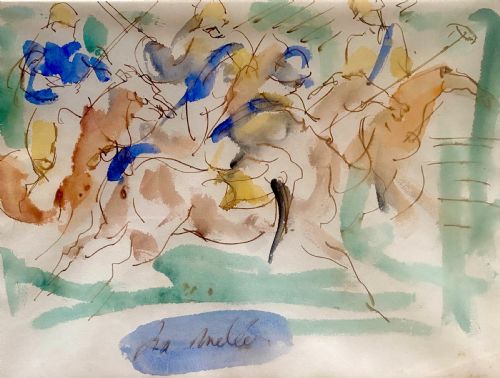
The most frequent pieces on this page are oil on canvas paintings and works on paper such as gouache and lithographs. They reflect styles including Fauvism, avant-garde surrealism and mid-century modernism.
Makers and artists represented include figures like Gabriel Dauchot, Marc Chagall, Kees van Dongen and Pinchus Krémègne alongside pieces from the broader School of Paris. The forms range from intimate watercolours to large canvas compositions.
Materials and construction
Artists painted primarily with oil paint on stretched canvas or wooden board, building texture and impasto through layered brushwork. Works on paper utilised watercolour, ink, gouache and coloured pencil, capturing immediacy and fluid draftsmanship.
Printmaking techniques such as double-sided lithography formed an important part of the medium, enabling graphic multiplication of artistic visions. Canvases were typically mounted on wooden stretchers while paper works relied on delicate supports requiring careful preservation.
Listings feature canvases and works on paper spanning five distinct decades from the 1920s to the 1960s.
Distinctions in quality
Quality rests upon the confidence of the brushwork and the expressive intensity of the composition. Stronger pieces display assured handling of pigment, whether in an energetic cityscape or an intimate figurative study.
Provenance and documentation elevate certain works, particularly those linked to known exhibitions or notable historical ownership. The preservation of the original surface and pigments without heavy restoration also governs the standing of an individual piece.
Marc Chagall·Lilian Colbourn·Gen Paul·Olga Choumansky·Gaetan Dumas·Gabriel Dauchot·Mercedes Legrand·Jean Hippolyte Marchand·Pinchus Krémègne·Andre Delfau·Kees van Dongen·Pierre Peltier·Archille Zavatta
The French Expressionist Art Glossary
- Fauvism
- A style characterised by strong colours and painterly qualities rather than realistic values. It developed in France at the start of the twentieth century.
- Impasto
- The process of laying on paint thickly so that it stands out from the surface. This technique adds tactile depth to modernist and expressionist canvases.
- Lithography
- A planographic printmaking process using a stone or metal plate. Artists utilised this method to produce original multi-colour prints and book illustrations.
- Gouache
- An opaque water-based paint that dries to a matte finish. It provides rich colour saturation on paper supports.
- School of Paris
- A term denoting the diverse community of artists working in Paris during the decades surrounding the mid-twentieth century. Many foreign-born painters contributed to this movement.
French Expressionist Art: Frequently Asked Questions
What periods do these artworks cover?
The pieces span the decades from the 1920s through the 1960s, capturing the height of mid-century modernism and post-war expressionism in France.
This timeframe reflects intense experimentation in European painting, encompassing avant-garde movements and the School of Paris.
How should I care for oil on canvas?
Keep paintings away from direct sunlight and fluctuating humidity to protect the canvas and oil pigments from degradation.
Dust the surface gently with a soft, dry brush and avoid chemical cleaners or moisture.
Are works on paper framed?
Watercolours, gouaches and lithographs on paper require protective framing behind glass to shield them from environmental damage.
Use acid-free mounts to prevent paper discolouration and deterioration over time.
How do I identify a modernist painting?
Look for non-naturalistic colour palettes, abstracted forms and energetic brushstrokes that prioritize emotional expression over strict realism.
Signatures, exhibition labels and medium details on the reverse often provide additional context regarding the creator and origin.