
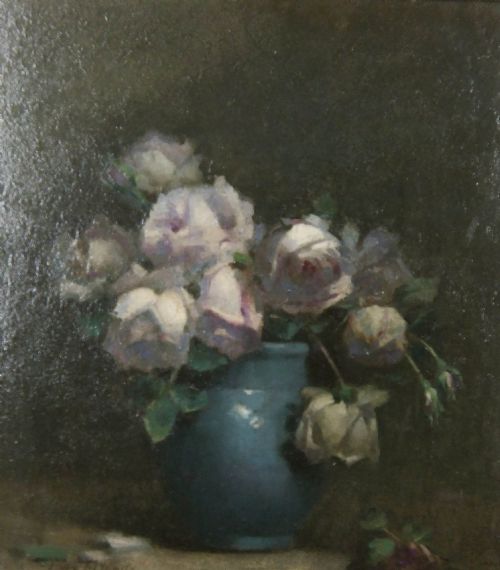


Blue Oil Study Painting
A blue oil study painting captures form and light through rapid brushwork, offering collectors intimate glimpses of an artist's working process.
Blue Oil Study Painting
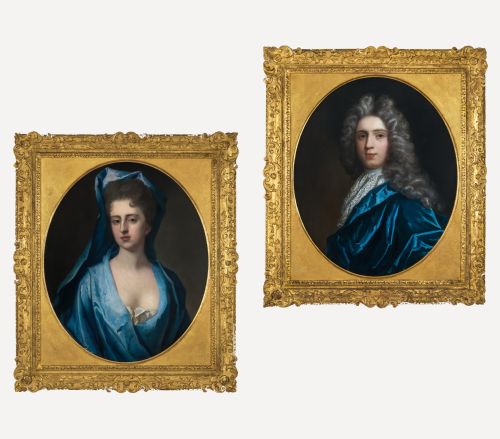
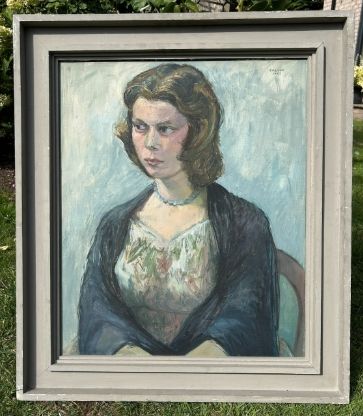
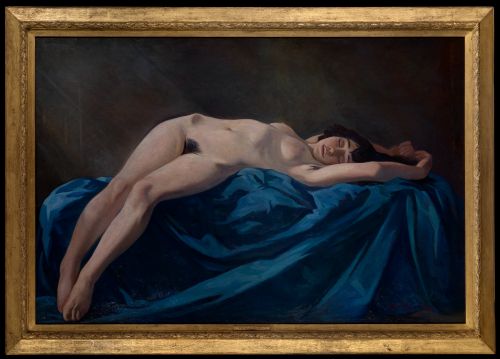
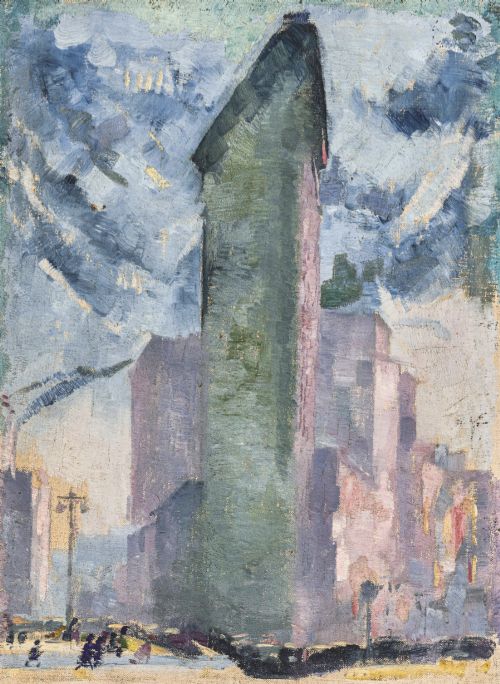
When you search for a blue oil study painting, you encounter works spanning from the seventeenth century through to the mid-twentieth century. These pieces range from portraiture and landscape to still life and figurative studies, created as preliminary works or finished compositions.
Origins vary from British studios to French plein air scenes and European interiors. Collectors find both signed works by known artists and compelling pieces by anonymous hands.
Materials and methods
Artists painted these studies using oil paint applied to canvas, wooden panels, or board. The medium allowed for fluid blending of pigments and rich layering of colour.
Plein air practitioners worked outdoors directly from nature, while others captured studio interiors and figure studies under controlled lighting. Many pieces retain their original decorative gilt frames.
Represented styles include British Impressionism, Post-War British Realism, and Mid-Century Modern.
Measures of quality
Quality rests in the surety of the brushwork and the artist's command of tone and light. A successful study conveys immediacy and vigour, where every mark serves the composition.
Condition plays a role, particularly the stability of the paint layer upon its original canvas or panel. The harmony of a period frame further distinguishes a superior example.
Michael Dahl·Thomas Murray·Kenneth Cozens·Eric Robertson·Alfred Wolmark·William Thomas Wood·Septimus Scott·Kershaw Schofield·Peter Jackson·Edmond Defonte·Margaret Evangeline Wilson·Yetta Kane·William Cave Day·John Burns Robertson
The Blue Oil Study Painting Glossary
- Oil paint
- A slow-drying paint made by mixing pigments with a drying oil, commonly linseed. This medium permits subtle gradations of tone and thick impasto textures.
- Canvas
- A heavy woven fabric stretched across a wooden frame to form a foundation for painting. It remains the most common support found in these selections.
- Plein air
- A French term describing the act of painting outdoors. Artists using this method sought to capture natural light and transient weather conditions.
- Chiaroscuro
- An artistic technique employing strong contrasts between light and dark to give a three-dimensional volume to figures and objects.
- Impasto
- Paint applied thickly to a canvas, standing out from the surface so that the brush or palette knife marks remain visible.
Blue Oil Study Painting: Frequently Asked Questions
What is a blue oil study painting?
A blue oil study painting is an artwork executed in oil paint where blue tones dominate the composition, often created as an exploration of light, mood, or form.
These works range from intimate floral still lifes to figurative sketches and landscapes produced across several centuries.
How were these oil paintings displayed?
Historically, these works were housed in domestic interiors, artist studios, and galleries. Many retain period gilt frames chosen to complement the painted surface.
Today, collectors hang them individually as focal points or group them alongside other fine art works.
How do I date an antique oil painting?
Dating relies on stylistic clues, the type of canvas or panel used, and framing techniques. Signatures, inscriptions, and artist records also help establish a timeframe.
Comparing brushwork to documented examples from specific periods provides further clarity.
How do I care for an oil on canvas?
Keep paintings away from direct sunlight, extreme temperature fluctuations, and high humidity. Dust the surface gently with a soft, dry brush without applying pressure.
Avoid using water or chemical cleaners on the paint or the gilt frame.