


French Equestrian Painting
French equestrian painting captures horses and riders in motion, offering collectors a rich slice of sporting history.
French Equestrian Painting
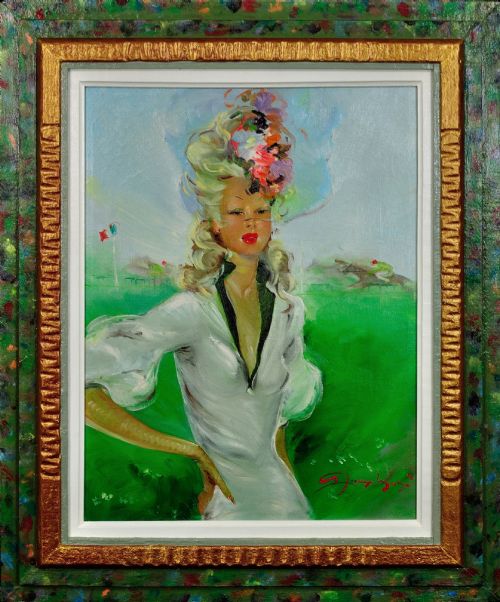
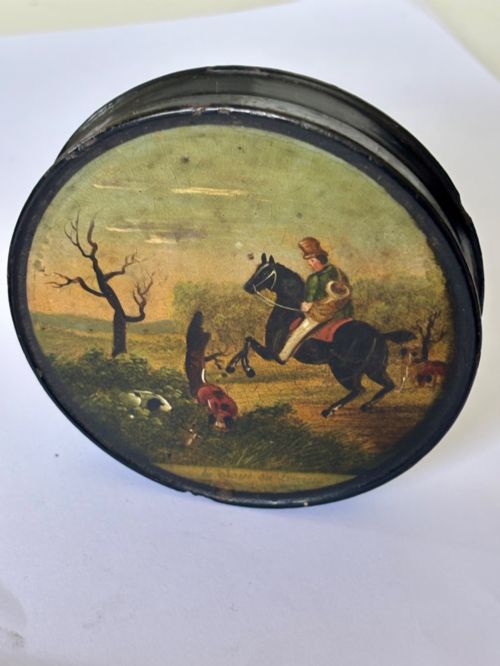
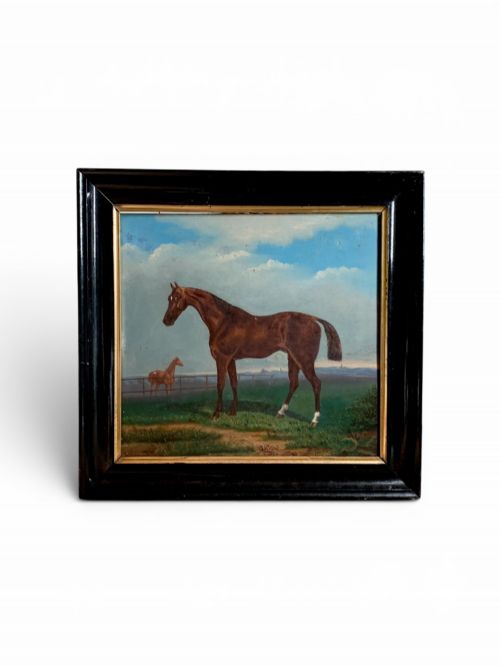
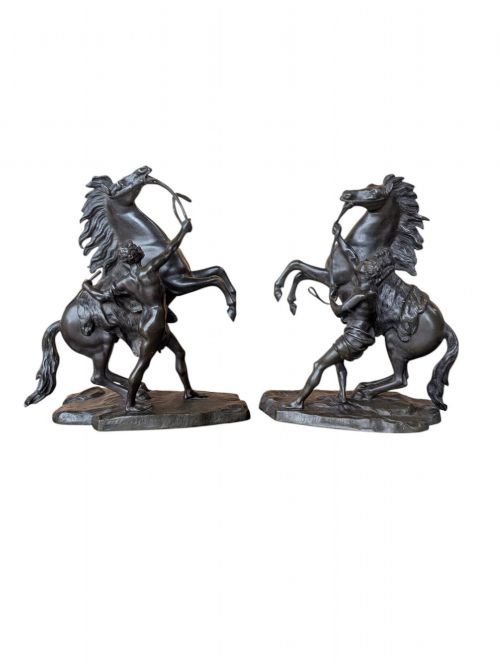
A French equestrian painting focuses on horses, riders, races, and hunting scenes originating from various periods including the nineteenth century and mid-century eras. Buyers hunting for these pieces will frequently encounter works executed in oil on canvas, oil on panel, or watercolour on paper.
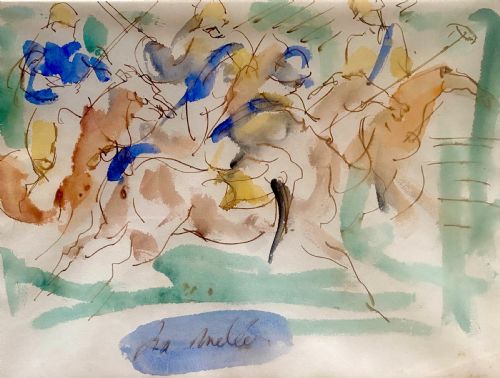
The subjects range from dynamic racecourse scenes at Longchamp and polo matches to working horses in Normandy and military cavalry portraits. These artworks reflect diverse movements such as French Provincial, 19th Century French Realism, and Expressionism.
Artworks span from early works depicting royal coach parties to later twentieth-century interpretations of horses and riders. Collectors often find framed paintings alongside works on paper capturing the energy of the hunt or the leisure of the track.
Materials and Techniques
Artists utilise oil paint applied to canvas, wood panels, or board to build depth and texture within these equestrian scenes. This medium allows for detailed brushwork that defines the musculature of the horses and the sheen of their coats.
Watercolour and ink on paper appear frequently in studies and finished works, capturing rapid movement with fluid strokes. Paper and card serve as supports for these lighter, more immediate compositions.
Frames of wood often enclose these paintings, preserving the canvas and paper works while reflecting the decorative tastes of periods from the nineteenth century onward.
Listings feature oil on canvas, watercolour, and ink on paper across the nineteenth and twentieth centuries.
Distinctions in Quality
Quality in these works rests upon the precision of the draughtsmanship and the artist's ability to render the anatomy and motion of the horse convincingly. Superior pieces display a confident handling of light and shadow, particularly in dynamic settings like races or cavalry engagements.
The reputation of the artist and the documentation of their signature or school influence the standing of a piece within the field. Works by listed nineteenth and twentieth-century painters command greater attention for their established provenance and stylistic execution.
Jean-Gabriel Domergue·Raimond Louis Lecourt·Gabriel Dauchot·Léon Joseph Voirin·Guillaume Urban Régamey·Albert Ferdinand Le Dru
The French Equestrian Painting Glossary
- Canvas
- A heavy woven fabric used as a surface for oil paintings. It provides a textured ground that holds layers of pigment securely.
- Watercolour
- A painting method where paint is made of pigments suspended in a water-based solution. It is typically applied to paper to achieve translucent effects.
- Provincial
- A style associated with the regions outside the capital, often characterised by a charming rusticity and straightforward depiction of local life. In these listings, it describes works focused on working horses and rural scenes.
- Expressionism
- An artistic style where the artist distorts reality for emotional effect rather than objective representation. Works in this vein use bold brushstrokes and vibrant colour to convey the energy of a horse race.
French Equestrian Painting: Frequently Asked Questions
What periods do these paintings cover?
The works span from the seventeenth century through the nineteenth and twentieth centuries.
Most available pieces date from the nineteenth century up to the 1960s.
What subjects are most common?
Common subjects include racehorses at tracks like Longchamp, hunting scenes, and polo matches.
Working horses and military cavalry portraits also appear frequently across the selection.
Are these works always on canvas?
No, while oil on canvas is common, artists also used wood panels, board, and paper.
Watercolour and ink works on paper represent a significant portion of the selection.
How do I identify the artistic style?
Styles range from nineteenth-century realism to French expressionism and provincial depictions.
Examining the brushwork, medium, and subject matter helps determine the specific artistic movement.