


Horse and Rider Painting
These horse and rider painting works capture equine motion and equestrian life across centuries through oils, watercolours, and traditional framing.
Horse and Rider Painting
A horse and rider painting brings together equine subjects and human figures, spanning genres from traditional sporting art to mid-century modern interpretations. You will frequently encounter nineteenth-century works alongside twentieth-century depictions on paper and canvas.
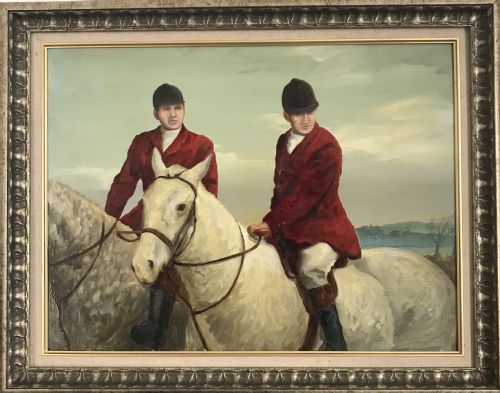
The selection ranges from detailed oil paintings on canvas and panel to expressive watercolours and framed artwork. Subjects cover hunting scenes, military portraits, and rural country landscapes.
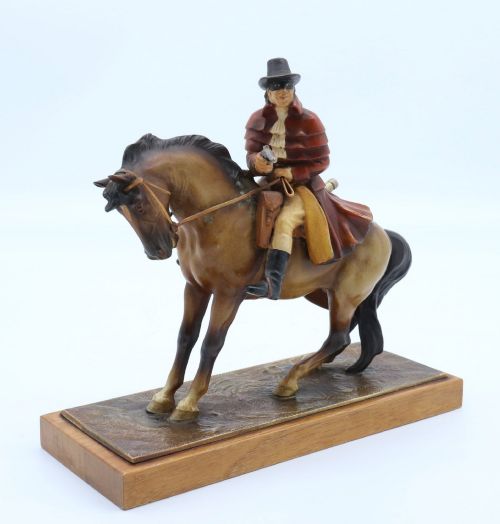
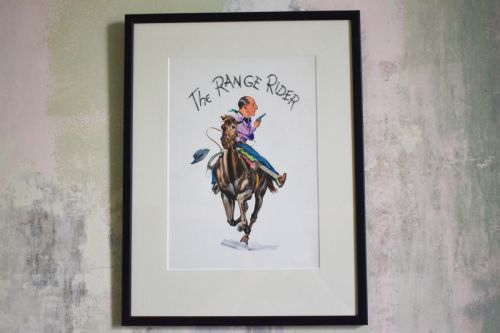
Origin styles stretch across British sporting traditions, French school watercolours, and Spanish realism. Certain pieces also incorporate pottery figures and folk art silhouettes within the broader equestrian category.
Materials and Construction
Artists utilised oil paint on canvas, wood panels, and paper supports to build up layered compositions of horses and riders. Watercolour washes on paper offer a lighter, more fluid alternative to heavier oil mediums.
Framing forms an integral part of these pieces, utilising wood frames and glass protection to preserve delicate watercolours and paper works over generations.
The selection includes mid-century modern, traditional British sporting art, Victorian, and Spanish realism styles.
Assessing Quality and Execution
Quality rests upon the artist's anatomical accuracy in rendering equine muscle structure and rider posture. Superior examples demonstrate confident brushwork and balanced composition within the landscape.
The preservation of the underlying paper or canvas, alongside the integrity of the original frame, determines the overall standing of an individual piece.
John Rattenbury Skeaping·Arthur Longley Vernon·Henry Charles Fox·Frank Dadd
The Horse and Rider Painting Glossary
- Sporting Art
- Depictions of rural sports, including horse racing, fox hunting, and equestrian pursuits. This genre forms a major component of British traditional painting.
- Watercolour
- A paint consisting of a pigment suspended in a water-soluble vehicle. These works on paper require glass protection against moisture and sunlight.
- Oil on Canvas
- Pigments mixed with an oil medium applied to stretched fabric. This technique allows for rich colour depth and textured brushwork.
- Panel Painting
- Artwork executed on a flat piece of wood rather than stretched canvas. This durable support was common in earlier centuries.
Horse and Rider Painting: Frequently Asked Questions
How do I care for antique watercolours?
Keep watercolours away from direct sunlight to prevent fading of the pigments on paper. Ensure the glass and backing board remain sealed against moisture.
Display them in stable room environments with minimal humidity fluctuations. Professional framing using acid-free materials protects the paper over time.
What subjects appear in these paintings?
Subjects include fox hunting scenes, military officers, blacksmith visits, and country gallops. Riders range from French society horsemen to Andalusian equestrians.
Landscape settings provide the backdrop for both formal portraits and genre scenes. The focus remains on the relationship between the horse and the rider.
How are canvas and panel works dated?
Dating relies on stylistic evidence, artist signatures, and framing methods. Canvas weaves and panel preparation techniques also indicate specific historical periods.
Examine the verso for handwritten notes, labels, or stamps from previous collections. Comparative study with known works helps narrow down the decade.
Where were these equestrian pieces created?
Pieces originate from British, French, Spanish, and Flemish schools of art. Each regional tradition brings distinct approaches to colour and movement.
British works often lean towards sporting art traditions, while French school pieces emphasise fluid watercolour techniques. Regional influences remain visible in the clothing and landscape details.